
REVIEW · ANNAPURNA TREKS FROM KATHMANDU
Pokhara: 5-Day Annapurna Base Camp (ABC) Trek
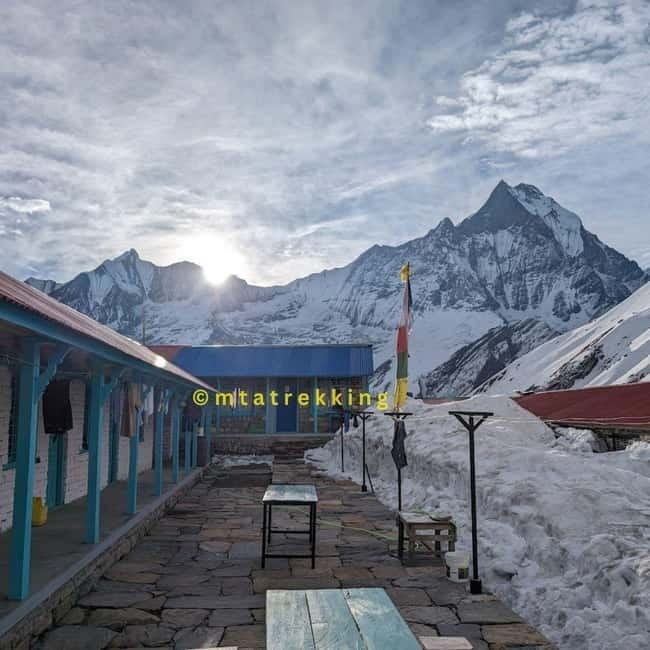
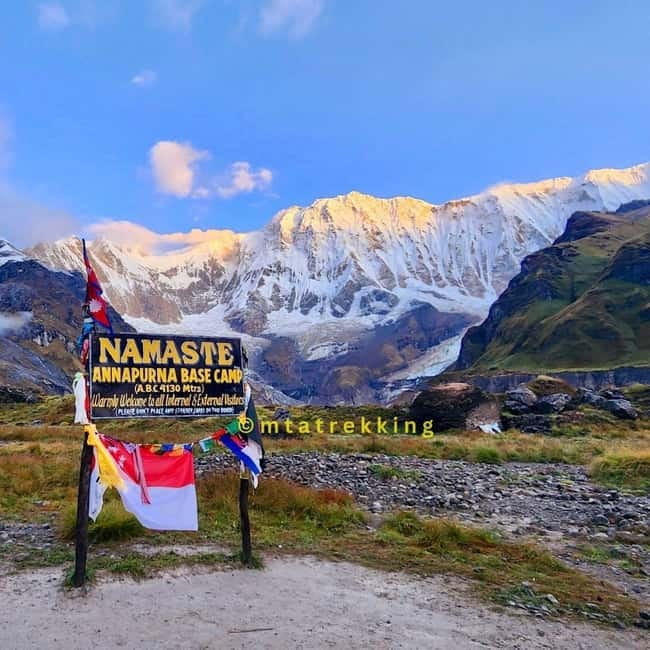
Annapurna Base Camp happens faster than you expect. This 4-night, 5-day trek from Pokhara is a smart, well-paced way to reach Annapurna Base Camp at 4,130 meters while still getting variety, from village paths and forests up to big Himalayan views. I like that it layers in culture and scenery, including Gurung village life and a detour toward Machhapuchhre Base Camp for Fishtail Peak views. One consideration: altitude is real at 4,130 meters, so you need to take the pace seriously even if the itinerary looks short.
What also makes this trek feel practical is the support system: hotel pickup in Lakeside Pokhara (or airport), private transport to the trekking starting point, and tea house accommodation each night. I also like that permits and the Annapurna Conservation Area costs are handled, so you can focus on the trail instead of paperwork. Still, you’ll pay extra if you want a porter, and mountain extras like Wi-Fi, hot showers, and drinks are not included.
Finally, you’re not doing this as a big herd. This is a private group with an English live guide, and you’ll travel with someone who can help manage effort, plus point out what you’re actually seeing along the route.
Key highlights that matter on the ground
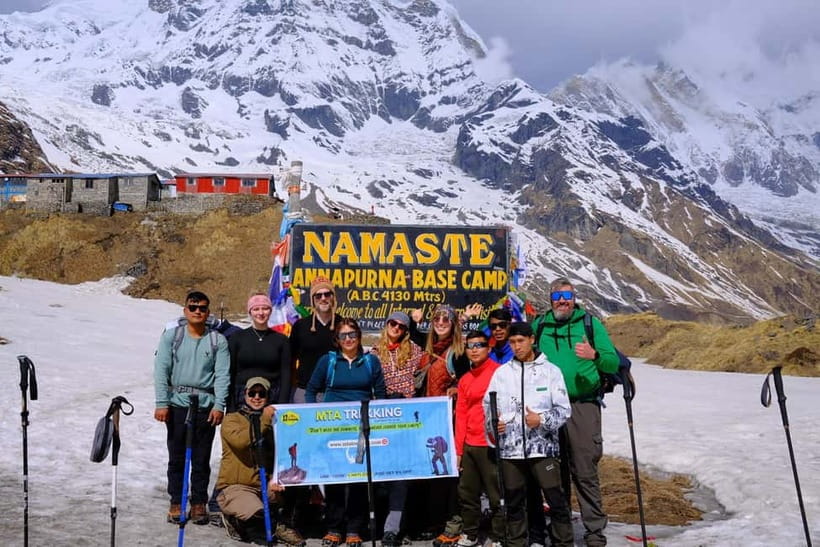
- Annapurna Base Camp at 4,130 m with a summit-day feel, plus a Machhapuchhre Base Camp detour for Fishtail Peak views
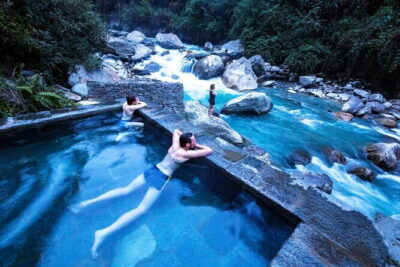
- Jhinu Hot Springs are built into the route on the way back, so recovery can be part of the itinerary
- Tea house nights mean less logistics stress, and luggage storage in Pokhara makes it easier to pack light
- English live guiding with a private group setup, so you can ask questions and move at the right rhythm
- Gurung village culture and changing terrain, from terraced fields and village paths to higher forest routes
Why this 5-day ABC trek works from Pokhara
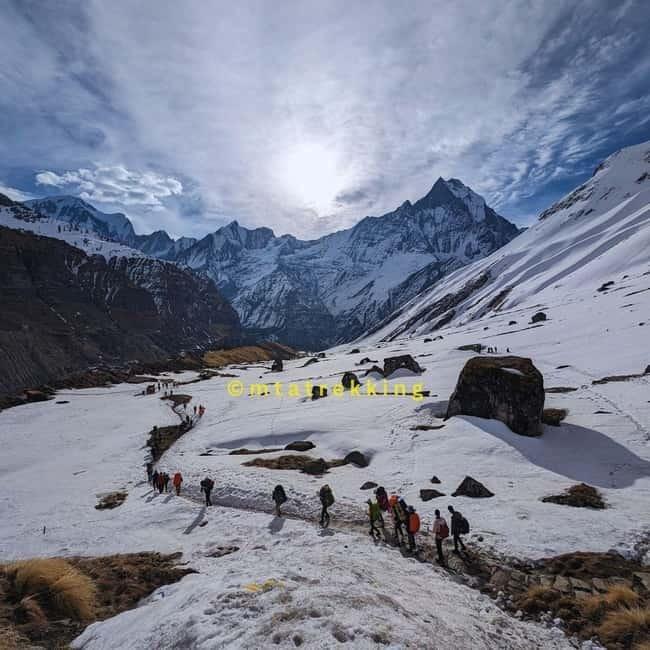
This is the shortest version of Annapurna Base Camp that still feels like an actual Himalayan trek, not just a long day hike. You get enough time to climb, adjust, and enjoy the destination without spending your whole trip battling basic fatigue.
Also, the starting point is well chosen. You begin in Pokhara, then use a mix of transport and walking so the trek itself focuses on changing altitude and scenery. It’s a relief if you want to see the mountains without losing a full day to transfers.
The route also makes sense for first-time ABC trekkers. Lower Sinuwa and Deurali are “in-between” altitude zones, so you’re not just jumping from low elevations straight to Base Camp. That matters because even if altitude sickness is described as rarely happening, you should still respect the climb to 4,130 meters.
You can also read our reviews of more hiking tours in Kathmandu
Day 1: Lakeside Pokhara to Lower Sinuwa via Jhinu
You start from Lakeside Pokhara and get pickup from hotels in the Lakeside area, or from Pokhara International Airport. Then it’s a short vehicle segment before you switch fully into trekking mode.
The walk to Lower Sinuwa takes about 5 hours and lands you at 2,300 meters. This is a great first day because it doesn’t overload you. You’re getting moving while your body is still adjusting to the idea of hiking at altitude.
A big plus on day one is the Jhinu connection. Jhinu is known for natural hot springs, so even if you do not soak immediately, the village and that hot-spring culture vibe are part of the story of your trek. You’ll also pass through working village settings where daily life is close to the trail.
Practical drawback: day one can feel mentally slower than you expect because you’re learning the pace, checking footing, and settling into clothing and layering. The fix is simple: start steady, take short breaks, and keep your water habit consistent.
Day 2: The climb to Deurali and getting a feel for thin air
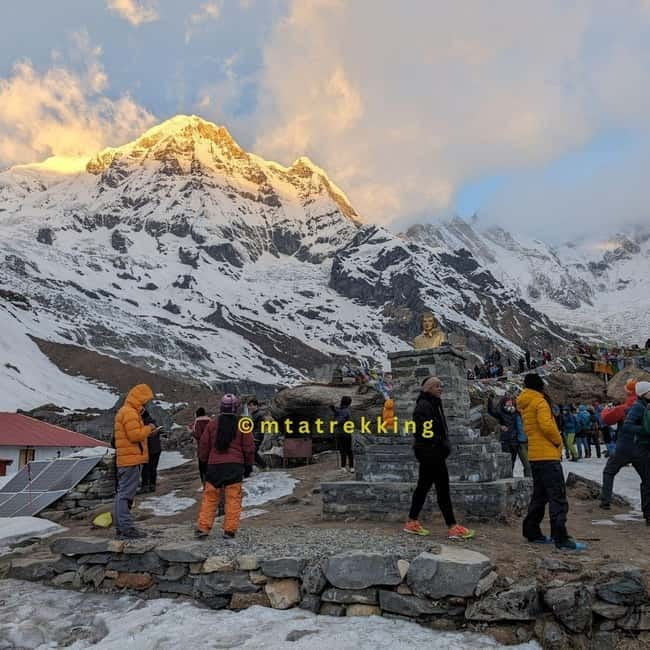
Day two is where the trek begins to feel more Himalayan. You hike for about 6 hours from Lower Sinuwa up toward Deurali at 3,200 meters.
What I like about this day is the mix of effort and scenery. The route trends upward, but it’s not described as a single brutal wall. Instead, you move through varied terrain, and you get that gradual sense of height: cool air, different vegetation, and a view line that keeps opening as you gain altitude.
You’ll spend the night in Deurali, in a village setting that feels like a natural waiting room for the next day. Nights here are often when you learn how your body reacts to altitude. You’ll want to eat well, keep warm, and avoid overdoing it just because you feel good.
Consideration: Deurali is not Base Camp, but it is high enough to make you feel it. If you notice headaches, nausea, unusual fatigue, or dizziness, tell your guide and slow down. Even when altitude sickness is said to be rarely happening, the smart move is to take symptoms seriously early.
Day 3: Machhapuchhre Base Camp detour and arrival at Annapurna Base Camp
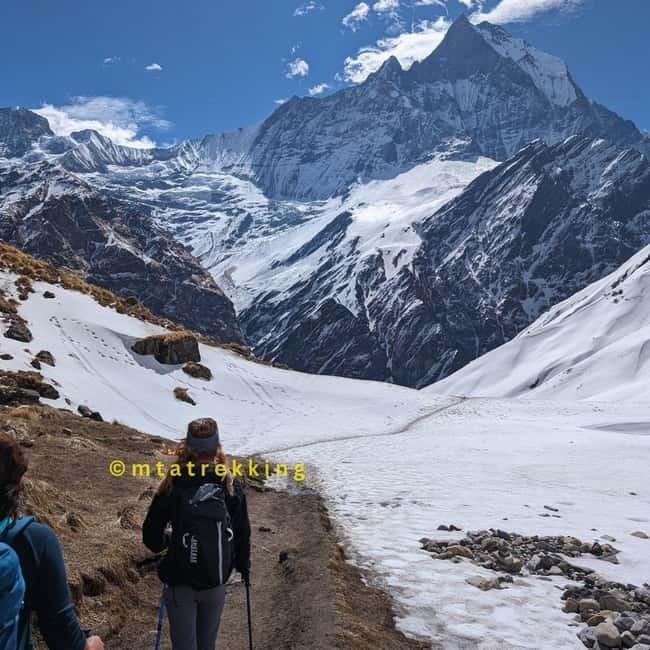
This is the day most people remember. The trek time is around 4 hours to reach Annapurna Base Camp at 4,130 meters, but it includes an important detour.
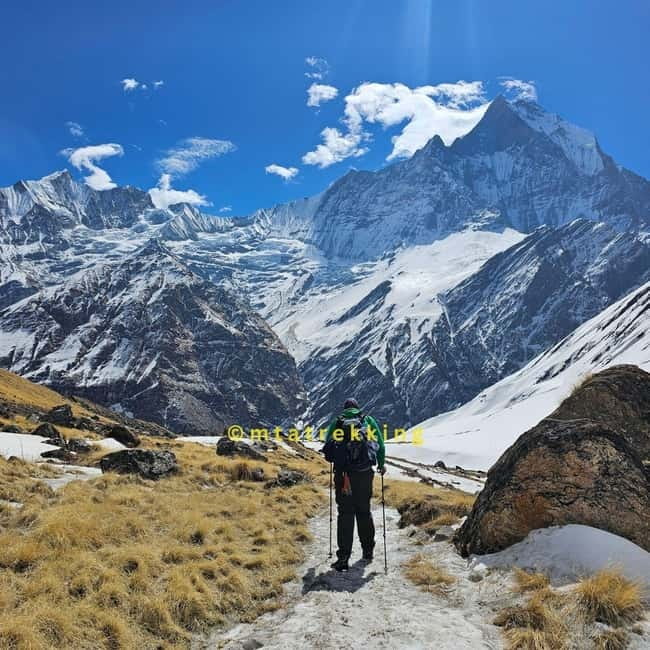
You’ll go via Machhapuchhre Base Camp, which sets you up for views of Fishtail Peak (Machhapuchhre). That detour is valuable because it gives you a “preview” of the dramatic Annapurna Massif feel before you even step into the Base Camp area. It’s one of those pacing choices that makes the final arrival more meaningful.
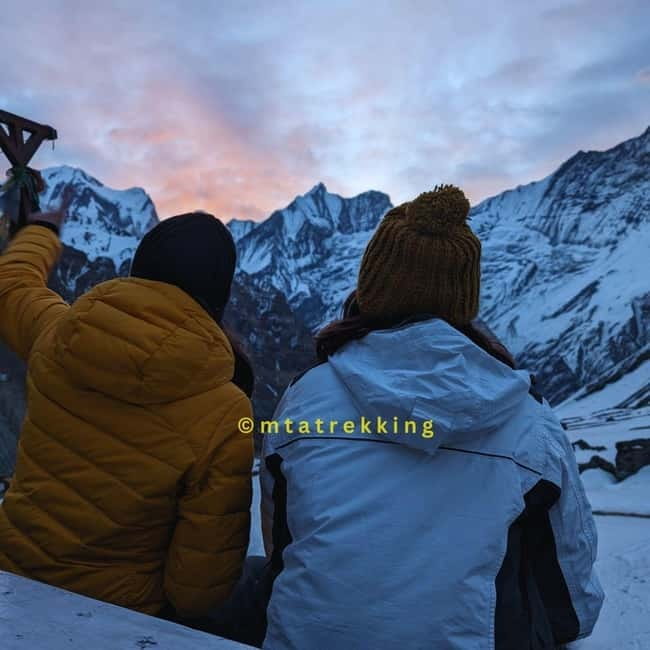
Then you arrive at Annapurna Base Camp, surrounded by the peaks of the Annapurna region. This is the payoff moment, and it’s also the moment your brain goes quiet. One guide-led detail that stands out in the program’s feedback is the idea of a sunrise moment in front of the south face of Annapurna. Even if you don’t plan for perfect conditions, it’s the kind of day-ending or early-morning experience that turns effort into memory.
Day three reality check: it’s shorter in hours than day two, but you are climbing to the highest point on the trek. So don’t let the time estimate fool you. Keep moving steadily, breathe calmly, and let your guide manage your effort.
Day 4: Panoramas at Base Camp, then down to Bamboo (2,400 m)
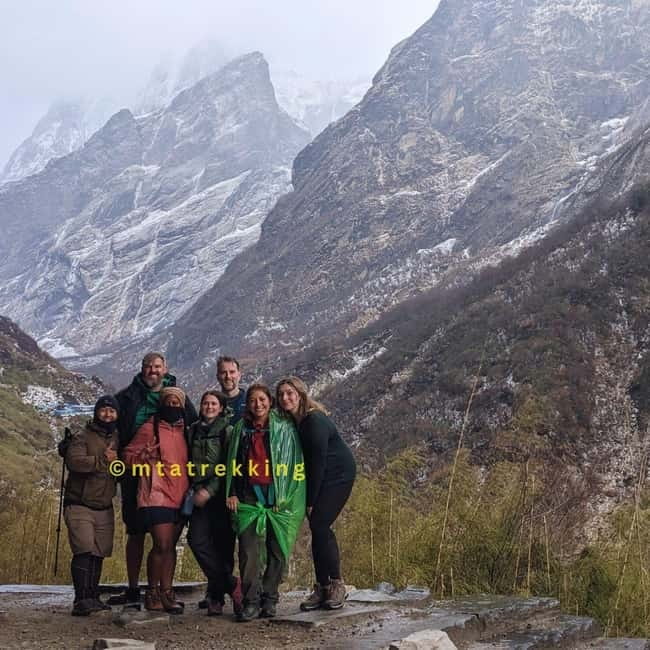
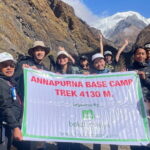
Day four is a breather in altitude terms, but it’s not a rest day. You spend time in the Annapurna Base Camp area for photos and mountain panoramas, then you hike down to Bamboo at 2,400 meters.
This is a great structure. Base Camp isn’t just a checkbox. You get time to take in the massif, settle into the altitude experience, and enjoy the sensation of finally being “there.” Then the descent begins, which helps your body recover.
The route down also helps you see the trek with different eyes. On the climb, everything is about breathing. On the descent, you notice footwork, sound, and the rhythm of the path. You’re moving back through changing terrain, and Bamboo becomes the logical reset point for the last night.
Potential drawback: weather can change fast, especially in higher areas. If the mountain is clouded in, you’ll still have the views when it clears at the times your guide suggests. But if it never clears, you may need to accept “expectation management” and focus on the experience of being there anyway.
A few more Kathmandu tours and experiences worth a look
Day 5: Bamboo to Pokhara, plus optional Jhinu Hot Springs
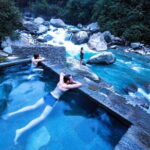
On day five you hike from Bamboo back toward the route return, with Jhinu hot springs as an optional stop on the way. Then you transfer back to Pokhara, where you’ll end at Lakeside.
There’s a reason this structure feels satisfying. You finish your hardest altitude day on the way to Base Camp, you recover overnight at Bamboo, and then you get a final “comfort moment” before city life again.
The hot springs option is not just a nice add-on. On a trek like this, your legs do most of the work and your feet pay the price. A hot soak, if you choose it, can help you feel human again.
Logistics note: you do have vehicle time at the start and end of the trekking window. That’s good value because it reduces wasted hours while keeping the trek itself meaningful.
Guides and private-group support that keeps you on track
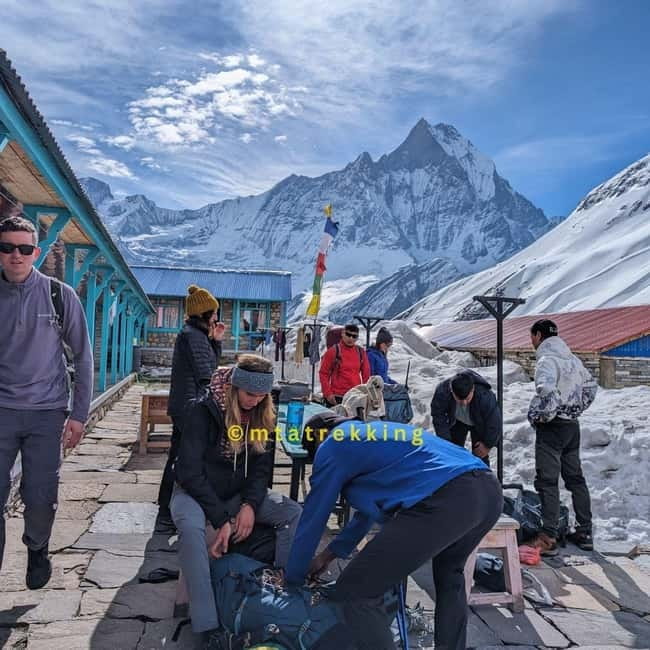
This trek runs with a professional trekking guide, in English. You’re also in a private group, which matters more than people think. With a small group, your guide can adjust pacing based on your breathing, your comfort, and your confidence on steep sections.
The feedback names for guides that come through in this program include Santosh, Prabit, and Ramit. What stands out is the pattern of attention: guides who are kind and friendly, who explain mountains and culture, and who manage the plan so you do not overexert yourself.
That last part is the difference between finishing and feeling wrecked. Even on a 5-day trek, effort needs management. I like that the program focus is not just moving from point A to point B, it’s making sure you’re prepared and able to keep going.
Price and value, from permits to tea house nights
The listed price is $136 per person for a 5-day trek. For Nepal trekking, the real question is what you get for that money and what you pay extra.
Included:
- Tea house accommodation
- Meals, if you choose the full board option
- Hotel pickup and drop off from Lakeside Pokhara or Pokhara International Airport
- Private transport from Pokhara to the last road (Siwai) and back
- Annapurna Conservation Area (ACAP) permit
- Government permits, TIMS, and taxes
- Professional trekking guides (government registration)
- First aid kit
- Luggage storage facility in Pokhara during the trek
Not included:
- Hot shower, Wi-Fi, drinks, and mountain extras like water laundry
- Porter service at $20 per day
- Rescue and insurance
Value take: including permits, transport, and a guide is a big deal. These are the kinds of costs that can quietly add up if you try to self-organize. Also, luggage storage and pickup help you avoid extra local hassles. If you’re traveling with limited time in Nepal, that convenience is worth something.
What you should plan for: porter costs and personal items. If you want a lighter pack, budget for the porter. And if you care about comfort, remember mountain hot showers and Wi-Fi are paid or inconsistent, so plan around that.
Fitness, altitude, and monsoon timing: plan like an adult
The trek peaks at 4,130 meters, so altitude sickness is described as rarely happening, but it’s still a possibility. This is the part you should not treat casually.
Here’s the practical way to think about fitness for this trek:
- You need enough stamina for roughly 5 to 6 hours of hiking on days one and two.
- You need the mental patience to keep walking steadily on day three, even though the trek time is shorter.
- You need enough balance for descent days and for uneven village paths.
Also, weather matters. During monsoon season (June to August), rainfall can be heavy and erratic. You’ll need the right gear and you should follow your guide’s advice closely if conditions shift.
Leeches are mentioned as a nuisance during monsoon season. The practical prevention tips in the program info are clear: wear long pants tucked into gaiters and use insect repellent. It sounds basic, but it works.
Not suitable:
- pregnant women
- people with mobility impairments
- wheelchair users
- visually impaired people
- people with altitude sickness
- people over 70 years
If any of those apply, skip this option. Pick a route that matches your needs, not a harder route with wishful thinking.
What to bring for comfort at altitude
You don’t need fancy gear, but you do need the basics that keep you warm and stable.
Bring:
- comfortable shoes (proper traction helps a lot)
- change of clothes
- comfortable clothes for layers
- cash
- passport or ID card (a copy is accepted)
My extra advice, based on what matters on ABC-style routes:
- pack for cool nights and possible rain if you’re trekking in monsoon months
- bring a reliable water plan, since mineral water and hot shower needs are not included
- expect that Wi-Fi might be limited or an extra purchase, so save your energy for the trail
Culture along the way: Gurung villages you actually pass through
The trek isn’t just about peaks. You also move through villages where you can see how people live in the Annapurna region. The program highlights Gurung culture and traditional village life, and that shows up in the slow, human tempo of the route.
Even a short encounter at a tea house or a village stretch gives you context for what you’re trekking through. You’ll likely notice terraced agricultural patterns in lower zones and forested stretches as you climb. It’s a reminder that these trails are part of real communities, not just scenic lines for hikers.
If you want a meaningful experience, ask your guide simple questions. What crops grow here? What do people do in the off season? You’ll learn faster than by trying to read the scenery from a distance.
Should you book this Annapurna Base Camp trek?
If you want a focused 5-day ABC trip that includes permits, guide support, and tea house lodging, this is a strong fit. It’s also a good choice if you like clear structure: pickup handled, transport arranged, and a route that includes a hot springs reset at Jhinu.
I’d especially recommend it if you’re new to Himalayan trekking and want a private guide who can help you pace the climb to 4,130 meters without burning out early. The detour via Machhapuchhre Base Camp is another reason to consider this specific option, because Fishtail Peak views are a big part of why many people fall in love with this region.
I would not book it if you’re in one of the listed “not suitable” groups, or if you know you struggle with altitude. And if you expect luxury comforts like hot showers and easy connectivity, plan for extra costs and simpler mountain routines.
If you want my simplest decision rule: book it if you’re ready to hike, ready to layer up, and ready to respect the altitude. Skip it if you want a low-effort tour. This is the real mountain version of a short trek.
FAQ
What is the highest altitude reached on this trek?
Annapurna Base Camp is reached at 4,130 meters (13,550 feet).
How long is the trek?
The experience is 5 days and includes 4 nights.
Where does pickup happen?
Pickup is available from any hotel in Lakeside Pokhara and from Pokhara International Airport.
What kind of accommodation is included?
Tea house accommodation is included during the trek.
Are meals included?
Meals are included if you choose the Full Board option.
What permits are covered?
The Annapurna Conservation Area (ACAP) permit is included, along with TIMS and other government permits and taxes.
Do I need a porter?
A porter is not included. Porter service costs $20 per day if you decide to add it.
Is there an English-speaking guide?
Yes, there is a live trekking guide in English.
Is Jhinu hot springs part of the route?
Jhinu Danda hot springs are included as an optional stop on the final day during the return toward Pokhara.
Can I cancel for a full refund?
Yes, cancellation is free up to 24 hours in advance for a full refund.
More 5-Day Experiences in Kathmandu
More Hiking & Trekking Tours in Kathmandu
More Tour Reviews in Kathmandu
Not for you? Here's more nearby things to do in Kathmandu we have reviewed


Annapurna Treks from Kathmandu, compared.
 ★ 5.0Annapurna Circuit Trek with Tilicho LakeFrom $1,093368 reviews
 ★ 5.0Annapurna base camp trek 5 DaysFrom $699252 reviews
 ★ 5.0Annapurna Base Camp TrekFrom $935111 reviews
 ★ 5.0Kathmandu to Annapurna Base Camp (ABC) 5-Day TrekFrom $99102 reviews
 ★ 5.0Annapurna Circuit TrekFrom $1,17594 reviews
 ★ 5.04 Days Poon Hill TrekFrom $40594 reviews
 ★ 5.0Annapurna Base Camp Trek 12 DaysFrom $80085 reviews
Annapurna Base Camp TrekFrom $78581 reviews
★ 5.0Annapurna Base Camp Trek 12 DaysFrom $80085 reviews
Annapurna Base Camp TrekFrom $78581 reviews
Browse the lists this tour appears in