
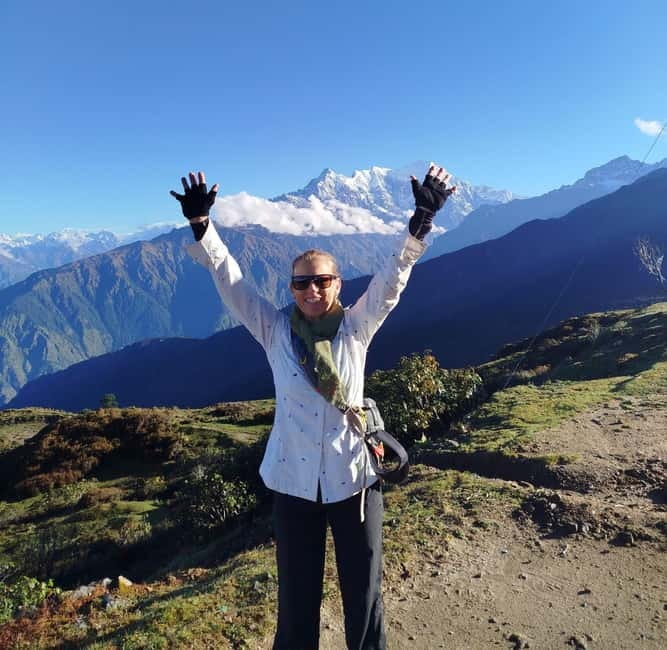
REVIEW · 5-DAY EXPERIENCES
From Kathmandu: 5-Day Gosaikunda Lake Trek
Gosaikunda hits hard, fast, and high. I love how this short trek packs serious altitude with Langtang National Park trail time, then lands you at the sacred glacial lake of Gosaikunda (4,380m).
The other big win is the small group size, so your guide can give real attention to pace and safety, like Ohm, Terence, or Raj do when they run these routes. The only drawback I’d flag is the steep ascent and the thin air at altitude, so it’s not the place to take it easy if you’re already struggling on climbs.
Key Things That Make This Trek Worth Your Time
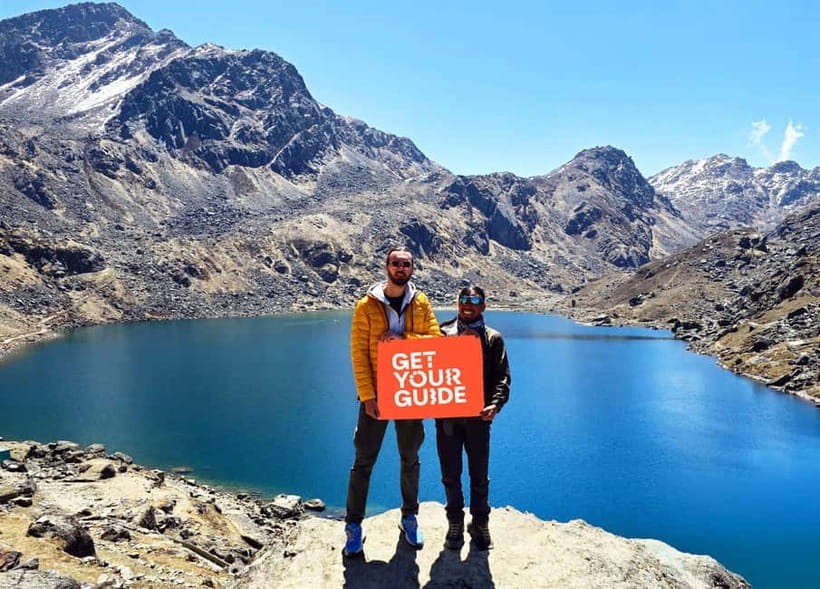
- A focused goal in 5 days: Gosaikunda Lake at 4,380m is the main event, not just a side stop.
- Langtang National Park on foot: you hike through rhododendron, pine, and bamboo forest belts.
- Side lakes near Gosaikunda: Bhairav Kunda, Chandra Kunda, and Saraswati Kunda are part of the day’s exploration.
- Gear loan included: you can borrow a down jacket, sleeping bag, and trekking poles, which saves you money and hassle.
- Small group with an experienced licensed guide: you get route know-how plus constant check-ins for comfort and safety.
- Transport plus permits handled: bus transfers between Kathmandu and Dhunche, plus TIMS and trekking permits, are included.
Why Gosaikunda Feels Like a Real Nepal Trek in Just 5 Days
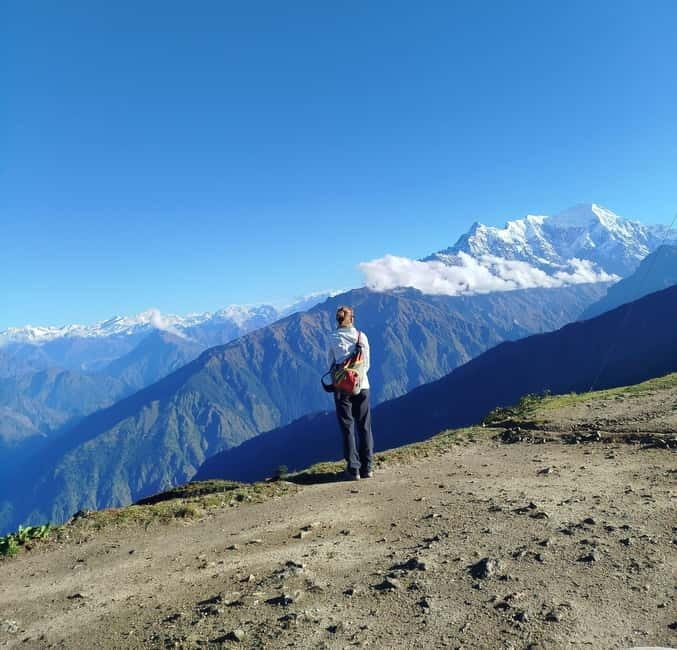
This is a short trek, but it does not feel watered down. You start at Dhunche, climb up through mountain villages and forest, then spend the highlight day at Gosaikunda, a sacred glacial lake where water eventually feeds the Trishuli River.
What makes the place special is also practical for your trip planning. Because the lake stays frozen in winter and melts later to feed the river system, the season and sky conditions really matter for how good the views feel.
If you want a Nepal trekking taste without committing to weeks, this hits a nice balance. It’s intense enough to feel earned, but brief enough that you still return to Kathmandu on day 5.
You can also read our reviews of more hiking tours in Kathmandu
Kathmandu to Dhunche: The Long Drive That Sets Expectations
Most trek plans fail in one way: you arrive at the trailhead already tired and underprepared. Here, the day begins with hotel pickup in Kathmandu, then you ride by bus toward Dhunche.
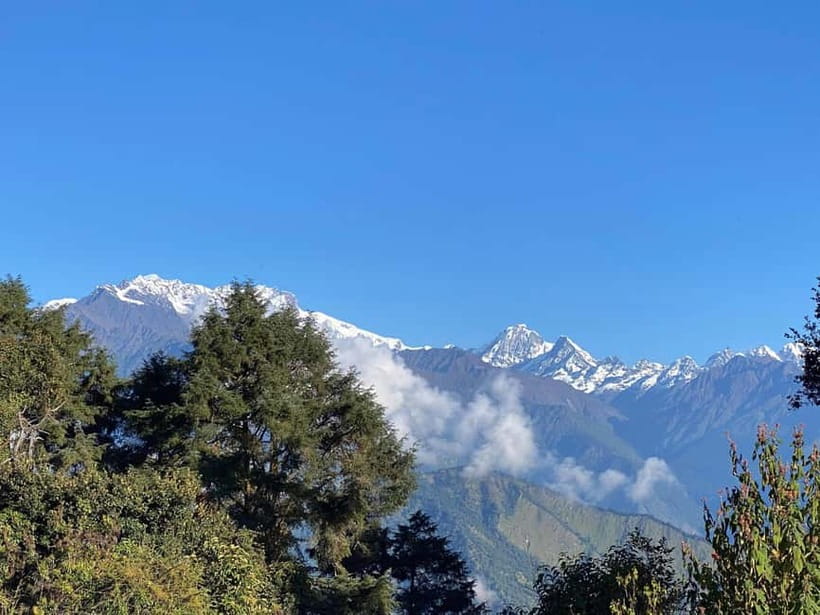
The drive can take about 5 to 6 hours, which is long, but it helps you settle into the region. During the journey you’ll pass through terraced fields and lush hills, with mountain views popping along the way, including Manaslu, Ganesh, and Langtang.
Dhunche also gives you a mental starting line. It’s where the trek actually begins, so by the time you lace up your boots, you’ve already done the first big transition from city life to mountain pace.
Day One Up to Deurali (2,790m): Brisk, Not Easy
Day one is your warm-up day, but it’s not a sleepy stroll. After a short break in Dhunche, you hike toward Deurali, with the trek taking around 2 hours.
Deurali sits at about 2,790m, so even early in the trip your body starts adapting. I like this structure because it avoids the worst mistake, which is starting too hard on the first day without any ramp-up.
Your first night is at a mountain guest house in Deurali. That matters because your next day rises again, so you’re better off with a comfortable base rather than trying to push too far before you’re ready.
Chandanbari to Laurebina (3,910m): This Is Where Your Legs Learn
Day two starts with breakfast and a quick guide briefing. Then you move toward Laurebina via Chandanbari, and this is where the trek earns its reputation for being short but intense.
The climb is described as following a steep path. You’ll be going uphill for a while, and the altitude climbs too, with Laurebina at around 3,910m.
I’d treat this day as your “gear and breathing check.” If your pace feels too aggressive, it’s a good time to slow down, because pushing hard on steep ground at higher elevation is the fastest way to get grumpy and fatigued.
Your second night is at a mountain guest house in Laurebina. At this point, you’re close enough to the main lake day that you can feel the excitement building, but far enough to respect the altitude.
Gosaikunda Day Trip From Laurebina: The View Day With Spiritual Weight
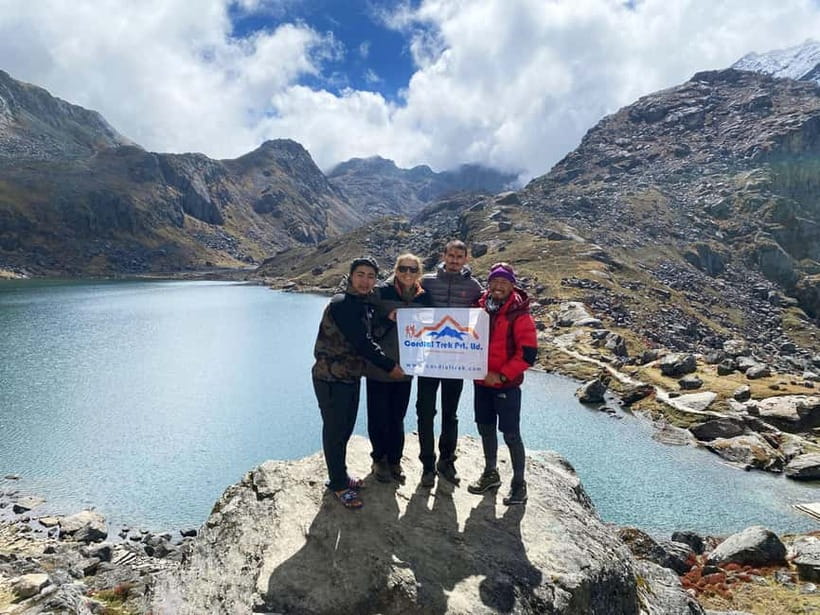
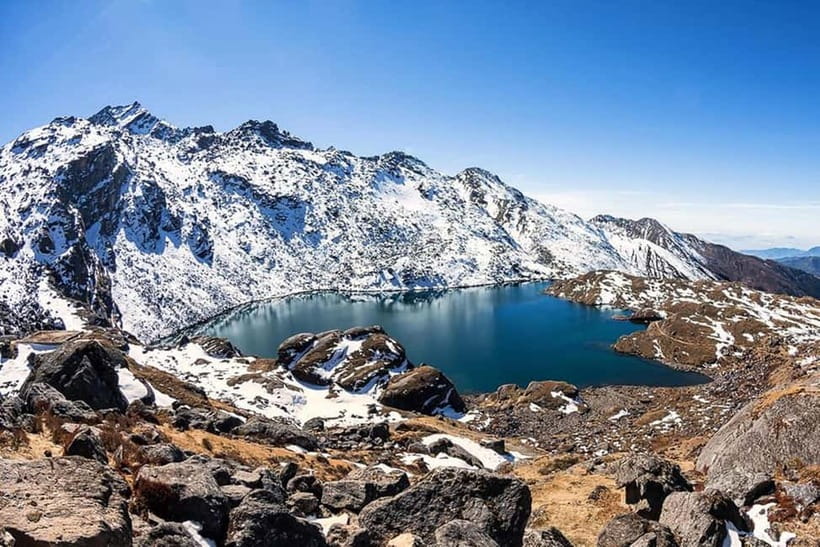
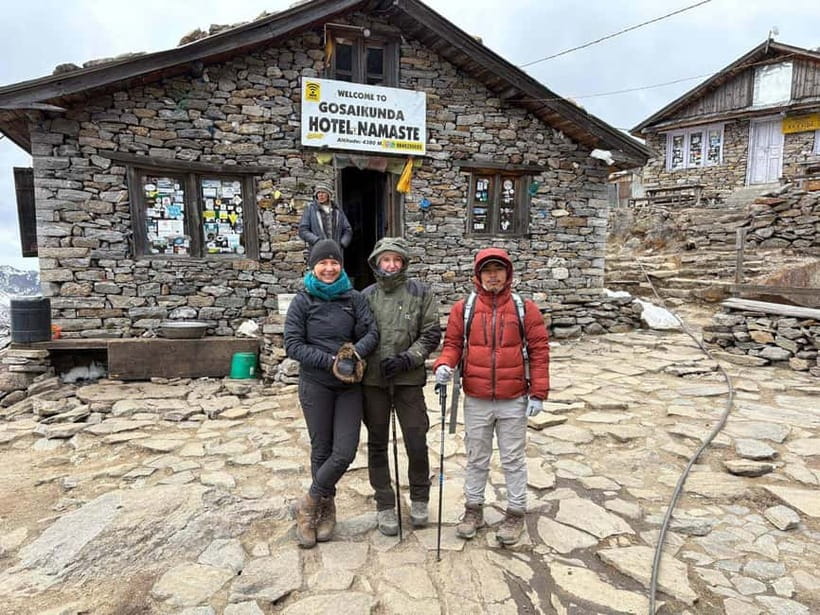
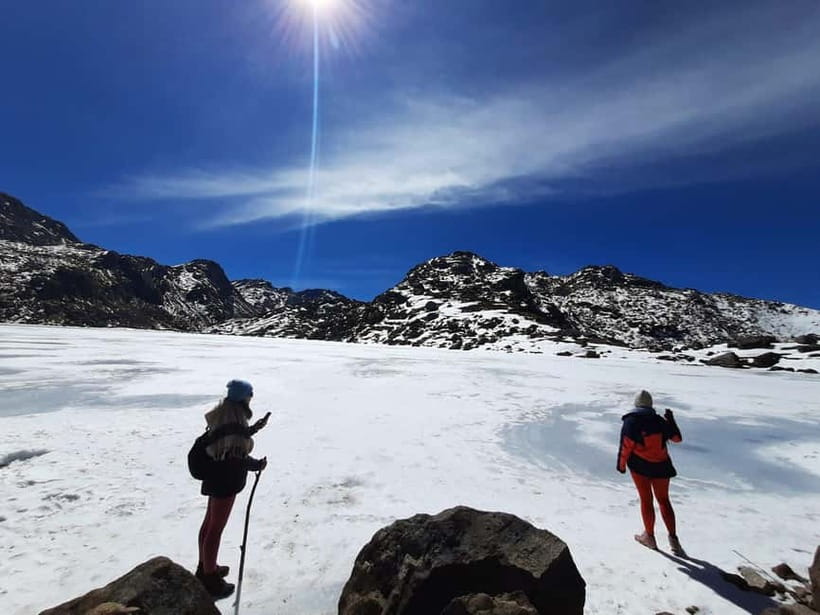
Day three is the headline: a hike to Gosainkunda, also called Gosaikunda, which sits at 4,380m. You go up, explore, then return to Laurebina for the night.
This lake is more than a pretty photo stop. It’s an alpine freshwater oligotrophic lake in Langtang National Park, and it melts to feed the Trishuli River, while remaining frozen during winter. That winter detail matters because it links the place to the wider landscape and seasons, not just to trekking hype.
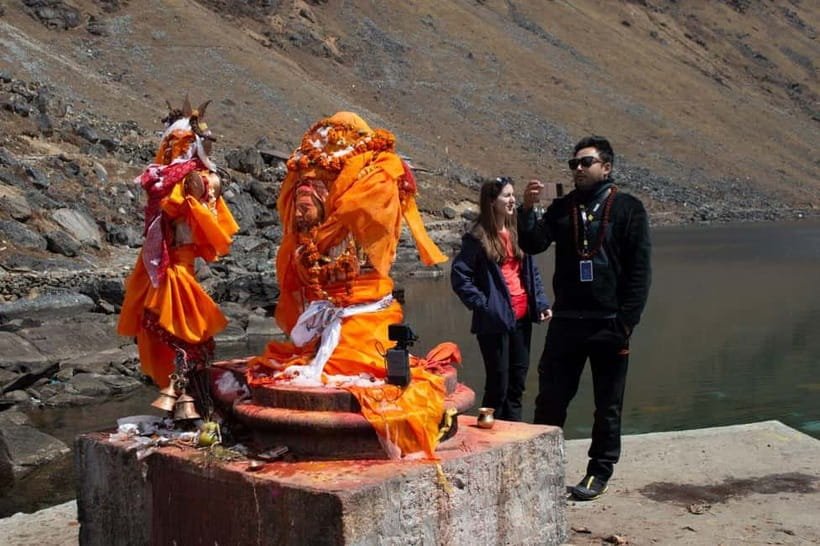
You won’t just focus on one lake either. The plan includes exploring other nearby lakes too: Bhairav Kunda, Chandra Kunda, and Saraswati Kunda. If you’re the kind of traveler who loves meaning as much as views, this side-lake wandering is a great way to slow down and notice how the area is organized.
And yes, the Langtang range shows up in the background in a big way. The best part is that you get that central Himalaya perspective on a day that’s already the emotional center of the trek.
One consideration here: if the weather is cloudy, you’ll feel the difference immediately. The entire trek is described as best when skies are predominantly clear, so plan to treat your main lake day like the day that deserves clear skies the most.
A few more Kathmandu tours and experiences worth a look
Forest Descent Back to Dhunche: Where the Trek Turns Pleasant
By day four, you start descending. That change alone can feel like a victory, especially after the big altitude step of the previous days.
You hike down gradually through rhododendrons, pine, and bamboo forests. This is the kind of variety that keeps short treks from feeling repetitive, because your senses get new inputs every few turns in the trail.
You also cross a river during the descent to reach Deurali again, and then continue down toward Dhunche for your night halt. The river crossing is worth treating with care since it can add friction to your footing when you’re already tired.
If you want a small silver lining, this is when the hike often feels more forgiving. Your goal becomes rhythm and balance rather than constant uphill effort.
Day Five Drive Back to Kathmandu: A Smooth Finish
After breakfast on day five, you drive back to Kathmandu. The listing notes Kathmandu sits at about 1,350m, so you’ll feel the drop as you travel.
Once you reach the bus station, you get transferred to your hotel. This matters because it turns the trek into a complete loop. You’re not left figuring out last-mile transport while you’re low on energy.
This day is also when you start processing what you saw. For me, the mental highlight is always the contrast: forest day, steep climb day, high lake day, then back to traffic and time pressures.
Price and Value: What You’re Really Paying For at $179
$179 per person can feel like a bargain or a question, depending on what you usually pay for guides and permits. Here, the value is strongest because a lot of the annoying logistics are bundled in.
What’s included:
- Hotel pickup and drop
- An experienced licensed trek guide
- 4-night accommodation at mountain guest houses
- Full board meals for the inclusive option (4 breakfasts, 5 lunches, 4 dinners)
- Bus transport Kathmandu to Dhunche and back
- Trekking permits and a TIMS card
- Loan equipment (a down jacket, sleeping bag, and trekking poles)
- First aid (if needed)
- Company t-shirt
- Government tax and service charges
- Water purification tablets (as required)
That gear loan is a real deal. If you’d otherwise rent or buy a down jacket and sleeping bag, the included option helps you travel lighter and spend less before you even reach the mountains.
What’s not included:
- Personal expenses
- Meals for the budget option
- Travel insurance (recommended)
- Porter option (available as an add-on)
My practical take: if you’re planning to rent gear, pay for permits, and handle transport on your own, this bundled rate starts to look like a straightforward way to protect your time. You’re paying to reduce uncertainty, not just to walk uphill with a view.
Guide Quality: Why Safety and Storytelling Matter on This Route
The best thing about this trek is not only the scenery. It’s how your guide runs the days.
You’ll have an English, Hindi, or Icelandic live tour guide, and the experience emphasizes an experienced licensed trek guide throughout. That matters because you’re operating at elevations like 2,790m, 3,910m, and 4,380m, plus a steep path to Laurebina.
The reviews also point to guides who keep things engaging without turning the hike into a lecture. Some guides, like Ohm, are described as informative and upbeat, with lots of interesting facts and even playful video moments. Others, like Terence, are praised for safety-first leadership and accommodation with plans. Raj and Terens are described as communicating well and keeping the group motivated.
So if you care about more than checklists, you’ll likely enjoy having someone who can answer questions on the trail and keep your group focused when the uphill gets demanding.
What to Pack (When the Trek Loans Key Gear)
The basics are simple. The plan lists what to bring: passport, camera, and cash.
It also makes one smart move for you. You can borrow a down jacket, sleeping bag, and trekking poles. That means you can travel with less bulk than you might for other high-altitude treks.
Still, you should plan around altitude and time outside. You’re hiking up to 4,380m, and the lake area is part of a region where winter freezing is part of the natural cycle. That’s a polite way of saying you should expect cold conditions at elevation when the sky turns.
If you want the best photos, bring your camera. The Langtang range views are a big selling point, and the lake day is where the light usually feels most dramatic.
Best Season for Views in the Langtang Sky
The trek is offered throughout the year, but it’s best enjoyed when skies are predominantly clear. That line is more than marketing.
When clouds roll in, you lose the central Himalaya view that makes the climb feel worth it. Clear skies help you see the Langtang range more sharply and make the high lake day feel bigger.
If your schedule is flexible, I’d build your trip around a window when weather is likely to cooperate rather than locking yourself into a random week.
Who Should Do This Trek, and Who Might Need a Different Plan
This trek is not for everyone.
Not suitable for:
- Children under 10 years
- People with mobility impairments
- People over 309 lbs (140 kg)
It’s also built for active hikers who can handle a steep ascent and a multi-day change in altitude. If you’re prone to getting wiped out on climbs, you might want a longer acclimatization hike instead.
If you do fit the basics, you’ll probably love it most if you want:
- A short trek with a clear target
- A guided experience through Langtang National Park
- A mix of culture and nature, plus meaningful lake stops
Should You Book This 5-Day Gosaikunda Lake Trek?
If you want a focused trek, this is a strong choice. The route climbs quickly to Gosaikunda at 4,380m, includes side lakes, and gives you forest hiking on the return. For many hikers, the included loaned gear and bundled permits plus transport make it easier than cobbling together your own plan.
I’d only hesitate if you know you struggle with steep hikes or altitude. In that case, you might enjoy a different itinerary that builds elevation more slowly.
If you’re ready for an honest 5-day mountain effort and you care about seeing Langtang range views from a sacred high lake, booking this trek makes a lot of sense.
FAQ
How long is the Kathmandu to Gosaikunda trek?
It runs for 5 days.
What is the highest altitude on this trek?
The maximum altitude is 4,380m at Gosaikunda.
What’s included in the price for $179 per person?
The package includes hotel pickup and drop, a licensed trek guide, 4 nights in mountain guest houses, full board meals for the inclusive option, bus transport between Kathmandu and Dhunche, permits and a TIMS card, loaned equipment (down jacket, sleeping bag, trekking poles), first aid if needed, a company t-shirt, taxes and service charges, water purification tablets, and a duffel bag for the porter option.
Are permits and TIMS card included?
Yes, necessary trek permits and a TIMS card are included.
Do I get trekking equipment with this tour?
You can borrow a down jacket, sleeping bag, and trekking poles.
What meals are included?
For the full board inclusive option, you get 4 breakfasts, 5 lunches, and 4 dinners. Meals are not included for the budget option.
Which languages is the guide available in?
The live tour guide is available in English, Hindi, and Icelandic.
Who should not book this trek?
It is not suitable for children under 10 years, people with mobility impairments, or people over 309 lbs (140 kg).
More 5-Day Experiences in Kathmandu
More Hiking & Trekking Tours in Kathmandu
More Tour Reviews in Kathmandu
Not for you? Here's more nearby things to do in Kathmandu we have reviewed


5-Day Experiences, compared.
 ★ 5.0Annapurna base camp trek 5 DaysFrom $699252 reviews
 ★ 5.0Kathmandu to Annapurna Base Camp (ABC) 5-Day TrekFrom $99102 reviews
 ★ 4.9Kathmandu/Pokhara: 5-Day Annapurna Base Camp (ABC) TrekFrom $9672 reviews
 ★ 5.05 Day Private Guided Trekking in Annapurna Base CampFrom $22525 reviews
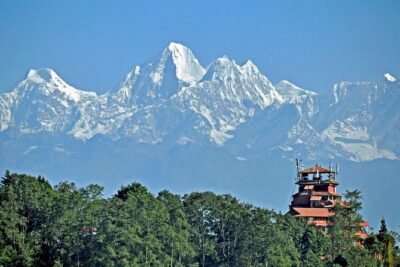 ★ 5.05-Day Sunrise Tour in Kathmandu Near EverestFrom $37012 reviews
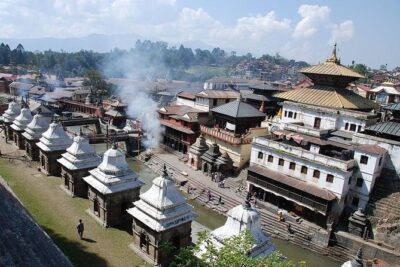 ★ 5.05 Days Hiking, Tour, Meditation and Yoga Retreat in Kathmandu, NepalFrom $58610 reviews
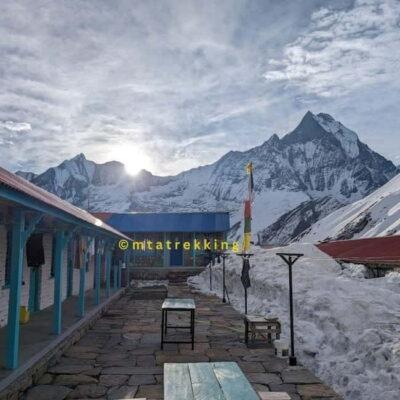 ★ 5.0Pokhara: 5-Day Annapurna Base Camp (ABC) TrekFrom $1369 reviews
 ★ 5.0Pkr/Kathmandu: 5-Day Annapurna Base Camp & Hot spring TrekFrom $606 reviews
Browse the lists this tour appears in