
REVIEW · EVEREST BASE CAMP TREKS FROM KATHMANDU
Everest Base Camp Trekking – 13 Day
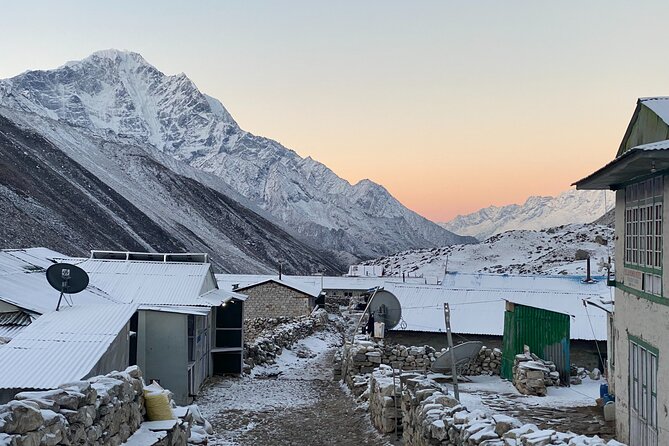
Everest starts with one loud takeoff. This 13-day Everest Base Camp trek is interesting because it bundles the big moving parts, like flights to Lukla and guided lodge stays with meals, into one plan. I like not having to chase logistics after landing in Kathmandu, and I like how the route threads classic Everest landmarks like Namche Bazaar, Tengboche, Dingboche, Lobuche, and Kala Patthar. One thing to consider is that it does not include travel or helicopter-evacuation insurance, and Kathmandu meals are on you.
What really makes this package work is the rhythm of the schedule. You get rest and acclimatization days in places like Namche Bazaar, plus another acclimatization day later, so you are not just grinding uphill day after day. It also runs as a private trek for your group, which gives you a better chance of pacing your hike to your comfort level.
Key things that make this trek worth your attention
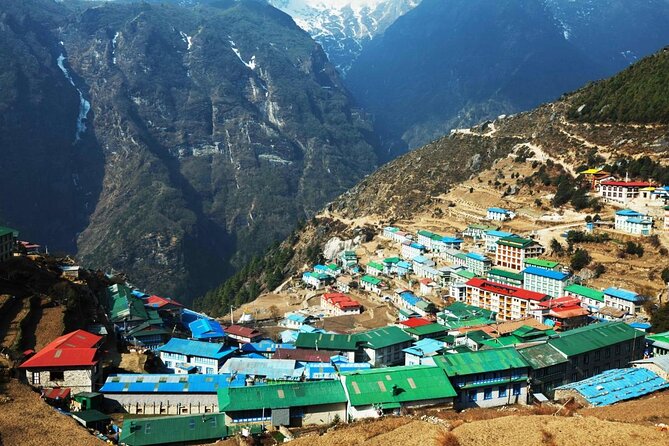
- Kathmandu to Lukla flights included, so your trek truly starts on Everest time, not bus time
- Private trek for only your group, with room to personalize your itinerary with your guide
- Meals and nightly lodge accommodation covered on the trek route, which cuts mental load fast
- Acclimatization is built into the plan, including rest and short hikes in Namche and later on
- Big viewpoint milestones included, from Kongde Ri views to Kala Patthar and the Base Camp push
- Guides with strong time-management skills, with examples like Milan and Dibash noted for clear daily pacing
Why this 13-day Everest Base Camp plan feels easier than DIY
If you want the Everest Base Camp experience without turning your vacation into a spreadsheet project, this style of package helps a lot. The trek is set up around nightly stays in trail lodges, and most meals are handled, so your energy stays on hiking, not hunting down dinner.
I also like that it is framed as a private trek. That matters because Everest itineraries are not one-size-fits-all. Your guide can adjust pace based on how you feel each morning, and you get the kind of attention that makes altitude days less stressful.
The tradeoff is that you are buying into a specific route and timeline. So if you want to move at lightning speed, or you dream of major detours that add extra nights, you may need to adapt through your guide rather than freely rewrite everything yourself.
You can also read our reviews of more hiking tours in Kathmandu
Day 1 Kathmandu: airport reception, then sleep like a normal person
Day 1 is focused on getting you settled. You are met at Tribhuvan International Airport in Kathmandu by a representative from Nepal Trekking Planner and taken to your hotel after you handle customs formalities.
This part is underrated. You arrive in a place where paperwork, SIM cards, and money changes can eat time fast. Having reception and escort means you can keep your first evening calm, which helps when your next day starts early for Lukla.
Day 2 to Lukla: the gateway flight that sets your pace
On day 2, you organize trekking equipment and pack your bags the day before, because you leave early for Lukla, the trek gateway. Then comes the key jump, the scenic flight from Kathmandu to Lukla, and after that your hiking days truly begin.
Here is the practical angle: your biggest risk on day 2 is not the altitude yet, it is arriving tired and cold and then pretending you are fine. Take it seriously. Keep your layers ready, keep water in reach, and treat this first hike day like a warm-up, even if you feel excited.
Days 3 to 5: the Dudh Koshi to Namche Bazaar grind, with big views
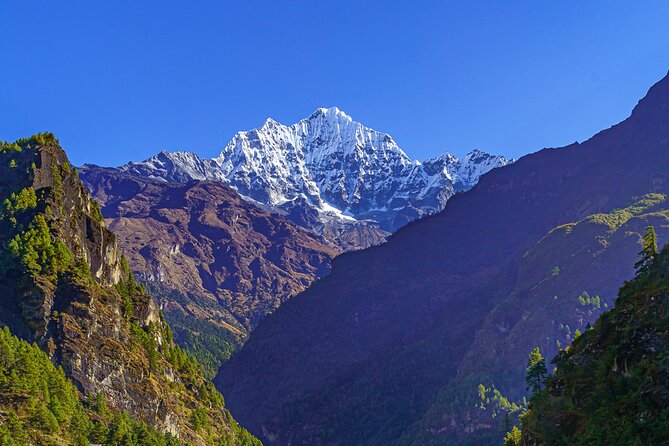
Day 3 starts you trekking alongside the Dudh Koshi River toward Namche Bazaar. You get the first real sense that Everest is not a concept, it is a place, with views of Kongde Ri Peak and passes over suspension bridges that make the trail feel both dramatic and fun.
Day 4 is your rest and acclimatization day in Namche Bazaar. The point is to help your body adapt before you climb higher. It also gives you human moments, like time in local shops, and a chance to feel the town’s steady pulse. (If your timing matches, you may be able to catch activity linked to the Saturday market scene mentioned in the plan.)
Day 5 is when the trail starts asking more from you. You begin with a short but steep climb out of Namche, then transition onto a more leveled route through forested sections, reaching settlements like Kenjoma and Sanasa. This is the kind of day that builds confidence. You are not yet at extreme altitudes, but you are already learning how your legs respond to consistent uphill walking.
Acclimatization days in Namche and Dingboche: the smart pacing trick
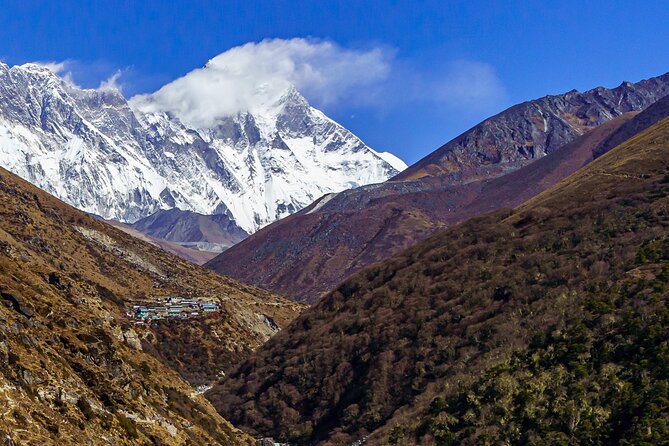
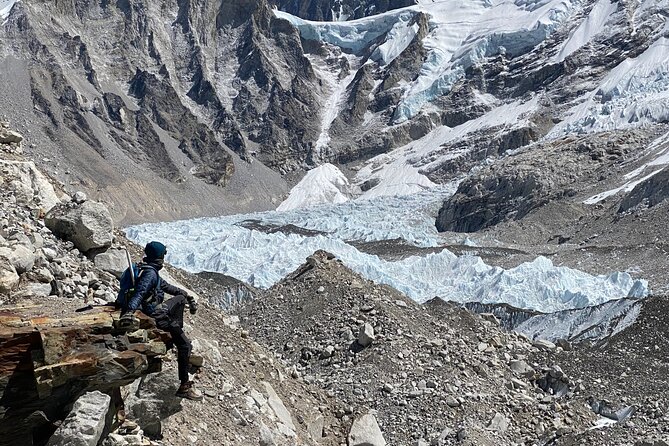
Acclimatization is the secret sauce in this itinerary. Day 4 in Namche Bazaar is the first big checkpoint. It is not random downtime, it is scheduled to reduce the risk that you rush upward too fast.
Then you get another acclimatization day around day 7. The plan uses rest in the trekking rhythm in the Dingboche area, plus short hikes to higher altitudes so you can adapt while still getting guidance on what your body needs. This is where a good guide makes a real difference, because they will push the pace only as far as your safety allows.
One caution: the itinerary repeatedly flags altitude effects, including acute mountain sickness considerations. So take acclimatization days seriously even if you feel fine on paper. If you start to feel off, you want to slow down quickly, not later.
Days 6 to 8: Tengboche vibes, Dingboche altitude, and the chortens and mani walls
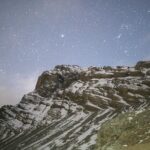
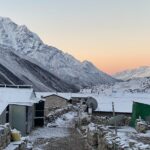
Day 6 shifts you deeper into the Khumbu route. You leave the Tengboche area, with the plan specifically calling out those classic sunrise and sunset moments in the region, then head toward Dingboche. Along the way, you descend from Dingboche to reach Deboche, which is described as offering beautiful views, then continue onward.
Day 7 continues the acclimatization approach. You use the day for short hikes to higher altitudes to help your body adjust, before moving on toward the next stretch.
Day 8 is your gradual ascent day starting from Dingboche. You walk through grazing areas with cattle, and you pass chortens and mani walls. Even if you are not focused on carvings and stonework, you will feel the change in the terrain and the way the trail opens up. It is also a nice in-between day, less dramatic than Base Camp day, but still full of Everest energy.
Day 9 to 10: Everest Base Camp from Lobuche, then Kala Patthar
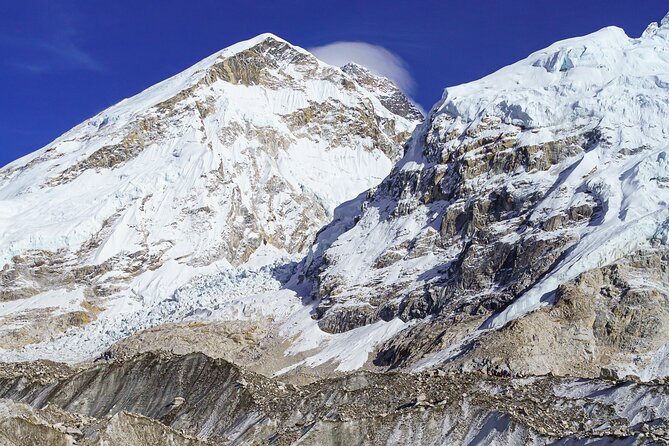
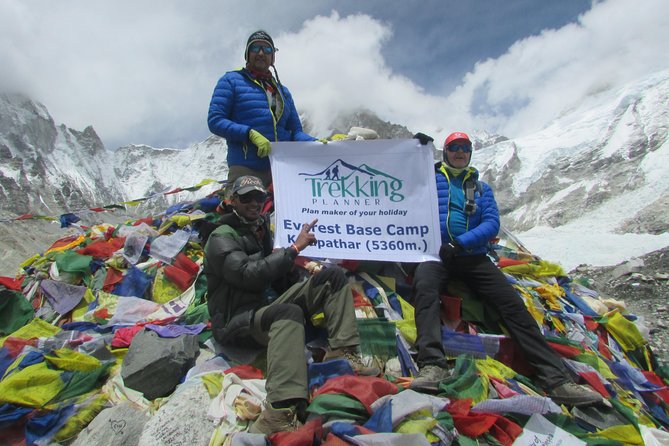
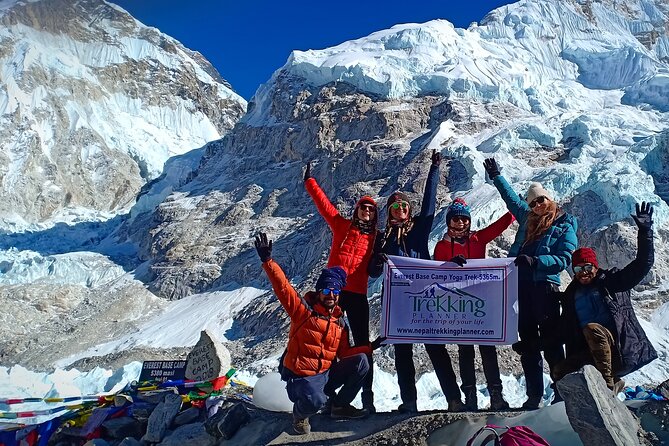
Day 9 is the day you came for, the trek to Everest Base Camp. The plan notes you start early from Lobuche. That timing matters because the higher-altitude section can feel long and thin-air slow. It also means you are more likely to reach key moments earlier in the day when conditions are better.
The itinerary includes a clear warning to be careful with acute mountain sickness. You cannot brute-force Everest. Your job is to trek according to your condition, and your guide’s job is to keep you moving safely. A pace that feels almost boring early is usually the pace that gets you to the places you want to see.
Day 10 is the payoff viewpoint day. You trek to Kala Patthar before returning to lower altitudes. The plan says you get ready with your equipment before day breaks, which is your cue that this is a cold, early start. If you are the kind of person who hates waking up early on vacation, you will still be happy you did this one.
And yes, your legs will complain. That is normal. Just don’t confuse soreness with disaster. If anything feels sharp, then slow down and tell your guide.
Days 11 to 13: downhill toward Namche, then flights home with weather in mind
Day 11 turns you back toward Namche Bazaar on a mostly downhill trek. The plan also highlights the Dudh Koshi River, which is a comforting anchor on the way down because it gives your route a sense of direction and momentum.
Day 12 is your last big descent phase out of the Everest vicinity, heading toward the riverbed area connected to Dudh Koshi. Steeper trails can feel harder than gradual ones, even if the altitude is lower. Expect your knees to get involved, especially if you spend too long striding fast downhill.
Day 13 brings you back to Kathmandu after your stay in the Khumbu region. Flights start early, and the plan notes weather-related disturbances can affect the day, so flexibility is part of the game. When you land, you will feel the contrast immediately. One moment you are in high-altitude cold, the next you are back in city life and you wonder how you ever carried your bag through all that elevation.
Price and value: what you get for $1,399, and what you still pay for
At $1,399 per person, this trek is not budget travel. You are paying for a lot of friction removed: included Kathmandu to Lukla and back flights, national park entrance fees and TIMS card, and taxes as listed. You also get nightly accommodation in trail lodges and meals through the trekking days, plus the structure of a guided experience with private grouping.
It also includes the kind of details that quietly save money: you do not have to separately arrange your base-level permitting items, and the core travel between Kathmandu and Lukla is already handled. That is one of the biggest value points, because flight logistics around Lukla can be time-consuming and stressful.
What is not included is equally important for budgeting. Alcohol is not included, and meals in Kathmandu are not included. You also need personal travel and health insurance, and insurance for helicopter evacuation is not included either. Finally, your Nepal visa fees are not included, so check that well before you go.
Gear, comfort, and how to avoid common trek mistakes
The trek is built for all-weather operation, so your packing should assume cold, wind, and rain risk. The plan’s gear list is detailed, and you do not need to reinvent it. It calls for a mix of warm layers, including a warm woolen cap and either a warm fleece jacket or a puffy jacket, plus a waterproof layer such as Gore-Tex. A raincoat is also recommended.
For footwear and day-to-day comfort, you are advised to bring good trekking shoes and also sports shoes or sandals for downtime. Socks matter a lot at altitude and in cold weather, and the plan suggests multiple pairs of quality socks. For hands, bring gloves and a warm cap, since your body will lose heat fast when you stop for breaks.
Bring a day pack in the 25 to 40 liter range. You will also get a complimentary Trekking Planner duffel bag for you to use for trekking items, and you will need to return it after the trip. For utilities, the plan suggests a headlamp or torch light, and basic toiletries, plus a small hand towel and toilet paper since you can buy poor quality paper along the route.
One small but useful note from the provided guidance: bring only a small towel. Large towels add weight and slow you down.
Who should book this Everest Base Camp trek
This one fits best if you want a clear 13-day structure with meals and lodge nights handled, and if you want to avoid DIY permitting and flight juggling. The route includes multiple acclimatization moments, which helps if you are not used to altitude hiking and you want a plan that respects your body.
It also makes sense if you like planning your trip around a guide’s pacing and daily briefing, especially since the overall itinerary includes early starts on key days and time for rest in between.
If you love total freedom and want to build your own custom Everest version day by day, you may feel boxed in. But the itinerary also notes private treks that can be personalized, so you have some flexibility while still enjoying a ready-made backbone.
Should you book this Everest Base Camp trek?
Yes, consider booking if you want Everest Base Camp without the logistics headache, and if you take acclimatization days seriously. The included flights to Lukla, lodge nights, and meal plan are the kind of value that adds up when you realize how much can go wrong when you plan everything yourself.
I would think twice if you have not budgeted for insurance and Kathmandu meals, or if you are the type who hates following a safety-focused pace. Everest punishes shortcuts, and this trek is designed to help you do it the slower, steadier way.
If you want the classic Everest circuit without turning your trip into a series of last-minute calls, this is a strong match.
FAQ
What is included in the price for this Everest Base Camp trek?
The package includes national park entrance fee and a TIMS card, Kathmandu to Lukla to Kathmandu flights with airport departure tax, and meals during the trekking days (lunch 11 times, dinner 12 times, breakfast 12 times). It also includes all applicable government and local taxes as per the itinerary.
What is not included?
Alcoholic drinks are not included, and meals in Kathmandu are not included. You will also need to cover personal expenses like phone calls and battery recharges, travel and health insurance (including helicopter evacuation insurance), unspecified food and drinks, and Nepal visa fees.
Are flights between Kathmandu and Lukla included?
Yes. Flights from Kathmandu to Lukla and back to Kathmandu are included, with airport departure tax included as well.
Is this trek private?
Yes. It is described as a private tour/activity, with only your group participating.
What fitness level do I need?
The guidance says you should have a moderate physical fitness level.
How does cancellation work?
Free cancellation is available. You can cancel up to 24 hours in advance for a full refund. If you cancel less than 24 hours before the experience start time, the amount paid is not refunded.
More Hiking & Trekking Tours in Kathmandu
More Tour Reviews in Kathmandu
Not for you? Here's more nearby things to do in Kathmandu we have reviewed


Everest Base Camp Treks from Kathmandu, compared.
 ★ 5.0Everest Base Camp Trek – 14 DaysFrom $1,8001,499 reviews
 ★ 5.0Everest Base Camp TrekkingFrom $1,350485 reviews
★ 5.0Everest Base Camp Trek -14 DaysFrom $1,420321 reviews
★ 5.0Everest Base Camp TrekkingFrom $1,350485 reviews
★ 5.0Everest Base Camp Trek -14 DaysFrom $1,420321 reviews
 ★ 5.0Everest Base Camp Trekking – 2025/2026From $1,339199 reviews
 ★ 5.0Everest Base Camp TrekFrom $1,408193 reviews
14-Days Private Everest Base Camp TrekFrom $1,600152 reviews
★ 5.0Everest Base Camp TrekkingFrom $1,350146 reviews
★ 5.0Everest Base Camp TrekFrom $1,300123 reviews
★ 5.0Everest Base Camp TrekFrom $1,408193 reviews
14-Days Private Everest Base Camp TrekFrom $1,600152 reviews
★ 5.0Everest Base Camp TrekkingFrom $1,350146 reviews
★ 5.0Everest Base Camp TrekFrom $1,300123 reviews
Browse the lists this tour appears in