
Annapurna Base Camp, handled with care. This small-group trek stitches together all-inclusive logistics with big Himalayan scenery, and it also leaves time to enjoy Kathmandu and Pokhara. I like that the trip is structured end to end, from airport pickup in Kathmandu to the final bus ride back, so you can focus on walking and taking in the views.
The other thing I really appreciate is the built-in rhythm of the trek. You get meals and lodging included across the journey, which means less time worrying about budgets at altitude and more time enjoying the trail. The one drawback to consider is that even with a guide, this is still a real climb at elevation, so you should come in with moderate physical fitness and realistic expectations.
Key details that matter (before you book)
- A guide who stays on top of route and weather (example: Indra, praised for being attentive and knowledgeable)
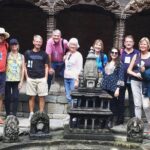
- Small group size, max 10 for a more manageable pace on narrow trails
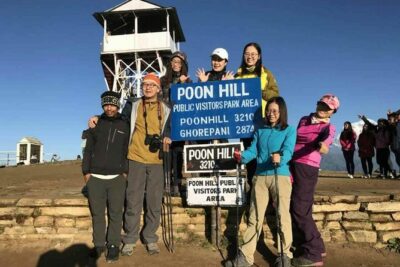
- Poon Hill at 3232m for sunrise views over some very famous peaks
- Suspension-bridge crossings and big “gateway” moments near Chhomrong
- Natural hot spring time included somewhere on the trek route
- Sleeping bag and down jacket provided, then returned after the trek
What You Are Really Paying For: Less Stress, More Trek Time
On paper, Annapurna Base Camp can look simple: walk, sleep, repeat, then reach the goal. In real life, the hard part is not the hiking itself, it is the logistics. Permits, timing, lodging choices, and weather all have to line up. This tour pays for someone else to do that planning for you.
A big part of the value is what is included beyond the guide. You are covered for transportation between Kathmandu and Pokhara and back, you get permits for the Annapurna Conservation Area and TIMS, and you also get support on gear with a sleeping bag and down jacket (returned after the trek). Add accommodation for 10 nights, plus included breakfasts, lunches, and dinners, and the budget pressure drops.
One more practical win: you are going in a small group. That does not mean it is a private trek, but it usually means the experience feels tighter, with fewer people to navigate around on trail sections and in lodges.
You can also read our reviews of more hiking tours in Kathmandu
Kathmandu Arrival: A Clean Start Instead of a Travel Free-For-All
Your trip begins at Tribhuvan Airport in Kathmandu, with a start time listed as 7:15 AM. If you land at the wrong time or get turned around on your own, the first day can get messy fast. Here, airport pickup and drop-off are included, which is exactly what you want after a long flight.
You also get time to explore Kathmandu and later Pokhara. That matters if you do not want your entire Nepal trip to be a shuffle between buses and steep stairs. The goal is not to turn you into a full-time tourist, but to give you a little breathing room, culture, and a chance to enjoy the country beyond the trail.
If you are the type who hates wasting your first day, you will probably like this structure.
Road Trip to Pokhara: River Views and Himalayan Peaks
The first day on the move is a scenic drive along the Trisuli and Marsyangdi River toward Pokhara. The route is described as pretty good, and the scenery is part of the point, including views of Ganesh Himal and Manaslu from the road.
This is one of those days that can feel like a “warm-up,” even though it is mostly driving. It also sets expectations for the trek. In this region, the valleys and river corridors matter, because they shape how the trail climbs and where it gives you relief.
One gentle heads-up: road days can make you stiff. Build in a bit of stretching when you arrive at your lodge, and do an early night if your body likes sleep. You’ll be glad you did on trek day one.
From Nayapul to Tikhedunga: Where the Trek Really Begins
After breakfast at the hotel, you drive to Nayapul (about an hour and a half). Then the hiking begins toward Tikhedunga via Birethanti. The initial section is not just movement, it is a test of how your body handles early altitude and steady effort.
Tikhedunga sits around 1577m, and the route you take funnels you through Birethanti first (about 1065m). That climb pattern is why this first hiking day feels like a ramp up, not a sudden wall. You get time to settle into the rhythm and find your pace.
Practical drawback: this is still a day where you can feel the “stair-step” feeling in your legs. If you tend to go out too fast when you feel good, watch that instinct. The trail will punish enthusiasm later, not on day two.
Ulleri and the First Big Ascent: Steep Hours, Great Payoff
On the following trekking day, you start after breakfast at the guest house. The first two hours are described as a steep ascent, then the trail becomes gentler as you pass Ulleri at about 2070m and continue through Banthanti.
This is the day that helps you understand the Annapurna Base Camp vibe: you do not get constant flat hiking. You get sections that are demanding, then you get relief. That push-and-relax rhythm is what you’ll repeat over the next several days.
What I like about this tour’s structure is that it does not pretend the climb is easy. It prepares you for the pattern early, so later in the trek you can focus on conserving energy rather than guessing.
If you have never hiked at altitude before, this is also the day where your breathing becomes the main project. Go slow. Let your lungs catch up.

Poon Hill Sunrise Day: Famous Views Without a 3 AM Disaster
One of the standout days is the hike to Poon Hill (3232m) for sunrise views. The peaks listed for the sunrise panorama are huge names: Dhaulagiri, Tukuche Peak, Nilgiri, Varaha Shikhar, Annapurna I, and Annapurna South.
This is a powerful combination: you are chasing a sunrise payoff, but the day is still described as a hike of about 6 hours. That makes it more “tuck-it-in” than some sunrise options that turn into all-night endurance events.
Best part for most people: Poon Hill gives you a wide view of the Annapurna region’s major ridgelines. Even if you are not a hardcore mountaineer, you can still appreciate the scale.
Possible consideration: sunrise views depend on conditions. If clouds or haze roll in, you might get less than the dream panorama. Still, the hike itself runs through landscapes and villages that are part of the experience, not just a photo stop.
Ghorepani and Forest Walking: Rhododendron, Oak, and Calm Hours
After the Poon Hill day, you spend time hiking through Ghorepani and down through forests. The trail is described as descending gently through rhododendron, oak, and dense forest, with birdsong in the mix.
This is where the trip becomes about variety. Instead of constant elevation battles, you get a change in feel: softer slopes, more shade, and an almost “breathing room” sensation as you move.
Then you head toward Chhomrong via a suspension bridge crossing. The route mentions a stone stairway descent early, then crossing the Chhomrong Khola on a suspension bridge, followed by a climb out. If you like trail moments with a little drama, this is one of them.
Two small tips if you are prone to overthinking: keep your eyes on your footing during stairs, and treat bridges like a slow and steady exercise, not a sprint.
Chhomrong and the Sanctuary Gateway: The Trek Feels Closer
As you continue, the valley widens and the route becomes less steep. You also start seeing the gates to the sanctuary from this section, and you pass two avalanche-prone areas along the way.
This is not just scenic. It is emotional progress. Reaching places where you feel the sanctuary boundaries gives your brain a clearer signal that you are nearing the heart of the journey. When the terrain also changes, your pace can feel smoother, even if you are still working.
If you are traveling with limited hiking experience, this is a good moment to reset your pacing. Your guide is there for route choices and timing, and this kind of structured trek usually helps prevent you from going too fast on the good days.
Base Camp Day and the Long Return: Views Now, Legs Later
The base camp day includes a visit to Annapurna Base Camp and the surrounding viewpoints. Then you start trekking back, with the route described as continuing to Dovan and later moving through Bamboo.
This is the day most people plan their vacation around. It is also the day your body will remind you it has been climbing for days. Base camp is often dramatic because you finally see the whole situation at once, not because it is easy to reach.
After base camp, the return route brings back forest walking through rhododendron, oaks, and bamboo plants. One segment specifically mentions a descent to Bamboo, followed by a steep climb after Bamboo. That combination of downhill followed by a climb is common in this region, and it can be surprisingly tiring because your legs do not fully reset between efforts.
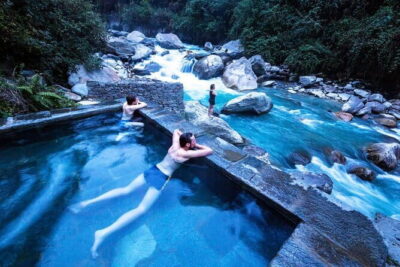
Also, your tour includes time for a dip in a natural hot spring along the way. That is not a luxury detail. After multiple days of walking, hot water can make the next morning feel possible.
Finishing Up: Birethanti, Nayapul, and Back to Kathmandu
As the trek winds down, you hike from the hotel area with a descent first, then a flat stretch until Birethanti for lunch. After lunch, you walk about 30 minutes to Nayapul, then continue onward.
This part matters because it is the first time since the trek started that the route feels less like a climb mission. Even if you are tired, it is mentally satisfying. You can finally feel the finish line as a real place.
On the final trekking day, you take a tourist bus at 7 AM back to Kathmandu. The drive is described as fantastic, with satellite towns and rural settlements along the way, plus river views. It is a satisfying way to come home to the city after days of trail focus.
Price and Value: Is $785.72 a Good Deal?
At $785.72 per person for an 11-day, small-group trek, the price can seem high if you only think about “a guide and some walking.” But the value is in the included cost items that add up quickly when you plan on your own.
Here is what you get, in practical terms:
- A guide
- Kathmandu to Pokhara and back by tourist bus
- Accommodation for 10 nights
- Meals included across the trek (breakfasts, lunches, and dinners listed)
- Annapurna Conservation Permits and TIMS
- Sleeping bag and down jacket (provided, then returned after the trek)
- Airport pickup and drop-off
- Insurance for the guide and covered guide logistics (your own travel insurance is still required)
What is not included is also important for budgeting:
- International flights to and from Nepal
- Nepal entry visa fee (you can issue the visa on arrival, with 2 passport-sized photos)
- Tips for guide and driver
- Your travel insurance (compulsory)
- Personal expenses plus all drinks and dessert
- A porter, if you need one, at 20 USD per day
So is it worth it? For most people who do not want to manage permits, lodging, and day-by-day logistics, yes. The tour takes a complex planning job and bundles it into one price.
If you are a seasoned trekker who already knows how to handle permits and routes, you might save money DIY. But you also take on more risk, like weather changes and availability. If you want your energy spent on the trail, this price buys you that kind of control.
Gear, Comfort, and Altitude: What to Expect in Day-to-Day Life
This tour provides a sleeping bag and a down jacket. It also includes a trekking map if necessary. That is a genuine comfort and cost saver, especially if you are traveling light or trying not to rent or buy gear in Nepal.
Altitude does not get fully erased just because you have a guide. You climb to high points like Poon Hill at 3232m and pass through higher villages like Ulleri around 2070m. Even if you are physically fit, you might feel fatigue at elevation. The smart move is to pace calmly, drink water, and keep your steps steady.
The strong point here is that the guide is praised for being attentive and knowledgeable about routes, terrain, and weather conditions. That matters because it helps you avoid wasted time and helps you make better decisions when conditions change.
Who This Trek Fits Best (and Who Should Rethink It)
This experience is best for people who want an organized Annapurna Base Camp trek without doing the heavy lifting on logistics. The small group size (max 10) also fits travelers who like a bit of social energy, but not a crowded pack.
It also works well for first-time high-altitude hikers, partly because you have support and route familiarity guiding the process. Indra is specifically mentioned as attentive and knowledgeable, which is exactly what you want when your body is adjusting.
Who might rethink it? If you hate hiking in steep sections, or if you are not comfortable with moderate physical fitness demands, this could be tough. Also, if you strongly prefer total independence with every meal choice and lodge choice, an all-inclusive structure might feel limiting.
Should You Book This Annapurna Base Camp Trek?
If your main goal is to reach Annapurna Base Camp while spending less time managing logistics, I think booking makes sense. The combination of permits, meals, lodging, equipment support, airport transfers, and a knowledgeable guide is a strong package. The small group size adds to the feeling that you will get attention when you need it.
My decision checklist for you is simple:
- You want a plan with permits and route logistics handled.
- You prefer meals and lodging included rather than piecing it together daily.
- You are comfortable with moderate fitness and real climbs at altitude.
If those match you, this tour looks like a very practical way to do ABC without turning your trip into an admin project.
FAQ
What is included in the $785.72 per person price?
The tour includes a guide, Kathmandu to Pokhara and back by tourist bus, accommodation for 10 nights, all fees and taxes, Annapurna Conservation Permits and TIMS, and sleeping bag plus down jacket (returned after the trek). Meals are included as breakfasts, lunches, and dinners across the trip. Airport pickup and drop-off are also included.
Are international flights and the Nepal visa included?
No. International flights to and from Nepal are not included. The Nepal entry visa fee is also not included, but the visa can be issued upon arrival in Kathmandu, and you will need 2 passport-size photos.
Do you offer airport pickup and drop-off?
Yes. Airport pickup and drop-off are included. The start meeting point is Tribhuvan Airport in Kathmandu, with a listed start time of 7:15 AM.
What fitness level do I need?
The tour specifies that travelers should have a moderate physical fitness level.
How big is the group?
The maximum group size is 10 travelers.
What trekking gear is provided?
You receive a sleeping bag and a down jacket, plus a trekking map if necessary. These items are returned after the trek.
Which permits are covered?
The tour includes Annapurna Conservation Permits and TIMS.
Can I hire a porter, and what does it cost?
Yes, you can hire a porter if you need one. The listed cost is 20 USD per day.
How late can I cancel for a full refund?
You can cancel up to 3 days in advance of the experience for a full refund. If you cancel less than 3 days before the experience starts, the amount paid will not be refunded.
More Hiking & Trekking Tours in Kathmandu
More Tour Reviews in Kathmandu
Not for you? Here's more nearby things to do in Kathmandu we have reviewed


Annapurna Treks from Kathmandu, compared.
 ★ 5.0Annapurna Circuit Trek with Tilicho LakeFrom $1,093368 reviews
 ★ 5.0Annapurna base camp trek 5 DaysFrom $699252 reviews
 ★ 5.0Annapurna Base Camp TrekFrom $935111 reviews
 ★ 5.0Kathmandu to Annapurna Base Camp (ABC) 5-Day TrekFrom $99102 reviews
 ★ 5.0Annapurna Circuit TrekFrom $1,17594 reviews
 ★ 5.04 Days Poon Hill TrekFrom $40594 reviews
 ★ 5.0Annapurna Base Camp Trek 12 DaysFrom $80085 reviews
 ★ 5.0Ghorepani(Poonhill Trek)From $60081 reviews
Browse the lists this tour appears in