
REVIEW · ANNAPURNA TREKS FROM KATHMANDU
5 Day Private Guided Trekking in Annapurna Base Camp
Five days, one of Nepal’s loudest mountain thrills. This private Annapurna Base Camp trek from Pokhara to Siwai is built for big, steady progress, with a guide and porters handling the hard parts so you can focus on the peaks. You’ll also get the culture side of the Annapurna region plus a proper muscle reset at Jhinu Danda hot springs.
I especially like two things: the nonstop, iconic Annapurna massif views, and the way the team keeps you moving at a human pace, led by guide Sirjan (with porters along for the work and warmth). The route threads through rhododendron forest, villages, and riverside sections that make the trek feel more like a lived-in journey than a checklist.
One drawback to plan around is altitude plus weather dependence. If conditions are rough, your trek may be adjusted, and you’ll want a moderate fitness base so the uphill days feel challenging, not scary.
Key highlights you should know before you go
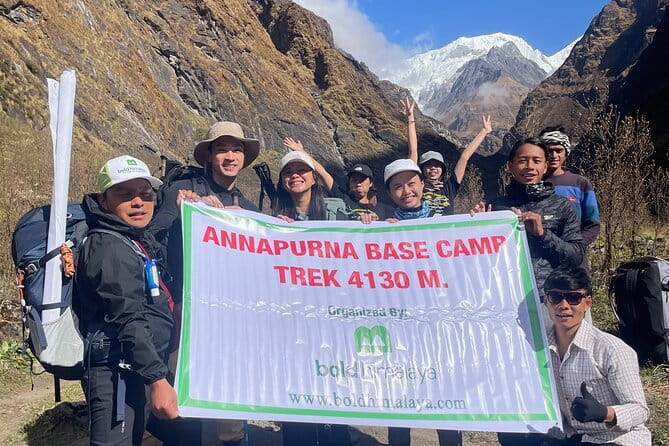
- Private guiding with Sirjan and a small porter team, aimed at keeping your pace comfortable
- Panoramic Annapurna views from key viewpoints, including the sacred-feeling area around Machhapuchchhre
- Jhinu Danda hot springs for recovery after the climbing work
- Rhododendron forests and river corridors, with waterfalls and views along the Modi Khola path
- Machapuchare Base Camp en route, adding a second major “wow” stop before ABC
- Permits and TIMS handled, so you can focus on the walk and not paperwork
Entering the Annapurna Base Camp mind-set in 5 days
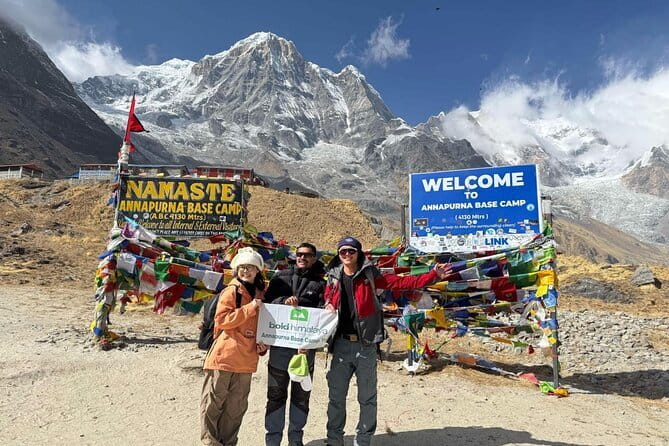
The Annapurna Base Camp trek has a reputation for being intense, but this version is designed around a practical rhythm. You’re not sprinting from spot to spot. Instead, you climb in stages, sleep in tea houses along the way, and arrive at ABC with enough energy to enjoy it (and not just survive it).
This is also a route that rewards curiosity. One moment you’re in bamboo and forest shade near riverside scenery. The next, you’re stepping into open, high-altitude views where the mountain names start feeling very real, very close.
If you like having a local lead, you’ll appreciate how this trek is organized around a guide team. In the feedback I saw, Sirjan’s calm, attentive approach was a standout, especially for first-timers who wanted someone nearby and responsive without rushing them.
You can also read our reviews of more guided tours in Kathmandu
Why the Pokhara to Siwai start is the right warm-up
The trek begins with transport from Pokhara to Siwai, which is your start point. That matters because it removes a long, stressful first day of logistics. You reach the trail and can begin acclimating on foot instead of spending the day fighting travel fatigue.
From there, the walk transitions into a classic Annapurna feel: village crossings, forest edges, and a steady climb that builds confidence. It’s the kind of start that helps you settle in, get your rhythm, and avoid the common mistake of going too fast just because you’re excited.
It also sets you up for a trek structure that stays manageable over five days. You get movement every day, but you’re not asked to do an all-day grind with no breaks or support.
Day-by-day: what happens from Siwai to Annapurna Base Camp
Day 1: Siwai start, your first steps into the route
Day 1 kicks off at Siwai, the trekking initiation point. The focus here is getting going through the early trail approach and establishing that “I can do this” pace.
What to expect: a mix of trail movement and changing scenery as the day progresses. The idea is simple, you start walking with enough energy to sleep well and wake up ready for the next ascent day.
Day 2: Forests, bamboo, Dovan, and the Modi Khola corridor
After breakfast in Sinuwa, you head through a stretch of forests that include bamboo areas and Dovan. This day is where the trek starts feeling alive: you may pass scenic waterfalls and you’ll follow the course of the Modi Khola River at intervals.
Why this day is valuable: it’s not just scenery for scenery’s sake. The river corridor and forest cover tend to make the walk feel less exposed than the higher sections. It’s also a good day to dial in how you want to eat and drink on the trail, since you’re still in a zone where you can settle into steady effort.
You can also read our reviews of more private tours in Kathmandu
Day 3: The big climb day toward Machapuchare and ABC
Day 3 is built around early start energy. After a satisfying breakfast in Sinuwa, you move toward Machapuchchhre Base Camp (MBC) first, then continue on toward Annapurna Base Camp, which sits high above everything around it.
The route described includes a rhododendron forest section, and it’s also a day where you might encounter yak herders. That small detail matters because it adds texture. You’re not only walking through “views.” You’re walking through a living working region.
Plan note: if you’re sensitive to altitude or you usually overdo it early, this is where your guide’s pacing helps. In the feedback I saw, Sirjan’s habit of staying attentive and matching a group’s pace was repeatedly mentioned as a big comfort.
Also, this is the day that includes admission ticket time, so you get the administrative bits handled while you’re out there.
Day 4: Sunrise at ABC, then a controlled descent
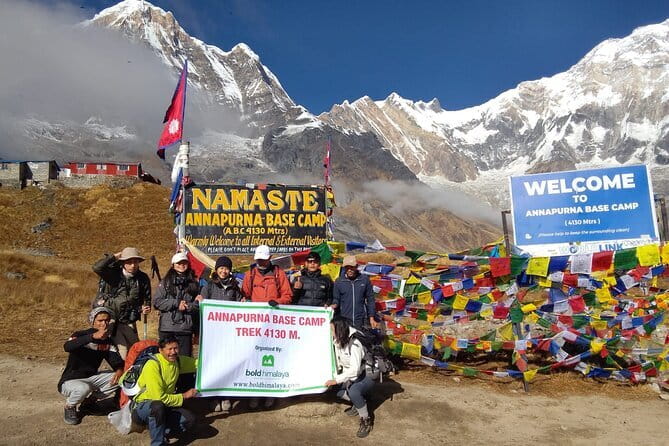
Day 4 starts early for sunrise at Annapurna Base Camp. Waking up for morning light over the Annapurna massif is one of the main reasons people do this trek, because the mountains look different when the day is still quiet.
After that, you descend steadily through landscapes that include Machhapuchchhre Base Camp again and Deurali. This is a key transition day. You’re not just going down, you’re repositioning your body for the last section and keeping your legs safe for the final descent.
Day 5: Bamboo, down to Siwai, then jeep back to Pokhara
On the final day, you move beyond bamboo and descend toward Siwai through lush forest and scenic vistas. When you reach Siwai, your guide coordinates a jeep return to Pokhara.
This last-day structure is worth appreciating. Ending with a vehicle transfer means you’re not stuck doing a long extra hike to “finish the story.” It gives you time for a real meal and a proper reset after days of tea house living.
The scenery you’ll actually see, not just the headline peaks
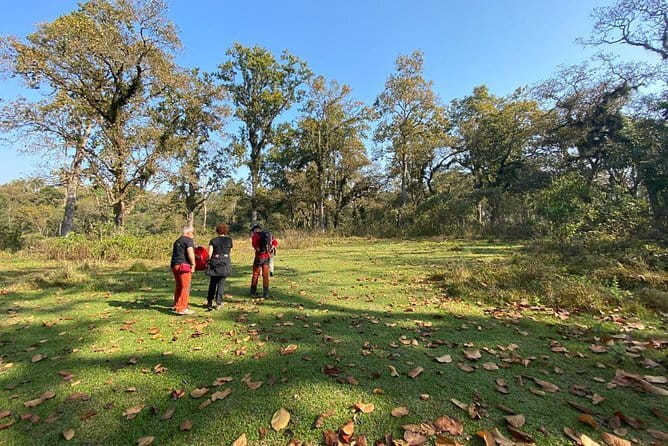
Yes, you’re trekking in Annapurna country for a reason. You’ll get dramatic panoramic views of the Annapurna Massif, including familiar names like Annapurna South, Annapurna I, Machapuchare, and Hiunchuli.
But what makes this trek feel special is the variety between those signature sightings. You’ll move through:
- Lush forest sections and terraced fields
- Traditional village crossings connected to Gurung culture
- Alpine meadows and higher ridgeline feeling as you approach the base camp area
- A biodiversity-rich experience within the Annapurna Conservation Area
If you like variety, this works well because you’re not only staring uphill. You’re experiencing a sequence of habitats and human settlements over a short five-day window.
Jhinu Danda hot springs, the recovery part that people remember
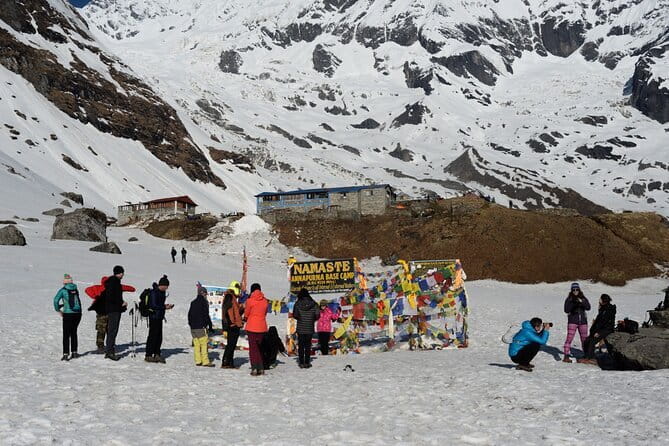
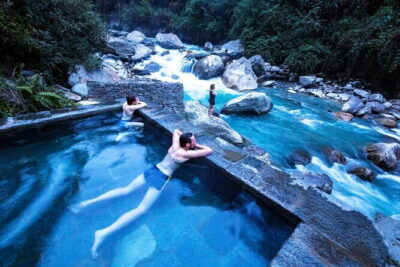
One reason this trek earns enthusiastic praise is the included chance to relax in the natural hot springs of Jhinu Danda. After a day that climbs toward altitude and pushes your muscles, soaking is the easiest form of trail recovery you can get.
Don’t treat it like a tourist extra. Think of it as your “tomorrow will be easier” tool. Warm water helps you feel human again, especially if you tend to get stiff knees and calves on descent days.
If you want to feel proud at ABC and not wipe out afterward, you’ll like having this recovery moment built into the trip rhythm.
Machapuchchhre Base Camp: a second major wow stop
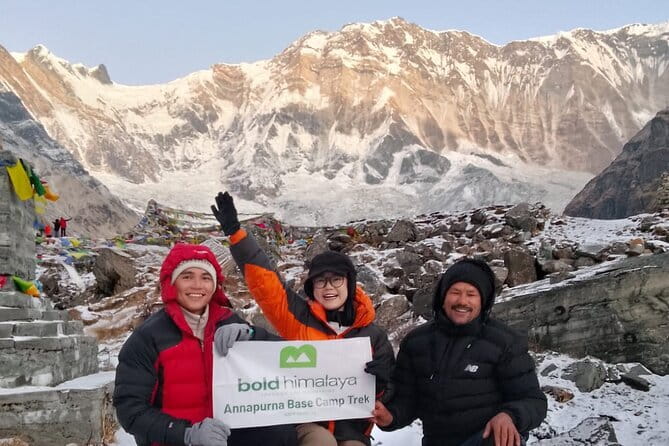
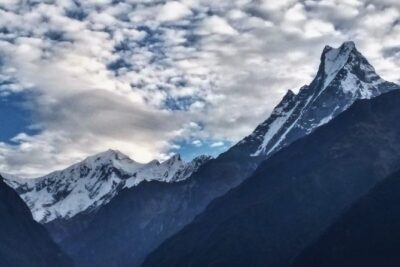
Many ABC treks focus on one end goal. This one adds another strong waypoint on the way up. You visit Machapuchchhre Base Camp en route, which gives you outstanding views of Machapuchchhre, the sacred “Fishtail” mountain.
Why I think this matters: it reduces the feeling of “all my effort is only for later.” You get an earlier reward and a meaningful change in scenery before the final push to ABC.
It also helps with motivation, especially if you’re pacing conservatively. It gives you a reason to keep going even if ABC is still hours away.
Tea houses, meals, and how support changes the whole trek
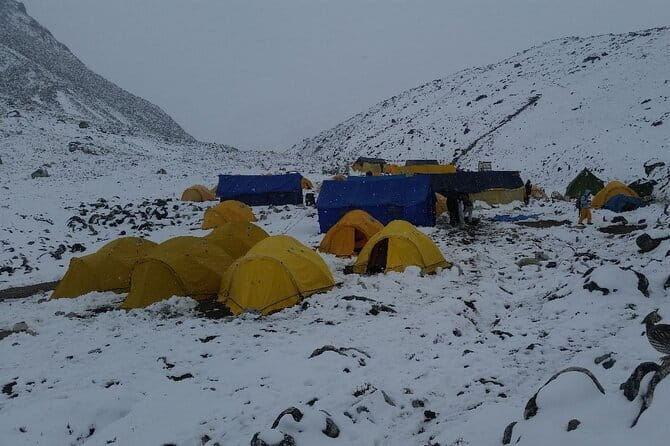
Meals are included in a structured way: breakfast (4), lunch (4), and dinner (4), plus some seasonal fruits. That sounds basic, but on a multi-day trek, it changes your decision-making.
You’re less likely to waste energy hunting for food or stressing about whether you’ll find something that fits your preferences. It also means your guide can plan around what you need for each day’s walking tempo.
From what I’ve seen in the experience stories, the guide team approach is often the difference between “a tough trek” and “a trek I’d do again.” Sirjan’s name comes up for being welcoming and attentive, and the porter support is described as fun and helpful, not just logistical.
That combination lets you keep your focus where it belongs, on walking, acclimating, and enjoying the views when they show up.
Price and logistics: is $225 actually good value?
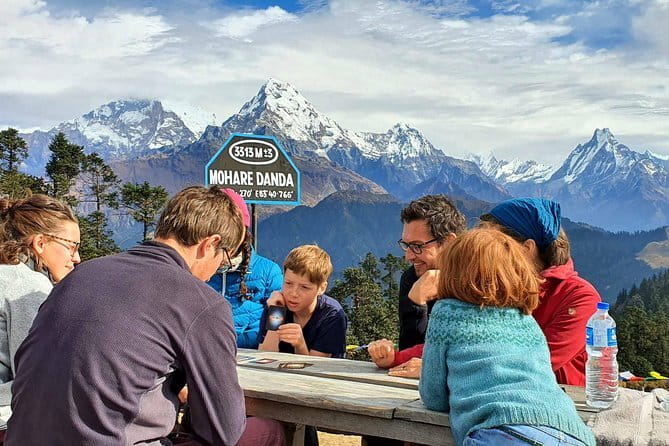
At $225 per person for a five-day private guided trek, this price is best understood as a “package cost” that includes the things that usually add up in Nepal trek planning.
What’s covered:
- Private transportation
- Trekking permit and TIMS card
- A guide with salary, accommodation, meals, and insurance
- Porter support as part of the guide setup
- Meals: breakfast, lunch, dinner on the scheduled days
- All fees and taxes
- Pickup offered
- Mobile ticket
- Group discounts
What is not included:
- Travel insurance
- Tips
- Drinks
- Extra meals and dessert items
Here’s the value angle. Permits, local support, and meals are usually the parts you cannot easily DIY without adding risk or stress. This package covers the core items so you spend your mental energy on the trek itself, not on hunting down paperwork, coordinating transport, and figuring out meals daily.
If you already have trekking insurance and you’re comfortable with basic tea house meals, the extra out-of-pocket costs should stay reasonable. If you plan to buy lots of drinks, desserts, or extra snacks, that’s where you’ll feel the gap.
Who this trek is a great fit for
This is a private tour, so it works especially well if you want control without feeling like you must plan everything yourself. It’s also a good match for first-timers because a guide can keep your pacing realistic.
You’ll likely enjoy it if you:
- Have moderate physical fitness
- Want a structured five-day trek without long gaps in support
- Care about guided context as you pass through Gurung villages and conservation-area terrain
- Like the idea of hot springs as part of your recovery
If you want a hardcore, ultra-fast itinerary where you never stop, this setup probably feels too paced. But if you want the kind of trek where you reach ABC and still remember what you saw, this suits you.
A practical checklist mindset for altitude and weather
This trek requires good weather, and it’s worth taking that seriously. Mountain visibility can change quickly, and ABC is high enough that clouds and conditions can shift your experience.
To protect your trip, keep expectations flexible. If weather is poor, you may be offered a different date or a full refund. That’s not a bad thing. It’s better than forcing a risky plan.
On the body side, treat altitude as something you manage, not something you ignore. A moderate fitness level is recommended, and your guide pacing helps you avoid overcooking day three or day four.
Should you book this Annapurna Base Camp private trek?
I’d book this if you want ABC plus hot springs in a five-day, supported format, and you value a guide team that keeps you comfortable and moving steadily. The repeated praise around Sirjan’s attentiveness and the porter support is exactly what you want on a trek where fatigue can make decisions feel harder than they should.
Don’t book it if you’re looking for maximum independence, and you don’t want to rely on a planned schedule for transport, permits, and meals. Also think twice if you know you struggle with altitude or you hate early mornings, since sunrise at base camp is part of the deal.
If you want big mountain rewards without turning the trip into a logistics project, this is a strong, practical choice.
More Private Tours in Kathmandu
More Guided Tours in Kathmandu
More Tour Reviews in Kathmandu
Not for you? Here's more nearby things to do in Kathmandu we have reviewed


Annapurna Treks from Kathmandu, compared.
 ★ 5.0Annapurna Circuit Trek with Tilicho LakeFrom $1,093368 reviews
 ★ 5.0Annapurna base camp trek 5 DaysFrom $699252 reviews
 ★ 5.0Annapurna Base Camp TrekFrom $935111 reviews
 ★ 5.0Kathmandu to Annapurna Base Camp (ABC) 5-Day TrekFrom $99102 reviews
 ★ 5.0Annapurna Circuit TrekFrom $1,17594 reviews
 ★ 5.04 Days Poon Hill TrekFrom $40594 reviews
 ★ 5.0Annapurna Base Camp Trek 12 DaysFrom $80085 reviews
Annapurna Base Camp TrekFrom $78581 reviews
★ 5.0Annapurna Base Camp Trek 12 DaysFrom $80085 reviews
Annapurna Base Camp TrekFrom $78581 reviews
Browse the lists this tour appears in