
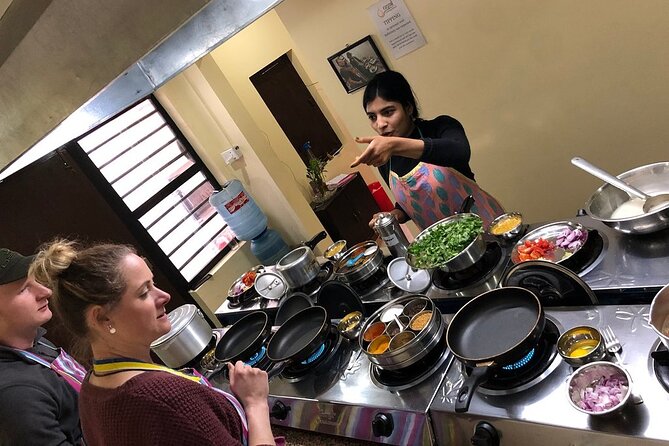
REVIEW · KATHMANDU COOKING & MOMO CLASSES
Half day cooking class in Thamel kathmandu
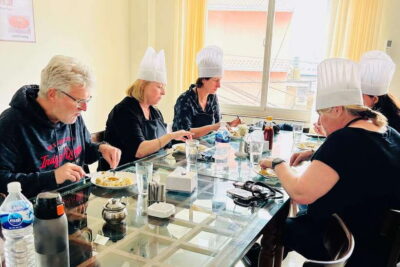
The best souvenir is something you can cook. In Thamel, this hands-on Nepali cooking class turns a casual meal into a skill you can repeat at home, starting from choosing ingredients to learning techniques like making momos. I especially love the step-by-step cooking setup, where you cook one course and eat it while it is fresh and hot. I also like that every menu includes momos, so you are not gambling on whether you will learn the dish everyone talks about. One consideration: there is often a market and shopping time, and access to the kitchen can involve climbing multiple flights of stairs.
You get a real rhythm to the day too. There are three shifts (morning, afternoon, evening), the group is small (max 8), and pickup is offered, so you do not have to build a whole plan around it. Come hungry and ready to adjust your spice level, because you can add as much or as little chili as you go.
If you are curious about Nepali culture but do not want a museum-style day, this is a practical way to understand it through food. And if you are worried you need cooking experience, relax, you start from scratch.
Key highlights to look for before you book
- Small-group format (max 8) means more attention while you cook
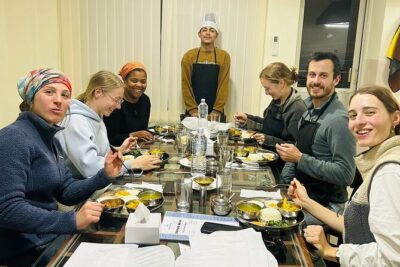
- Cook then eat keeps the food tasting fresh and hot
- Three daily shifts let you match the class to your Kathmandu schedule
- Three menus of four dishes each, so you get variety without overload
- Momos are built into every menu, so you learn the crowd favorite
- Spice is adjustable, so mild or fiery is your call
Where Thamel cooking class energy meets real Nepali technique
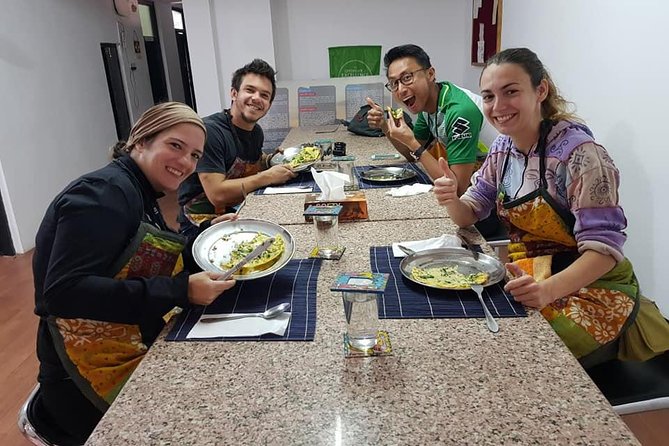
Thamel is loud, crowded, and full of smells. That is part of the point. This class works because it uses that everyday Kathmandu energy to teach you what Nepali food is actually like, not just what it looks like on a plate.
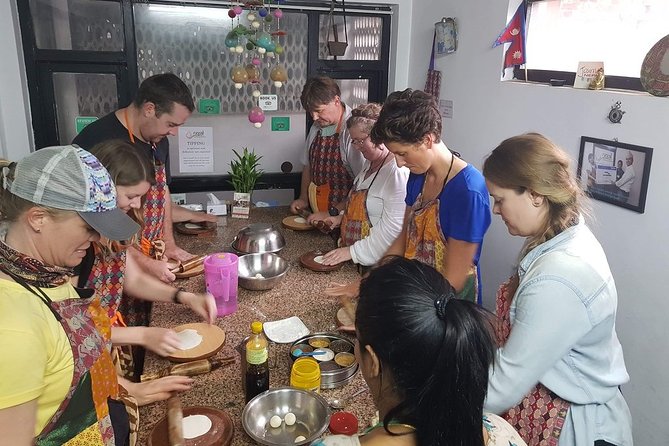
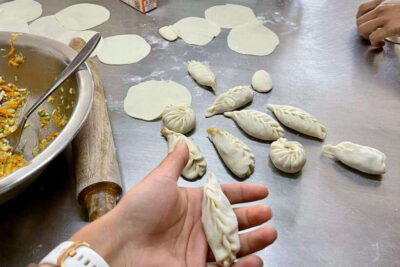
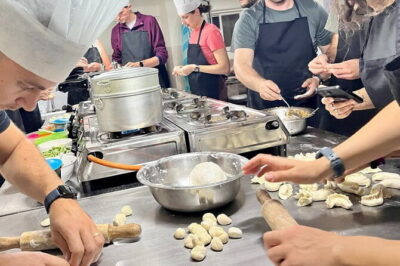
You learn by doing, not by watching from a chair. The chef and instructors take you step-by-step through ingredient choices and cooking methods, and then you practice those skills yourself. When a class is this practical, you leave with habits you can repeat later: how to taste as you cook, how to balance spice, and how to handle dumpling dough and fillings when momos are on the menu.
Two real reasons I think this is a smart use of a half-day:
1) You get food right as you make it, not later when everything has cooled down.
2) You get context for the dishes, so you understand what makes them Nepali, not just how to copy a recipe.
You can also read our reviews of more cooking classes in Kathmandu
The 2.5-hour flow: cook one course, eat it hot
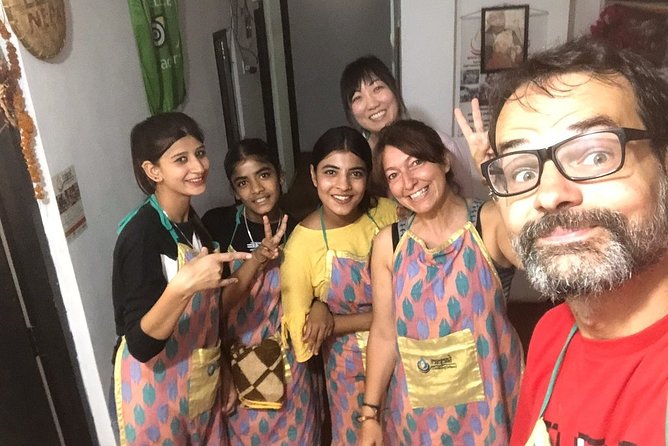
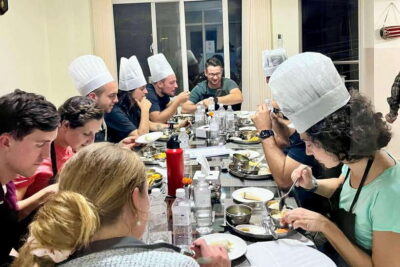
The class runs about 2 hours 30 minutes, and the timing is broken into a repeatable pattern. You start with a short setup, then you cook one course, and then you eat it. That simple loop matters more than people expect.
First, it helps you stay focused. You are not stuck waiting for all the cooking to finish before you eat. Second, it protects flavor and texture. Dumplings, fried snacks, and sauces do not stay at their best for long. Eating right after cooking means you taste what the instructor intended.
There is also a built-in flexibility that helps picky eaters and spice-avoidant cooks. You can add as much or as little chili as you want while you cook. If you do not like spicy food, you can go lighter without feeling like you are doing the class wrong.
Choosing your menu: four dishes and a momo guarantee
This is not a one-size-fits-all cooking show. You get three different menus, and each menu includes four traditional Nepali dishes. That means you are not just learning one technique, you are working across different flavors and cooking styles.
Most importantly for many people, momos are included on every menu. If your goal is dumplings, you can plan with more confidence. Even if you choose a menu that is not your first pick, you still get that core experience.
From the dishes described by past participants, you might see options like momos in different styles and preparations, plus other Nepali favorites. One participant mentioned chocolate momos, which is a fun reminder that Nepali cooking is not stuck in one flavor lane. Another mentioned learning dough for a chapata egg roll. And across the menus, you are taught enough technique to understand what you are doing, not only follow steps.
If you are choosing between shifts, I suggest you pick based on comfort, not only convenience. An early slot can feel fast-paced. A later slot can be great if you want your cooking experience to replace a dinner plan rather than squeeze beside one.
Thamel market time: spices, ingredients, and street-level context
Some versions of this class include a trip through local streets to vegetable and spice markets, where you learn what goes into the cooking. If that part is included in your session, it is one of the best ways to get past the generic label of Nepali spice and into the real ingredients you will recognize later.
I like this market component for two reasons:
- It teaches you what to buy and what to look for, so you can recreate flavors at home.
- It gives you a better sense of why certain dishes taste the way they do.
A recurring theme is that the instructors explain spices and then connect them directly to the dishes you will cook. In at least one case, an instructor named Nilam led the spice and ingredient explanation with very clear guidance. Another participant described Anshu and the team adding a quick dance lesson to the evening experience, which shows how social and upbeat the class can feel.
One note to keep expectations realistic: if you do not enjoy shopping, the market time might feel long. There is at least one report from someone who did not love the shopping portion. My advice is simple, go in knowing you are there for ingredients, and set yourself up for success by treating the market as part of the lesson, not a distraction.
What you eat (and what you can control)
The class includes a meal and beverages, plus coffee and/or tea, snacks, and the package includes breakfast and dinner as listed. That can sound confusing at first, but the practical takeaway is that this is not just a couple bites and a recipe handoff. You will be fed.
Because you cook as you go, the food you eat tends to match your effort and your taste preferences. You can adjust chili levels, and you can often tailor how you like sauces and seasoning while the instructor guides you. That is a key advantage over a restaurant meal where the heat level is set for you.
If you have dietary preferences, look for how the class handles them. One participant reported that the menu could be modified for gluten-free needs. Another confirmed vegetarian options were doable. Those are good signs, but the best approach is to message or ask when you book so you are matched with the right menu plan for your needs.
A few more Kathmandu tours and experiences worth a look
Price and value: why $28 can make sense in Thamel
At $28 per person, this is positioned as a budget-friendly activity, especially considering what is included. You are paying for more than food. You are paying for instruction, ingredients guidance, a kitchen setup, and a chance to cook multiple dishes rather than just sample one.
Let’s translate the value in plain terms:
- If you only eat Nepali food in Thamel, you might get one meal and be done.
- Here, you get meals plus recipes and technique, which can translate into repeat dinners at home.
- With a small max group size, you also get more hands-on help than you would at a big, crowded class.
It is also worth thinking about what costs you avoid. You do not need to hunt down ingredients for a multi-dish cooking plan. You do not need to arrange a complicated itinerary around markets and cooking stops. The structure already covers it.
The only cost you might mentally add is time and energy. Cooking takes effort, and the market component and stair access can make the day more active than a typical sightseeing activity. If you want something totally low key, this might not be your best match.
Meeting point, pickup, and how to plan your day
The class starts and ends back at the meeting point near Thamel. The listed start is at Divine Kathmandu Hotel on Paknajol Marg near Thamel, in Kathmandu. Pickup is offered, and the tour uses a mobile ticket, so you will want your phone charged and ready.
Timing options are clearly split into three shifts:
- Morning: 9:00 am to 12:30 pm
- Afternoon: 1:30 pm to 4 pm
- Evening: 4:30 pm to 8 pm
If you are building your Kathmandu schedule, use these windows like blocks. Morning works well if you want cooking before the day gets chaotic. Afternoon fits well between main sightseeing stops. Evening can be a great choice if you want dinner plans handled for you.
Also, plan for walking and stairs. One participant specifically warned about climbing four flights of stairs to reach the kitchen. You might not experience exactly that each time, but it is a real enough possibility that I would treat stairs as a likely factor. If stairs are hard for you, ask ahead before you commit.
Who this Thamel Nepali cooking class is best for
This class is an easy yes if:
- you like hands-on activities
- you want to learn Nepali dishes beyond what you can order in a restaurant
- you care about spice and seasoning, not just the final result
- you want a small group experience with more instruction
It also fits families. At least one parent-forward comment described it as very parent friendly. And the overall vibe from multiple instructors and team members sounds warm and supportive, not strict.
Who should pause before booking:
- If you want zero shopping and zero market time, consider choosing a different activity.
- If you have mobility limits, ask about stair access and kitchen entry before you go.
- If you hate spice entirely, confirm how they accommodate mild versions, since chili control is mentioned but comfort still matters.
Tips to get the most from your cooking session
You will have a better experience if you show up prepared. Wear shoes you can walk in. Kathmandu streets are not made for delicate footwear.
Bring a simple mindset too: taste as you go. These cooking lessons work best when you actively pay attention to what the instructor says about spices and how flavors build during cooking.
Finally, choose your shift based on your energy. Cooking takes concentration. Evening can feel long if you are tired after a day of sightseeing, but it can also be perfect if you want the class to become your relaxed dinner anchor.
Should you book this half-day cooking class in Thamel?
I would book this if your goal is to learn real Nepali cooking in a fun, social way without turning it into a full day project. The small group size, the cook then eat approach, and the momo guarantee make it a strong value for $28. You leave with dishes you can recreate and a better understanding of spices and technique, not just a meal photo.
I would hesitate only if you dislike market shopping or stairs could be an issue for you. If those are your main concerns, ask ahead about kitchen access and what the market portion looks like in your specific shift.
If you want a practical Kathmandu experience that actually sticks, this Thamel cooking class is one of the most dependable picks.
FAQ
How long is the Thamel cooking class in Kathmandu?
The class runs for about 2 hours 30 minutes.
Are there different time slots in the day?
Yes. There are three shifts: 9:00 am to 12:30 pm, 1:30 pm to 4 pm, and 4:30 pm to 8 pm.
What is included in the price?
A meal and beverages are included, along with coffee and/or tea, snacks, and the experience is listed as including breakfast and dinner as well.
Do I need cooking experience?
No. The class starts from scratch, and you do not need cooking experience to join.
Is pickup available?
Pickup is offered, and you meet at the start point near Thamel.
Where does the experience start and end?
It starts at Divine Kathmandu Hotel on Paknajol Marg Amrit Marg, Thamel, Kathmandu, and ends back at the meeting point.
More Workshops & Classes in Kathmandu
More Cooking Classes in Kathmandu
More Tour Reviews in Kathmandu

Not for you? Here's more nearby things to do in Kathmandu we have reviewed


Kathmandu Cooking & Momo Classes, compared.
 ★ 4.9Local Women-Led Nepali Cooking & Momo ClassFrom $4360 reviews
 ★ 5.0Local Lead Nepali Cooking & Momo-Making ClassFrom $5212 reviews
Local Women Lead Nepali Cooking ClassFrom $30125 reviews
★ 5.0Local Lead Nepali Cooking & Momo-Making ClassFrom $5212 reviews
Local Women Lead Nepali Cooking ClassFrom $30125 reviews
 ★ 5.0The best Private Nepali Cooking Class in KathmanduFrom $2483 reviews
 ★ 4.8Traditional Momo Making Class & PickupFrom $460 reviews
 ★ 5.0Traditional Nepali Momo Making ClassesFrom $1853 reviews
 ★ 4.9Local Women-Lead Nepali Cooking & Momo ClassFrom $545 reviews
★ 4.9Local Lead Nepali Cooking & Momo Making ClassFrom $440 reviews
★ 4.9Local Women-Lead Nepali Cooking & Momo ClassFrom $545 reviews
★ 4.9Local Lead Nepali Cooking & Momo Making ClassFrom $440 reviews
Browse the lists this tour appears in