
REVIEW · ANNAPURNA TREKS FROM KATHMANDU
Annapurna Base Camp Trek
Annapurna Base Camp feels like a reward walk to altitude.
I really like how this trip is set up with licensed guide leadership plus a local porter team, so you spend more energy on breathing, walking, and taking photos, not logistics. I also love that meals, tea house stays, and trekking permits are included, which keeps the trip simple from the start. One thing to consider: you still need moderate fitness and you’ll reach a high point around 4,130 m, so pace and acclimatization habits matter.
Before the mountains, you get a solid Kathmandu and Pokhara intro that makes the whole journey feel more grounded. Pashupatinath Temple and Pokhara’s lakeside area aren’t part of the climb, but they help you understand Nepal beyond a single trail.
The overall vibe is professional, private (just your group), and well organized. The main drawback is the early start time and the fact that extra costs can pop up once you’re in Kathmandu for meals beyond breakfast, plus drinks and insurance are not included.
Key things that make this trek worth your attention
- Licensed guide and expert local porter included for real on-trail support and a smoother pace
- All meals during the trek (with tea or coffee) plus tea house accommodation
- Permits handled with both TIMS and ACAP taken care of
- Poon Hill for sunrise-style views and a classic Annapurna-region warm-up hike
- Multiple culture-and-village days, including stops through Gurung and Magar communities you’ll actually walk through
- Private group experience, not a mixed cattle-car situation
What You’re Really Getting for $935
You’re paying $935 per person for a guided Annapurna Base Camp trek with a lot of the moving parts already handled. For many first-time trekkers, the value isn’t just the view at the end. It’s that you’re not trying to organize paperwork, meals, lodging, and transfers while you’re also trying to train your legs and lungs.
Here’s what’s included that matters most in real life:
- Airport, hotel, and hotel-to-hotel pick up and drop off by private car/van/bus in Kathmandu
- Kathmandu to Pokhara and back using tourist bus
- 2 nights Pokhara hotel with breakfast
- 2 nights Kathmandu hotel (Kathmandu Suite Home) with breakfast
- All meals during the trek: breakfast, lunch, dinner, plus a cup of tea or coffee
- Tea house accommodation during the trek
- Trekking permits: TIMS card and ACAP permit
- Licensed professional trekking guide plus an expert local porter
- Government taxes and fees
What’s not included (so you don’t get surprised):
- Extra meals and extra accommodation in Kathmandu beyond what’s listed
- Hot and cold drinks during the trek (you’ll need to budget)
- Wi-Fi on the trekking route
- Personal expenses
- Travel insurance and evacuation insurance
- Tipping for guide and porter
- If you’re a solo traveler, there may be extra porter-related costs
In other words, the trek portion is mostly “all set.” Your extra spending is mainly drinks, personal items, Kathmandu meals outside breakfast, and insurance.
You can also read our reviews of more hiking tours in Kathmandu
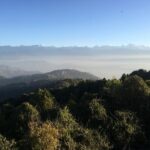
Kathmandu and Pokhara: The Calm Before the Big Hike
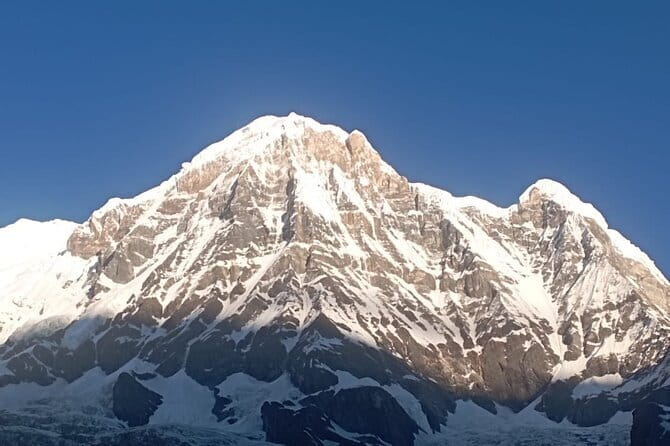
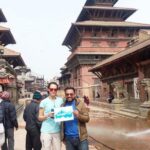
Your trip starts in Kathmandu with a stop at Pashupatinath Temple, one of Nepal’s most famous Hindu pilgrimage sites. It’s visually striking, and more importantly, it gives you a feel for the country beyond the mountains. If you’ve only ever seen Nepal through trekking photos, this is a quick reset button.
Then you move to Pokhara, with time around Pokhara Lake and the lakeside tourist area. This is a smart setup day because it’s where your energy goes from “travel mode” to “trek mode.” After a temple-heavy day in Kathmandu, Pokhara’s slower rhythm helps you adjust.
A practical note: the meeting point is at Everest Trekking Routes Pvt. Ltd., Timila Marg, Kathmandu 44600, and the start time listed is 1:15 am. That early start can feel strange, so plan for it and keep your overnight bag packed, not buried.
Entering Annapurna: Birethanti, Ghorepani, and Poon Hill
Once you’re in the Annapurna entry zone, the trekking start feels more like a transition than a jump. You pass through Birethanti, where you’re entering the Annapurna Conservation Area. That matters because you’re not just hiking through “pretty hills.” You’re hiking through a protected region with local villages and rules that affect routes and permits.
Then comes a classic Annapurna-region highlight: Ghorepani and Poon Hill. This part is famous for a reason. Poon Hill is known as a short hiking viewpoint route, so it gives you big payoff without needing to be super fit on day four.
Even if you’re an experienced hiker, this section has a trick: it gets you used to trail stamina and altitude routines while still staying within a manageable day length. You’re learning how your body responds before the longer push toward base camp.
One consideration here: with Poon Hill, timing matters. If you want the best light and views, you’ll want to follow your guide’s plan closely, not wing it.
The Middle Days: Tadapani, Chhomrong, and Bambook Walks
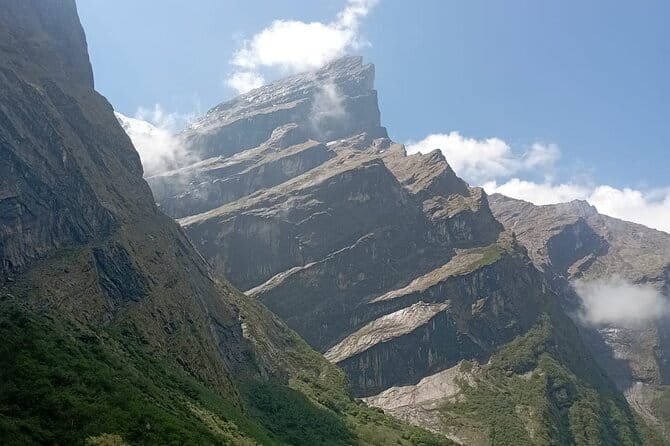
As the trek settles in, the route begins linking village life with mountain views in a way that feels steady rather than chaotic. You’ll do around a 5-hour walk from Ghorepani to Tadapani, which is the kind of day that builds confidence. It’s long enough to feel like you did something, but short enough that you’ll still have energy for the next segment.
Then you head toward Chhomrong via a beautiful walk. Chhomrong is often the kind of stop that makes you look at the mountain differently, because you’re no longer just walking through places. You’re moving through viewpoints that make the effort feel real.
Later you’ll trek toward Bambook with a moderate walking level. This stretch is useful for two reasons:
1) you keep building endurance without turning every day into a death march
2) you get more of the “everyday trail” vibe, meaning you see locals, tea houses, and the rhythm of walking itself
A small reality check: the trek is described as moderate fitness friendly, but “moderate” still means you should expect stairs, uneven ground, and changes in air. Bring patience, not just enthusiasm.
Annapurna Base Camp: Reaching the 4,130 m Finish
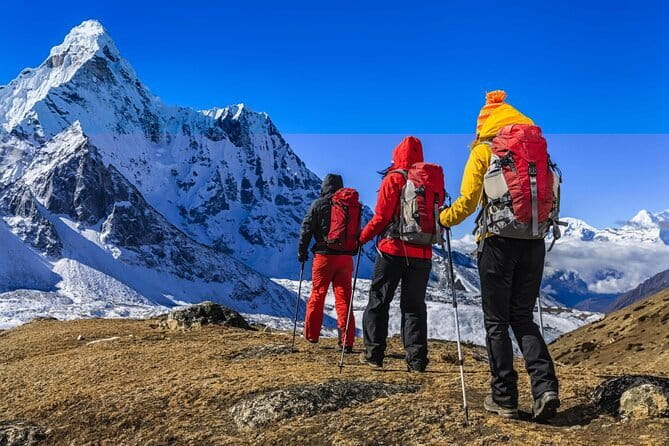
This is the part you came for: trek to Annapurna Base Camp and the surrounding viewpoint moments that make the hard days feel worth it.
You’ll spend multiple days in this final zone:
- trekking into Annapurna Base Camp
- then a hike connected with the Annapurna Base Camp trekking route
- and time that’s described as another major viewpoint-focused experience
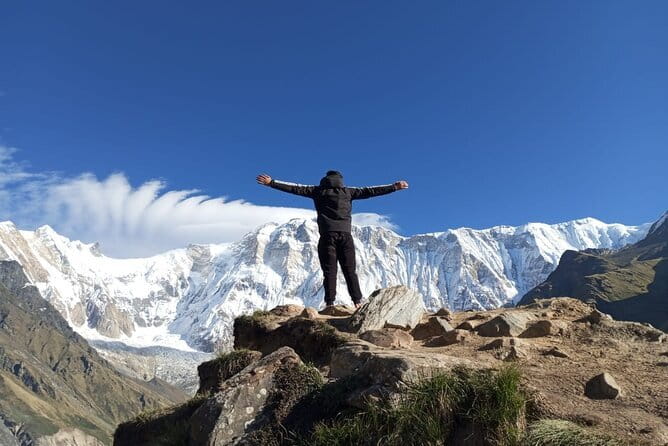
At base camp, you’re at roughly 4,130 meters. That altitude can change how you move even if your legs feel fine. Slow down. Use the “talking pace,” where you can speak in short sentences. If you feel your breath getting tight, don’t try to fix it by rushing, just let the trail do its job.
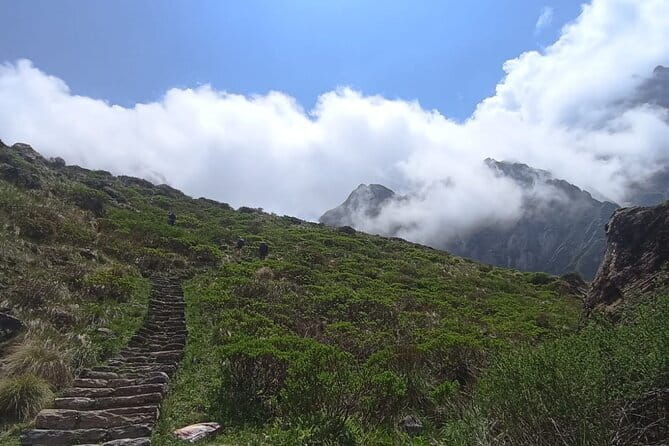
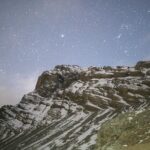
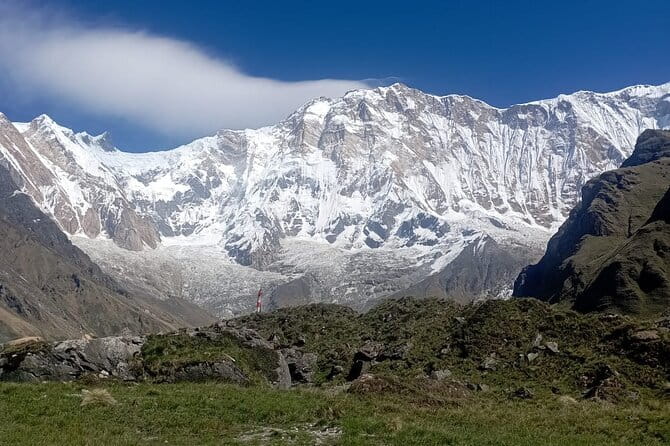
What’s also valuable here is how the scenery keeps changing as you go. One of the best things you can do during these days is to stop and look even when you think you’ve seen enough. The final section has that “each hour feels different” feeling, because the light, weather, and cloud cover can shift your view.

Tea Houses, Meals, and the Tiny Decisions That Matter
Tea house treks run on simple routines, and this trip supports that with all meals during the trek plus a tea or coffee with those meals. That’s a big deal because it removes the constant question of food planning while you’re exerting yourself.
Still, drinks are listed as not included. So I’d budget for:
- extra hot drinks beyond what’s bundled with meals
- cold drinks if you want them (and if they’re available at your stop)
- any snacks or comfort items you like on the trail
Also, Wi-Fi is not included on the trekking route, so plan like a human, not a phone on legs. This is one of those treks where you’ll likely feel calmer once you accept that connection will be limited.
Guides and Porters: The Real Reason This Feels Professional
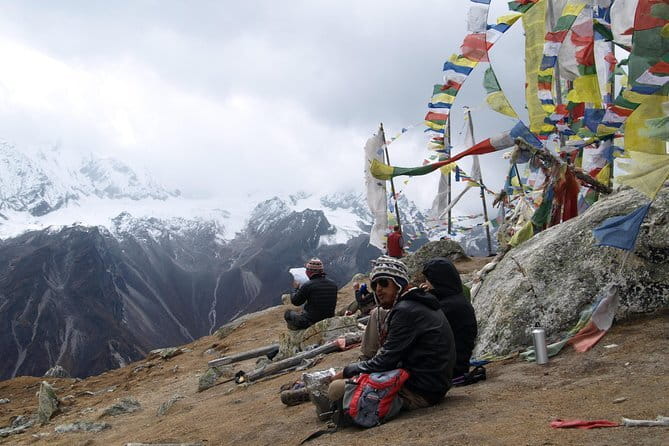
The biggest praise across the kind of trip this is comes down to people. This company includes a licensed professional trekking guide and an expert local porter, and that human support is exactly what makes early mornings and altitude days feel safer.
In past experiences with this provider, names like Cecil and Sushil Gurung show up as outstanding guides. Porters such as Samu Gurung, Sujan Gurung, and Bishal also get mentioned for being helpful and dependable. Organization before the trip also comes up, with Rabin described as responsive when questions popped up.
Even if you don’t need a motivation speech, a strong guide does the unglamorous work:
- setting a sensible pace
- handling trail-day timing
- keeping you on track with permits and route expectations
- helping with small decisions like when to rest or when to keep moving
If you’re the type who likes structure, you’ll appreciate this.
Return to Kathmandu: Tourist Bus and Getting Home-Ready
After the last base camp days, you return via tourist bus to Kathmandu. Then the trip ends back at the meeting point, and you continue on with your home plans.
This return setup matters. After a high-altitude push, you want a predictable transition back to city comfort. A tourist bus is a common approach because it’s organized, and it keeps the trekking company focused on what they do best.
If you get motion sickness easily, consider taking precautions for the bus ride, and keep water handy where you can.
Price Breakdown: Where Your Money Goes
Let’s make the $935 feel less abstract.
You’re paying for more than a guide. You’re paying for:
- hotel nights in Kathmandu and Pokhara (with breakfast)
- airport and hotel transfers
- bus transport between Kathmandu and Pokhara
- tea house lodging on the trek
- all trek meals with tea or coffee
- permits (TIMS and ACAP)
- guided hiking support with porter coverage
When you compare that to trekking where you buy permits, arrange meals, and find your own porter and lodging day by day, this starts to look like decent value. It’s also the kind of package that reduces stress for first-timers, which is worth something.
Just don’t forget the add-ons that aren’t listed as included: insurance, drinks, personal expenses, tips, and any extra Kathmandu nights.
Who This Trek Is Best For
This is a strong fit if you:
- want a guided experience with permits handled
- like having meals and lodging planned so you can focus on walking
- prefer a private group setup
- have moderate physical fitness and are willing to pace yourself at altitude
It might not be ideal if you:
- hate early starts (the listed start time is 1:15 am)
- want fully independent travel with no guide structure
- rely on consistent Wi-Fi on the trail (it isn’t included)
If you’re somewhere in the middle, you’ll probably find it just right.
Should You Book This Annapurna Base Camp Trek?
I’d book this if you want a well-run package where the big stuff is handled: permits, guide and porter support, tea house stays, and trek meals. The names coming up for guides like Cecil and Sushil Gurung, plus the helpful porter team, point to a service that cares about how the trip actually feels day to day.
I’d think twice if you’re trying to keep costs ultra-tight, because drinks, insurance, and tips add up. And be honest with yourself about the altitude and your comfort with a high-point around 4,130 m. If you can follow a steady pace, this trip can feel like a confident climb to a serious achievement.
If you want a trek that mixes mountain payoff with practical support, this is a solid choice.
FAQ
How long is the Annapurna Base Camp trek?
The duration is listed as about 12 days, with an overall trek range described as 10 to 14 days.
Where does the tour start and end?
It starts at Everest Trekking Routes Pvt. Ltd., Timila Marg, Kathmandu 44600, Nepal, and ends back at the same meeting point.
What time does the experience start?
The listed start time is 1:15 am.
Are airport transfers included?
Yes. Airport pickup and drop-off, plus hotel transfers, are included by private car, van, or bus.
Are permits included?
Yes. Trekking permits include TIMS and ACAP.
What’s included for food and lodging during the trek?
All meals during the trek are included (breakfast, lunch, and dinner with a cup of tea or coffee), along with tea house accommodation.
Is travel insurance included?
No. Travel insurance and evacuation insurance are not included.
More Hiking & Trekking Tours in Kathmandu
More Tour Reviews in Kathmandu
Not for you? Here's more nearby things to do in Kathmandu we have reviewed


Annapurna Treks from Kathmandu, compared.
 ★ 5.0Annapurna Circuit Trek with Tilicho LakeFrom $1,093368 reviews
 ★ 5.0Annapurna base camp trek 5 DaysFrom $699252 reviews
 ★ 5.0Kathmandu to Annapurna Base Camp (ABC) 5-Day TrekFrom $99102 reviews
 ★ 5.0Annapurna Circuit TrekFrom $1,17594 reviews
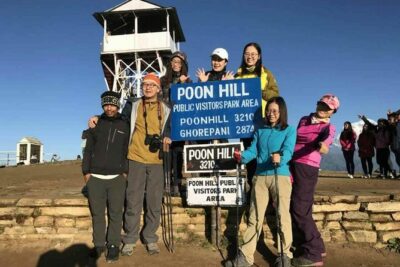 ★ 5.04 Days Poon Hill TrekFrom $40594 reviews
 ★ 5.0Annapurna Base Camp Trek 12 DaysFrom $80085 reviews
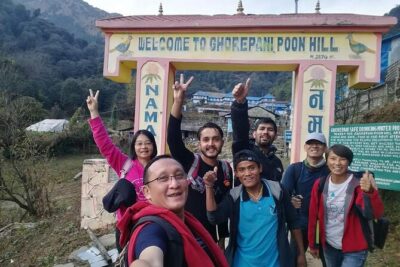 ★ 5.0Ghorepani(Poonhill Trek)From $60081 reviews
Annapurna Base Camp TrekFrom $78581 reviews
★ 5.0Ghorepani(Poonhill Trek)From $60081 reviews
Annapurna Base Camp TrekFrom $78581 reviews
Browse the lists this tour appears in