
REVIEW · ANNAPURNA TREKS FROM KATHMANDU
Annapurna base camp trek 5 Days
Some mountains feel close. This one comes with Rhododendron forests, tea houses, and big Himalayan views. I like that the trip is small-group organized and that key logistics are handled by an English-speaking guide, from permits to trek-day arrangements. Your money also goes toward the practical stuff, like ground transportation and lodging in tea houses. One thing to consider, though, is that a few recent guests flagged water-purification support as an issue, so I suggest you plan a backup for water safety.
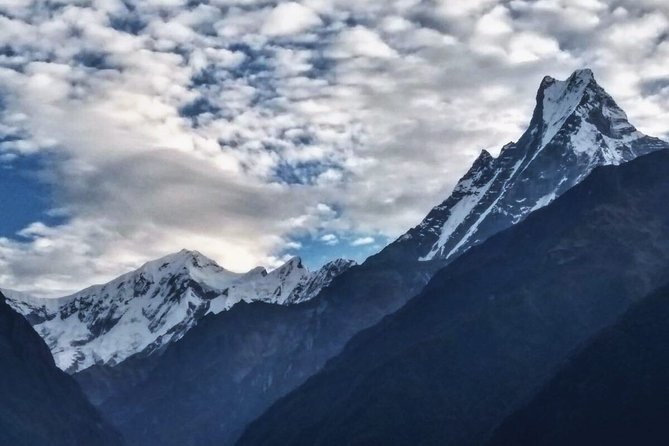
You also get a clean rhythm: drive from Kathmandu to Pokhara, warm up on the way into the Annapurna region, then spend several days hiking toward Annapurna Base Camp while waking up to snowy peaks (and Machhapuchare is the star). I like that the package includes down jacket and sleeping bag, which makes packing easier. The main drawback is that this trek depends on good weather, so expect some flexibility in how your sunrise plans actually play out.
Big Annapurna Views, Without a Long Hard Trek Schedule
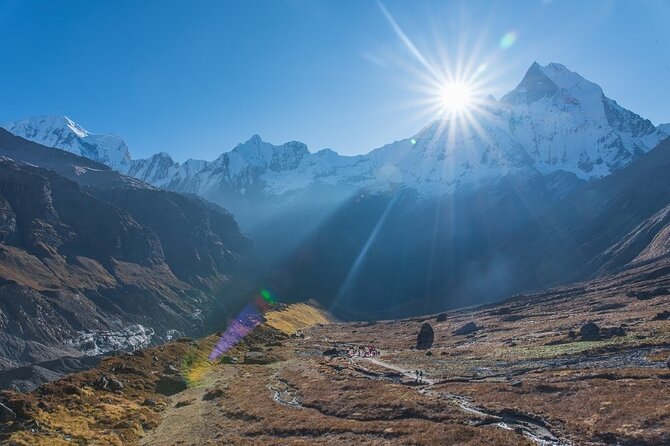
This is marketed as a short Annapurna Base Camp trek, and the structure matches that. You start in Kathmandu, move to Pokhara early, then spend the core trek days walking through forests (rhododendron, bamboo, and oak are specifically called out) and tea house villages toward the base camp area.
What you’re really buying here is fewer decisions. You’re not mapping routes each morning. You’re not arranging permits. You’re not booking a bunch of different drivers. With an English-speaking guide handling the arrangements, you can focus on walking, eating well enough along the way, and enjoying the view windows when they appear.
Is this a walk in the park? No. You still need moderate fitness. But the “short route” feel means you’ll likely spend less time in transition than longer treks. That matters if you have limited Nepal time but still want the classic Annapurna Base Camp experience.
Kathmandu To Pokhara Lakeside, A Fast Start From Day One
Day 1 is all about getting into motion. You travel from Kathmandu to Pokhara by tourist bus along the Prithvi highway, with an early morning departure and about a 7-hour drive. When you arrive, you spend time around Pokhara Lakeside, basically a gentle landing after travel.
Why I like this setup: it gets you altitude and trek context quickly, without jumping straight onto steep trails on Day 1. Pokhara Lakeside also gives you a chance to sort out small needs you might have forgotten, like extra snacks or a final charging run for your phone and power bank.
What to watch: an early start means you should aim for a good night before you depart. Also, the package specifically notes that food in Kathmandu and Pokhara is not included, so budget meals on arrival day if you plan to eat outside the included plan.
You can also read our reviews of more hiking tours in Kathmandu
Day 2 Toward Chhomrong Cottage Via Siwai and Birethati
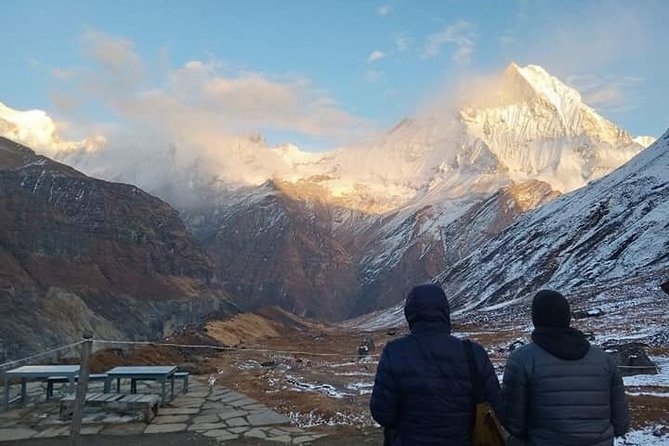
Day 2 starts after breakfast in Pokhara. Then you drive to Siwai by local jeep, with the drive taking about 2 hours, and there’s a stop at Birethati along the way. After that, you trek and settle for the night at Chhomrong Cottage.
Even though this is called a “short trek,” Day 2 is where the mountain feel starts to click. It’s not just scenery anymore. You’re moving with the rhythm of tea house hiking: walk, stop, eat, and then settle in. A cottage-style lodge also tends to mean simpler comfort than larger hotels, so pack a calm expectation and you’ll enjoy it more.
Value-wise, the big win is transport efficiency. The package includes all ground transportation, which means you’re not coordinating jeep timing yourself. The included guide also reduces stress when routes branch or when you want to understand what the area is before you walk into it.
Potential drawback: jeeps can be bumpy. If you’re sensitive to motion, plan for it, and keep your daypack secured.
Upper Sinuwa Sunrise Lodging, Tea in Hand and the View Factor
Day 3 features a big “wake up for the view” moment. You go to Sinuwa hilltop lodge and restaurant (Upper Sinuwa). The plan is to wake up with a cup of tea and catch sunrise from the lodge, with the exact timing depending on weather.
This part matters more than it sounds. On short treks, mornings are where you get the best odds for clear skies. Upper Sinuwa is set up for that, so you’re not starting your day already exhausted. You’re getting a slow start with breakfast and a chance to look across the mountains before you descend and keep moving.
What I like about tea house pacing is that it helps you manage effort. Instead of one long grind, the day is broken into smaller chunks: view, breakfast, then walking. You’re also in a region where the villages are built for hikers, so you’re less likely to feel like you’re “stuck” if weather changes.
Just remember: sunrise views are not guaranteed. Weather can cloud things over, and the itinerary notes that the sunrise depends on conditions. If you treat sunrise as a bonus rather than a promise, the day stays enjoyable.
Annapurna Base Camp Arrival Day, When the Trail Finally Pays Off
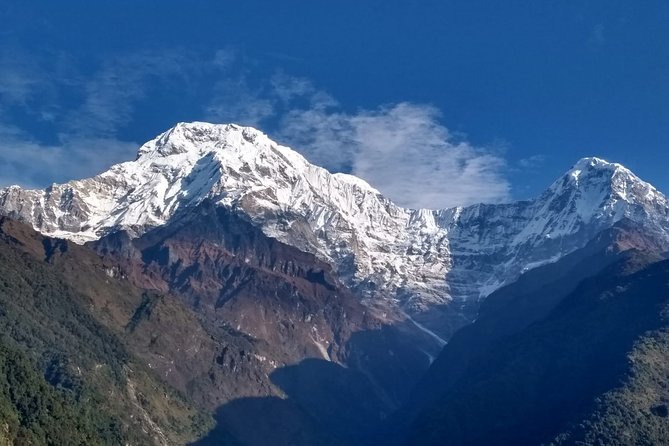
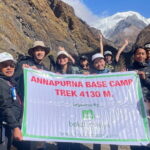
Day 4 is the emotional peak: trekking to Annapurna Base Camp, reached on foot. The route is described as a classic short route in the Annapurna Range, and it’s framed around the arrival at the base camp area for a mountain experience you’ll remember.
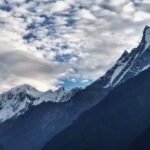
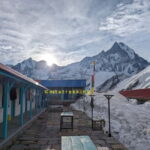
This is also where Machhapuchare enters the story in a meaningful way. The overview calls out Machhapuchare (Fish Tail) as the iconic sight, and the itinerary later returns to it for sunrise views. Expect big, dramatic summit shapes when the air clears. Even on days with partial cloud, the mountains still show their scale.
Practical expectation: tea house trekking means you’ll be living in simple rooms and eating what’s available at lodge stops. If you come in hungry for “comfortable” in the hotel sense, you might feel disappointed. If you come in hungry for warm meals, real mountain air, and the feeling of reaching a classic destination, you’ll be satisfied.
A small note on planning: this is one of your longest psychological pushes because it’s the “goal day.” Keep your pace steady and avoid racing. Save your energy for the arrival moment, and then enjoy the time there rather than rushing through photos.
Machhapuchare and Annapurna Morning Views, Plus a Solid Trek Day
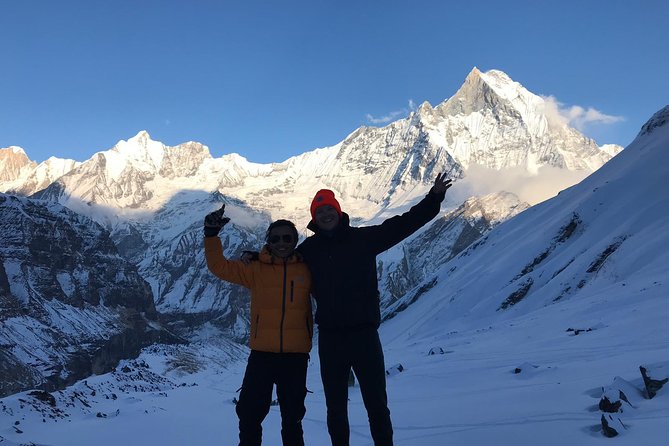
Day 5 keeps the mountain focus. You wake for breakfast with spectacular sunrise views of Machhapuchare and Annapurna towering above you. Then you walk and explore the area a bit before continuing.
This is a nice balance because Day 5 is not just “another hiking day.” It’s the day where you get a second set of big-summit visuals, which helps if Day 3’s sunrise was muted by weather. It also makes the trek feel more like an experience, not just transportation to Base Camp and back.
If you’re a photographer, you’ll likely appreciate having more than one morning to chase clear skies. If you’re not, you’ll still benefit. These mornings help you feel rewarded even before you finish the return trek.
A few more Kathmandu tours and experiences worth a look
Descent Through Chomrong and Jhinu Hot Spring, Then Back to Pokhara
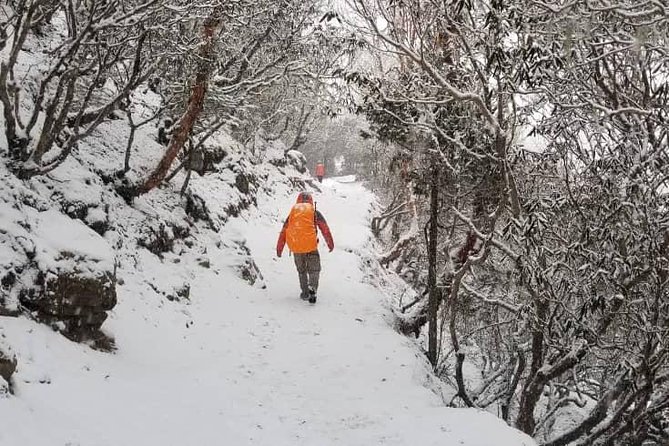
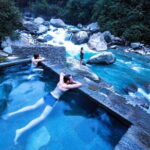
Day 6 turns from uphill effort to downhill reality. After breakfast, you follow the same trail until Chomrong. From there, the route descends steeply to Jhinu hot spring. You then trek down to Siwai for about 2 hours, where you take a local jeep.
If you like a trek that ends with an actual reset, Jhinu hot spring is exactly that kind of payoff. Even if you don’t do long soaking, the idea of warmer water after days of hiking is a morale boost. It also breaks up what could otherwise feel like a purely tiring “return day.”
Then you’re back into the Pokhara zone for the final stop: Pokhara Museum. That’s a lighter ending that gives you something to do after the physical work.
What to keep in mind: the “steeply” part means your knees will notice it. Trek poles can help if you use them, and good shoes make a difference.
Price and Value: Why $699 Can Make Sense for This Package
At $699 per person, this trek isn’t trying to be cheap. But it also isn’t just selling you a trail. It’s bundling the stuff that normally costs time and coordination money.
From the included list, you get:
- Airport pick and drop off
- Airport transfers and tourist bus to Pokhara
- All ground transportation
- Tea house accommodation during the trek
- Trekking permits included
- A local English-speaking trekking guide
- Meals on the trek days (breakfast 5, lunch 5, dinner 5)
- Down jacket and sleeping bag
- Farewell dinner, certificate of achievement, and an ART’s hiking t-shirt
When you look at it that way, the price starts to feel more reasonable for a short schedule. You’re paying for logistics, not just hiking scenery. And for many people, that’s the whole point. In Nepal, the difference between “figure it out yourself” and “someone handles the details” can be the difference between relaxing and stressing.
Now the fair warning: meals in Kathmandu and Pokhara are not included. Tips for guide and staff are not included. Arrival visa fees are not included. Travel insurance is not included. So your true cost depends on your habits.
Included Gear: Down Jacket and Sleeping Bag, a Real Packing Advantage
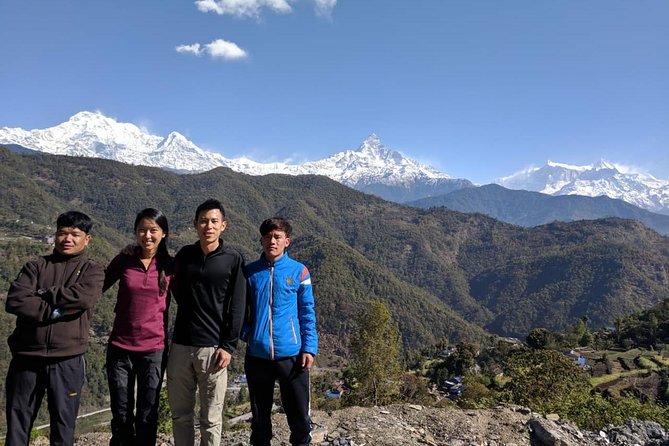
One of the most practical inclusions here is that down jacket and sleeping bags are included. That means you might be able to travel lighter and avoid renting or buying a full cold-weather kit.
This matters because Annapurna Base Camp area nights can feel cold, even if daytime walking is manageable. Having a sleeping bag reduces the risk of arriving with the wrong gear and suffering through bad sleep. It also makes the trip easier if you’re coming from warm climates and don’t want to scramble for winter items.
I’d still suggest you bring your own base layers and a hat or gloves if you have them. The included gear helps a lot, but your comfort will depend on what you wear underneath.
The Guide Factor: English Support, But Keep Your Guard Up
The package promises an English speaking friendly trekking guide or sherpa who takes care of arrangements, with permits handled and trek lodges sorted.
This is one of the top reasons people choose an organized trek. You get fewer headaches, and you can ask questions without playing “guess the route.” It’s also easier when you want to understand what you’re seeing, and when you need the day to run smoothly.
That said, I want you to plan with a healthy bit of skepticism, based on past experiences shared by others. Some participants have reported problems with water purification tablets being forgotten or not handled the way the plan suggests. So here is my advice: bring a backup method for water purification, like your own tablets or a filter if you already use one. Even if the guide has a system, having a backup keeps you from getting stuck.
Also, if you’re particular about itinerary timing, ask your guide to walk you through the plan clearly before the trek starts.
Who This Trek Is Best For, and Who Might Feel Cramped
This trek is best for you if you:
- Want Annapurna Base Camp without committing to a long multi-week timeline
- Prefer a small group up to 12 people
- Like tea house trekking with a guide and included permits
- Have moderate fitness and can handle a steep descent day
It might not be for you if:
- You need a “hotel comfort” level every night
- You strongly dislike any chance of weather disruption (sunrise depends on conditions)
- You get anxious about any missing item, especially for water safety
Given the short length and included gear, it also suits travelers who don’t want to source expensive trekking equipment in Nepal.
Tips to Make Your 5 Days Trek Feel Like a Win
Here are practical moves that match how this route is paced:
- Pack a simple daypack system. Keep water, snacks, and a light layer ready without digging through everything.
- Plan for early mornings. The meeting start time is 6:45 am, so your wake up call will likely feel early.
- Carry a backup water purification plan. Don’t assume everything will always be in the bag exactly as expected.
- Keep your pace steady on goal day. Base Camp arrival is special, but rushing steals the experience.
- Protect your knees on the steep parts. The Chomrong to Jhinu hot spring descent is specifically described as steep.
And one more thing. Tea house trekking is about rhythm. If you treat every meal and view as a “bonus,” you’ll end up happier than if you measure the trek like a stopwatch.
Should You Book This Annapurna Base Camp 5 Days Trek?
If your dream is Annapurna Base Camp but you want it short, with guide support and a lot handled for you, this is an easy yes to consider. The included permits, guide, ground transportation, tea house accommodation, meals on trek days, and cold-weather gear make it a practical value package for many travelers.
But I’d book it with two guardrails:
- Come in ready for weather variability, since sunrise depends on conditions and good weather is required.
- Prepare your own backup for water safety, because support around water purification has been an issue for some participants.
If you want an organized route with classic Annapurna scenery, and you can handle simple lodging and early starts, this trek can be a smart way to get to the base camp payoff without burning a ton of vacation days.
FAQ
How long is the Annapurna Base Camp trek in this package?
The trek is listed as 6 days approximately, starting with travel from Kathmandu to Pokhara and then trek days toward Annapurna Base Camp, before returning to Pokhara.
What does the tour include for transportation and transfers?
It includes airport pick and drop off, airport transfers, and the tourist bus to Pokhara. It also includes all ground transportation during the trip.
Are permits and a guide included?
Yes. Trekking permits are included, and you get a local English speaking friendly trekking guide or sherpa.
What trek accommodations and meals are included?
You get tea house accommodation on the trek, and meals are included on the trek days, with breakfast 5, lunch 5, and dinner 5 listed.
What is not included in the price?
Not included items are extra accommodation behind the schedules, food in Kathmandu and Pokhara, arrival visa fees, tips for guide and staff, and travel insurance.
How big is the group, and what is the meeting time?
The group has a maximum of 12 travelers, and the start time is 6:45 am.
More 5-Day Experiences in Kathmandu
More Hiking & Trekking Tours in Kathmandu
More Tour Reviews in Kathmandu
Not for you? Here's more nearby things to do in Kathmandu we have reviewed


Annapurna Treks from Kathmandu, compared.
 ★ 5.0Annapurna Circuit Trek with Tilicho LakeFrom $1,093368 reviews
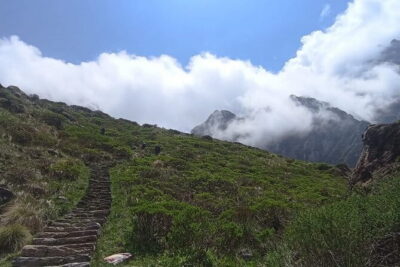 ★ 5.0Annapurna Base Camp TrekFrom $935111 reviews
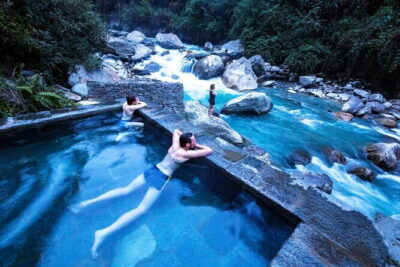 ★ 5.0Kathmandu to Annapurna Base Camp (ABC) 5-Day TrekFrom $99102 reviews
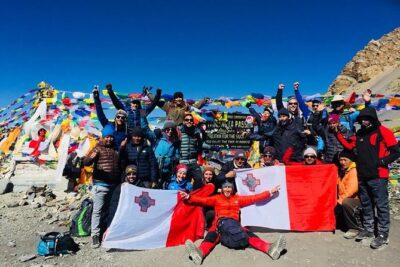 ★ 5.0Annapurna Circuit TrekFrom $1,17594 reviews
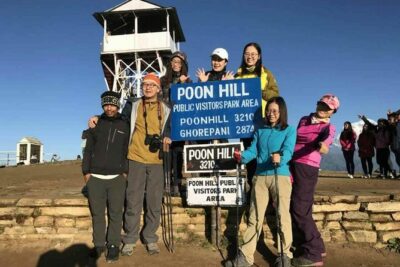 ★ 5.04 Days Poon Hill TrekFrom $40594 reviews
 ★ 5.0Annapurna Base Camp Trek 12 DaysFrom $80085 reviews
Annapurna Base Camp TrekFrom $78581 reviews
★ 5.0Annapurna Base Camp Trek 12 DaysFrom $80085 reviews
Annapurna Base Camp TrekFrom $78581 reviews
 ★ 5.0Ghorepani(Poonhill Trek)From $60081 reviews
Browse the lists this tour appears in