
REVIEW · ANNAPURNA TREKS FROM KATHMANDU
4 Days Poon Hill Trek
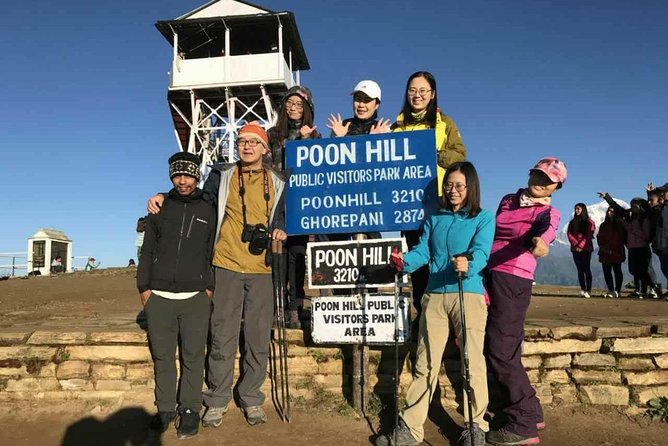
Sunrise at 3,210 meters beats jet lag. I love that Poon Hill keeps things at a relatively reachable altitude, and I love that your private guide handles the hard parts like route flow and accommodation. One thing to plan around: good weather matters if you want those crisp mountain views.
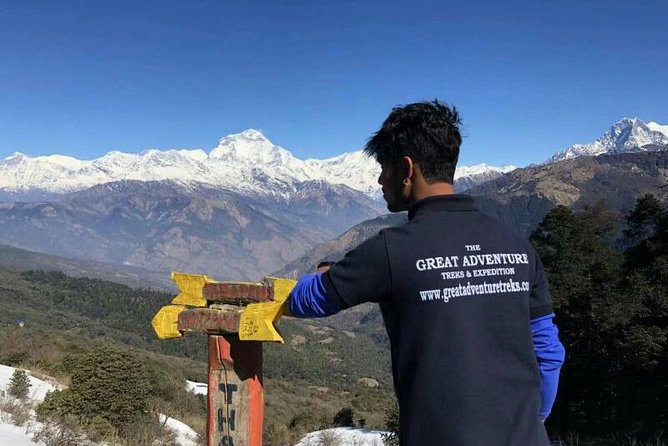
This short trek is built for big Himalayan payoffs without the long, high-stress grind. From Poon Hill you can look out toward Annapurna, Manaslu, Dhaulagiri, and more, and you’ll move through terraced farmland, remote villages, and dense old forests along the way.
It’s also flexible. You can customize the trek to suit your needs, and it’s best for moderately fit travelers who still want a proper mountain experience. If you like learning Nepali culture in the places you walk through, this one fits nicely.
Key Things You’ll Notice on This Poon Hill Trek
- A true sunrise viewpoint at 3,210m: Poon Hill is specifically the spot for early-morning mountain views.
- Private, customizable hiking: your pace and needs can shape the trek plan.
- A lower-altitude Himalayan feel: 10,531 feet (3,210 meters) keeps it more approachable than many treks.
- Village and forest walking: terraced farmland, remote villages, and old forests are part of the route experience.
- Big-view payoff for 4 days: you’re aiming at Annapurna-region panoramas without a huge time commitment.
- Guides who smooth logistics: people consistently highlight clear communication and organization.
Why Poon Hill Is the Smart Choice for a 4-Day Intro
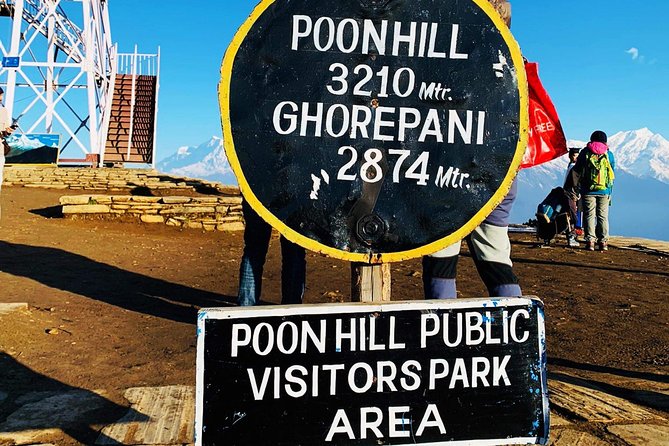
If you’re new to trekking in the Himalaya, Poon Hill is one of the best “first wins” you can chase. At 3,210 meters, it gives you real altitude atmosphere without the kind of extreme heights that can derail less-prepared hikers. You still get that mountain air, the steeper rhythm in your legs, and the sense you’re truly in Nepal’s high country.
This trek also has a simple emotional hook: sunrise. Poon Hill is the classic place you go to watch the light hit the Annapurna region. The goal is not just walking for days, it’s walking with a deadline you care about. That makes the effort feel purposeful.
And because it’s a private guided trek, you’re not stuck with a rigid group pace. If you want more village time to ask questions and learn what you’re seeing, you can. If you prefer to keep moving and get to the viewpoint quickly, you can. That customization matters on a short trek where every hour counts.
You can also read our reviews of more hiking tours in Kathmandu
Starting Point and Timing: What 9:15am Really Means
Your day begins with a 9:15am start time. That’s not late, but it is late enough that you can have a proper morning routine instead of sprinting out the door at dawn. Since you’ll be in Nepal, that first day is often where calm logistics set the tone. You don’t want to spend the first hours stressing about meeting points, transport, or missing the handoff to your trek plan.
You’ll also have pickup offered, and private transportation is included. Practically, that means you are not doing the entire “find a bus, find a taxi, then guess where you go next” dance. It’s especially helpful if you’re arriving in Kathmandu without a lot of local navigation skills yet.
One more small but useful detail: the meeting area is near public transportation. That matters if your plans change at the last minute and you need a backup way to reach the start point. It’s a little safety net.
The Trek Flow: Ghorepani to Poon Hill to Tadapani to Ghandruk
Your 4 days revolve around a route that moves through the heart of the Annapurna foothills. The names you’ll hear include Ghorepani, Poon Hill, Tadapani, and Ghandruk. This is a classic short-loop style trek, and it’s popular for a reason: you’re getting both viewpoint time and traditional village walking without needing a long multi-week commitment.
Day 1: Settling into the trail rhythm
On the first day, you’ll transition from the road world into a slower hiking pace. Expect walking through terraced farmland and remote villages, with plenty of chances to look closely at how people live. Even if you don’t know Nepali yet, your guide can help you connect what you see with context.
What I like about this kind of Day 1 is that it’s the “trust-building” day. Your body checks the footing. Your lungs adjust to the effort. And you learn quickly what pace feels sustainable for you.
A potential drawback is simple: if you start too fast, you’ll feel it later. Short treks punish ego. The smartest strategy is to start a bit conservative so you have energy for the next big morning.
Day 2: The sunrise push, then continuing onward
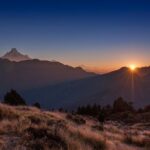
This is the day built around Poon Hill sunrise. You go up for the 3,210m viewpoint early enough to catch that moment when the peaks start showing detail. The reward is a clear view of major mountains in the Annapurna region, including Annapurna, Manaslu, and Dhaulagiri.
After the sunrise viewpoint, your trek continues toward the next section of the route, often associated with Tadapani. This portion tends to shift from “big sight” excitement back to steady walking through the everyday scenes of the trail.
The tradeoff here is energy management. If you want the sunrise views, you must accept early waking and late-night readiness. Bring your patience, not just your camera.
A few more Kathmandu tours and experiences worth a look

Day 3: Old forests and a more village-focused feel
Day 3 is where the walk tends to feel more immersive. You’ll pass through dense old forests, and you also keep moving through village areas. This blend is a big part of why Poon Hill feels like more than just a viewpoint trip.
This is also a strong day for conversation. In village and forest settings, questions land better because you’re actually moving through the environments your guide can explain.
The main consideration for many people is comfort logistics. Your guide is taking care of accommodation, but the accommodations themselves are simple mountain stays. Plan for basic comfort, warm layers, and the fact that shower situations can be limited in tea house style settings.
Day 4: Finishing the trek and getting back
Your final day is about wrapping up the hike and returning to Kathmandu by way of the included private transport. Because the trek is short, it’s usually less about “another big climb” and more about finishing strong while staying flexible.
This is also a nice day for reflecting. You’ve already gotten the sunrise payoff, and now you can enjoy the last stretch of scenery without the pressure of chasing the timetable.
Poon Hill Lookout: What You’re Actually Chasing
At 10,531 feet (3,210 meters), Poon Hill is high enough to feel like real altitude but not so high that it requires the same level of advanced acclimatization as bigger treks. That’s why it works so well for a 4-day trip.
What you’re chasing is close-up mountain visibility at sunrise. You can view Mount Annapurna, Mount Manaslu, Mount Dhaulagiri, and other peaks. The point is that you’re not guessing. Your entire trek design is built around going to the one lookout known for this.
Practical tip: if you get even mildly cold at early hours, pack for that. Sunrise viewing can be crisp. Bring layers you can actually move in, because you’ll go from early cold air to warmer walking conditions quickly.
Also, remember the trek requires good weather. If clouds roll in, you might not get the clear views you planned for. The good news is that the experience is structured with weather in mind, including the possibility of an alternative date if conditions don’t cooperate.
Guides and Logistics: The Difference You Feel Day One
This trek is private, so your guide is not just a background figure. They help shape your pacing, your route flow, and your understanding of what you’re walking through.
Several names show up in guide feedback tied to smooth experiences, including Binod (also seen as Binot or Binoth), Bikram, Jayaram KC, Chandra, and Tobonath. Even if your guide is someone else, the pattern is clear: strong guides keep communication clear and logistics calm.
What I think matters most is how your guide handles the “in-between” parts:
- Keeping you on route so you don’t have to worry about getting lost
- Making accommodation decisions so you aren’t scrambling after a long day
- Helping you make sense of Nepali culture and nature as you pass through villages and forests
On a 4-day trek, these are not little details. They decide whether the trip feels easy to manage or mentally exhausting.
If you’re the type who likes to feel safe but also wants real human conversation, this is the sweet spot. You get help without taking away your freedom to ask questions and set your own pace.
Price and Value: Is $405.13 Fair for a Private 4-Day Trek?
At $405.13 per person for about 4 days, this is not a budget “DIY only” trek, and that’s okay. You’re paying for a private, guided experience with included key support.
Here’s what the value seems to come from based on the structure you get:
- Private transportation is included
- Pickup is offered
- Private trek, so it’s only your group
- A guide helps you avoid the mental load of arranging route and accommodation
- The trek can be customized to your needs
- You receive a mobile ticket, which keeps the pre-trip process simpler
The meals are not included, specifically lunch and dinner. So budget some extra daily spend for food.
Is it expensive? It’s mid-range for Nepal trekking when private support is part of the deal. I’d call it good value if you want to hike with confidence and not spend your time figuring out logistics after a full day on foot. If you’re a confident independent trekker who already knows the trail and likes handling everything yourself, you might find cheaper options. But for most people, the private support is the point.
What to Pack and How to Pace (Without Making It Harder Than It Needs To Be)
Because Poon Hill tops out at 3,210 meters, you can keep your strategy simpler than higher treks. Still, it’s a trek, not a stroll, and you’ll appreciate being prepared.
Pack like you’ll be layering. In early morning viewpoint hours you’ll want warmth, and during hiking you’ll want breathable movement. Bring:
- Warm layers for sunrise and chilly mornings
- A light rain layer, since Nepal weather can shift fast
- Hiking shoes or boots with solid grip
Pacing matters. Your body adjusts over the days, and a good guide will help you find a sustainable rhythm. If you’re moderately fit, this is exactly the kind of trek that builds confidence without requiring specialized high-altitude training.
One more thing: keep an eye on your motivation. Sunrise treks can feel like delayed gratification. You’re going to work early for a payoff later. If you accept that trade from the start, you’ll enjoy it more.
Who This Trek Suits Best
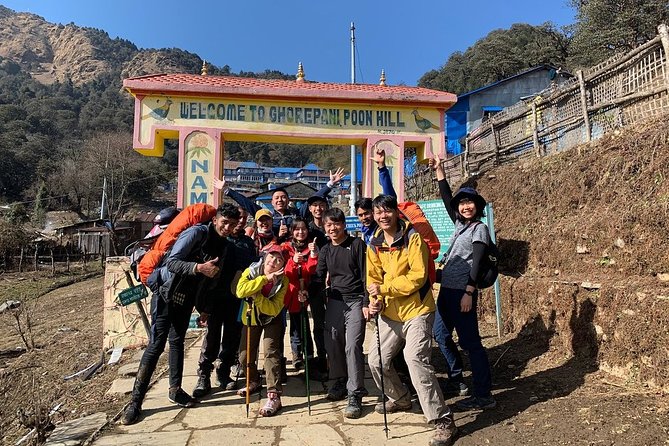
This experience is a great fit if you want:
- A family-friendly, lower-altitude Himalayan trek style challenge
- A moderately fit hiking goal
- A short trip that still delivers Annapurna-region mountain views
- A guide who can explain what you’re seeing, including culture and nature
It’s also a strong option if you don’t want to spend your limited travel time arranging accommodation and route decisions. Your guide takes care of everything, so you’re focused on walking and learning instead of logistics.
When You Should Think Twice
This trek isn’t perfect for everyone. The biggest consideration is the weather requirement. If you’re traveling when cloud cover is common, you may not get the views you hoped for, and the trek may be rescheduled.
Also, if you want a very intense, multi-day high-altitude challenge with long remote sections, this route is intentionally lower. That’s the strength for many people, but it can feel too gentle for hikers chasing a bigger altitude test.
Should You Book This Poon Hill Trek?
If you want a short Himalayan trek with a clear target and a realistic altitude, I’d book it. The Poon Hill sunrise concept is simple and strong, and the private guided setup means you spend less time worrying and more time walking toward the views.
Book if:
- You like the idea of sunrise at 3,210m
- You want a private route that can be customized
- You prefer having someone handle accommodation and route peace of mind
Skip or compare if:
- Weather is a big unknown for your travel dates
- You prefer total independence and already know the trail logistics well
- You want lunch and dinner included in your price
FAQ
How high is Poon Hill on this trek?
Poon Hill is at 10,531 feet (3,210 meters), and it is the viewpoint where sunrise is typically seen.
Where does the trek start from?
The trek is based in Kathmandu, Nepal, and it includes pickup offered. The start time listed is 9:15am.
Is this trek private?
Yes. This is a private tour or activity, so only your group participates.
Can the itinerary be customized?
Yes. This private trek can be customized to suit your needs.
What is included in the price?
The experience includes private transportation.
Are meals included?
No. Lunch and dinner are not included.
Do I need good weather?
Yes. The experience requires good weather. If it is canceled due to poor weather, you’ll be offered a different date or a full refund.
Is a mobile ticket provided?
Yes. A mobile ticket is included.
What happens after I book?
Confirmation is received at the time of booking.
FAQ
Is free cancellation available?
Yes, you can cancel up to 24 hours in advance of the experience for a full refund.
How far in advance do people usually book?
On average, it is booked 158 days in advance.
More 4-Day Experiences in Kathmandu
More Hiking & Trekking Tours in Kathmandu
More Tour Reviews in Kathmandu


Not for you? Here's more nearby things to do in Kathmandu we have reviewed


Annapurna Treks from Kathmandu, compared.
 ★ 5.0Annapurna Circuit Trek with Tilicho LakeFrom $1,093368 reviews
 ★ 5.0Annapurna base camp trek 5 DaysFrom $699252 reviews
 ★ 5.0Annapurna Base Camp TrekFrom $935111 reviews
 ★ 5.0Kathmandu to Annapurna Base Camp (ABC) 5-Day TrekFrom $99102 reviews
 ★ 5.0Annapurna Circuit TrekFrom $1,17594 reviews
 ★ 5.0Annapurna Base Camp Trek 12 DaysFrom $80085 reviews
Annapurna Base Camp TrekFrom $78581 reviews
★ 5.0Annapurna Base Camp Trek 12 DaysFrom $80085 reviews
Annapurna Base Camp TrekFrom $78581 reviews
 ★ 5.0Ghorepani(Poonhill Trek)From $60081 reviews
Browse the lists this tour appears in