
REVIEW · EVEREST BASE CAMP TREKS FROM KATHMANDU
Everest Base Camp Trek -14 Days
Altitude hits fast on this trek. You fly from Kathmandu to Lukla, walk through Sherpa country, and aim for Everest Base Camp at 5,364 meters with a licensed government guide and a maximum group size of 12.
I especially like the way daily food and sleep are handled. You eat full-board meals in trekking lodges (breakfast, lunch, dinner), and the trip also builds in a reward after the walk with a night at a top Kathmandu hotel and a dinner.
One thing to keep in mind is the extra costs that pop up in the mountains. You pay for water and drinks, plus Wi-Fi and any porter you may want beyond the included luggage support.
Key Things You’ll Notice on This Everest Base Camp Trek
- Small group of 12 max, so introductions happen without feeling like speed dating
- Lukla round-trip flights plus taxes, which removes a big chunk of hassle
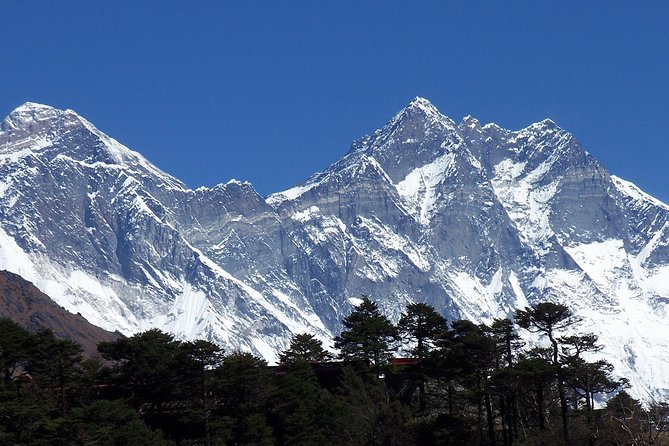
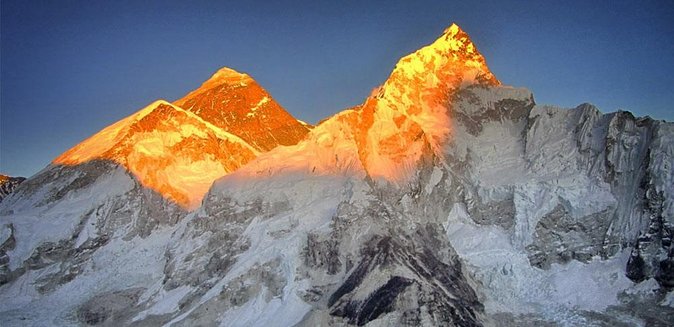
- Kala Patthar sunrise with a 360-degree view that includes Everest and Nuptse
- Sherpa-led logistics, including a crew that carries luggage through the trek
- Acclimatization stops like Tengboche and Dingboche that make the altitude feel more manageable
- Licensed paperwork support for the Everest region, plus a first aid setup that includes Diamox
From Thamel to Lukla: Getting on the Mountain Fast
Most Everest Base Camp trips rise and fall on logistics, and this one is built to reduce friction. You start in Thamel, Kathmandu’s backpack hub, with a meeting point close to public transportation. On arrival day, you get met at Tribhuvan International Airport, then transferred to your hotel for the overnight.
A nice touch: some groups get a friendly welcome at the airport. One set of guests noted garlands of marigolds during pickup, which is simple, but it sets a calm tone before the flights.
Day 2 is where the trip really snaps into gear. You take an early morning scenic flight to Lukla, about 35 minutes, then meet the crew who will carry your luggage for the trek. The actual walking begins right away, with a short acclimatization trek from Lukla, so you are not just sitting around waiting for altitude to catch up.
This matters for real life. If you try to “figure things out later,” you often end up stressed right when your body needs slow, steady pacing. Here, the plan starts working in your favor on day one.
You can also read our reviews of more hiking tours in Kathmandu
Day 1 and 2: Kathmandu Hotel Comfort Then a Quick Jump to Sherpa Country
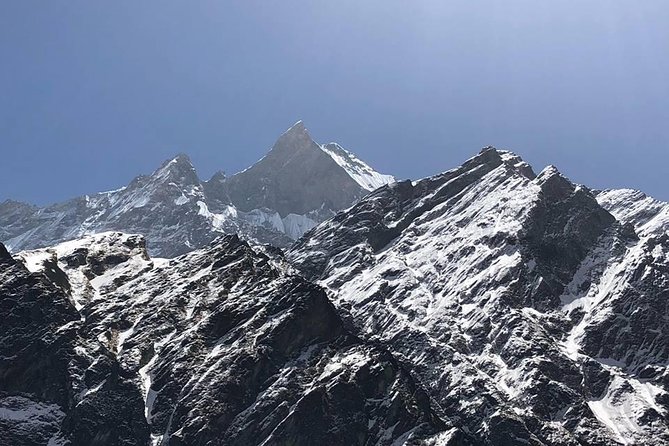
Day 1 is straightforward: airport arrival, welcome, and hotel overnight in Kathmandu. That buffer is underrated. After international travel, you want a real bed and time to get your bearings before you jump into remote trekking.
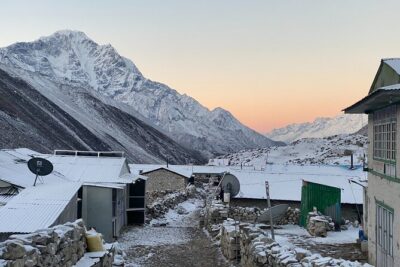
On day 2, the Lukla flight is short, but it’s also a mental shift. You go from city traffic and noise to Sherpa villages and mountain air. After landing, you do a brief acclimatization walk and begin the trek route from Lukla.
Why this is a good design: it reduces the shock of going from Kathmandu altitude (already high) to the Khumbu region too fast. You still need to take it easy, but you’re not starting completely cold.
Days 3 to 5: Pine Forests, First Big Views, and the Dudh Koshi Rollercoaster
The middle of the first week gives you the classics: forest walking, river crossings, and those first sudden mountain reveals.
Day 3, Pine forest walking and first Everest sightings
You trek through a lush pine forest and cross the Dudkosi River. This is the day where many people get their first real emotional jolt. The route includes early views of Everest and nearby peaks such as Kusum Kanguru, so you’re not waiting until the end to feel like you picked the right trail.
Small drawback: forest days can feel a bit repetitive if you’re stuck indoors during travel. The fix is attitude and pacing. Keep moving gently, and look for micro-moments, like how the light changes when the mountains start showing themselves between trees.
Day 4, Acclimatization with a view payoff
Day 4 is a rest and acclimatization day with an ascent to a lookout. You get sweeping views that can include Everest, Lhotse, Cholatse, Thamserku, Kwangde, Khandala, and Ama Dablam, plus a beautiful valley.
This is one of the most valuable parts of the itinerary because it’s intentionally not a grind. You’re training your body to handle elevation without burning matches you’ll need later.
Day 5, Everest highway style, rhododendron climbs
Day 5 follows the highway of Everest section, including a descent to the Dudh Koshi River and an ascent along rhododendron. The trail feels like progress, but also like work. This is the kind of day where good walking rhythm beats heroics.
If you’re sensitive to fatigue, remember that early optimism often fades after the second climb of the day. Stay consistent. Walk steady. Save your effort for the long days that come later.
Tengboche and Dingboche: Monastery Mornings and a Real Rest Day
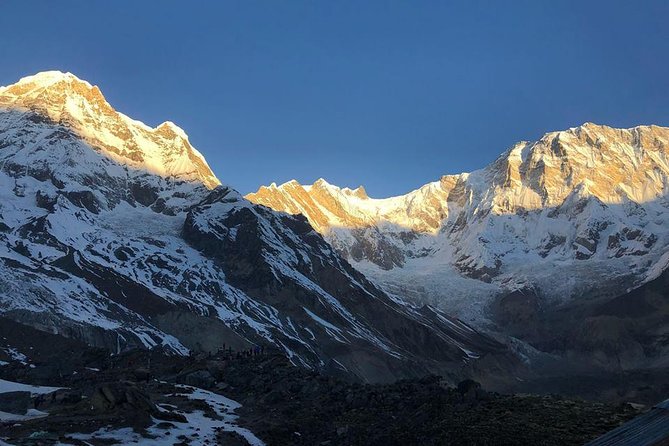
If Everest Base Camp is the trophy, Tengboche and Dingboche are the supporting cast that keep you reaching it.
Day 6, Tengboche monastery in morning light
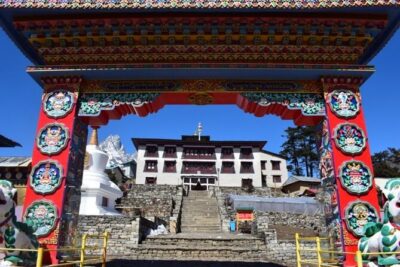
You start with breakfast and then head along a trail with a big spiritual and scenic anchor: the monastery in Tengboche. Morning light can make the whole area feel crisp and focused, with mountains looking pristine and dramatic.
Then you continue through forest scenery. The walk is described with a creative nickname for its beauty, and honestly, that’s the point. This is a day where scenery helps you keep your pace even when the altitude asks for patience.
Day 7, Dingboche rest day that actually helps
Day 7 is a rest and acclimatization day in Dingboche. The village is known as a popular stop for trekkers and climbers heading toward Everest, Ama Dablam, and Imja Tse. You also get a feel for farming life, with stone-walled fields that protect barley.
This day is not about conquering. It’s about letting your body catch up. I’d treat it like a recovery bonus you paid for, not a free extra hike.
Also, one important reality check from reviews: the route can feel busier than it used to. Dingboche and other popular villages may have more people at peak season. That does not ruin the trek, but it can change how quiet the villages feel.
Day 8 to 10: Memorial Ridge, the Khumbu Glacier Route, and Kala Patthar Sunrise
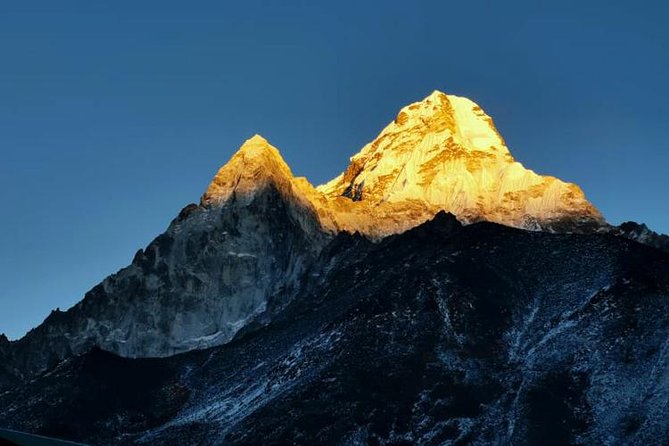
These are the days that separate a “nice trek” from the reason you booked Everest Base Camp in the first place.
Day 8, Duglha to Chukpo Lari ridge and memorials
Day 8 begins with a gradual climb to Duglha, then turns into a steeper push to the ridge at the top of Chukpo Lari. The trail includes memorials in tribute to climbers who have died on Mount Everest.
That detail changes how you walk. It’s not just scenery. It’s perspective. You’ll likely slow down and look longer than planned.
Practical tip: memorial points are often short breaks. Use them wisely. Check your breathing. Drink water. Then keep moving.
Day 9, Lobuche to the glacier and lateral moraine
Day 9 is described as the most exciting and long-awaited day. You leave from Lubuche, follow flat meadow sections, then head toward the Khumbu Glacier northwards. You climb onto the lateral moraine as the day progresses.
This part of the trek is where the environment gets more rugged and open. It’s also where you feel altitude in a more physical way, because the ground and pace demand focus.
If you’re the type who gets anxious on exposed routes, keep your attention on short goals: one viewpoint, one teahouse stop, one bend in the trail. It keeps your mind out of trouble.
Day 10, Kalapathar and a 360-degree sunrise
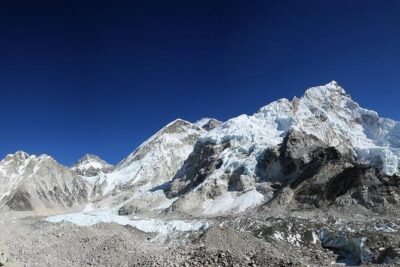
Day 10 is a classic early wake-up: you climb for about 2 hours to Kalapathar on the bottom of Mount Pumori. From Kalapathar, you watch sunrise across a 360-degree panorama that includes Everest, Nuptse, and other major peaks.
This is the moment most people plan for, and the design is strong. The sunrise viewpoint is reached by the climb, not by a lazy walk. You earn the view with effort.
Downside: sunrise starts early. Your sleep quality might not be perfect in mountain lodges. Pack for cold and use the trek rhythm to rest when you can.
Heading Back: Tengboche Descent, Suspension Bridges, and the Kathmandu Landing
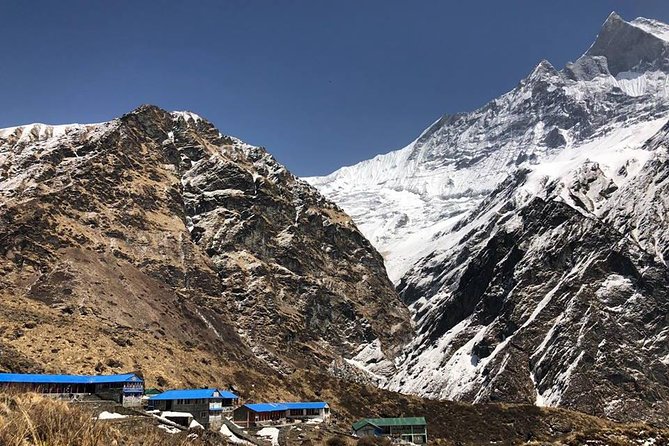
The return days matter, too. The mountains test you less on the outward push, then hit you with fatigue on the way down.
Day 11, down through Sherpa villages, back toward rivers and forests
Day 11 descends through Sherpa villages, reaches the bank into the Dudkosi River area, then crosses and heads into the forest via Dingboche. You climb up again toward Tengboche.
This is a mix day: walking feels longer because the route changes shape, and you’re not fully in recovery mode yet.
Day 12, backtracking through villages and over suspension bridges
Day 12 descends steep sections back along the route you crossed earlier, including villages such as Jorsalle, Manjo, Benkar, and Phakding. You’ll also walk over several suspension bridges over the Dhud Koshi River.
Suspension bridges are fun until your legs are tired. If your knees get cranky, slow down and shorten your stride. Let the bridge moment be about balance, not speed.
Day 13, fly back to Kathmandu, then leisure time
On day 13, you fly back to Kathmandu. Then you get leisure time in the city. This helps you decompress and, if you missed it, do real shopping and meals away from the trail.
Some people underestimate the value of that plain recovery day. After all those days of layers and lodge life, a normal city pace feels luxurious.
Meals, Lodges, and the Small Costs You Should Plan For
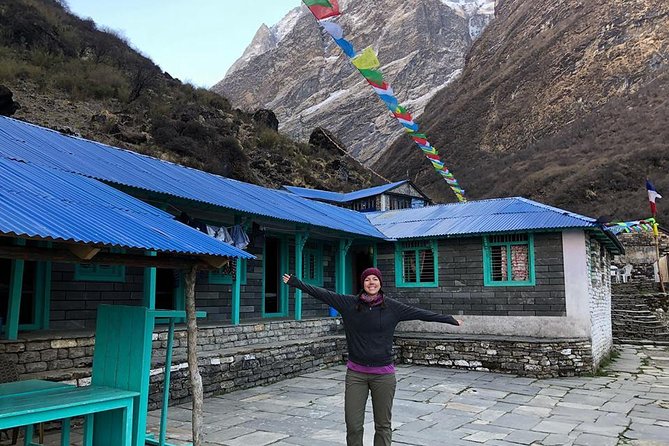
This trek is built around trekking lodges with included food. That means you can focus on walking, not negotiating for meals each time.
You get full-board meals during the trek, including breakfast, lunch, and dinner. The trip also highlights authentic local meals, which matters because lodge menus can vary a lot from one region to another.
Still, there are two practical realities:
- Your food choices may be limited day to day. One review noted a similar menu across days.
- Some lodge stays may be basic. Another review called out that an accommodation in Lukla was not great, while other parts of the trek were better.
Also, plan for the extras. You pay for water and drinks during the trek. Wi-Fi and any porter beyond what you already have for luggage will also cost extra. Hot showers and drinks are not treated as included throughout.
If you want comfort without stress, budget a simple daily amount for water, snacks, and a hot drink. And if you care about Wi-Fi, be ready for uneven access.
Guides and Support: Why the Human Team Changes the Trek
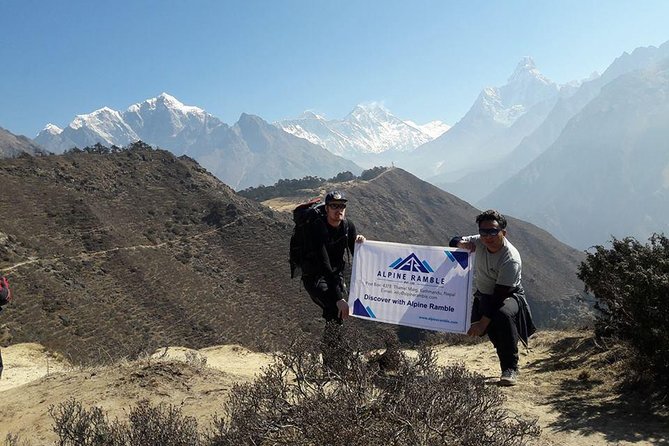
On an Everest Base Camp trek, the scenery is doing the work. But the people are what make it feel safe and smooth.
This package includes a professional, experienced, friendly government-licensed guide. It also includes trekking documents for the Everest region, including the Everest national park and TIMS card.
You’ll also have a first aid medical kit. Importantly, the kit includes Diamox for altitude sickness. The trip also notes emergency rescue operations funded by travel insurance.
That set of details is not just paperwork. It’s your peace of mind when you hit a rough patch, whether it’s altitude discomfort, weather shifts, or a simple logistics problem.
The human side shows up in the reviews with real names. People highlighted the owner Dil for quick responses and solid organization. Guides named include Sujal, Amer, Laxman, Ram, Saugat, and Subash, with porters such as Dhower also mentioned for supportive teamwork. The common thread is attentive guidance, flexibility, and making the trek feel manageable.
If you’re a solo walker or you have teens in the group, this matters even more. A good guide can adjust pace and keep everyone thinking clearly.
Price and Logistics: What You’re Actually Paying For
At $1,420 per person, this trek is not cheap, but it is built around real costs that add up fast on the Everest route.
Here’s what’s included:
- Round-trip flights between Kathmandu and Lukla, including departure taxes
- Licensed guide and trekking documents (TIMS and Everest national park paperwork)
- Rooms in trekking lodges during the trek
- Full-board meals during the trek
- First aid kit, including Diamox
- First aid and emergency rescue operation funded by travel insurance
What’s not included:
- International flights
- Nepal entry visa fees
- Meals and lodging before and after the trek in Kathmandu beyond what’s described
- Water, snacks, Wi-Fi, and drinks
- Hot shower costs
- Porter if you need it
For value, the biggest win is that you’re not bargaining your way through permits, guides, and logistics on the ground. You also get the Kathmandu start point in Thamel, pickup and transfer support, plus the included flight piece, which can be the hardest part to line up.
One more practical note: this is a small-group trek, max 12. That usually improves coordination and makes it easier to share plans and walk at a similar pace without chaos.
So, the real question is not just whether $1,420 is fair. It’s whether you want to outsource the messy parts. If yes, this price starts to look like good sense.
Altitude and Fitness: How to Set Yourself Up for Success
The trek is listed for travelers with moderate physical fitness. That’s a helpful clue. It suggests you do not need to be a mountain athlete, but you do need endurance, steady pacing, and the willingness to walk slower than you want to.
The itinerary supports acclimatization in a few ways:
- You include rest and acclimatization days, including Day 4 and Day 7
- You do an early lookout climb on Day 4 rather than a nonstop grind
- You reach key high points like Kalapathar with an early start, so you’re not guessing how hard that day will be
Your biggest enemies here are fatigue and altitude discomfort. Plan for cold lodge nights, take it slow on climbs, and drink water steadily. If you have a history of altitude sickness, talk to a medical professional before you go, and pack accordingly since the trek provides a first aid kit with Diamox.
Should You Book This Everest Base Camp Trek?
Book this trek if you want the classic Everest Base Camp route with a small group, included lodge meals, and a licensed guide handling the paperwork and mountain logistics. If you like being social but not crowded, this group size is a strong fit.
Skip it, or at least think twice, if you hate early mornings. Kalapathar sunrise requires an early wake-up and a real climb. Also consider the extra mountain costs for water and drinks and any Wi-Fi you want.
One more timing reason to take this seriously: Everest Base Camp is set to move location, so the “classic” experience can become harder to recreate. If you’ve been waiting for the right moment, this is a solid one.
If you want a well-run plan that keeps you focused on walking and views, this trek fits the bill.
FAQ
How many days is the Everest Base Camp trek?
The package is described as a 14-day trek, with an itinerary that runs through Day 13 plus travel time around it. Expect about 13 days of trekking activities on the schedule provided.
Where do I meet the tour group in Kathmandu?
The meeting point is in Thamel, Kathmandu 44600, Nepal, and the tour ends back at this same meeting point.
Is the guide included, and are they licensed?
Yes. The trek includes a professional, experienced, friendly government-licensed guide.
What flights are included?
Round-trip flights between Kathmandu and Lukla are included, including departure taxes.
What is included during the trek for meals and lodging?
You get full-board meals (breakfast, lunch, dinner) during the trek, and accommodations in trekking lodges for the duration of the trek.
What is included, and what costs extra?
Included: lodge meals and accommodations during the trek, guide, paperwork (Everest national park and TIMS card), first aid kit, and a Diamox mention. Not included: Nepal entry visa fees, international flights, water and drinks, Wi-Fi, and a local porter if you need it. Cancellation is free if you cancel at least 24 hours in advance for a full refund.
More Hiking & Trekking Tours in Kathmandu
More Tour Reviews in Kathmandu
Not for you? Here's more nearby things to do in Kathmandu we have reviewed


Everest Base Camp Treks from Kathmandu, compared.
 ★ 5.0Everest Base Camp Trek – 14 DaysFrom $1,8001,499 reviews
 ★ 5.0Everest Base Camp TrekkingFrom $1,350485 reviews
 ★ 5.0Everest Base Camp Trekking – 13 DayFrom $1,399365 reviews
 ★ 5.0Everest Base Camp Trekking – 2025/2026From $1,339199 reviews
 ★ 5.0Everest Base Camp TrekFrom $1,408193 reviews
14-Days Private Everest Base Camp TrekFrom $1,600152 reviews
★ 5.0Everest Base Camp TrekkingFrom $1,350146 reviews
★ 5.0Everest Base Camp TrekFrom $1,300123 reviews
★ 5.0Everest Base Camp TrekFrom $1,408193 reviews
14-Days Private Everest Base Camp TrekFrom $1,600152 reviews
★ 5.0Everest Base Camp TrekkingFrom $1,350146 reviews
★ 5.0Everest Base Camp TrekFrom $1,300123 reviews
Browse the lists this tour appears in