
If you like food you can actually make, this is it. This momo cooking class turns a famous Nepalese snack into a real, step-by-step skill, right in a local home kitchen in Kathmandu. You start from kneading dough and end with cooked dumplings you fold with your own hands.
I especially like the hands-on flow, from prepping fillings to mastering the fold. And I like the social part too, when you sit with the host and family to enjoy your momos together and talk. One thing to consider: it is not recommended for travelers with gluten allergies, since momo dough uses wheat flour.
Key highlights before you book
- A full momo workflow, not just watching: knead dough, prep fillings, fold, and cook.
- Learn with a local host in their home: you get the real rhythm of a family kitchen.
- Veg and non-veg options: you can make both vegetarian and non-vegetarian momos.
- Small, private setup: it is a private activity where only your group participates.
- Eat what you make: you sit down with the host and family after cooking.
- Mobile ticket and easy access: it is a mobile ticket experience and near public transportation.
What you do in the class (and why it matters)
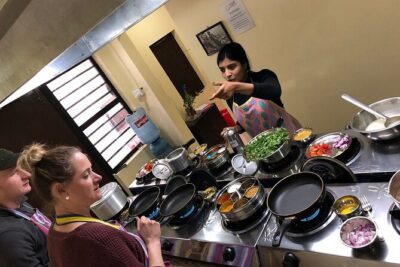
This class is built around one simple idea: you should leave knowing how to make momos, not just how to order them. You learn in a home kitchen, so everything feels practical. You are working with real ingredients, real tools, and real techniques, the kind families use day to day.
The 2.5 hour format is ideal for first-timers. You get enough time to learn the basics properly, without feeling dragged through a long cooking day. Expect the pacing to be hands-on, with each stage building on the last: dough, filling prep, folding, and then cooking.
And yes, momo is a big deal in Nepal. People love it, locals include it in everyday meals and snacks, and visitors usually end up becoming fans quickly. The cool part is you do not just learn why it is popular, you learn the mechanics of it.
You can also read our reviews of more cooking classes in Kathmandu
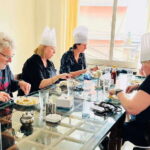
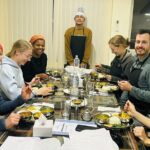
The step-by-step momo process in a real kitchen
Your class follows the full arc of making momos. Here is what that means for you, in plain terms.
Kneading the dough
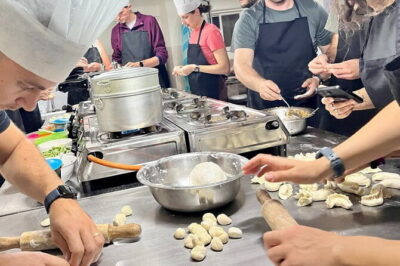
You begin with kneading the dough. This is where you learn the foundation: how the dough should feel and how to keep it workable. If you have ever tried to make dumpling wrappers, you know the dough texture matters more than you expect.
In a home kitchen, you are not guessing. You can follow the host’s guidance and adjust while you work. That is the difference between cooking as a tourist and cooking as a student.
Preparing ingredients
Next comes the ingredient prep. You learn how fillings are assembled for your momo style, and how to get the ingredients ready for folding. This stage teaches you how to think like a cook, not just like a diner.
Even if you do not eat meat, the structure stays useful. The overall prep steps teach you about balance and texture, which is key for any dumpling filling.
Folding the momos
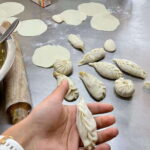
Folding is the skill moment. It can look tricky at first, but in a family-style lesson, you get the chance to try repeatedly and correct mistakes. This is also where many people feel the most satisfaction, because you can physically see your progress.
When your momo folds look more consistent, you also gain confidence for cooking. Dumplings that are sealed well cook more reliably, and you can focus on learning the technique without stressing about the end result.
A few more Kathmandu tours and experiences worth a look
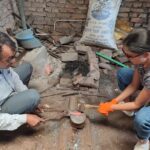
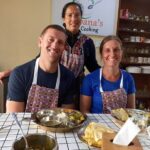
Cooking and tasting
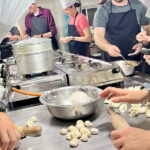
Finally, you cook what you made. Cooking time is usually the part that separates edible from great. You also get immediate tasting feedback, so you understand what works and what to improve next time.
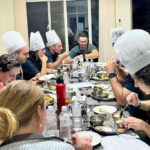
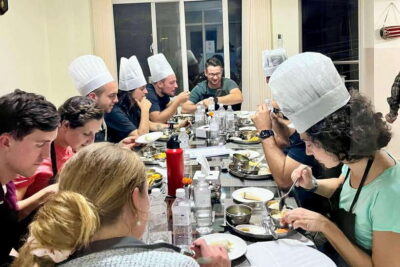
And then comes the best perk of all, you sit down with the host and family to enjoy your momos and talk. That changes the feeling of the class. It becomes a shared meal, not a production line.
Veg and non-veg momos: what to expect
You will find both veg and non-veg momos included. In practice, that means you get choices based on your taste, and you also get a sense of how fillings change.
Non-veg momos are often made with chicken or buffalo in Kathmandu cooking lessons, and you may see those options in this class format. Veg momos usually let you practice the same wrapper and folding techniques with different fillings.
Here is the practical takeaway: even if you only want one type to eat, you can still treat the class like a skills lesson. Folding, sealing, and cooking are transferable. By the end, you should be able to recreate at least one style confidently.
The Kathmandu home setting: more than a cooking demo
I love cooking classes that feel like you were invited, not like you showed up for a show. This one happens at the host’s kitchen, in a friendly family atmosphere. You are warmly welcomed, and you get to learn as part of their daily rhythm.
A big value here is context. You are not just learning a recipe, you are learning a local way of doing things. That home setting also makes it easier to ask questions. Food lessons go faster when you can speak freely and learn from the way someone teaches you in real time.
Many classes promise authentic. This one earns it because the learning and the eating both happen with the host and family. You get conversation alongside food, which turns the workshop into a cultural moment, not only a culinary one.
Logistics that actually help you plan
This is a private tour/activity, and only your group participates. That matters if you want a calmer experience and more direct attention as you fold and cook. It also makes the whole process feel more personal.
Where to meet: People’s Dental College & Hospital, Sorakhutte Sorakhutte Chowk, Kathmandu 44600, Nepal. The activity ends back at the meeting point.
Timing: about 2 hours 30 minutes. In Kathmandu, that length is long enough to learn, short enough that you can still pack other plans the same day.
Mobile ticket: you use a mobile ticket for the experience. It is one less thing to juggle.
Getting there: it is near public transportation. You should still plan for traffic, but you are not stuck relying on complicated connections.
One more note for planning: confirmation is received at the time of booking, so you are not left waiting around wondering if the session is locked in.
Price and value: is $35 worth it?
At $35 per person for roughly 2.5 hours, this class sits in the affordable range for a hands-on workshop. The real question is what you get for that money, and the answer is not just ingredients and cooking time.
You are paying for:
- Instruction from a local host with years of teaching experience
- A full workflow, not a brief demo
- Time in a home kitchen with a friendly host and family
- A shared meal afterward, when you sit down and enjoy your momos
That combination is usually where good value comes from. You are not only learning to cook, you are getting the social payoff of the meal and the satisfaction of making dumplings from start to finish.
If you enjoy food tours but want something more practical than eating and walking, this is a smart spend. If you dislike hands-on cooking or you are short on time, it might feel like too much work for a snack. For most people, though, it hits a sweet spot.
Who this momo class fits best
This works especially well if you fall into any of these buckets.
You should consider it if:
- You are new to Nepali food and want to make something iconic.
- You like interactive activities more than guided sightseeing.
- You are traveling with family or mixed ages and want a format that encourages participation.
- You want a local home experience without a complicated schedule.
It may be a poor match if:
- You have gluten allergies. It is not recommended.
- You want a class with zero mess and zero involvement. This is truly hands-on.
- You need the activity to be extremely flexible. The session runs for about 2.5 hours and follows a full cooking flow.
Tips to get the most from the experience
Since the focus is cooking, your goal should be to treat it like a skill lesson. That means showing up ready to work with your hands and asking questions as you go.
A few practical pointers:
- Wear comfortable clothes you can work in, because kneading and folding can be messy.
- If you are unsure about whether you will do veg or non-veg, decide before you arrive. That helps you settle into the lesson fast.
- When you sit down with the host and family, ask one or two questions about what makes their momo style their style. You will learn more than you expect.
- If language support is important to you, you may find translation support is available in some sessions. It is worth noting when you book.
Should you book this momo class?
If you want a memorable Kathmandu experience that is hands-on, social, and actually teaches a repeatable skill, I think you should book it. The price is reasonable for a private, full workflow class, and the best part is that you do not end as just a consumer. You end as someone who can fold momos, cook them, and share them with others.
Skip it if gluten allergies are part of your needs, since it is not recommended. Also skip it if you hate cooking tasks, because the point here is getting your hands involved.
Otherwise, this is one of those meals that turns into a story you can tell, and a recipe you can use again later.
FAQ
What is the location for the momo cooking class?
It starts at People’s Dental College & Hospital, Sorakhutte Sorakhutte Chowk, Kathmandu 44600, Nepal, and ends back at the meeting point.
How long is the class?
The duration is about 2 hours 30 minutes.
How much does it cost?
It costs $35.00 per person.
What will I learn during the cooking class?
You will learn the full process of making momos, including kneading the dough, preparing ingredients, folding the momos, and cooking them.
Can I make vegetarian momos?
Yes. The class includes veg momos.
Are non-vegetarian options included too?
Yes. Non-veg momos are also included, and you can make veg and non-veg options.
Is this activity private?
Yes. It is a private tour or activity, and only your group will participate.
Do I need a printed ticket?
No. It uses a mobile ticket.
Is it near public transportation?
Yes, the meeting point is near public transportation.
Is it recommended for travelers with gluten allergies?
No, it is not recommended for travelers with gluten allergies.
What is the cancellation policy?
You can cancel for a full refund up to 24 hours in advance of the experience start time. If you cancel less than 24 hours before, there is no refund.
More Workshops & Classes in Kathmandu
More Cooking Classes in Kathmandu
More Tour Reviews in Kathmandu


Not for you? Here's more nearby things to do in Kathmandu we have reviewed


Kathmandu Cooking & Momo Classes, compared.
 ★ 5.0Half day cooking class in Thamel kathmanduFrom $28607 reviews
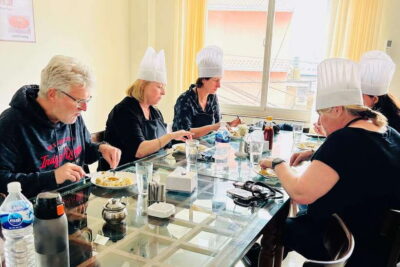 ★ 4.9Local Women-Led Nepali Cooking & Momo ClassFrom $4360 reviews
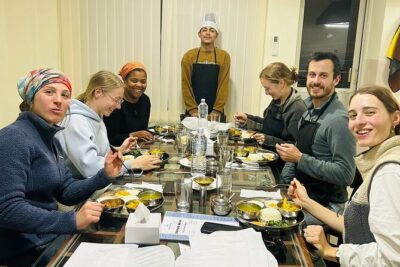 ★ 5.0Local Lead Nepali Cooking & Momo-Making ClassFrom $5212 reviews
Local Women Lead Nepali Cooking ClassFrom $30125 reviews
★ 5.0Local Lead Nepali Cooking & Momo-Making ClassFrom $5212 reviews
Local Women Lead Nepali Cooking ClassFrom $30125 reviews
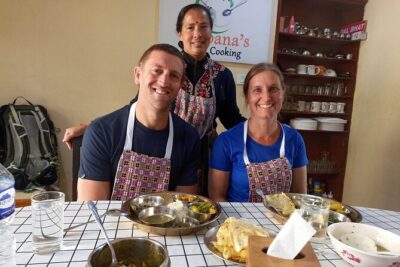 ★ 5.0The best Private Nepali Cooking Class in KathmanduFrom $2483 reviews
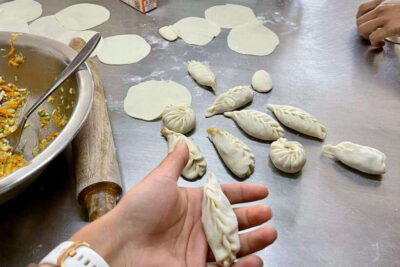 ★ 4.8Traditional Momo Making Class & PickupFrom $460 reviews
 ★ 5.0Traditional Nepali Momo Making ClassesFrom $1853 reviews
 ★ 4.9Local Women-Lead Nepali Cooking & Momo ClassFrom $545 reviews
Browse the lists this tour appears in