
REVIEW · ANNAPURNA TREKS FROM KATHMANDU
Annapurna Circuit Trek
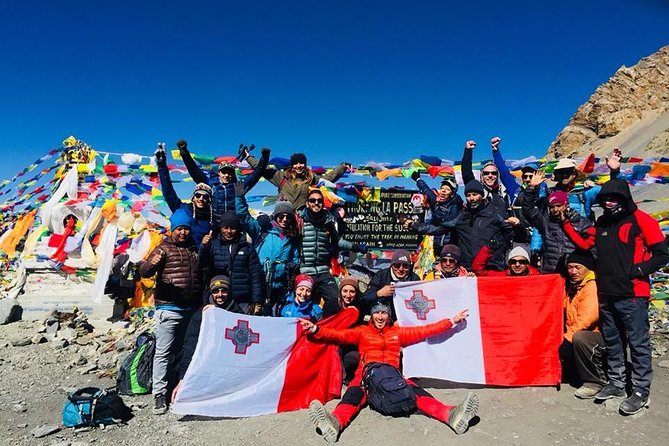
Thorong La turns a long trek into a real story. This guided Annapurna Circuit route mixes arid valleys, green forests, and remote villages, with a guide handling safety and logistics so you can focus on moving and looking around. You’ll hike from Jagat through Chame, Pisang, and Manang, then cross Thorong La before dropping toward Muktinath, Jomsom, and hot springs.
I love that you get personal attention from your expedition guide instead of just a route map. Guides like Rabin, Santosh, Sandip, Ganesh Ji, and Chakra show up in past trips as the kind of people who stay calm, answer questions, and help you make good decisions when altitude and weather get serious.
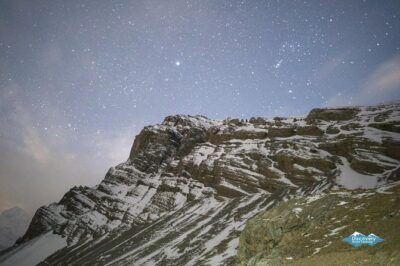
One drawback to plan for: this trek can feel brutally cold in the high camps. There are reports of night temperatures dropping to -20 C with strong wind, and frozen water is no joke.
Key points before you commit
- A licensed guide and real back-up: permits, safety basics, and day-to-day decisions handled for you
- Classic altitude plan with an acclimatization day in Manang to give your body a fighting chance
- Thorong La is the big event at 5,416m, then you earn the dramatic descent to Muktinath
- Included tea house stays and standard meals so you can budget less and hike more
- Cold-weather risk is real in the high season, so pack for freezing conditions
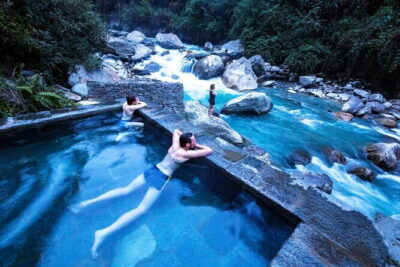
- Hot springs in Tatopani help you recover after the highest point
Why the Annapurna Circuit is a trek you feel in your legs
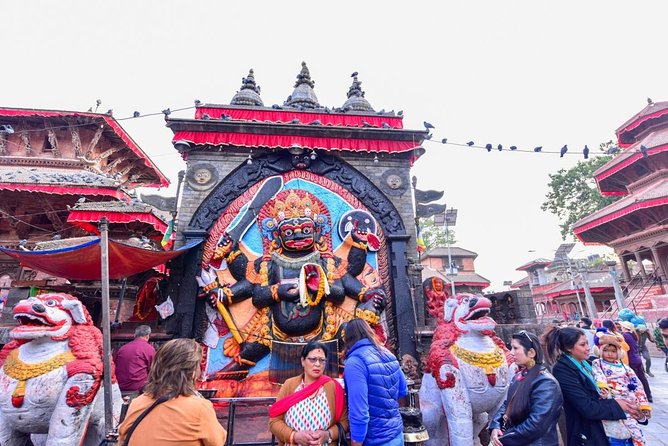
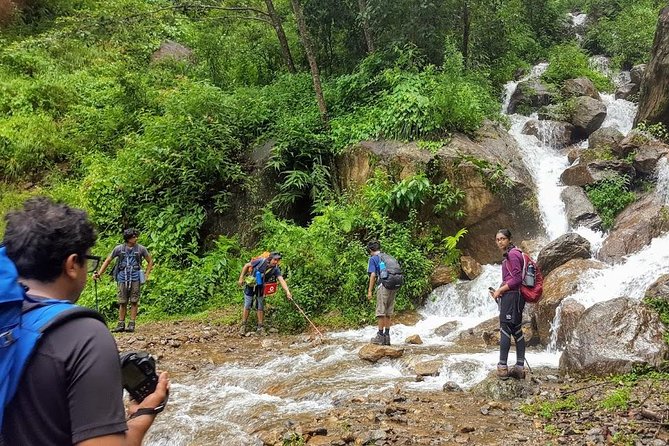
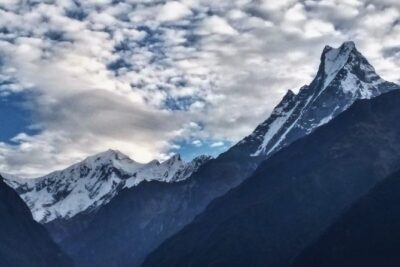
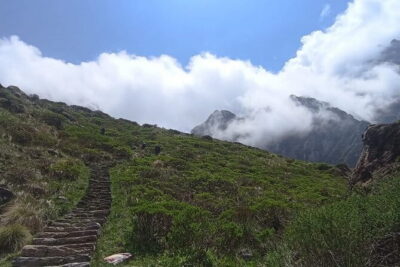
The Annapurna Circuit is famous for a reason. You go from lower, drier valleys into colder, higher terrain, and the scenery shifts almost like you’re traveling through different seasons in a single hike. One day you’re walking through warmer countryside with roaring waterfalls and village life nearby, then you’re in a harsher world where wind matters and every step costs more oxygen.
What makes this guided version especially practical is that it’s built for fewer hassles. You’re not trying to piece together permits, logistics, or daily timing on your own. The route still feels adventurous, but the mechanics are handled by a government-licensed guide team and an itinerary that keeps you moving in a reasonable pattern.
The tone of the guide experience stands out in the past feedback. People kept praising how guides stayed attentive and organized, like Santosh who reportedly kept everyone informed about what came next, or Ganesh Ji who encouraged hikers through the pass crossing. That matters because on this trek, good timing is half safety.
You can also read our reviews of more hiking tours in Kathmandu
Price and what you actually get for about $1,175
Let’s talk value, not just numbers. At about $1,175 for roughly 14 days, you’re paying for a package that covers the parts that usually add up fast on the Annapurna Circuit.
Included basics that directly reduce your hassle and risk:
- Tea house accommodation during the trek
- Three standard meals per trekking day (breakfast, lunch, dinner)
- An experienced, helpful guide, plus a first aid medical kit
- Trekking map
- Annapurna Conservation Area permits and TIMS fee
- Transportation for key transfer legs: Kathmandu to Jagat, Jomsom to Tatopani, plus private transport from Nayapul to Pokhara, and the drive back to Kathmandu
What is not included:
- Travel and rescue insurance
- Personal expenses (phone calls, laundry, bar bills, extra bottled/boiled water, showers, charging batteries, and similar items)
- Tips for guides and porters
- Porter support if you decide you need one
So the value calculation is simple: if you want a guided, permit-covered trek with meals and tea house lodging handled, this price is in the range where the planning load is removed. If you’re the kind of traveler who loves doing everything independently, you might find cheaper options, but you’ll trade that savings for more uncertainty and more work.
Kathmandu to Jagat: 8-9 hours of transfer, then you start hiking for real
Your trek kicks off with a long drive from Kathmandu to Jagat via Besisahar. It’s listed as about 8-9 hours, and even if you take breaks, you should treat this as a day to reset, not to explore.
Why this leg matters: you’re going from the Kathmandu valley into a trekking corridor where the air feels different. You won’t be at pass height yet, but your body still learns the rhythm of altitude and movement. Also, starting in Jagat sets up a practical first hiking day rather than scrambling to build your legs on day one.
If you’re the sort of person who gets restless on long rides, bring something to pass the time, but keep hydration in mind. On trek days, you’ll thank yourself later.
Jagat to Dharapani and then to Chame: building rhythm, not speed
Day 2 is a trek from Jagat (1,960m area is not listed there, but Dharapani is 1,960m/6,430ft) to Dharapani, taking 6-7 hours. Day 3 moves from Dharapani to Chame at 2,710m/8,891ft, around 5-6 hours.
This section is where you learn the Annapurna pacing trick: steady effort beats big bursts. The trail likely feels easier than what comes later, but the altitude is rising and your breathing changes. Going too fast early is the classic way to feel worse mid-week.
What to watch for:
- Keep your pace “boring.” If you’re gasping, you’re hiking too hard.
- Plan to drink regularly, even if you don’t feel thirsty.
- Your biggest goal here is to arrive tired, not wrecked.
Chame is a turning point because you’re now in the higher band where the air is thinner and the temperatures can swing more between day and night.
Chame to Pisang to Manang: higher villages, colder nights, and more weather swings
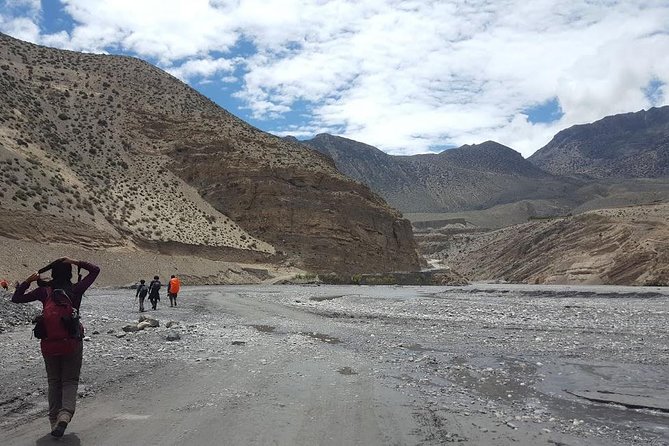
Day 4 takes you from Chame to Pisang (about 3,300m/10,629.9ft) with 5-6 hours of trekking. Day 5 goes from Pisang to Manang at 3,540m/11,614.1ft, around 6-7 hours.
This is where the trek starts to feel like a high-altitude hike instead of a regular hike. The villages get more “mountain practical.” Shops and guesthouses are centered on the trek rhythm, not tourism fluff. You’ll also notice how quickly cloud cover and wind can change the day.
Pisang is often a place where you can feel the transition. Manang, at 3,540m, becomes your staging area for the hardest part of the route. You’re still not at pass height, but you’re high enough that sleep can feel heavier and you might move a little slower.
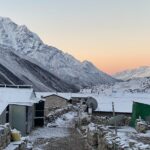
Manang acclimatization day: the day you should take seriously
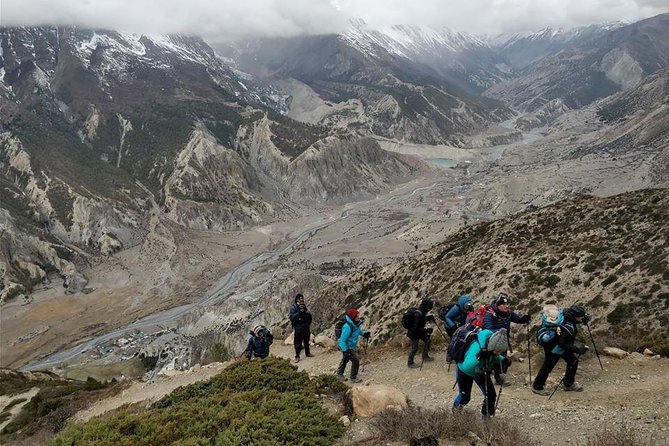
Day 6 is an acclimatization day at Manang. Day 7 then climbs to Yak Kharka (4,120m/13,517.06ft) in about 4-5 hours.
The acclimatization day is not “free time.” It’s your safety tool. Your body needs time to adjust before you push higher toward Thorong La. Even a short outing or slow walking around can help, but the main point is that you should avoid big exertion.
If you’ve ever skipped altitude advice and paid for it later, this is the section where you avoid that mistake. Plan to keep effort low, eat well, and treat hydration as part of your plan, not an afterthought.
Yak Kharka to Thorong Phedi: where the air starts acting different
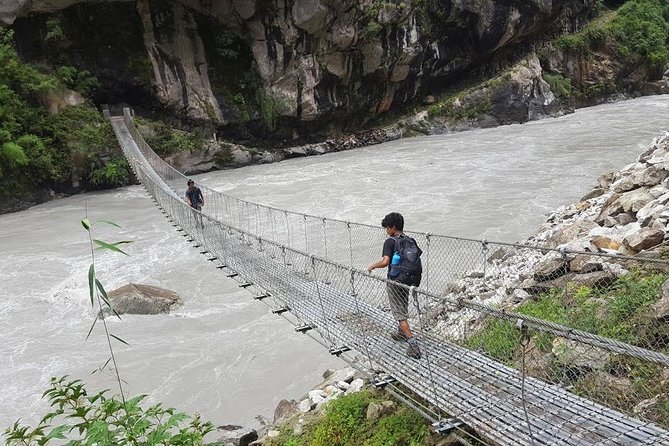
Day 8 is from Yak Kharka to Thorong Phedi (4,450m/14,960.63ft), around 4-5 hours.
This leg matters because Thorong Phedi is where the pass day energy is stored. You’re moving into a zone where mornings can feel sharp, and wind can cut through layers fast. You’ll likely notice a higher effort cost per kilometer.
Practical advice:
- Take extra time on rest breaks. Short rests keep you from burning matches early.
- Keep your layers ready. You’ll warm up while hiking and cool down quickly while standing around.
- Prioritize sleep and calm. If you spend the evening overthinking or exerting yourself, you’ll feel it in the morning.
Thorong La to Muktinath: the pass, the drama, and the payoff
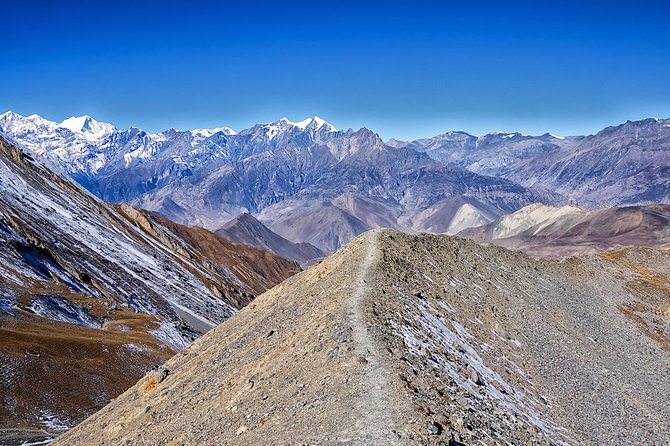
Day 9 is one of the big days: trek from Thorong Phedi to Muktinath (3,802m/12,473.75ft) via Thorong La (5,416m/17,769.03ft), taking 7-8 hours.
This is the day most hikers remember. You gain high altitude pressure, then you drop again, and the trail between those points is where preparation and pacing matter. It’s also the day where a good guide experience really shows. Past hikers praised guides who stayed patient, explained what to expect, and encouraged them through the crossing, including people who specifically credited their guides for helping them complete Thorong La.
Why this day is worth doing with a guide:
- Your guide can help you manage pace when conditions change.
- In cold wind, staying warm and moving efficiently can be the difference between uncomfortable and unsafe.
- The descent toward Muktinath can feel long after the pass, and guidance keeps you from rushing blindly.
When you reach Muktinath, the reward is both physical and emotional. You’re lower than the pass, and you get to shift from “survive the altitude” to “look around and breathe.”
Muktinath to Jomsom to Tatopani: altitude drops and comfort rises
Day 10 goes from Muktinath to Jomsom (2,743m/8,999.3ft) in 5-6 hours. Day 11 is a drive from Jomsom to Tatopani (1,290m/4,232.2ft) for 4-5 hours, with natural hot springs.
This sequence is smart. After the high pass, your body needs a reset. Dropping from the 3,800m range down to Jomsom lowers the oxygen stress. Then Tatopani gives you a real morale boost: hot springs are one of the few “instant recovery” tools on this kind of trek.
Tatopani also changes the vibe. You’re not fighting for warmth at the same levels. You can eat, soak, and let your muscles decompress.
Tatopani to Ghorepani and the Poon Hill sunrise: the feel-good ending
Day 12 is a trek from Tatopani to Ghorepani (2,750m/9,022ft) in 7-8 hours. Day 13 starts with an early hike up to Poon Hill (3,210m/10,531ft), then you trek down to Nayapul (2,070m/6,791ft) and take a taxi to Pokhara. Total time listed is 7-8 hours.
This part is all about payoff and variety. Ghorepani is a classic base for sunset and sunrise trekking, and Poon Hill tends to give big views for a relatively short vertical push. The early start is still work, but it’s the good kind of work, the kind that ends with a view that makes the cold and effort feel worth it.
Then you slide into the final stretch: down to Nayapul and onward by taxi to Pokhara. Pokhara is your decompression stop. Think hot shower, softer beds, and a chance to process everything you just did while your legs slowly accept their fate.
Day 14 is the drive from Pokhara back to Kathmandu (about 822m to 1,400m).
Tea house meals and lodging: included basics that keep you moving
This trek includes tea house accommodation and three standard meals during trekking: breakfast, lunch, and dinner. That’s a big deal because it removes decision fatigue. You don’t want to spend your best energy bargaining at altitude when you’d rather be walking or resting.
The tea house setup typically means:
- Shared dining spaces
- Simple rooms
- Meals designed for hikers who need fuel, not fine dining
Because your meals are included, your day-to-day budgeting gets easier. Your main extra costs become personal items like phone charging, bottled or boiled water, and tips.
Guides: why having Santosh, Sandip, Ganesh Ji, Rabin, or Chakra changes the trek
One pattern shows up strongly: guides who are attentive, calm, and present. Past experience highlights Santosh as someone who stayed informed about what was coming next and helped people meet their needs. Rabin is described as being with the group at every step and making organization feel like a walk in the park. Sandip is praised for professionalism and care, plus comfort with local culture and trails.
Ganesh Ji and Chakra also come up in a way that tells me what matters most on this route: encouragement, patience, and practical answers. On Thorong La day, that support matters. On a cold night, it matters too. When it’s windy and temperatures drop, you don’t need hype. You need someone who keeps decisions grounded.
If you’re choosing a guided trek because you want a partner through logistics and safety, this is the right kind of setup.
Packing for the Annapurna Circuit cold, not for a warm hike
You should pack like the mountains mean business. One of the most direct warnings from past experience is about cold at night: temperatures can drop to around -20 C, and wind can hit around 20 km/h, freezing water stored in normal bottles.
So what that means for you:
- Bring serious cold layers, not just light winter gear.
- Plan for the reality that staying warm while standing still at altitude is harder than staying warm while hiking.
- Insulated water strategy is important. If water freezes, it affects hydration and morale.
- Use your guide and tea house setup to manage heat. That first warm meal after a long cold day becomes priceless.
Even if you personally never experience the coldest conditions, pack for it. On this route, the “maybe” is still a risk.
Who should book this trek, and who might want a gentler plan
This trek is best for people with moderate physical fitness who want a classic high-altitude hike with a real guide and included logistics. If you like walking for hours, handling cold evenings, and seeing a wide range of terrain, you’ll likely enjoy it.
You might think twice if:
- You’re hoping for a low-effort vacation hike
- You hate cold-weather camping style conditions (tea houses still mean mountain reality)
- You’re not willing to take acclimatization seriously in Manang
- You’re traveling without safety planning and basic cold readiness
For the right person, this is the kind of trek that makes you feel accomplished in a grounded way. Not just photos, but the sense that you did something hard with help and structure.
Should you book this Annapurna Circuit trek?
I think you should book if you want the classic Annapurna Circuit experience with the hard parts handled: guide support, permits, TIMS, tea house lodging, and meals. At about $1,175 for 14 days, you’re paying for less stress and less guesswork, plus the ability to focus on pacing and safety rather than logistics.
Don’t book it on a whim. Pick it if you’re ready for altitude and cold nights, and if you’ll take the acclimatization day seriously. Also, get your insurance lined up, because it’s not included, and you’re operating in a high, remote environment.
If that sounds like your kind of travel, this trek is a strong choice.
FAQ
How long is the Annapurna Circuit trek?
It runs for about 14 days.
What transportation is included?
You get bus transportation from Kathmandu to Jagat and from Jomsom to Tatopani. You also get private transportation from Nayapul to Pokhara, and a drive from Pokhara back to Kathmandu.
Are permits and TIMS included?
Yes. The price includes Annapurna Conservation Park permits and the TIMS fee (Trekkers’ Information Management System).
Is accommodation and food included?
Yes. You stay in tea houses during the trek, and you have three standard meals each trekking day (breakfast, lunch, and dinner).
What is the highest point on this trek?
The route crosses Thorong La at 5,416m.
How cold can it get at night?
One past experience reported night temperatures dropping to about -20 C with wind around 20 km/h, with water freezing in a normal bottle. Pack for freezing conditions.
What is not included in the price?
Travel and rescue insurance, personal expenses (like phone calls, laundry, extra drinks or water, charging, shower costs), tips for guides and porters, and porter service if you need one.
What is the cancellation timeline for a full refund?
You can cancel up to 6 days in advance for a full refund, and the cutoff is based on local time.
More Hiking & Trekking Tours in Kathmandu
More Tour Reviews in Kathmandu
Not for you? Here's more nearby things to do in Kathmandu we have reviewed


Annapurna Treks from Kathmandu, compared.
 ★ 5.0Annapurna Circuit Trek with Tilicho LakeFrom $1,093368 reviews
 ★ 5.0Annapurna base camp trek 5 DaysFrom $699252 reviews
 ★ 5.0Annapurna Base Camp TrekFrom $935111 reviews
 ★ 5.0Kathmandu to Annapurna Base Camp (ABC) 5-Day TrekFrom $99102 reviews
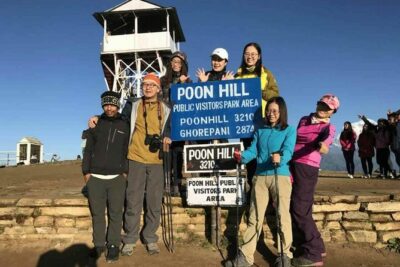 ★ 5.04 Days Poon Hill TrekFrom $40594 reviews
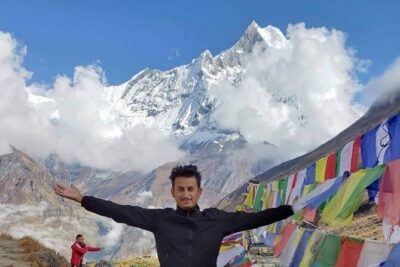 ★ 5.0Annapurna Base Camp Trek 12 DaysFrom $80085 reviews
Annapurna Base Camp TrekFrom $78581 reviews
★ 5.0Annapurna Base Camp Trek 12 DaysFrom $80085 reviews
Annapurna Base Camp TrekFrom $78581 reviews
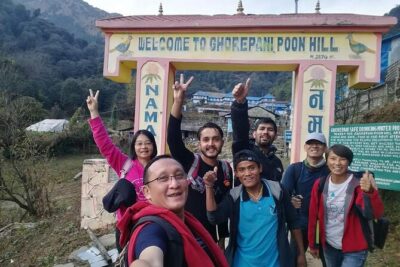 ★ 5.0Ghorepani(Poonhill Trek)From $60081 reviews
Browse the lists this tour appears in