
REVIEW · 5-DAY EXPERIENCES
5-Day Sunrise Tour in Kathmandu Near Everest
Five days later, your Kathmandu checklist is done. This tour is built around two big wins: easy door-to-door transport and a planned shot at Himalaya sunrise views from Nagarkot. It also strings together major Kathmandu Valley landmarks without you having to figure out traffic or taxi logistics.
I especially like the way 4 nights’ accommodation are handled, with three nights in Kathmandu plus one night in Nagarkot. I also like that an English-speaking guide keeps the stops understandable and not just photo stops. One consideration: entrance fees and most meals are not included, so you’ll want a simple daily cash plan.
You should also know Everest visibility is weather-dependent. The tour gives you the timing and the viewpoint for sunrise, but no operator can promise a clear sight of Mount Everest every day.
Key things I’d plan around before you go
- Airport-to-hotel handoff with hotel orientation and a welcome dinner on Day 1
- Private AC vehicle transport in a small group, up to 7 travelers
- Kathmandu Valley icons with an English-speaking guide: Swayambhunath, Pashupatinath, Boudhanath, and more
- Nagarkot sunset and sunrise timing to maximize your chances with the light and the sky
- Hotel base in both city and hills, so you avoid constant packing and changing plans
The real idea behind a Kathmandu sunrise tour
This trip mixes city temples with a mountain viewpoint, and that balance is exactly why it works for first-time Nepal visitors. Kathmandu can feel like sensory overload, even if you enjoy chaos. Here, you get a guided route plus vehicle transport, so you can focus on what matters, people-watching included, not on navigating congestion.
The second half, Nagarkot, is where the story turns to sky and ridgelines. You spend time in the hills and then go early for sunrise, which is the moment most people book this kind of tour for. If the weather is clear, it can be dramatic. If clouds roll in, you still get the calm of the viewpoint and the experience of a hill morning outside the city churn.
A few more Kathmandu tours and experiences worth a look
Price and what $370 actually buys you
At $370 per person for about five days, the value depends on how much you hate logistics. This price includes arrival and departure transfers, four nights of accommodation, breakfasts, a welcome dinner, and guided sightseeing with transport. In a destination like Kathmandu, where hiring separate vehicles day by day can add up fast, having that bundle matters.
You are not paying for entrance tickets to temples and squares, and you’ll still need to cover lunch and dinner on your own. But you are paying for the parts that are hardest to organize: timing, coordination across multiple sites, and getting you to Nagarkot without the guesswork.
If you like a structured trip with less decision fatigue, this is likely a good fit for the money.
Day 1 arrival: 4:45 pm pickup, hotel orientation, and a proper welcome dinner
The tour starts with a pickup at Tribhuvan International Airport. The stated start time is 4:45 pm, and your day begins once the representative receives you and transfers you to your hotel.
Once you settle in, there’s an orientation program at the hotel and then an escorted welcome cultural dinner. That combination is practical. You get to ask quick questions about what to wear, how the day schedule works, and where you can safely spend time, without guessing in the first hours after landing.
If you already booked a hotel in Kathmandu for before or after, the operator says pickup and drop off can be arranged from your hotel. That flexibility is helpful if you want to extend your trip at either end.
Kathmandu Valley Day 2: four big sacred stops in one guided sweep
Day 2 is classic Kathmandu Valley. You go from hilltop views to temple precincts to a huge stupa complex, then into Patan Durbar Square. Because it’s all grouped tightly, it’s a good day for seeing the differences between sites without burning energy on repeated travel planning.
Swayambhunath: the hilltop viewpoint and monkey temple
You’ll visit Swayambhunath after breakfast. Admission ticket is not included, but you get a planned visit time and a guide to explain what you’re seeing. This is one of those places where the view matters as much as the spirituality, and the guide can help you read the symbols instead of just taking them in as busy decoration.
A few more Kathmandu tours and experiences worth a look
Pashupatinath Temple: riverfront devotion at work
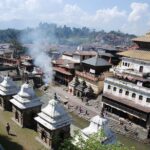
Next comes Pashupatinath Temple. Again, admission is not included. This is a major pilgrimage site, and the experience can feel intense because devotion is happening all around you. With an English-speaking guide, you’re less likely to miss the meaning behind the sights you’ll see near the river.
Boudhanath Stupa: slower, wider, and built for atmosphere
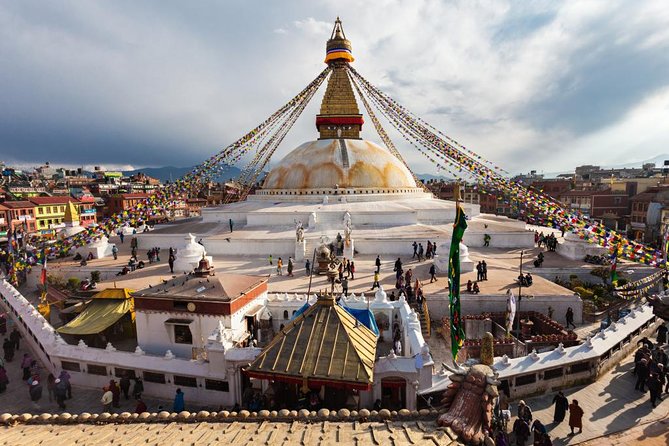
Then you head to Boudhanath Stupa. You spend about an hour here, which is enough time to walk the area, notice how people move around the stupa, and catch the calm that sits in contrast to Kathmandu traffic.
Patan Durbar Square: heritage in the center of another city
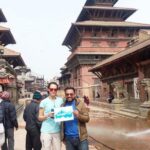
The day ends with Patan Durbar Square. The tour lists a very short stop time, so treat this like a first look, not a deep exploration. If you love architecture and inscriptions, you might later want to return on your own when you have extra hours.
Practical takeaway for Day 2: plan to move at a steady pace. These are huge sites, and even with guide help, you’ll be on your feet and in crowds.
Day 3: Bhaktapur’s square time, then the Nagarkot shift to mountain air
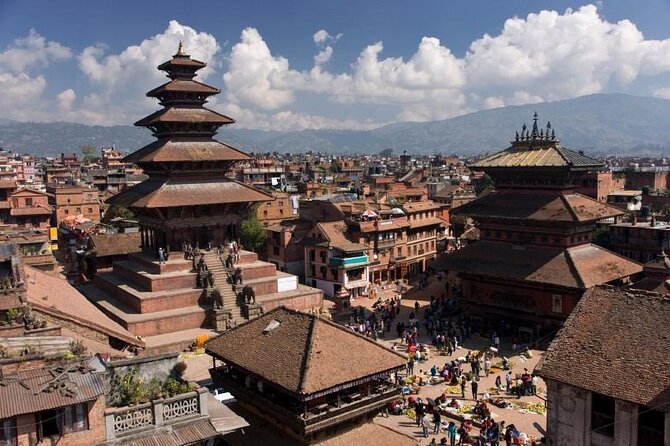
Day 3 starts with Bhaktapur Durbar Square. You get about two hours there, which is a more relaxed window than the quick stops. Bhaktapur is known for its craft heritage and old-town feel, and that time is your chance to slow down, look at details, and wander a bit.
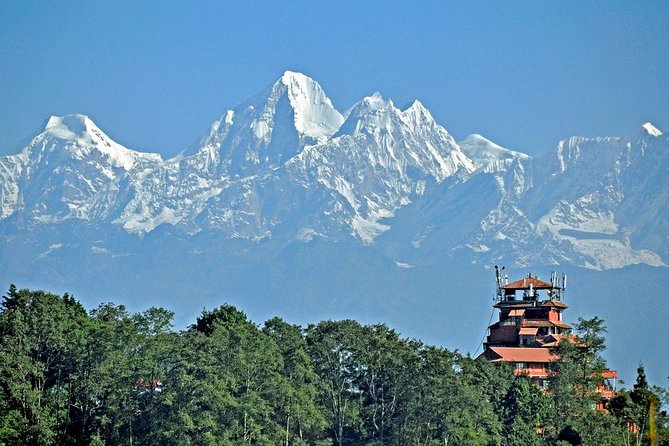
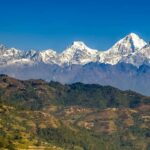
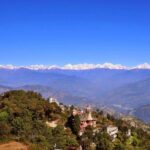
After Bhaktapur, you drive to Nagarkot. The tour gives Nagarkot a key role: it’s one of the best places in the area to enjoy sunrise and sunset views of the eastern Himalaya, including Mount Everest when conditions cooperate. You also get a long block of time here, about five hours, which helps avoid the feeling that you arrived, took photos, and had to rush away.
What I like about this day: it creates a clear mental break from city temples. You go from squares and stonework into hill views and evening light.
What to watch out for: hill weather can change fast. Even when Kathmandu is warm, evenings in Nagarkot can feel cooler, so bring a layer you can wear without thinking.
Day 4 sunrise at Nagarkot: early start for the best light
Day 4 is the reason the tour includes one night in Nagarkot at all. You enjoy sunrise over the Himalaya early in the morning. Then, after breakfast, you drive back to Kathmandu around 10 am.
This schedule matters. If you do sunrise anywhere around the valley, early timing is everything. The tour’s plan helps you avoid a late wake-up and a missed window, which is one of the most common regrets with short stays.
You should also keep expectations realistic. The operator notes that Mount Everest can be visible with clear weather conditions. That means you’re buying access to the viewpoint and the timing, not a guaranteed sight.
Where you stay: three Kathmandu nights plus one Nagarkot night
Accommodation is included for four nights. The plan is three nights at Himalayan Suite Hotel in Kathmandu and one night at Himalayan Villa Hotel in Nagarkot.
That split is more than a name on a brochure. Staying in Kathmandu keeps sightseeing days efficient, and staying in Nagarkot makes sunrise possible without an overnight drive. You can sleep, recover, and then step out for the mountain moment.
One detail to keep in mind: there is a note that an accommodation change can happen if a property is fully booked. If your trip is tight, I’d make sure you have the hotel name confirmed close to departure, even if you booked early.
Also, the tour says two people are accommodated in each room for the duration. If you’re sensitive about room sharing, check the exact room setup before you go.
Transport and tour pace: small group comfort, AC vehicles, and less city stress
This is not a seat-on-a-bus cattle call. The tour uses private AC vehicles, and the seating depends on traveler count, ranging from four-seater up to 14-seater. That flexibility is good for comfort, especially in Kathmandu traffic.
Group size is capped at maximum 7 travelers. That’s small enough that the day doesn’t feel chaotic, but large enough that you’re not stuck waiting for a single person’s pace all the time.
An English-speaking guide runs the sightseeing, and an English-speaking driver supports the route. In at least one case, the driver named Mr Victory was praised for being well spoken, explaining history, and keeping a sense of humour. That kind of energy can make long drives feel shorter, especially when you are moving between several major sites.
Pace note: you are visiting major landmarks, so expect a day that feels packed, even with transport and guidance.
Meals, entrances, and what to budget in Nepali rupees
Breakfast is included for four mornings. A welcome dinner is included on Day 1. Lunch and dinner in Kathmandu and Nagarkot are not included, so you’ll need to budget for those meals.
Entrance fees for city sightseeing are not included. That means you should assume you’ll pay small amounts at multiple stops. The good news is that you won’t be blindsided if you show up with a plan.
The tour states that only Nepali rupees are accepted on the tour, and it recommends bringing money for personal expenses. That means you should arrive prepared. If you rely entirely on card payments, you may find limits depending on where you stop for food or small purchases.
The Everest question: how to maximize your chances without overhyping it
Nagarkot is the viewpoint engine of this trip. Everest visibility depends on clear weather. The operator also notes that flights to view Mount Everest are available from a local operator, which suggests Everest sightings can be managed with extra options if the sky doesn’t cooperate on your sunrise morning.
So what should you do if you really want Everest? The best approach here is to be practical:
- Dress for early, cool morning conditions.
- Bring a layer for wind, not just warmth.
- Keep your schedule on time. Sunrise is timing, not just location.
You are doing everything right by getting up early, going to the right viewpoint, and having someone guide the day. Beyond that, the mountains control the final outcome.
Who this tour is best for (and who might want to do something else)
This tour shines if you want a first-timer friendly Kathmandu experience with guided context and minimal logistics stress. It’s also great if you want to cover major cultural sites and still have room for a genuine mountain morning.
You may want to skip or modify it if:
- You hate early starts and long drive days.
- You want deep, slow time at one single heritage site rather than lots of stops.
- You dislike sharing a room, since the plan is two people per room.
If your goal is to see the Kathmandu Valley highlights and then trade city noise for sunrise light, this plan is very efficient.
Should you book 5-Day Sunrise Tour in Kathmandu near Everest?
Yes, I’d book it if you match the basics: short trip, limited desire to plan transport, and interest in both temples and Nagarkot sunrise. The bundle of airport transfers, transport, English guide, four nights lodging, and breakfast makes the price feel easier to justify than piecing things together yourself.
I would think twice if your Everest priority is absolute and non-negotiable. Sunrise visibility depends on weather, and this tour gives you the best shot, not a guaranteed view. If you’re okay with that reality, the rest of the trip is strong on its own, especially the guided sweep through major Kathmandu Valley landmarks.
FAQ
What is included in the tour price?
The tour includes arrival and departure transfers, a welcome dinner, 4 nights of accommodation, transportation by car or van, sightseeing with an English-speaking guide, and breakfast for four days. It does not include lunch and dinner, city sightseeing entrance fees, or personal expenses.
How many nights do I stay, and where?
You get four nights total, three nights in Kathmandu and one night in Nagarkot. The included hotels are Himalayan Suite Hotel for the Kathmandu nights and Himalayan Villa Hotel for the Nagarkot night.
What time does the tour start, and where do I meet the guide?
Pickup is scheduled for Tribhuvan International Airport, with a start time of 4:45 pm. The meeting point listed is at Ring Rd, Kathmandu.
What is the walking and sightseeing pace like?
The itinerary moves through major Kathmandu Valley sites, with guided time at each stop. Some stops are shorter, like Patan Durbar Square, while others are longer, like Bhaktapur Durbar Square and Nagarkot viewpoints.
Are entrance fees included for temples and squares?
No. City sightseeing entrance fees are listed as not included. The tour also notes admission tickets are not included for specific stops.
How does the Nagarkot sunrise work?
You’ll enjoy sunrise over the Himalaya early in the morning on Day 4 at Nagarkot, then return to Kathmandu at around 10 am after breakfast.
Can I always see Mount Everest from Nagarkot?
The tour notes that Mount Everest can be visible with clear weather conditions. Visibility is not guaranteed.
How big is the group, and is the transport private?
The tour can have a maximum of 7 travelers, and it requires at least 2 people per booking. Transport is provided in private AC vehicles, with seating depending on the number of travelers.
What is the cancellation policy?
Free cancellation is available. You can cancel up to 24 hours in advance of the experience for a full refund.
What currency should I bring?
The tour says only Nepali rupees are accepted on the tour, and it recommends bringing money for personal expenses.
More Morning in Kathmandu
More Tours in Kathmandu

More Tour Reviews in Kathmandu
Not for you? Here's more nearby things to do in Kathmandu we have reviewed


5-Day Experiences, compared.
 ★ 5.0Annapurna base camp trek 5 DaysFrom $699252 reviews
 ★ 5.0Kathmandu to Annapurna Base Camp (ABC) 5-Day TrekFrom $99102 reviews
 ★ 4.9Kathmandu/Pokhara: 5-Day Annapurna Base Camp (ABC) TrekFrom $9672 reviews
 ★ 5.05 Day Private Guided Trekking in Annapurna Base CampFrom $22525 reviews
 ★ 5.05 Days Hiking, Tour, Meditation and Yoga Retreat in Kathmandu, NepalFrom $58610 reviews
 ★ 5.0Pokhara: 5-Day Annapurna Base Camp (ABC) TrekFrom $1369 reviews
 ★ 5.05-Day Gosaikunda Lake TrekFrom $1796 reviews
 ★ 5.0Pkr/Kathmandu: 5-Day Annapurna Base Camp & Hot spring TrekFrom $606 reviews
Browse the lists this tour appears in