
REVIEW · ANNAPURNA TREKS FROM KATHMANDU
Annapurna Circuit Trek
Hot springs and huge passes, all in one trek. The Annapurna Circuit Trek is interesting because you watch Nepal change fast, from lower forests and farmland up into high mountain pass country with big religious and cultural stops along the way, and a real payoff in mountain viewpoints. I especially like the Thorong La Pass day and the Poon Hill mountain-view finale, with classics like Muktinath and Tatopani hot springs built in.
One possible drawback is the high section takes real effort, including an 8-hour trek to Thorong La Pass (to 5,416m) plus weather dependence in the mountains.
Key things to know before you go
- An altitude roller coaster: you move from about 1,350m in Kathmandu up through pass-country around 5,416m.
- A structured acclimatization pause: you get a rest day to explore Manang before pushing higher.
- Permits and logistics handled: TIMS cards and the ACAP permit are included, so you are not scrambling paperwork mid-trip.
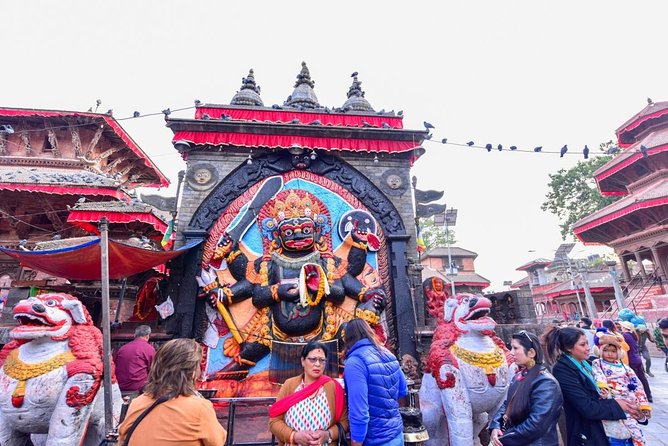
- Hot springs and temple stops: Tatopani hot springs and Muktinath Temple are part of the route.
- Sunrise views are part of the plan: Poon Hill, Ghorepani, and Gurunghe Hill are included for wide mountain viewing.
- You travel with official support: a government-registered guide and porter carry luggage, with a first aid box along the way.
Annapurna Circuit Trek: why this route feels like more than one holiday
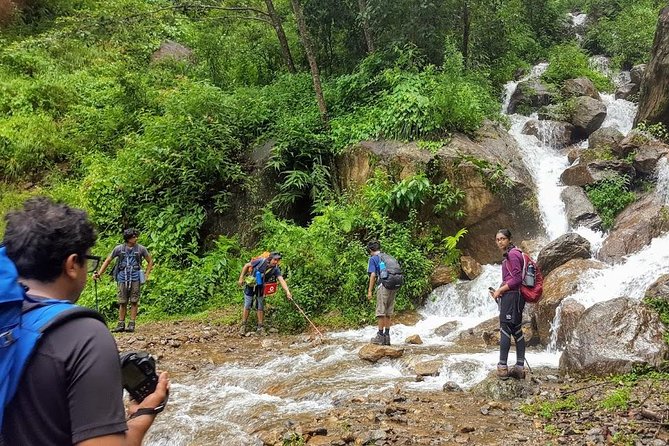
The Annapurna Circuit is popular for a reason. You get sweeping changes in environment, from lower, warmer zones through villages shaped by Tibetan Buddhist culture, then onward to colder, drier high-country terrain where the mountains dominate daily life.
What I like about this version of the circuit is that it stays focused on the big, meaningful waypoints. You do not just chase altitude. You also pass through places with prayer flags, village life in Manang and its neighbors, and religious sites like Muktinath.
The overall rhythm makes sense for most hikers with moderate fitness. You still work, but you also get built-in breathing space, especially around Manang and with steady day-to-day schedules.
You can also read our reviews of more hiking tours in Kathmandu
Kathmandu start: prep days that matter more than you think
Your trip begins in Kathmandu (around 1,350m) with arrival and then sightseeing plus trekking preparation. This is not just “kill time in the city.” It is where you get your gear sorted, meet your guide and porter team, and set your expectations for the slower, higher days ahead.
If pickup is offered for your booking, that reduces early stress. You can focus on the one job that matters most on a first day in Nepal, getting yourself organized and rested before the long drive toward the trek.
Also note that meals in Kathmandu are not included. So plan for at least a couple of Kathmandu breakfasts or meals on your own, or you may feel like you are constantly paying tiny extras once you start walking.
Day 3 to Jagat: a long drive that sets your pace
You leave Kathmandu very early and ride for about 9 hours to Jagat using local transport. The altitude shift is gradual (you reach about 1,300m), but the big change is how the whole day feels: lots of sitting, then the first “trek mindset” gear.
This is one of those travel days where your success is mostly about comfort. I’d treat the transport day like part of training. Eat something light, drink water steadily, and keep your layers ready. When you start hiking for real, you want your body to be calm, not stiff and cranky.
Once you reach Jagat, you are ready for the real climb days that follow.
Danakyu/Dharapani, Chame, and Upper Pisang: the route gains altitude and character
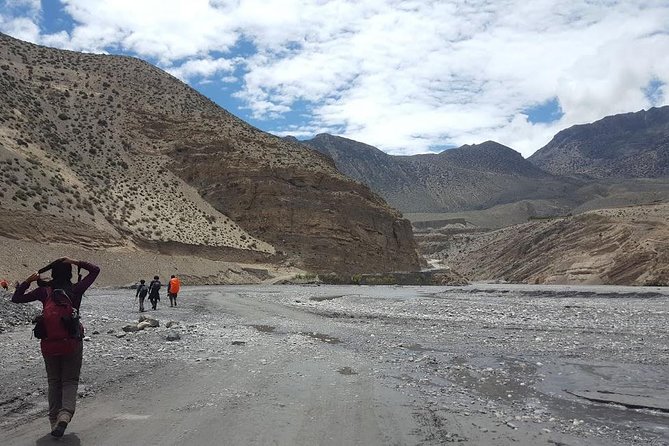
After Jagat, the early trekking days climb toward places like Danakyu or Dharapani (around 2,300m), then onward to Chame (around 2,670m). Expect typical mid-trek rhythm, steady uphill effort, shorter breaks, and views that keep getting stronger as the air thins.
Chame is a key village stop because it marks that you are truly entering pass-country travel. From there, you move toward the upper Pisang area (around 3,300m) and start seeing more of the high-mountain village style: stone paths, sharper angles in the terrain, and a different feel from the lower valleys.
Upper Pisang matters for another reason too. Higher village areas let you practice your routine before the Manang stretch. You learn how your body responds after lunch, when to slow down, and how to keep your breathing under control without turning every step into a sprint.
Ghyaru to Manang and the rest day: the smartest part of the trek
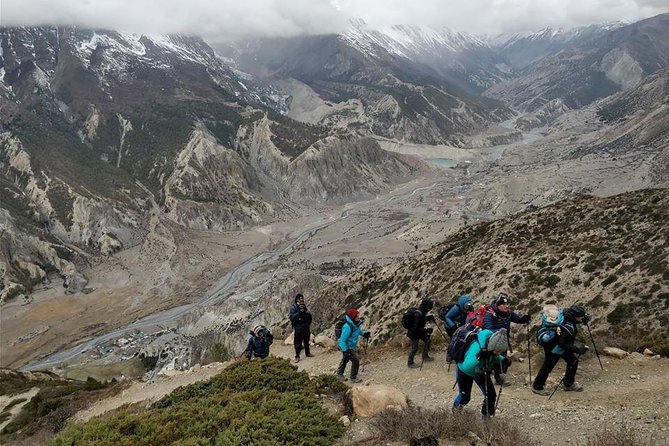
You go from Ghyaru village up to Manang (around 3,540m), then you get a rest day to explore Manang. That rest day is not a reward for good behavior. It is the practical part of acclimatization.
Manang is where the trek turns cultural and social, not just scenic. You have time to walk at a slower pace, look around, and get used to the rhythm of high-altitude village life. If you are prone to rushing, this day helps you reset.
On days like this, I like having room for small choices. You can keep it gentle, take short walks, and focus on hydration. You do not need a big checklist to make this day valuable, just enough movement to stay loose.
Ledar and Thorong Phedi: getting ready for the pass day
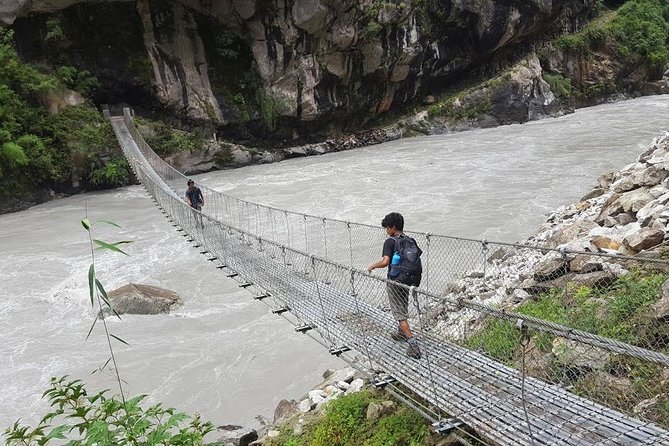
From Manang, you hike up toward Ledar (around 4,200m), then continue to Thorong Phedi (around 4,450m). This is the build-up phase before the highest point in the trek.
These days often feel mentally longer than the clock says. You are not just climbing, you are rehearsing patience. Keep your pace steady. Expect the cold to feel sharper as the trail climbs.
Thorong Phedi is also where you do your last practical prep before the pass. Think layers, gloves, hat, and how you will manage water and small breaks. With the pass day listed at about 8 hours plus descent afterward, you want to start feeling like you have energy left, not like you are burning it all on the first slope.
Thorong La Pass to Muktinath: the big day, then the descent payoff
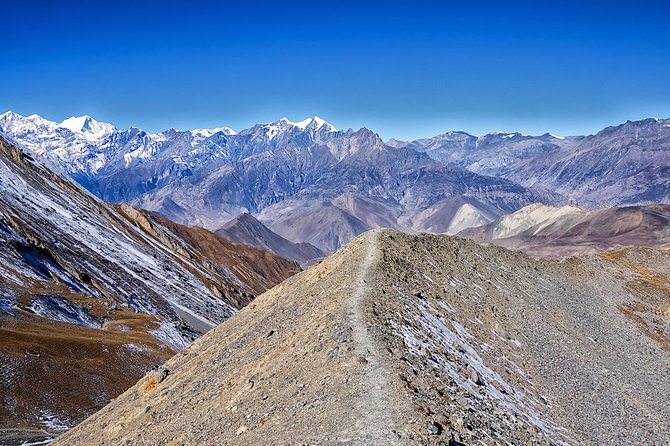
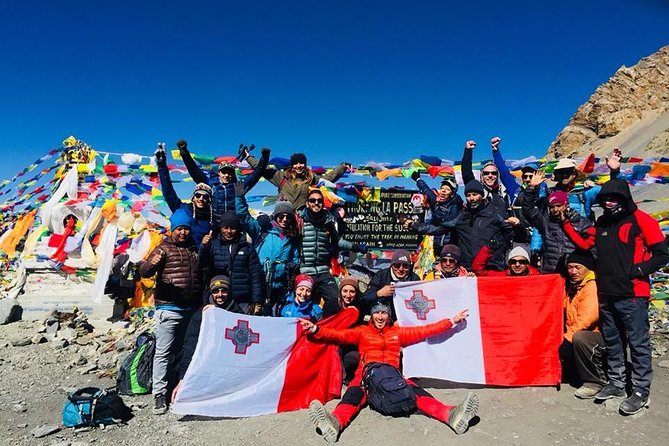
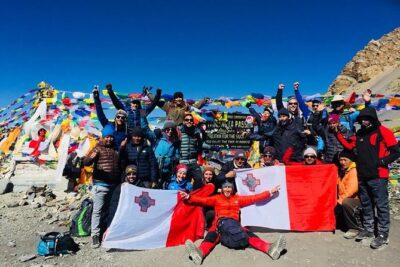
Thorong La Pass is the headline. You trek up to it from Thorong Phedi, reaching about 5,416m, then you go down to Muktinath.
This is where your whole trek story clicks into place. The pass day is the physical challenge, and the Muktinath piece is the emotional reward. Muktinath brings spiritual intensity to the trail, with a clear sense that people come here for more than views.
I always tell friends to plan their mindset for a day like this. Expect slow going uphill. Take short breaks that let your breathing settle. Then, once you start descending, let your legs recover into a new rhythm. The descent is work too, just a different kind of work.
If weather is rough, high passes can force adjustments. The experience notes that the trek depends on good weather, so build flexibility into your expectations.
Tilicho Lake and Tatopani: two famous detours with very different vibes
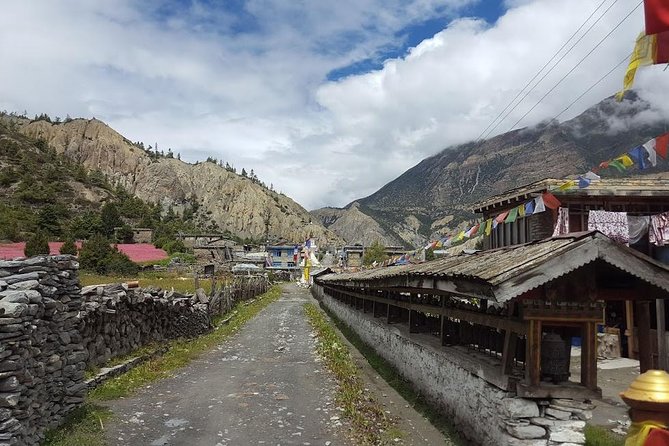
Tilicho Lake is included on the route, and it is one of those stops that people remember long after the leg burn fades. It adds variety to the circuit, giving you a taste of colder, more dramatic scenery compared with village days lower on the trail.
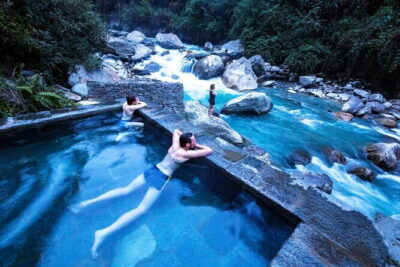
Then you reach Tatopani for hot springs. This part is practical magic. After days of cold mornings and dusty steps, the idea of soaking tired muscles is simple, effective, and honestly worth the extra effort you put into getting there.
Around this section, you also pass Marpha, a fascinating village known for apple plantations, slender cobbled roads, and a small religious community. This is one of the places where the trek stops feeling like a timeline and starts feeling like a lived-in valley.
Kali Gandaki Valley to Ghorepani and Poon Hill: the finish that keeps giving
After Muktinath, you continue down through the Kali Gandaki Valley. This valley descent is where you see how the terrain changes again, with lower, warmer villages and a different pace than the high-pass segment.
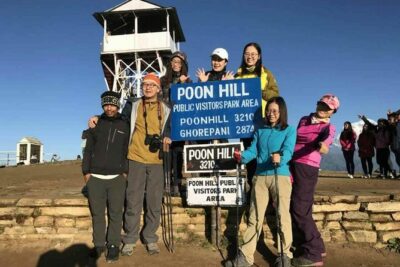
Poon Hill, plus Ghorepani and Gurunghe Hill, rounds out the last big viewing push. Poon Hill is described as a place you can see more than 20 stunning mountains from the Annapurna and Dhaulagiri ranges. That kind of viewpoint is exactly why this trek works for people who love photos, but also for people who just want to feel awe without paying extra for a private helicopter.
I’d treat this part as a “pay attention” segment. Sunrise and viewpoint hikes reward timing, warm layers, and slow walking. The best moments usually come when you stop thinking about mileage and start watching the light move across peaks.
Drive to Pokhara and back to Kathmandu: smoothing the travel end-game
Once you are finished trekking for the day before your transfer window, the plan is a drive to Pokhara that takes around 6 to 7 hours. Then you ride a tourist bus back to Kathmandu, about 8 hours.
Hotels in Kathmandu and Pokhara are included on a bed and breakfast basis. So at least part of your lodging is handled, and you are not negotiating every meal during recovery.
Meals in Kathmandu and Pokhara are not included, so expect to handle some food costs after you arrive. That is normal on this kind of trek, but it is worth knowing so you can budget without surprises.
Finally, you fly out from Tribhuvan International Airport on day 14.
Support, permits, and the human side: why the guide makes this trek easier
This trip includes a highly experienced government-registered guide and a porter to carry luggage. It also includes a first aid box, plus all the necessary documents and paperwork, including TIMS cards and the ACAP permit.
That matters because the Annapurna region can be paperwork-heavy and weather-sensitive. When the administrative pieces are covered, your energy goes into walking and recovery instead of paperwork and confusion.
One of the strongest signals from feedback about the guiding on this trek is warmth and patience. A guide named Gyanu is specifically praised for expertise, patience, and dedication, which is exactly the kind of support you want when altitude turns your body into a slower, fussier machine.
Even the small inclusions help: coffee or tea is served with each meal, and you get a farewell dinner plus a souvenir.
Price and value: what $1,175 covers, and where extra costs pop up
At $1,175 per person, this is not a budget day hike. You are paying for a full 14-day trekking package with real mountain logistics.
What is included in the price is a solid chunk of the heavy lifting:
- Guide and porter support, with salaries and insurance coverage for them
- TIMS and ACAP permit paperwork
- All fees and taxes
- Air-conditioned vehicle
- Hotel stays in Kathmandu and Pokhara (bed and breakfast)
- Mountain accommodation (private or share, with single or double options)
- Most trekking meals, with tea or coffee plus breakfast, lunch, and dinner chosen from menus
What is not included is where you should plan your money:
- Nepal visa fee and international airfare
- Travel insurance
- Meals in Kathmandu and Pokhara
- Alcoholic drinks, soda or pop, and snacks
- Personal expenses like phone calls, battery recharge, and laundry
- Tipping and donations
I like seeing permits and guides included because those are the costs that balloon fastest when you DIY. If you want a trek where you can focus on the trail, this package structure is usually a good match.
Practical fitness and gear thoughts for this exact route
The trip asks for moderate physical fitness. That makes sense here because the route includes big altitude days and a long pass effort. You should expect at least one serious day to reach Thorong La Pass around 5,416m and then trek down.
A key detail is pacing. Your schedule includes moving up each day, then giving you time to rest and explore. Use that rest day in Manang well. Do not treat it as a free-for-all.
As for gear and comfort, nothing is spelled out in the trip info, so you should plan standard high-altitude trekking basics. Layers are critical. Think warm outerwear for cold mornings, plus rain protection for sudden mountain weather.
Also remember that WiFi on board is not included, so charge your essentials before you start and plan to enjoy being offline.
FAQ
How long is the Annapurna Circuit trek?
It is listed as 14 days approximately.
Where does the trip start and end?
The trip is based in Kathmandu. It starts with arrival and preparation in Kathmandu, includes trekking and a transfer to Pokhara, and ends with a flight from Tribhuvan International Airport on day 14.
Is pickup offered?
Pickup is listed as offered.
Are permits included?
Yes. TIMS cards and the ACAP permit are included.
What meals are included during the trek?
Tea or coffee is served with each meal. Breakfast, lunch, and dinner are included during the trekking days, and you can choose from a menu at each stop. Meals in Kathmandu and Pokhara are not included.
Do I get a guide and porter?
Yes. You travel with a highly experienced government-registered guide and a porter to carry luggage. Salaries, equipment, food, lodging, and insurance for them are included.
How high do we go?
The itinerary lists Thorong La Pass at about 5,416m. It also includes high points like Thorong Phedi (around 4,450m) and Ledar (around 4,200m).
What highlights are included?
The route includes major stops such as Thorong La Pass, Tilicho Lake, Tatopani hot springs, Muktinath Temple, and Poon Hill (with Ghorepani and Gurunghe Hill).
Is this a private tour, and can I bring a service animal?
Yes. It is described as private, and only your group will participate. Service animals are allowed.
What if the weather is bad?
The experience requires good weather. If it is canceled due to poor weather, you will be offered a different date or a full refund.
Should you book this Annapurna Circuit Trek?
If you want a classic Himalayan route with built-in support, permits handled, and major highlights like Thorong La Pass, Tilicho Lake, Muktinath, Tatopani, and Poon Hill all in one plan, this package is a strong fit. I especially like that the structure includes a rest day in Manang and that meals plus guide and porter support are built in, because it reduces the mental load.
Book it if you are comfortable with moderate fitness and at least one long, high-altitude day. Skip it if you know you struggle with cold, thin air, or if you cannot handle a weather-dependent schedule in the mountains.
More Hiking & Trekking Tours in Kathmandu
More Tour Reviews in Kathmandu
Not for you? Here's more nearby things to do in Kathmandu we have reviewed


Annapurna Treks from Kathmandu, compared.
 ★ 5.0Annapurna Circuit Trek with Tilicho LakeFrom $1,093368 reviews
 ★ 5.0Annapurna base camp trek 5 DaysFrom $699252 reviews
 ★ 5.0Annapurna Base Camp TrekFrom $935111 reviews
 ★ 5.0Kathmandu to Annapurna Base Camp (ABC) 5-Day TrekFrom $99102 reviews
 ★ 5.0Annapurna Circuit TrekFrom $1,17594 reviews
 ★ 5.04 Days Poon Hill TrekFrom $40594 reviews
 ★ 5.0Annapurna Base Camp Trek 12 DaysFrom $80085 reviews
Annapurna Base Camp TrekFrom $78581 reviews
★ 5.0Annapurna Base Camp Trek 12 DaysFrom $80085 reviews
Annapurna Base Camp TrekFrom $78581 reviews
Browse the lists this tour appears in