
REVIEW · ANNAPURNA TREKS FROM KATHMANDU
Pkr/Kathmandu: 5-Day Annapurna Base Camp & Hot spring Trek
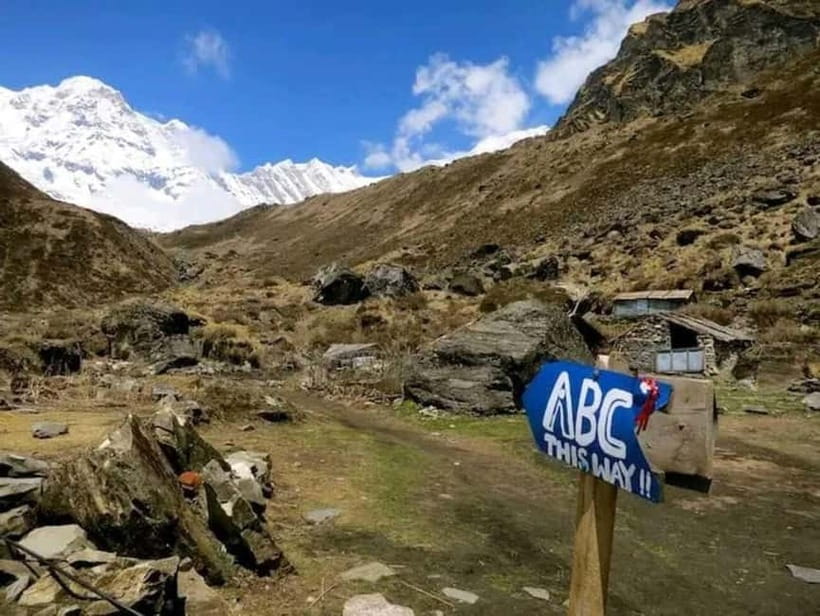
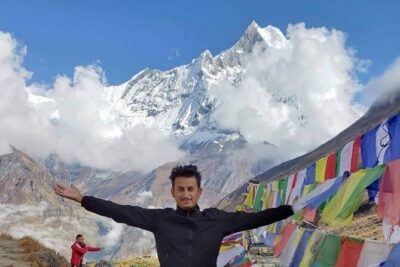
Five days to Annapurna Base Camp, that’s fast. This trek threads you through dense forests, waterfalls, and traditional villages, then pushes you up to Annapurna Base Camp at 4130 m for some of the most dramatic mountain moments in the Annapurna Sanctuary. You’ll also get the special timing of sunrise at Machhapuchare Base Camp, plus an optional soak at Jhinu Danda hot springs.
What I like most is how the route keeps moving while still giving you time for real tea-house breaks and village life, not just nonstop hiking. Another big win is the mountain payoff, including wide views of Annapurna I, Machapuchare, and Hiunchuli. One consideration: this is moderate to challenging, with high altitude involved, so you’ll want solid fitness and you should treat acclimatization seriously.
Key things that make this trek worth your time
- A quick-hit Annapurna Base Camp route: you reach ABC in five days, not weeks
- Sunrise moments that feel earned: Machhapuchare Base Camp adds real magic to early starts
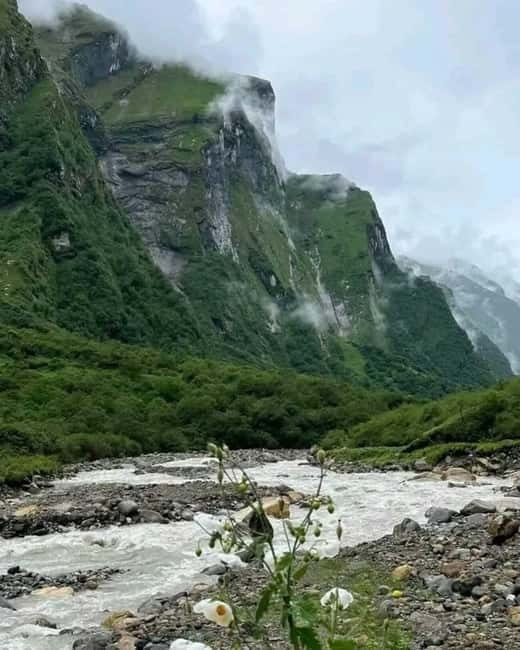
- Forest, rivers, and waterfalls along the way: it’s not just stone and snow
- Gurung village life on the trail: you pass through communities, not only viewpoints
- Hot springs at the end, if you choose: Jhinu Danda is the easy reward you can actually feel
- Guides and porters shape your whole trip: names like Raj, Sagar, Shiva, Nareen, and Bimal are tied to strong safety and pacing in past journeys
Why this 5-day Annapurna Base Camp route feels like a Himalayan sprint
Most Annapurna Base Camp plans take longer, so doing it in five days is the whole personality of this trek. You spend more time walking between guest houses, and less time lingering. That can be exactly what you want if you have limited vacation days and you still want the classic ABC payoff.
The trek also mixes scenery types fast. You go from lower forest trails and rivers, to higher, colder sections with tea houses, to an exposed alpine feel near Annapurna Base Camp. Along the way, you’ll likely notice how the air changes, how your pace needs to slow down, and how early mornings become more important for views and comfort.
If you’re the kind of person who likes structure, this route helps. Your guide is responsible for the day-by-day flow: getting you from one overnight stop to the next, managing tea-house stays, and keeping you on track with the altitude rhythm. That matters when temperatures drop and the trail gets slick.
From Kathmandu or Pokhara to Simrung: the travel day that sets the tone
Your trip starts with pickup from your hotel in Pokhara, and if you choose the flight option from Kathmandu, you’ll take a short hop to Pokhara first. Then comes the land transfer, a drive from Pokhara to Simrung via Nayapul, typically around 2 to 3 hours depending on road conditions.
Then you start hiking immediately, from Simrung to Sinuwa, about 4 to 5 hours. The good news is that Day 1 introduces altitude gradually enough that you can find your stride. The trail character here is the first “layer” of the journey: forested paths, small streams, and village-adjacent routes where you can settle into the rhythm.
Night one is at a guest house in Sinuwa, with a maximum altitude around 2340 m. That’s a helpful baseline altitude, so you can focus on warm sleep, good water habits, and an early night rather than fighting exhaustion.
Practical tip: pack anything you’ll want on the trek day, warm layers included, into your day bag. If you’re relying on borrowed gear like sleeping bags and trekking poles, double-check those items before you leave Pokhara.
Sinuwa to Deurali, through Himalaya: waterfalls, tea houses, and altitude rhythm
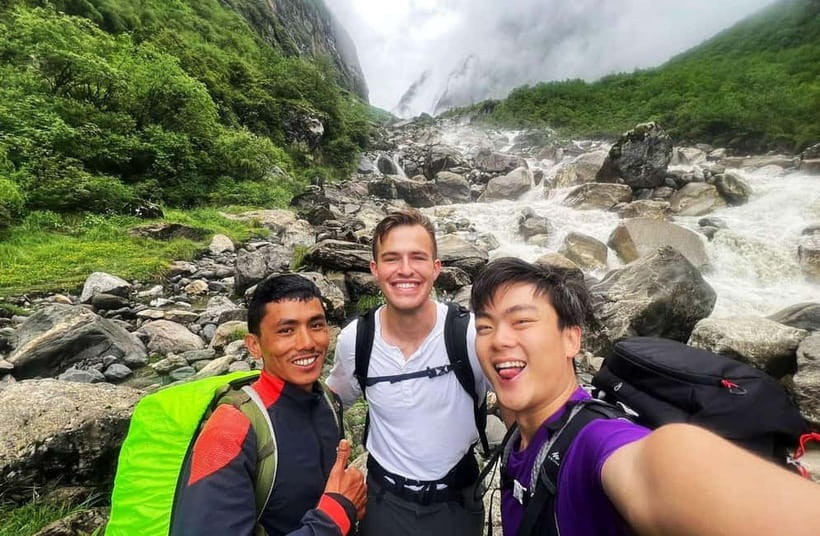
Day 2 climbs from Sinuwa to Deurali, typically 5 to 6 hours. This is also where the trail gets more scenic in a way that feels consistent: you pass through Himalaya, a small settlement with tea houses, and you move through dense forest with waterfalls along the route.
The “how” matters here. The forest sections tend to hide how much you gain, so your pace and breathing become your real guide. You’ll feel the slope, but you can still keep moving steadily, which is what you want when altitude starts to add a tax.
Deurali is where you set up for the higher days. You overnight at a guest house there, with a maximum altitude around 3230 m. At this point, cold starts to become a bigger factor. Even if the sky looks clear, temperatures can drop quickly once you’re higher up and the sun angle changes.
Good value move: treat your tea-house stops as part of the plan, not a break from the plan. Warm drinks, simple meals, and a few minutes to loosen up help keep you steady for the next climb.
Deurali to Annapurna Base Camp at 4130 m, via Machhapuchare Base Camp
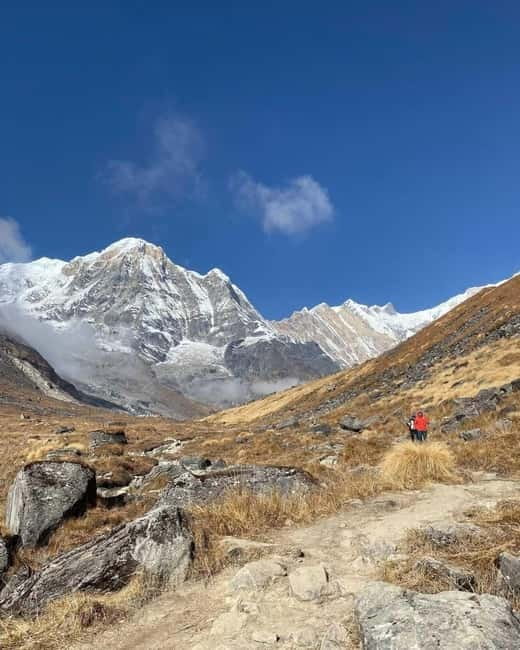
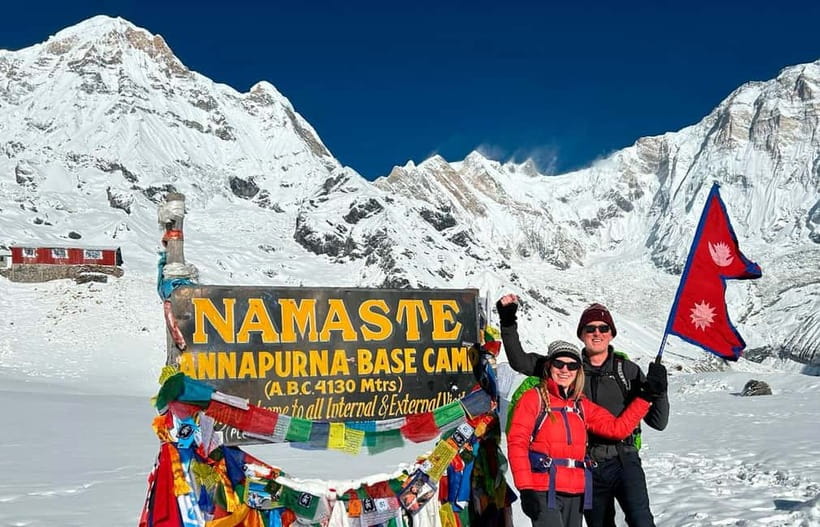
Day 3 is the main event: Deurali to Annapurna Base Camp, about 5 to 6 hours, with a pass through Machhapuchhre Base Camp. This is the day you start seeing why people talk about the Annapurna Sanctuary with real emotion.
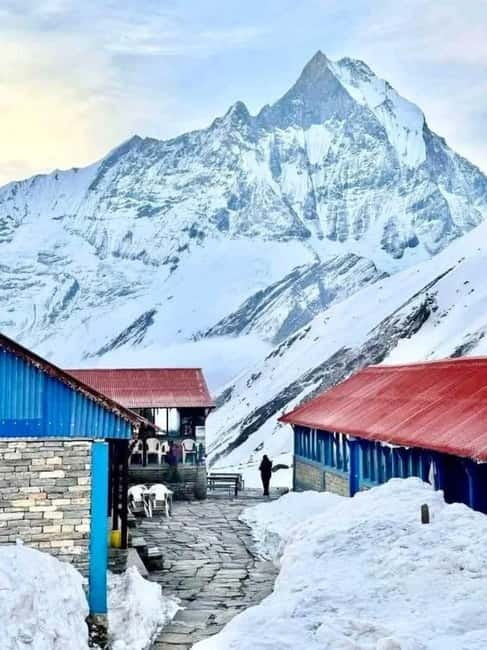
You’ll be moving through the Machhapuchhre Base Camp valley, and the feel changes as the valley opens up. The views can become wide and dramatic, and you’ll likely understand why Machhapuchare (the iconic fishtail mountain) is so famous.
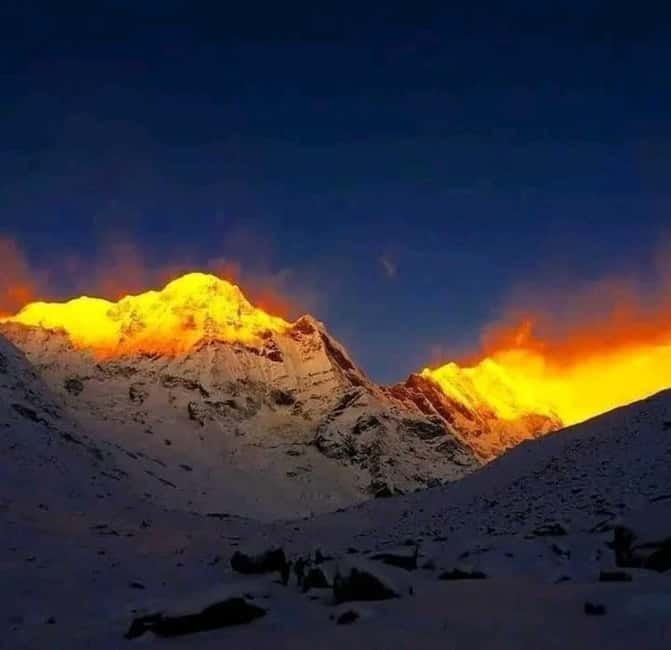
This is also where the trek’s timing matters. The highlight of sunrise at Machhapuchare Base Camp is one of those “do it once” moments. Early starts can be tough, but sunrise views make the discomfort feel worth it because the air is calmer and the light hits differently.
You overnight at tea houses at Annapurna Base Camp, at a maximum altitude around 4130 m. ABC is known for mesmerizing mountain views and, on the schedule here, sunset views toward the west. That means you’re not just hiking to a point, you’re hiking to a viewpoint with a daily light show.
Reality check: ABC conditions can be cold and windy. Even when weather looks good at breakfast, temperatures can shift. Keep your warm layers close, and rely on your guide’s judgment about when to pause for photos versus when to keep moving to stay warm.
Bamboo or Sinuwa on the descent: sunrise, then a longer day of careful steps
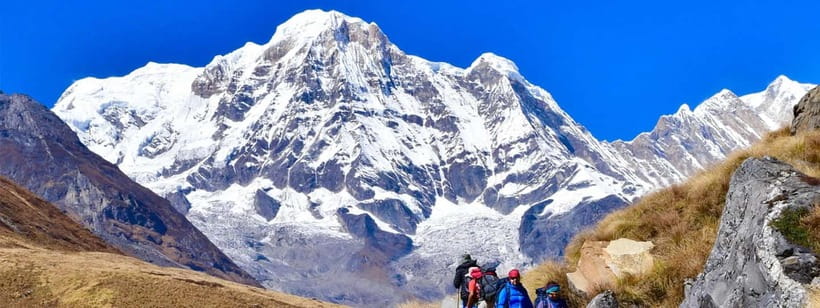
Day 4 is your return trek, from Annapurna Base Camp down to Bamboo or Sinuwa, about 6 to 7 hours via Deurali, Himalaya, and Dobhan. The day starts with a reward, then turns into work.
The schedule includes the chance to witness sunrise in the morning before you head downhill. That’s smart. You’re already at high altitude, so you might as well use the best visibility window to catch that early light, then you shift into descent mode.
The descent is longer, and your legs may feel it. Downhill hiking can be harder on knees than you expect. Your guide’s job, beyond route knowledge, is to manage your pace so you don’t blow up early and then pay for it late in the day.
You overnight again at a guest house around the 2340 m range (minimum altitude listed at 2340 m for the return segment). That’s still high enough to feel cold at night, but it also means you’re gradually easing back down toward more comfortable temperatures.
Practical tip: wear footwear that’s already broken in. At this altitude, the trail can be icy or muddy, and “new shoes” is how you turn a good hike into a miserable one.
Jhinu Danda hot springs and the Simrung to Pokhara finish by late afternoon
Day 5 is shorter on paper and feels like a proper reset. You trek from Bamboo or Sinuwa to Simrung via Jhinu Danda, which includes the optional hot spring stop. Expect about 3 to 4 hours of trekking, then a drive back to Pokhara that takes around 2 to 3 hours.
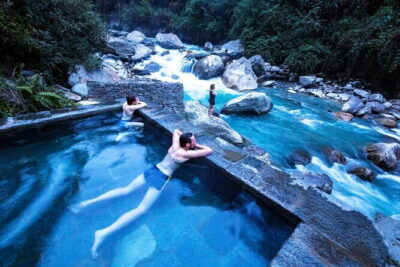
The minimum altitude drops to around 830 m, so the day has a big climate shift. If your body is stiff from cold and altitude, warm water can be a very real recovery tool. Even if you choose to keep it optional, it’s one of the few parts of this trek that lets you feel improvement rather than only chase views.
You’ll be dropped back in Pokhara and are expected to return by around 17:00 on Day 5, roughly late afternoon. That end timing matters if you have dinners, flights, or other plans that evening.
Practical tip: bring something easy to change into after hot springs. Wet and cold is a fast way to feel rough on travel day.
Guides and porters are the real upgrade here, names that show up often
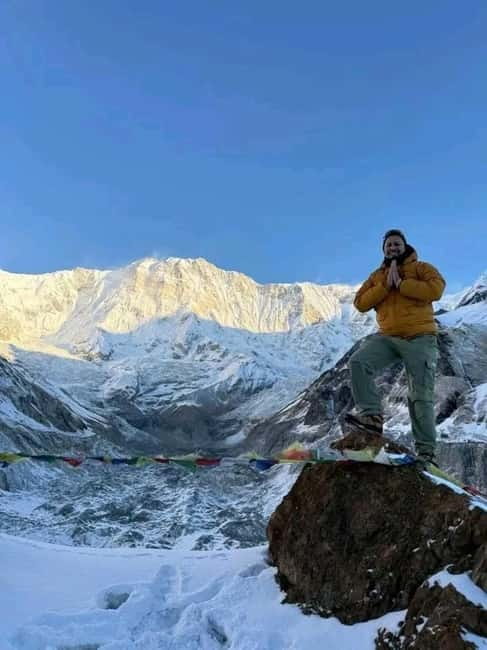
In a trek like this, the mountains are the headline. But the guide and porter are what make it smooth and safe, especially on a tight five-day schedule.
This package is set up around a trekking guide, and it can also include a porter depending on the option you choose. Past journeys highlight guide qualities like professional pacing, attentive safety habits, and good communication. Names that have shown up with strong service include Raj (paired with porter Naron), Sagar, Shiva, and guides like Nareen (Anarayan) and Bimal, along with porters like Visnu and Azis.
You can treat this as a guideline for what to look for when you confirm your service. A good guide does more than lead. They manage your pace so you’re not sprinting uphill, they handle guest house coordination, and they keep the day’s plan realistic based on weather. The better ones also help you understand the mountain and local culture without turning the hike into a lecture.
One caution from the real world: if your included gear matters to you, confirm it early. There’s been an instance where trekking poles were expected but not provided in the way planned, and the guide handled it by making bamboo poles on the spot. That worked, but it’s still a reminder that you should ask directly what gear you will actually receive and when.
Simple checklist to reduce stress: confirm trekking poles, sleeping bag access, the language of your guide, and your morning start time the night before.
Equipment, guest houses, and what you should pack on your own
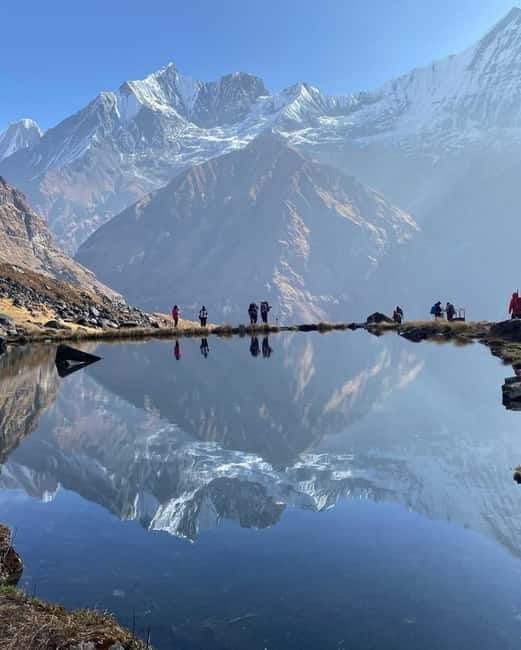
You’ll sleep in mountain guest houses for four nights. The trek includes borrowing key equipment like sleeping bags, duffle bags, and trekking poles, plus trekking permits and first aid. That’s a lot of value built into the package, because cold-weather trekking gear can be expensive if you have to buy it last minute.
Still, you’ll need to bring your own essentials. The pack list here is straightforward:
- warm clothing
- hiking shoes
- sunscreen
- water
- a camera
- travel insurance
- trekking gear items you already own
The weather can be unpredictable, and the best seasons listed are March to May and September to November. Even then, cold snaps and wet days can happen. A real-world note from past experiences is that conditions can include cold, rain, and even snow, so being warm is not optional.
Smart packing approach: layer. You want a system that you can adjust as you climb and as you stop. If you rely on one heavy jacket only, you’ll overheat during climbs and then freeze while you wait for photos.
Value and price: what $60 gets you, and where costs can rise
The price listed is $60 per person for a five-day itinerary. The value comes from what’s bundled: pickup and drop-off in Pokhara, an optional Kathmandu to Pokhara flight option (if selected), transfers via shared jeep, four-night guest house accommodation, a trekking guide, permits, first aid, and borrowed trekking equipment.
Where costs can add up depends on your option choice:
- Meals are included only if you select the all-inclusive option.
- Hot, cold, and alcoholic drinks are not included.
- A porter is included only if you pick the all-inclusive option; budget options can be add-on.
- Travel insurance is not included.
- Return flight tickets PKR to KTM are not included, though an add-on may exist.
So the real question is not just the number. It’s whether you’re comfortable covering meals, drinks, and any add-ons on your own. If you want simpler logistics and you’re okay paying a bit more for the all-inclusive structure, it can feel like better value than piecing together meals and porter support.
If you’re cost-sensitive, you can still make it work. Just plan meal spending and accept that your load management may depend more on whether you add a porter.
Who should book this trek, and who should skip it
This trek is moderate to challenging, and it’s not ideal for people with low fitness. It’s also not recommended for people with heart problems, respiratory issues, mobility impairments, or altitude sickness risk.
If you’re healthy, enjoy steady days of hiking, and want the classic Annapurna Base Camp views in a five-day window, this fits well. It’s especially good if you want both mountain drama and softer, human-scale moments like tea houses, rivers, waterfalls, and traditional village life.
If you’re not comfortable with cold weather or you hate long days of walking uphill and downhill, consider a gentler trek. The altitude and weather are part of the experience, not background noise.
Should you book the 5-day ABC and hot springs trek?
I’d book it if you want Annapurna Base Camp without turning your trip into a long commitment. The combination of rapid access to ABC at 4130 m, Machhapuchare sunrise timing, and the optional Jhinu Danda hot spring stop gives you real variety in just five days.
I wouldn’t book it if your fitness is low or if you have any of the health limitations listed for the trek. High altitude is a factor here, and this route asks your body to adapt quickly.
If you do book, do two things that make a big difference: confirm your gear and start times ahead of time, and pack layers that handle cold plus wet trail conditions.
FAQ
How long is the Annapurna Base Camp and hot springs trek?
It’s a 5-day trek.
Where does the trek start, Kathmandu or Pokhara?
You begin from Kathmandu or Pokhara. If you choose the flight option, travelers from Kathmandu take a 30-minute flight to Pokhara first.
How high will I go?
The itinerary reaches a maximum altitude of 4130 m at Annapurna Base Camp.
Are hot springs included?
Jhinu Danda hot springs are listed as optional, and the route includes trekking to Simrung via Jhinu Danda on Day 5.
What is included in the package?
It includes hotel pickup and drop-off in Pokhara, trekking guide, guest house accommodation for 4 nights, permits, first aid, and borrowing equipment like sleeping bags, duffle bags, and trekking poles. Transfers and certain flights are included depending on your selected option.
What meals are included?
Meals are included only if you choose the all-inclusive option. Meals are not included for the budget/from Kathmandu option, though meals may be available as an add-on.
Is travel insurance included?
No. Travel insurance is not included.
Annapurna Treks from Kathmandu, compared.
 ★ 5.0Annapurna Circuit Trek with Tilicho LakeFrom $1,093368 reviews
 ★ 5.0Annapurna base camp trek 5 DaysFrom $699252 reviews
 ★ 5.0Annapurna Base Camp TrekFrom $935111 reviews
 ★ 5.0Kathmandu to Annapurna Base Camp (ABC) 5-Day TrekFrom $99102 reviews
 ★ 5.0Annapurna Circuit TrekFrom $1,17594 reviews
 ★ 5.04 Days Poon Hill TrekFrom $40594 reviews
 ★ 5.0Annapurna Base Camp Trek 12 DaysFrom $80085 reviews
Annapurna Base Camp TrekFrom $78581 reviews
★ 5.0Annapurna Base Camp Trek 12 DaysFrom $80085 reviews
Annapurna Base Camp TrekFrom $78581 reviews
Browse the lists this tour appears in