
REVIEW · 5-DAY EXPERIENCES
Everest 5-Day Trek from Kathmandu
Five days, one serious Everest view. You fly into Lukla, hike through Namche Bazaar, and spend time at Hotel Everest View for wide-open panoramas in a tight schedule. I also like that the trek is described as doable in all four seasons, so you can match it to your preferred weather and scenery.
The tradeoff is simple: this is a short trek, so you will be moving most days and you need moderate fitness to enjoy it instead of just surviving it.
Key things to know before you go
- Lukla flight included both ways, so you are not left guessing about the most stressful part of the journey
- Namche Bazaar acclimatization day helps you adjust before going higher
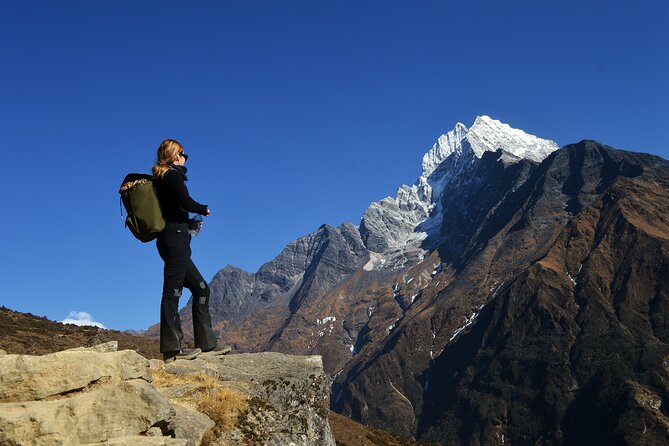
- Hotel Everest View at 3,880 m is the centerpiece, with 360-degree views and a Guinness World Record claim
- Guide and porter support, with real humans like Prakash and Anil who focus on pacing and comfort
- Meals and warm shower setup are built in, plus borrowed poles and sleeping bags to keep your pack manageable
- Season matters, since spring, summer, autumn, and winter each change what you see and how it feels outdoors
A 5-day Everest View trek with a big payoff at 3,880 m
If you want a taste of the Everest region without a week or two of hiking, this plan is built for you. The rhythm is quick but not chaotic: Kathmandu, flight into Lukla, trail days with a clear focus on acclimatization, then the high-point payoff at Hotel Everest View.
What makes it interesting is the mix of logistics and altitude strategy. You get the famous Lukla start, then you spend time in Namche Bazaar before moving to the hotel at 3,880 m. And because the route is described as valid in all seasons, you can pick the feel you want, from spring flowers to winter snow and ice.
My favorite part is the emphasis on views. The hotel is positioned for a wide panorama of Everest and the range, and multiple reviews highlight how caring and attentive guides made sure people were okay along the way. The other big plus is that the trek includes a lot of the “pain in the wallet” items like permits, park paperwork, and the guide and porter team, not just the hiking.
You can also read our reviews of more hiking tours in Kathmandu
Kathmandu, the 5:45 am start, and how you transition to trekking
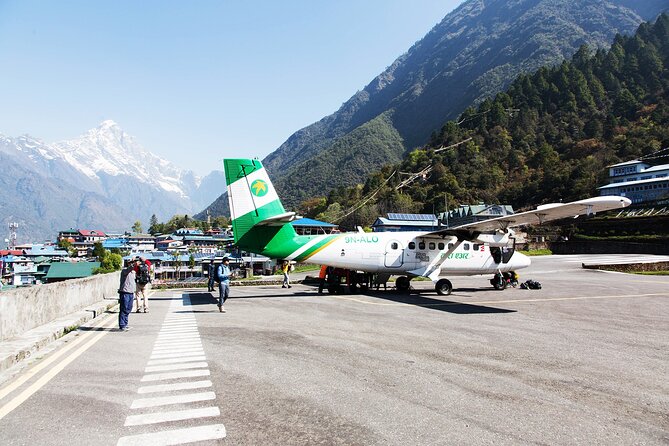
Your day typically begins early, with a 5:45 am start time. First comes pickup from your hotel and a transfer to the domestic terminal at Tribhuvan International Airport in Kathmandu. From there, the plan is straightforward: fly to Lukla and then start walking down toward Phakding.
This matters because early starts shape how the whole trip feels. If you know you are starting before sunrise, you can sleep better the night before and avoid that 7 pm panic packing cycle. It also helps you treat the day like a process, not a single event.
The experience includes the domestic flight tickets to and from Lukla, so you are not scrambling on the ground. You also get a guide and porter, which is a real advantage on the first day when your head is still spinning from airport logistics and altitude changes.
Lukla to Phakding: starting downhill and getting your trail legs
On the first trekking day after the Lukla flight, you head to Phakding for about 3 to 4 hours. Phakding sits on the banks of the Dudhkoshi River, and you may have a chance for a small detour to monasteries and a quick look around town.
A short day like this is not just convenient. It gives you time to settle into the walking pace and check your gear. If you are using the borrowed trekking poles and sleeping bag setup included in the trip, this is the moment to make sure they work for you.
One thing to keep in mind is that “downhill” can still wear you out. Legs can get heavy on rocky steps, especially when you start the trek immediately after flying. The guide support here is key. The trip is set up so you do not just get thrown onto the trail with a map and hope.
Phakding to Namche Bazaar: the acclimatization day you should take seriously
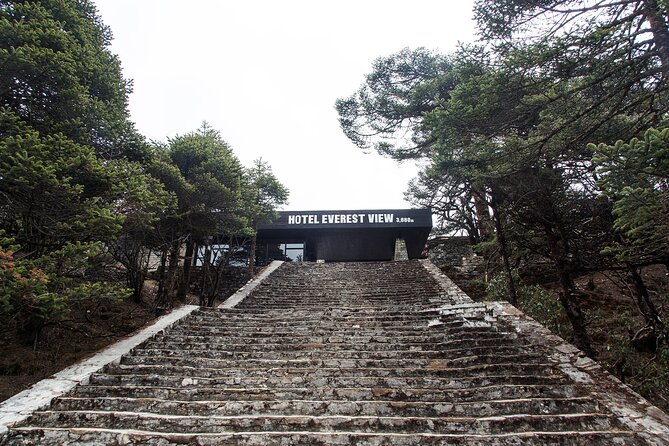
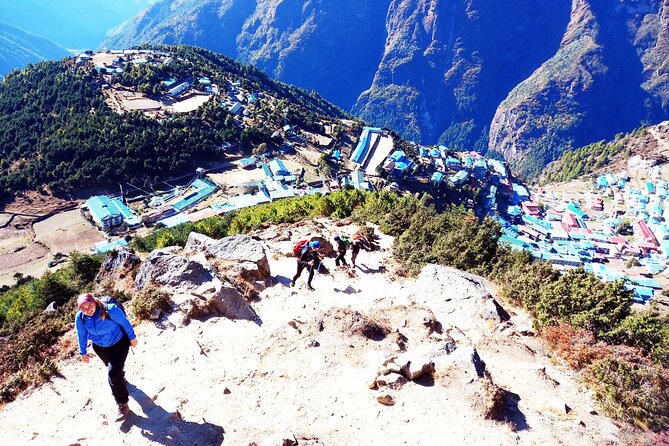
Day two is the hike from Phakding to Namche Bazaar, roughly 6 hours, with a max altitude listed at 3,438 m (11,280 ft). Namche is described as the gateway to Everest, with Sherpa culture you can feel right away through shops and cafes, plus lots of local life.
This is the day where you should work with your body, not against it. In a tight 5-day schedule, acclimatization is not a “nice-to-have.” It is the difference between feeling okay on the higher segment and feeling awful.
Also, Namche is more than a waypoint. You get time to explore once you arrive, including a chance to check out the local market and the vibe of the town. That helps you break the day into blocks instead of one long slog.
The Namche to Hotel Everest View day: 360-degree panoramas at 3,880 m
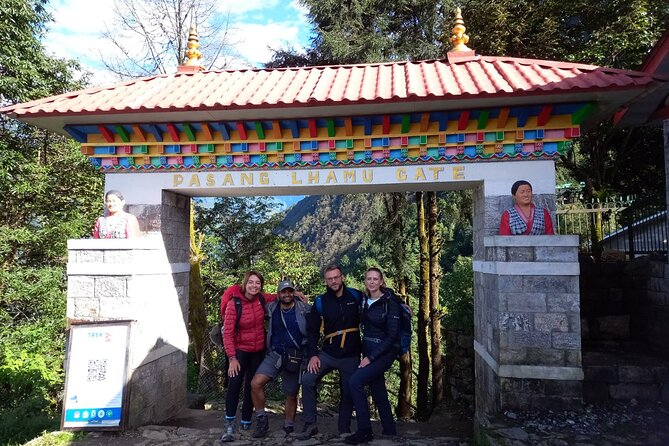
This is the big reason many people choose the trek. Day three focuses on the Hotel Everest View, which sits at 3,880 m and is tied to a Guinness World Record for being the highest situated hotel. You get a hike from Namche to the hotel area for panoramic views of Mt. Everest and the surrounding range.
The trip description frames this as a return outing, meaning you go up for the views and then come back to Namche Bazaar the same day. Practically, this matters because it limits how many nights you have to spend at high elevation, while still giving you the signature payoff.
What I like about this approach is that it balances effort and reward. You are not committing to an ultra-long high-altitude stay, but you are still spending real time where the views are meant to be strongest. And the guides matter here. In the experience’s feedback, guide Anil is singled out for being helpful and caring, even keeping an eye on people during the hike so you get a glimpse of Everest without racing past your limits.
When you return to Namche in the late afternoon, you also get free time for your own exploration. That is when you can slow down, eat well, and let your body digest the altitude day.
A few more Kathmandu tours and experiences worth a look
Namche back to Lukla: a longer downhill, then a quick flight home
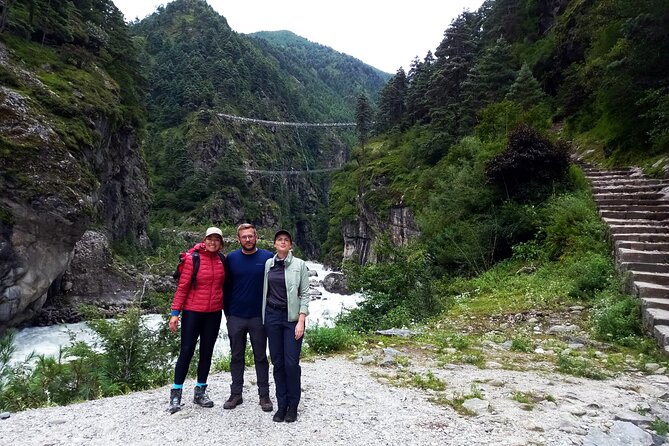
Day four is your trek back to Lukla, estimated at 6 to 7 hours, routed via villages including Manjo and Phakding. You sleep in a guest house in Lukla.
This is one of those days where the “distance” can feel longer than expected. Even if you are descending or moving through familiar areas, you are now tired from earlier altitude effort. The guide and porter support helps keep it workable, especially because porters are included and you are not responsible for carrying everything.
Then day five is a short flight from Lukla back to Kathmandu, about 30 minutes, followed by transfers to your hotels. After a 5-day trek, that fast hop home is a nice reset. It also reduces the chance you end up stuck in transit for a full day after the hard part.
Price and value: what $1,200 includes, and what you still pay for
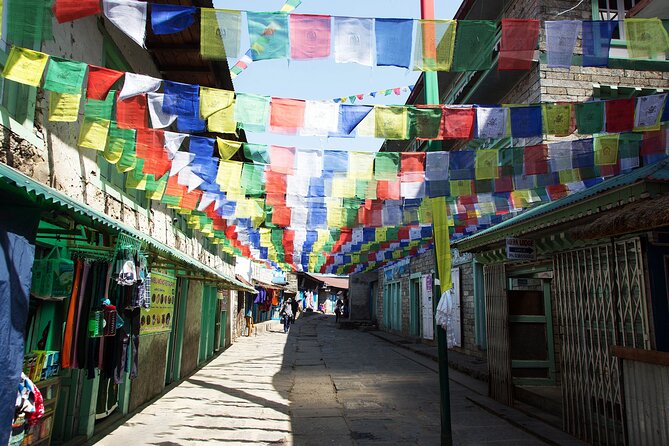
At $1,200 per person, you are paying for a full “supported trek package,” not just hiking. The included items are substantial: return flights to Lukla, national park permits and local government tax, guide and porter, mountain guest house accommodation with private bathroom and hot shower, and meals (4 breakfasts, 4 lunches, 4 dinners).
You also get borrowed equipment, including a duffle bag, trekking poles, and a sleeping bag. That can be a meaningful value boost if you would otherwise rent or buy gear. The included first aid support and the company t-shirt are small, but it signals the trip is meant to run like a proper operation, not a loose arrangement.
What you should budget separately is also clear: hot and cold drinks, personal expenses, and gratuities for guide and porter. If you are the type who drinks bottled water all day, grabs snacks for the trail, or wants extra coffee, you will feel those costs. For a smooth experience, plan to carry some cash and card options for daily extras.
One more thing that affects value is that it is a private tour/activity, with group discounts mentioned. That can work well if you are traveling as a couple or small group and want flexibility while still getting the structure of a guided itinerary.
Season choice: pick your Everest View vibe
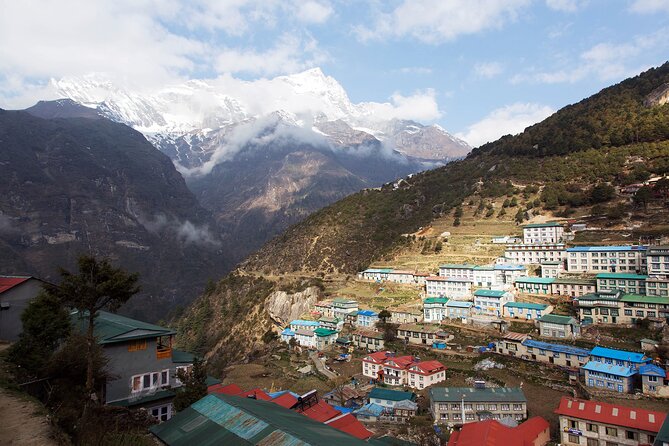
This trek is described as available all year long, with different scenery in each season. Here is how the four seasons are framed for you:
- Spring (March to May): vibrant wildflowers and a more colorful trail feel
- Summer (June to August): clear skies are emphasized
- Autumn (September to November): golden hues in the mountains
- Winter (December to February): snow and ice turn the region into a colder, sharper world
The practical takeaway is that weather shapes what you see, not just what you wear. If you love blue-sky visibility, summer clear skies are the target. If you want photos with warm tones, aim for autumn gold. If you want dramatic winter conditions and are confident handling cold, winter can be stunning.
Also, the experience is weather-dependent and requires good conditions. That is not a reason to skip it, just a reminder to stay flexible with your expectations.
Guide and porter support: how the human touch changes the trek
In a short 5-day trek, the guide team is the difference between a smooth hike and a stressful one. The included guide and porter setup means you spend your energy moving, not micromanaging details.
Real feedback highlights a theme: guides who communicate well and pay attention to people’s comfort. Prakash is praised for making things convenient and for sharing cultural and geographic context, while also navigating flight confusion that can happen in the Everest region, including cancellations and changing airports. Anil is praised for going out of his way to make sure people were okay and for helping you get a glimpse of Everest at the right time.
Porters are also part of the success story. You may feel tired even with a short schedule, and having the right support lets you keep the day focused on the views rather than logistics.
Gear you get, gear you still need, and staying warm
You are loaned key trekking gear: a duffle bag, trekking poles, and a sleeping bag. That helps you travel lighter from home. It also means you can focus on comfort layers rather than packing an entire camping setup.
Still, you should plan for altitude and cold, especially if you travel outside of the warmest months. Hotel Everest View is at 3,880 m, and even in seasons described as clear and good, nights and mornings can feel cold quickly at that elevation. The trip includes accommodation with hot showers, which is a huge morale booster after a long day.
For smart packing, think in layers, and prioritize items that handle wind and cold mornings. Since hot and cold drinks are not included, bring a strategy for hydration and warmth on the trail, like a thermos plan if you already use one.
Who this trek suits, and who should consider another option
This trek is described as suitable for people with moderate physical fitness. If you like structured days, clear routes, and the idea of earning the big view without spending a week walking, you will likely enjoy it.
It can also suit travelers who want support with the high-stress elements. Lukla flights are included both ways, guide and porter are built in, and you have meals organized across all days. That combination is ideal if you do not want to spend your vacation solving operational problems.
Who might reconsider? If you want lots of long hikes day after day, or you prefer more time to acclimatize gradually, a shorter 5-day plan may feel like a sprint. The same altitude strategy that gives you a quick payoff also compresses recovery time between higher points.
If your biggest priority is comfort and calm, plan to slow your pace even when you feel pressured by the schedule. The best experience comes when you treat the trek like a guided walk with time for views, not a race.
Should you book Everest 5-Day Trek from Kathmandu?
You should book if your goal is a tightly organized Everest View experience: Kathmandu to Lukla flights, acclimatization in Namche Bazaar, and a high-point visit to Hotel Everest View with serious panorama chances. The value is strongest when you want most major costs handled, including permits, guide and porter help, guest house lodging, hot showers, and all core meals.
Skip it or change your plan if you know you struggle with altitude on short schedules, or if you need more hiking days to acclimate safely and comfortably. Also keep season and weather in mind. This is a weather-based experience, so choose dates that fit your tolerance for cold or potential changes.
If you do book, bring the right layers, accept the early start, and listen to your guide about pace. With the guide talent highlighted in this trek, like Prakash and Anil, you are not just paying for views, you are buying a smoother climb into the Everest region.
FAQ
What is the duration of the Everest 5-Day Trek from Kathmandu?
The trek is listed as 5 days approximately.
Where does the trek take place?
It runs in the Everest region starting from Kathmandu, including flights to Lukla, trekking through places like Phakding and Namche Bazaar, and a visit to Hotel Everest View.
What time does the trip start?
The start time is 5:45 am.
What does the price include?
The price includes return flight tickets to and from Lukla, national park permit, local government tax, guide and porter, mountain guest house accommodation with private bathroom and hot shower, hotel pickup and drop, borrowed equipment (duffle bag, trekking poles, sleeping bags), company t-shirt, first aid, and meals (4 breakfasts, 4 lunches, 4 dinners).
What flights are included in this tour?
You get return flight tickets to Lukla from Kathmandu, and you also fly back from Lukla to Kathmandu on the final day (listed as a short 30 minute flight).
What kind of accommodation do you get?
You stay at a mountain guest house and the accommodation includes a private bathroom and hot shower.
Is this trek private?
Yes. It is listed as a private tour/activity, meaning only your group participates.
What meals are included?
Breakfast, lunch, and dinner are included for 4 days each, for a total of 4 breakfasts, 4 lunches, and 4 dinners.
What is not included?
Hot and cold drinks, personal expenses, and gratuities for the guide and porter are not included.
More 5-Day Experiences in Kathmandu
More Hiking & Trekking Tours in Kathmandu
More Tour Reviews in Kathmandu
Not for you? Here's more nearby things to do in Kathmandu we have reviewed


5-Day Experiences, compared.
 ★ 5.0Annapurna base camp trek 5 DaysFrom $699252 reviews
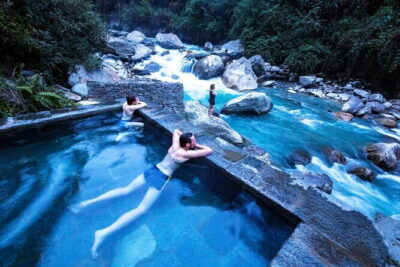 ★ 5.0Kathmandu to Annapurna Base Camp (ABC) 5-Day TrekFrom $99102 reviews
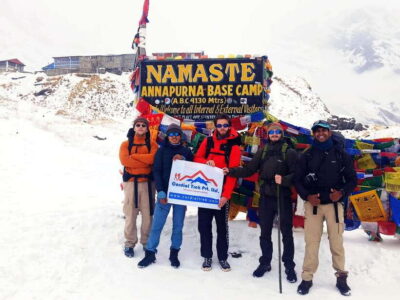 ★ 4.9Kathmandu/Pokhara: 5-Day Annapurna Base Camp (ABC) TrekFrom $9672 reviews
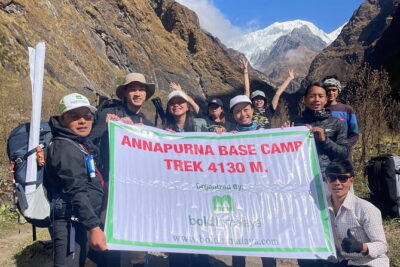 ★ 5.05 Day Private Guided Trekking in Annapurna Base CampFrom $22525 reviews
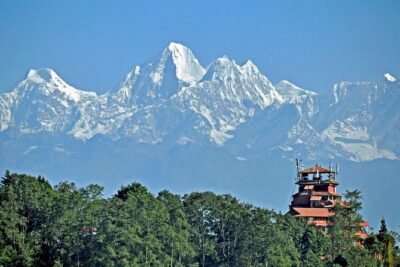 ★ 5.05-Day Sunrise Tour in Kathmandu Near EverestFrom $37012 reviews
 ★ 5.05 Days Hiking, Tour, Meditation and Yoga Retreat in Kathmandu, NepalFrom $58610 reviews
 ★ 5.0Pokhara: 5-Day Annapurna Base Camp (ABC) TrekFrom $1369 reviews
 ★ 5.0Pkr/Kathmandu: 5-Day Annapurna Base Camp & Hot spring TrekFrom $606 reviews
Browse the lists this tour appears in