
Manaslu Circuit is a big-ticket trek, minus the chaos. This route blends jaw-dropping Himalayan views with villages shaped by Tibetan influence, and it saves its biggest test for Larkya La Pass and the high terrain around the border zone. You also get time in key towns like Samagaun and Samdo, so the trip feels more paced than a pure grind.
I like that the team builds in practical support, like an English-speaking guide and a porter to carry your duffel bag (2:1 guest-to-porter). I also like the way the trek handles high altitude with multiple acclimatization days, plus optional add-ons such as a hike toward Manaslu Base Camp. The one drawback to plan around is that the trek price includes meals and lodging on the route, but not your Kathmandu accommodations or everyday meals there besides the welcome and farewell dinners.
Key takeaways before you go
- Larkya La Pass is the signature challenge on this circuit, with an early start for the longest, steepest day
- Multiple acclimatization days in Samagaun and Samdo help you handle altitude more safely
- Permits are handled for you, including the restricted area permit and other required paperwork
- Teahouse trekking with purified water keeps things simpler than hauling all your own supplies
- Porter support is included with a 2:1 guest-to-porter ratio for your duffel bag
- Small group size up to 16 means less crowding on trails and in common tea house spaces
Manaslu Circuit Trek at a glance: what this two-week plan actually delivers
This is a full Manaslu Circuit trek built for people who want big scenery and real village life, without racing from one summit moment to the next. The route runs about 15 days, with the bulk of your time spent trekking through the Manaslu Conservation Area and its chain of river valleys, terraces, alpine pastures, and high settlements.
What stands out to you is the rhythm: you don’t just climb all day, sleep, and repeat. You get built-in pauses for acclimatization and a chance to take optional side hikes, like the possibility of trekking toward Manaslu Base Camp when you’re in the Samagaun area. That matters because you’re heading into higher country, where being thoughtful with your pace is the difference between enjoying the trip and feeling beaten up.
You should also know the physical expectation is moderate-to-challenging. The itinerary includes multiple days around 6 hours of trekking, plus a major pass day and long travel days on either end. If you like steady effort and can handle slow climbs with altitude in the mix, this fits well.
You can also read our reviews of more hiking tours in Kathmandu
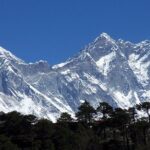
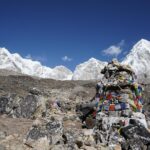
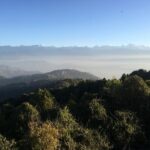
Price and value: what the $1,900 covers, and what you pay extra for
At $1,900 per person, the value here comes from what’s bundled in. The package includes airport pickup and drop-off (international and domestic), an English-speaking guide, porter support for your duffel bag, and teahouse or guesthouse stays on a twin-sharing basis.
It also includes day-to-day logistics that can be annoying to sort out yourself:
- Purified drinking water during the trek (either via a water purifier or chemical purifying tablets)
- First-aid treatment if something minor pops up
- All permits required for the trek, including the restricted area permit
- Administrative expenses and government taxes
- Meals on the trail: breakfast on 15 days, lunch on 14 days, and dinner on 14 days
Now the practical part: Kathmandu is only partially covered. Your Kathmandu accommodations and meals are not included, except for the welcome and farewell dinner. Also, international flights, the tourist visa, travel insurance, and emergency evacuation service charges are not included. Bottled water and beverages are also on you.
One more planning note that affects your budget: the package explicitly says private transfers from Kathmandu to the trek starting location, and the return drive from Besisahar, are not included. So even though the itinerary includes driving segments, you should clarify what transport method you’ll use and whether it’s included as part of the trek package or requires a separate arrangement.
My take: if you want fewer moving parts and you’re comfortable paying a bit more to avoid permit wrangling, porter planning, and meal tracking, this pricing makes sense. If you’re the kind of traveler who likes doing everything on your own, you’ll probably find parts of this can be cheaper if you assemble it yourself.
The route, day by day: Kathmandu to Larkya La and back
Think of this trek as three phases: getting into the river valleys, settling into the high village arc, then crossing the top pass and dropping back down.
Day 1: Kathmandu arrival and first night
You land at Tribhuvan International Airport, meet the representative, and get transferred to your hotel in Kathmandu. This day is about rest, orientation, and getting your gear ready for the trek days ahead. You’re also included for a welcome dinner, which is useful because it gives your team a chance to check on your readiness.
A small but real tip: keep your first night simple. Don’t stack a bunch of activities on arrival day. You’re not training for a sightseeing marathon.
Day 2: Kathmandu area travel to Machha Khola, then your first trekking day
The day starts with a scenic drive to Machha Khola, then you step onto the trail from there. Expect rural river scenery and quiet village edges as you move along the lower part of the circuit.
The value of starting here is psychological. You ease into the trekking rhythm before altitude gets serious.
Day 3: Machha Khola to Jagat, with suspension bridges and terraces
You continue trekking to Jagat along the Budhi Gandaki River corridor. This section is known for suspension bridges and terraced fields, so you get plenty of moments where the trail crosses water and farmland rather than only climbing mountain walls.
The practical consideration: suspension bridges add a little time and attention. Take your photos, then keep moving at a steady pace so you don’t feel rushed later.
Day 4: Jagat to Deng area, river valleys and forested walking
You rise early and trek from Jagat toward Deng, moving through river valleys and lush forest paths. The walking style here tends to feel more “trail and trees” than “wide-open high plateau,” which many people find refreshing.
It’s a good day to practice your pacing. If you go too fast on a forested day, you’ll pay for it later on the pass day.
Day 5: Deng to Namrung, gradual ascent and big views
The route heads to Namrung, with alpine scenery and traditional settlements along the way. The ascent is described as gradual, which usually means a steady effort rather than sudden, wall-like climbs.
What you’ll likely enjoy is the transition in scenery. You’ll feel the trek stepping upward toward the high village zone.
Day 6: Namrung to Shyala, dramatic peaks behind the village
You trek to Shyala, a village framed by major peaks. This is one of the days where the scenery starts to feel more dramatic and less green valley.
Cultural note to keep in mind: this is still village trekking. You’ll pass through small settlements, not just scenic viewpoints.
Day 7: Shyala to Samagaun, a large heritage village
You reach Samagaun, a larger village with deep cultural heritage and stunning mountain views. This is where the Tibetan-influenced feel becomes easier to notice just by how life is arranged in the high valleys.
This day is also a chance to settle in. When you arrive somewhere bigger like Samagaun, you usually get better tea house options and a more comfortable base for acclimatization.
Day 8: Samagaun acclimatization, plus an optional base camp push
You stay an extra day to acclimatize. This is also the day that offers the option to trek to Manaslu Base Camp. Even if you skip it, the acclimatization day matters because it gives your body a chance to adjust before you go higher toward the border zone.
If you do the optional hike, keep it conservative. Treat it as altitude practice, not a race.
Day 9: Samagaun to Samdo, near the Tibetan border
After a proper rest, you trek to Samdo, a village near the Tibetan border. Expect high-altitude scenery and calmer, more remote paths.
The practical takeaway is that Samdo feels more exposed. Even if you’re moving, you’re still in a “higher and colder” zone, so plan for temperature swings.
Day 10: Samdo acclimatization day, another chance to adjust
This is another day for acclimatization while trekking the circuit. The plan includes a scenic hike during the day, but the point is still your body first.
I like days like this because they turn altitude into something you can manage. You’re not guessing. You’re following a rhythm designed for high country walking.
Day 11: high-altitude acclimatization toward Dharamsala
You get one more acclimatization day in this high zone, with another scenic hike. The itinerary names Dharamsala as the stop, so you’ll likely continue moving in the circuit while still keeping the day lighter.
If you’re someone who tends to “push through” on trips, this is where you should resist that instinct.
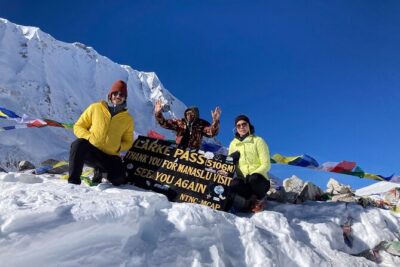
Day 12: Larkya La Pass day, the biggest payoff and the biggest work
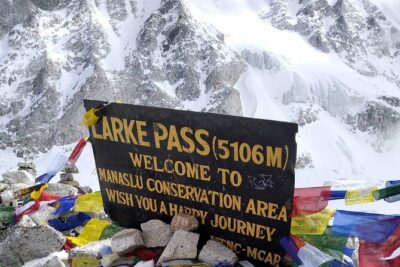
This is the day for Larkya La Pass, described as the highest altitude you’ll reach on the trek. You start early to tackle it, and it’s framed as one of the trek’s most demanding sections.
How to think about it: this is the day that separates the trip into two parts, before the pass and after the pass. If you manage effort well here, you’ll enjoy the descent and the remaining days more.
Day 13: Bimthang to Tilche, alpine meadows and forest edges
You trek to Tilje Village, where you’ll walk through alpine meadows and lush forests. This day is still about elevation, but it’s less about the single pass moment and more about steady mountain walking.
If you want a photo day, this is often where the light and open ground can help.
Day 14: Tilche area to Dharapani, then drive back to Besisahar
You wake early and trek to Dharapani, saying goodbye to Tilje Village. After that, you transition to a drive back to Besisahar and close out the circuit on four wheels.
This day can feel emotional in a quiet way. You’ve been in the same kind of altitude rhythm for days, so the drive feels like a release.
Day 15: return to Kathmandu, one last transfer day
You head back to Kathmandu and return to your meeting point. The trek ends, and you’re left with memories plus a body that needs a real meal and a warm shower.
If you’re booking extra nights in Kathmandu, make it after this day, not before. Your legs will appreciate it.
Tibetan-influenced village life: what you’re actually looking for
Manaslu Circuit isn’t just a mountain project. The route is known for Tibetan-influenced culture, and you’ll feel that most as you move into places like Samagaun and the border-adjacent village of Samdo.
You’ll see it in the simple rhythms of high villages, how daily life adapts to altitude, and how the trekking corridor brings travelers into contact with communities that don’t feel like a one-stop tourist machine. You’re not just walking from viewpoint to viewpoint, you’re moving through lived-in places.
A good approach for this kind of trekking is to be low-key and respectful. Keep your questions simple, your movements calm, and your timing consistent with the pace of the trail.
Acclimatization strategy: why the itinerary gives you breathing room
The trek plan builds acclimatization where it counts. You have extra time in Samagaun, then you get additional altitude adjustment days around Samdo and the high zone before you go over Larkya La Pass.
This is a smart design for three reasons:
- It reduces the temptation to sprint early.
- It gives you time to see how you personally handle altitude.
- It keeps your energy for the pass day instead of spending it all on exhaustion.
A practical tip: use your acclimatization days to move lightly and eat well. The purified water included in the package helps you stay hydrated, which matters when the air feels thinner.
Also, listen to your guide’s pacing. An experienced guide approach, and support from team members like English-speaking guides who have been highlighted for strong support, makes a difference when conditions shift.
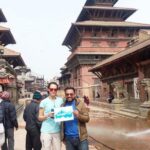
Carrying light, drinking safely: porter, teahouses, and water setup
This trek includes a porter for your duffel bag with a 2:1 guest-to-porter ratio. That’s not just comfort. It changes how you experience the trail. With less weight, you can keep your pace more consistent, which helps a lot on steep or high-altitude sections.
You’ll sleep in teahouses or guesthouses on a twin-sharing basis. That means you’re not camping every night, but you’re also not in a luxury hotel system. Expect basic comfort and plan to dress in layers.
Drinking water is handled during the trek through purification using a purifier or tablets. Still, bring a bottle you trust and keep your routine steady. It’s easier than dealing with uncertainty when you’re tired at the end of the day.
For gear, I’d focus on layers, a decent daypack, and something warm for evenings. High-altitude nights can feel colder than you expect.
Getting there and back: transfers and the Thamel meeting point
You meet at Kathmandu Business Hotel in Thamel. Airport pickup and drop-off are included, which removes a common headache for first-time visitors.
But the package notes that private transfers from Kathmandu to the trek starting location, and the return drive from Besisahar, are not included. In practice, you may still ride in vehicles during the trek timeline, but you should confirm exactly what portions are included versus what you might need to arrange with your operator.
My advice: ask what you’ll do on day two morning, and how you’ll move from Besisahar to Kathmandu on day 15. If you have clear answers, you’ll avoid the last-day scrambling that ruins the feeling of a completed trek.
Who should book this Manaslu Circuit trek?
I’d steer you toward this trek if you want:
- A guided circuit with permits, meals, purified water, and porters handled
- A route with acclimatization days rather than constant uphill effort
- Small-group trekking (up to 16 people), which keeps the vibe calmer on trail
It’s also a good fit if you like village trekking and want the Tibetan-influenced side of Nepal to be part of the experience, not just a marketing line.
This trek might not be ideal if you:
- Want fully self-managed travel with zero operator involvement
- Have little flexibility for altitude and long days
- Are counting on Kathmandu hotel comfort being included beyond the welcome and farewell dinner
Should you book this trek? A practical yes or no
Here’s my honest call. If you value organization, support, and a trek plan that takes altitude seriously, you should book it. The package includes the big-ticket logistics that often get messy when you plan independently: permits (including restricted area), English-speaking guidance, porter support, meals on the trail, purified water, and first-aid readiness.
It also looks like the operator takes service seriously, with past guests praising responsive help and guides such as Mr. Raman Shrestha for support and knowledge, and Mr. Bipin for thoughtful gestures. That lines up with what you want on a high-country trek, where small help can prevent big problems.
If you’re the type who enjoys solving every detail yourself and you’re budgeting tightly for Kathmandu, then you might compare alternatives. But for most people who want Manaslu Circuit without the admin burden, this is a solid value and a sensible way to do the trek.
FAQ
How long is the Manaslu Circuit trek on this tour?
The duration is listed as 15 days approximately.
Where does the tour start and end?
It starts at Kathmandu Business Hotel, Thamel, Kathmandu, and ends back at the same meeting point.
Does the tour include airport pickup and drop-off?
Yes. Airport pickup and drop-off are included for both domestic and international travel.
Is an English-speaking guide included?
Yes. An English-speaking guide is included throughout the trek.
Are porter services included?
Yes. A porter carries your duffel bag, with a 2:1 guest-to-porter ratio.
What kind of lodging will I have during the trek?
You stay at teahouses or guesthouses on a twin-sharing basis.
Are meals included during the trek?
Yes. Breakfast is included for 15 days, lunch for 14 days, and dinner for 14 days.
Is drinking water provided safely?
Yes. Drinking water is purified during the trek using a water purifier or chemical purifying tablets.
Are trek permits included?
Yes. All permits required for the trek are included, including the restricted area permit.
What is not included in the tour price?
Not included are Kathmandu accommodation or meals except the welcome and farewell dinner, international flights, tourist visa, travel insurance and emergency evacuation charges, bottled water or beverages, and personal expenses. Also, private transfers from Kathmandu to the trek starting location and return drive from Besisahar are listed as not included.
More Hiking & Trekking Tours in Kathmandu
More Tour Reviews in Kathmandu
Not for you? Here's more nearby things to do in Kathmandu we have reviewed


Manaslu Circuit Treks from Kathmandu, compared.
 ★ 5.0Manaslu Circuit Trek (15 Days)From $1,65750 reviews
 ★ 5.016 Day Private Manaslu Circuit Trek from KathmanduFrom $1,13542 reviews
 ★ 5.0Manaslu Circuit Trek 13 DaysFrom $1,40030 reviews
 ★ 5.010 Days Manaslu Circuit Trek in Larke La PassFrom $1,04930 reviews
 ★ 5.0Manaslu Circuit Trek 8th Highest in the WorldFrom $1,60014 reviews
 ★ 5.0Dancing in the Manaslu Circuit TrekFrom $1,39010 reviews
14 days Manaslu Circuit TrekkingFrom $2278 reviews
★ 5.0Dancing in the Manaslu Circuit TrekFrom $1,39010 reviews
14 days Manaslu Circuit TrekkingFrom $2278 reviews
 ★ 5.0Manaslu Circuit Trek to the Beauty of 8th Highest MountainFrom $3657 reviews
Browse the lists this tour appears in