
REVIEW · MANASLU CIRCUIT TREKS FROM KATHMANDU
Manaslu Circuit Trek 13 Days
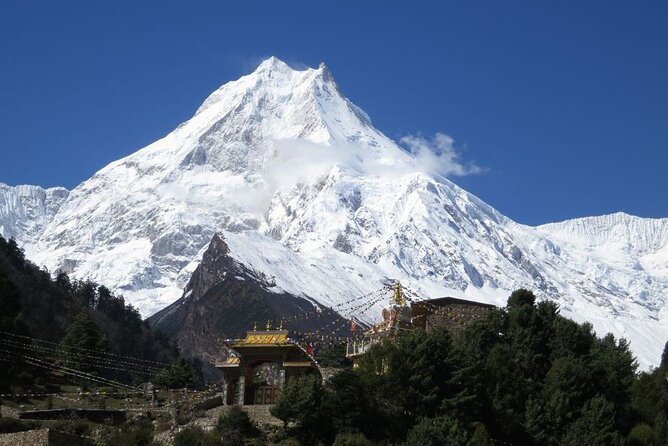
Manaslu steals the show. This 13-day trek blends Manaslu mountain panoramas with monastery life and village culture along the Budhi Gandaki. You hike through Gurung, Tamang, and Tibetan-influenced communities, then work your way up toward Larkya La.
Two things I really like about this trip are how practical the planning is and how much you actually get for the price. You’re set up with a government-licensed English-speaking trekking guide, and the itinerary is paired with the permits you need, including Manaslu Conservation Area fees and the special Manaslu permit (listed for seven days). It also sounds like the guides make a real difference on the trail, with names like Hem, Kumar, Pradip, Rajesh, and porter Deepak showing up in guest feedback for being kind, communicative, and on top of details.
One drawback to consider: this is not a casual stroll. You need moderate fitness and you should expect thin air and cold conditions, especially on the steep approach to Dharamsala and the Larkya La pass day.
Key highlights worth your attention
- Larkya La Pass views of Manaslu and surrounding snow peaks, plus glacier scenery along the climb
- Tibetan-style culture in places like Namrung and the monastery world around Lho and Samagaun
- Acclimatization built in with a Gompa day trip and Base Camp area walking options
- Included permits (Manaslu Conservation Area, Manaslu Special Permit for seven days, Annapurna Conservation Permit, TIMS)
- Strong guide experience in feedback, with guides like Hem, Kumar, and Pradip praised for care and explanations
- Not overly crowded feel noted in feedback, with a comment about around 200 people passing per day on the route
Manaslu Circuit Trek, in plain terms: what you’re signing up for
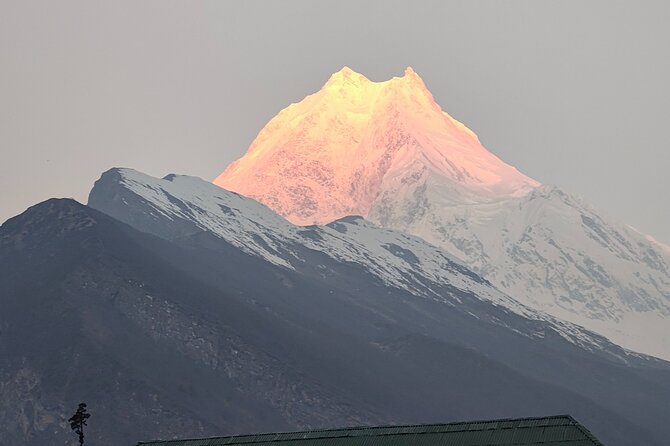
This is a real mountain trek, not a “walk to a viewpoint and call it a day” tour. The circuit is famous for big views of Manaslu, but what makes it satisfying is the rhythm: river valley walking, forest trails, village days, then higher, quieter terrain where monasteries and stone walls start to feel part of the weather.
You also get a travel-style mix of Nepal cultures. Early on, you pass through communities with distinct local traditions. As you gain altitude, the trail leans more Tibetan in feel, with chortens, mani walls, prayer flags, and gompas that help explain why this region has such strong spiritual energy.
The trek is designed for a 13-day schedule that includes acclimatization time. That matters because the circuit’s highest points do not forgive poor preparation. If you train before you go, you’ll enjoy the mountains more and suffer less.
You can also read our reviews of more hiking tours in Kathmandu
Price and value check: what $1,400 includes, and what you still budget for
The listed price is $1,400 per person for about 13 days. For trekking in Nepal, what stands out is that the package covers major “must-haves” that can be annoying to sort out on your own.
Included items you’ll appreciate:
- A government license holder English-speaking trekking guide
- Trekking permits: Manaslu Conservation Area fees, Manaslu Special Permit (seven days only), Annapurna Conservation Permit, and TIMS card
- First aid medical box
- A trek map with the company logo, plus a t-shirt and a duffel bag
- Farewell dinner
- Public transportation (as described in the route start and finish)
What you should plan to pay separately:
- Meals: all meals are listed as not included
- Accommodation during the trek: not included
- Porters: not included
- Visa fee and international airfare
- Travel insurance and rescue operation costs
- Personal expenses like laundry and device charging
- Tips for guides and porters
Here’s the practical way to think about value: you’re paying for the permits, the licensed guide, and the route management. You’re not paying for the in-lodge daily spending that comes with teahouse-style trekking. If you’re the kind of traveler who wants things handled, this still feels like good value because logistics and paperwork are covered, and that’s where trekking plans often go wrong.
Day 1 to 4: Machha Khola, Jagat, Sirdibas, Philim, and the Budhi Gandaki rhythm
The trek begins with an early drive from Kathmandu to Machha Khola. The route follows the Trishuli and Budhi Gandaki rivers, so even before you start walking, you’re already getting the “Nepal by river” scenery and the sense that the circuit is built around moving water.
Day 2 takes you from Machha Khola toward Jagat. You’ll walk an easier trail section, passing wild marijuana plants along the way, then head into the Budhi Gandaki gorge. This part is about settling into trekking mode and getting your legs used to steady climbs and descents.
Day 3 continues with Salleri and then the west bank of the Budhi Gandaki River. Expect frequent mountain glimpses, including Shringi Himal and Langju Himal when the weather cooperates. You’ll reach Sirdibas, a quiet stop that helps keep the day from feeling like one long grind.
Later on Day 3 and into the next stops, you move through the chorten and monastery world. You’ll pass Philim, a prosperous-looking village surrounded by terraced fields. Then there’s Ekle Bhatti, a small isolated rest point, and it’s exactly the kind of place where you can rest without distractions. Finally, you reach Deng, where a painted Kani gate marks the entrance to the village and the day feels more community-based than purely trail-based.
In Day 4, the trek shifts again. You move toward Bihi Phedi, a settlement split into three clusters of houses, and the ascent gives you that “I’m really leaving the lower valleys” feeling. Then comes Ghap, where Serang Monastery stands out with colorful paintings and Buddhist figure carvings. You finish Day 4 reaching Namrung, often described as a Nepali version of Tibet. That’s not just hype. The buildings and spiritual markings make the culture on this trek start to feel different from the early river valleys.
Watch-out: these early days are long, even if they don’t feel dramatic. If you go too fast on Day 1 or 2, you’ll feel it later when the air thins.
Day 4 to 6: Serang Monastery, Lho’s views, and the route into Shyala and Samagaun
Day 5 starts with Banjam, a farming village with terraced fields and glacier views in the mix. It’s a good day for people who like seeing how daily life fits into the mountains instead of just passing through.
You then walk to Lihi, where a three-tiered chorten decorated with colorful Buddhist deities gives you more of the symbolic Nepal you came for. After Hinang Monastery, you reach Sho, a lively village known for a large prayer wheel. This stop often feels like a mental reset point because you’re not just walking, you’re surrounded by spiritual infrastructure.
From there, the day ends at Lho, one of the trek’s big “pause and breathe” moments. Lho offers some of the best panoramic views of the Manaslu ranges, plus grand monasteries and a dramatic mountain backdrop. This is one of those evenings where you’ll want your camera charged, but you’ll also want to just watch the light change on peaks.
Day 6 begins from Lho and heads through forested sections that were once linked to an ancient yak caravan route, where timber was exchanged with Tibet. That history is more than a fact. It explains why some trails feel like they were used for centuries, not just discovered by hiking companies.
You’ll pass fleeting views of peaks like Ngadi Chuli, then reach Shyala. The trek continues to Samagaun, described as peaceful and spiritual, in a stunning setting where rest actually feels earned. Samagaun is where you feel the air getting thinner and the days getting quieter.
Watch-out: when you get to Lho and Samagaun, slow down. Your body is working harder than you think, even if the trail looks manageable.
Acclimatization days 7 and 8: Pungyen Gompa, Birendra Taal, and the Base Camp area
Day 7 is a day trip to Pungyen Gompa. The route heads back to a junction, then northwest toward the gompa, passing small chortens along the way. It’s a smart kind of day because you’re moving, but not pushing toward new altitude milestones.
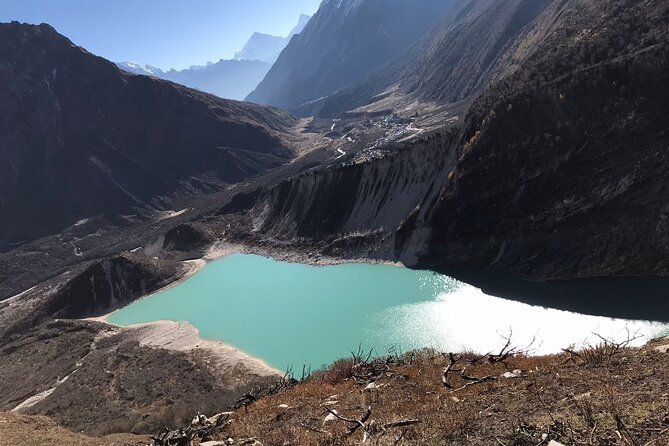
Day 8 is when you get a strong scenery payoff. You visit Birendra Taal, a turquoise glacial lake named after King Birendra Bir Bikram Shah Dev. The color comes from glacial decomposition at the lake bottom, so it’s not just “pretty water,” it’s a science-y kind of pretty.
Then you head to Samagaun again for a Manaslu Base Camp area experience. The main trail is bypassed on this journey, but you get views around Mani walls and the Samdo Peak area. After that, you go to Samdo, described as a peaceful village and a resting point before the final ascent. This is where you start to feel the circuit tightening around its highest section.
Why this matters for you: acclimatization days often make or break comfort. If you treat these days as “extra walking for bragging rights,” you’ll regret it on Larkya La day. Instead, use the time to drink water consistently, eat simply, and stay calm.
The Larkya La push on days 9 and 10: Larkya Bazaar, Dharamsala, and pass-time glaciers
Day 9 starts at Larkya Bazaar, an ancient market you pass on the way to Larkya Phedi. This gives the trek a time-capsule feeling. It’s easy to forget that these routes were once trading corridors, not just hiking paths.
Then the day heads toward Dharamsala (also called Dharmasala). This section involves a steep ascent where altitude can affect breathing. The trail is lined with chortens, mani walls, juniper bushes, and hints of glaciers. Expect this to be a “shorter steps, slower pace” day.
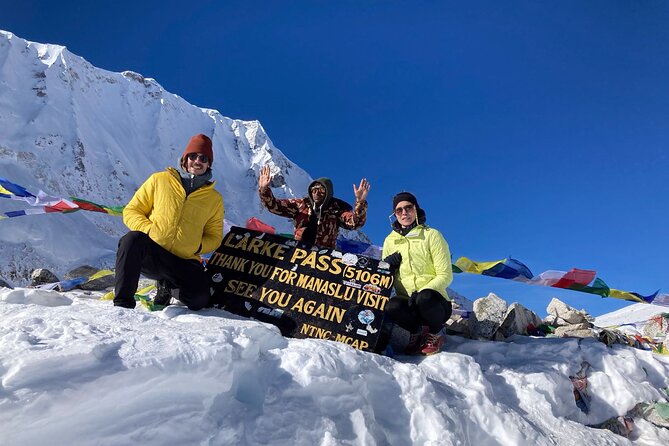
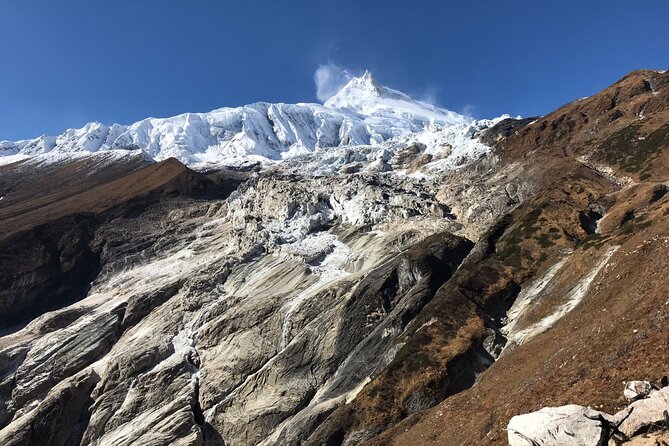
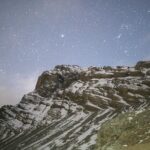
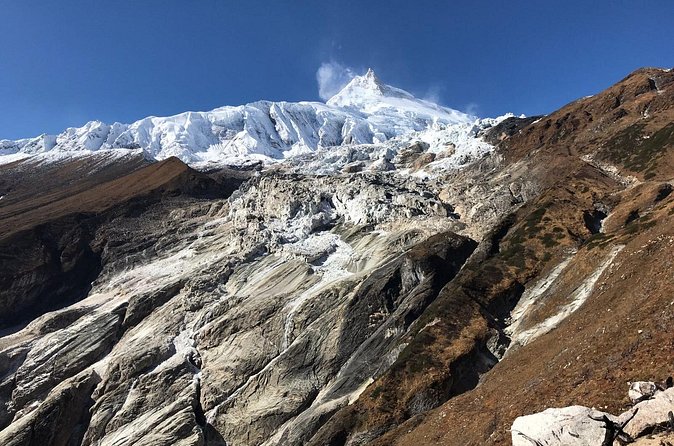
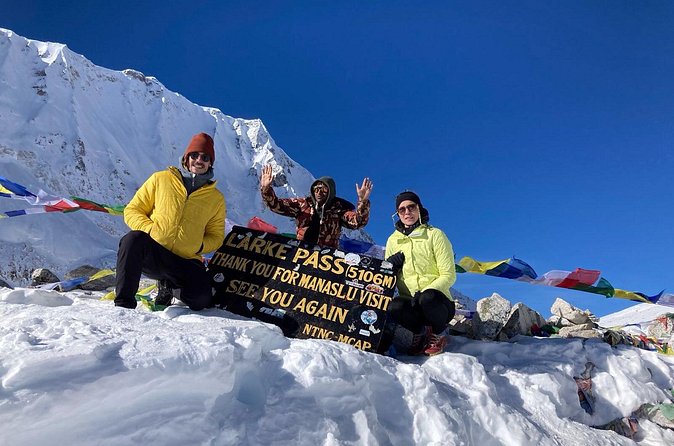
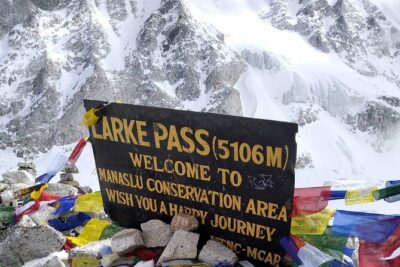
Day 10 is the headline: Larkya La Pass. As you ascend, you’ll see the Manaslu range, Syacha Glacier, and multiple snow-capped peaks. You also pass glaciers, chortens, and stone structures that mark the route. This is the day where weather can change fast, and you’ll want to be ready with warm layers and a steady rhythm.
After the pass, you reach Bimthang, a well-deserved rest area surrounded by dramatic scenery. It’s the kind of stop that feels like your body finally understands what you asked it to do.
Reality check: the pass day is not a “feels like a workout, but fun” day. It’s a serious altitude and cold day. Plan your effort and keep moving steadily.
Days 11 to 13: Tilche, Tal, the descent to Besisahar, and back to Kathmandu
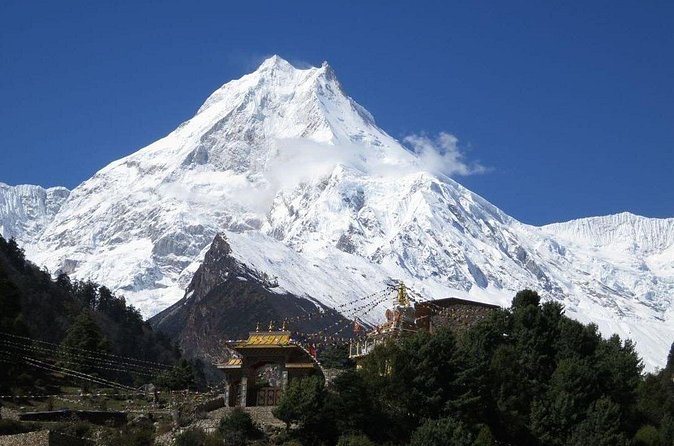
Day 11 takes you from Tilche after descending from Larkya La. The scenery stays strong, and the mountains feel closer compared to the pass. The trail also shifts into a forest walk through rhododendrons, pines, and oaks. This is one of the nicer ways to transition after the cold, open pass terrain.
Day 12 moves from Tilje to Tal. The route may not show constant “wow” mountain views, but the walk is pleasant with changing vegetation and denser, more vibrant villages. This is a good day for recovery because you’re still trekking, but the pace can feel more sustainable.
Day 13 is about finishing and heading home. You descend to Besisahar on foot and then take a long drive back to Kathmandu. It’s the same route corridor you traveled earlier, which helps you recognize parts of the valley again. Back in Kathmandu, you get a hotel rest period, which you’ll appreciate more than you expect after days in boots.
Culture you can feel on the trail: monasteries, mani walls, and the Tibetan-style touch
This circuit has a clear cultural theme as you go higher. In the early segment, you see daily farming life and village rhythm. As you approach Namrung, Lho, and Samagaun, the spiritual markers become more frequent and more visually strong.
A few specific stops to keep in mind:
- Serang Monastery in Ghap, with paintings and carvings of Buddhist figures
- Namrung, described as a Nepali version of Tibet, where the Tibetan-influenced feel becomes obvious
- Lihi, where a three-tiered chorten decorates the route culture
- Sho, with its large prayer wheel, making it easier to understand how devotion is built into daily movement
- Pungyen Gompa, reached on a quieter day trip that supports acclimatization
- Mani walls and chortens throughout the higher areas
One thing I like about this setup is that culture is not a separate activity. It sits next to your walking rhythm, so you can stop, look, and then keep moving without turning the trek into a museum tour.
Guides, permits, and the small things that keep you comfortable
The biggest operational advantage here is the licensed, English-speaking guide. When you’re at altitude, having someone who can explain what you’re seeing and help you pace matters a lot. In guest feedback, guides such as Hem, Kumar, Pradip, Rajesh, and even porter Deepak get praised for staying caring and communicative. You also see names like Devaraj popping up in pre-trek communication, which tells me the company tries to reduce stress before you ever reach the trail.
Permits are another quiet win. This trek requires multiple permit types, including Manaslu Conservation Area fees, the Manaslu Special Permit (listed for seven days), the Annapurna Conservation Permit, and TIMS. Having those handled means you spend your energy packing and training, not chasing paperwork.
What I also appreciate is the inclusion of a first aid medical box and the farewell dinner. That’s not the headline, but it signals that the trek has a baseline of care built into the plan.
Packing and pacing tips that fit this itinerary
Because the route runs long days and climbs to the Larkya La area, your success depends on consistency, not heroics. If you can do a few weeks of hiking before you travel, you’ll enjoy the mountain days more.
A few practical rules that match this itinerary:
- Go slow on uphill sections early, especially Day 1 to Day 4
- Use the acclimatization days (Pungyen Gompa and the lake/Base Camp area walking) to save energy for the pass
- Plan warm layers for cold and wind exposure on the Larkya La day
- Treat steep climbs to areas like Dharamsala as breathing training, not fitness tests
Also think about support. Porters are listed as not included, which means you should decide in advance whether you want one. If you’re carrying everything yourself, pack like you mean it, and keep your heaviest items close to your back.
Should you book this Manaslu Circuit trek with Trek Mania Nepal?
If you want a guided Manaslu Circuit that handles permits, includes a government-licensed English-speaking guide, and keeps the cultural and spiritual side of the route front and center, this is a strong choice. The fact that feedback repeatedly mentions guide care, clear communication, and organized trip flow is exactly what you hope for on a remote trek.
Book this if:
- You have moderate fitness and you’re willing to slow down for altitude
- You care about monasteries, chortens, and Tibetan-influenced culture as much as peak views
- You prefer a plan that tackles paperwork and route structure
Think twice or plan smarter if:
- You’re sensitive to altitude or you’re not ready for a serious pass day
- You want meals and lodge stays fully included in the price, because meals and accommodation are listed as not included
If you match the trek to your fitness and budget, you’ll come away with the kind of trip where the mountains are the headline, but the monasteries and trail rhythm are what you keep remembering.
FAQ
How long is the Manaslu Circuit Trek?
The trek is scheduled for 13 days (approx.).
Where does the trek start and where do you finish?
The location is Kathmandu, Nepal. On the last day you descend to Besisahar on foot and then drive back to Kathmandu for rest.
What permits are included in the trek price?
Included permits are Manaslu Conservation Area fees, Manaslu Special Permit (seven days only), Annapurna Conservation Permit, and TIMS card.
Are meals and trek accommodation included?
No. Meals and all accommodation during the trek are listed as not included.
Is there an English-speaking guide?
Yes. The trip includes a government license holder English-speaking trekking guide.
Do you need good weather and a fitness level for this trek?
Yes. The trek requires good weather and a moderate physical fitness level.
More Hiking & Trekking Tours in Kathmandu
More Tour Reviews in Kathmandu
Not for you? Here's more nearby things to do in Kathmandu we have reviewed


Manaslu Circuit Treks from Kathmandu, compared.
 ★ 5.0Manaslu Circuit Trek (15 Days)From $1,65750 reviews
 ★ 5.016 Day Private Manaslu Circuit Trek from KathmanduFrom $1,13542 reviews
 ★ 5.010 Days Manaslu Circuit Trek in Larke La PassFrom $1,04930 reviews
 ★ 5.0Manaslu Circuit Trek 8th Highest in the WorldFrom $1,60014 reviews
 ★ 5.0Dancing in the Manaslu Circuit TrekFrom $1,39010 reviews
14 days Manaslu Circuit TrekkingFrom $2278 reviews
★ 5.0Dancing in the Manaslu Circuit TrekFrom $1,39010 reviews
14 days Manaslu Circuit TrekkingFrom $2278 reviews
 ★ 5.0Manaslu Circuit Trek to the Beauty of 8th Highest MountainFrom $3657 reviews
 ★ 5.0Manaslu TrekkingFrom $1,9005 reviews
Browse the lists this tour appears in