

REVIEW · MANASLU CIRCUIT TREKS FROM KATHMANDU
Dancing in the Manaslu Circuit Trek
Manaslu feels quieter for a reason, and that matters on a trek. I love the restricted-access route through Tibetan-influenced villages, where prayer flags and stone monasteries feel close, not staged. I also love the way the schedule gives you a real acclimatization buffer before the high pass. The main drawback to plan for is time in motion, you spend long hours driving and many trekking days run close to 12 hours.
A big part of the value is that you are not only buying views, you are buying a system: permits, meals, and transport are handled, and the trek moves with an English-speaking guide and twin-sharing private rooms. You’ll still need to be ready for altitude and cold nights, and you must arrange a porter since one is required.
Key highlights that make this trek worth your time

- Restricted-access Manaslu region keeps the trail calmer and the village encounters more human
- Larkya La at 5,100 m plus glacier views, often the trip’s emotional peak
- Acclimatization day in Samagaun with optional hikes to Manaslu Base Camp and Birendra Lake
- Full-board meals and farewell dinner remove day-to-day decisions so you can focus on walking
- Guides like Bijaya and Tenji are praised for real care, not just route management
- Private rooms on trekking days and a first aid kit for basic medical response
Why the Manaslu Circuit trek feels personal and low-crowd

If you have done the popular Nepal routes, you know the tradeoff. More people often mean more noise, more waiting, and less sense of discovery. Here, the Manaslu Circuit is restricted, which helps keep the number of trekkers lower. That makes a difference when you pause in a village lane, step into a monastery courtyard, or sit with locals while prayer flags snap in the wind.
The other reason this trek feels personal is the shape of the journey. You move through subtropical valleys, river gorges, and then up into serious high-altitude passes. That gradual climb gives you time to adjust, instead of arriving at thin air and hoping for the best. You can feel the region change day by day, and your body gets time to catch up.
You can also read our reviews of more hiking tours in Kathmandu
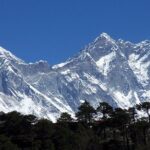
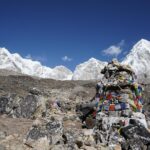
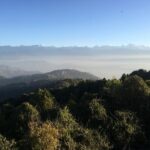
Day 1 to 3: Kathmandu, Maccha Khola, Tatopani, and reaching Jagat
Day 1 is a long getting-started day. You leave Kathmandu and drive toward the trailhead area around Maccha Khola, passing through rural villages and green hillsides. One practical detail: you may switch vehicles around the Soti Khola area before continuing to Maccha Khola. It is a small thing, but vehicle changes can add friction if you do not pack smart for motion sickness, warm layers, and water.
On Day 2, the trek settles into a rhythm along the Budhi Gandaki River. You also get a classic detour: Tatopani’s natural hot spring. It is not a spa-day guarantee, since conditions vary, but the idea is solid. After hours of hiking, the chance to warm up helps your legs feel more like legs and less like cold rope.
Then you enter deeper into the restricted region and reach Jagat. Jagat is known for stone houses and a rural look, which is exactly what you want on this circuit. This is one of those places where you stop not because there is a big landmark, but because the village itself is the story. You get a feel for daily life, and you start noticing Tibetan-influenced details that reappear later in the trek.
Day 3 keeps moving through the midsection of the circuit. You trek toward the area around Deng and stop in the Salleri region. This day is less about a single wow moment and more about building your hiking confidence. Your body learns the cadence: steady uphill, slow downhill control, and the routine of arriving before dark so you can actually enjoy tea and conversation.
Day 4 to 6: Namrung, Shyala, Samagaun, and Pungeyn Gumpa
Day 4 brings you to Namrung, with time to enjoy the Prok village area, Mani walls, and forest scenery. Mani walls are one of those cultural features that can feel abstract until you see them up close. They are more than decorations. They are part of the spiritual geometry of the place, and your guide can help you understand what you are looking at. This is where the “Dancing” name starts to make sense in spirit, because the trail becomes about relationships and local rhythm, not just a checklist of peaks.
Day 5 continues the climb and moves you toward Shyala. This is still trekking, still steady, but the air starts to feel more serious. Nights typically get colder, and the small choices matter more, like drying your gear properly and keeping your water from freezing.
Day 6 lands you in Samagaun, and it is a key shift day. From Shyala you reach Samagaun, then you have a hike option to Pungeyn Gumpa. This is one of the better kinds of add-ons, a cultural hike that does not steal the whole day from acclimatization. If you are the type who likes monasteries more than viewpoints, you’ll probably enjoy the pacing.
Samagaun is also where you start feeling the altitude as a background presence. You might not be gasping yet, but sleep can get lighter and your appetite can change. That is your cue to stay disciplined with water, pace, and rest.
Day 7 and the acclimatization buffer before Larkya La

Day 7 is your acclimatization day in Samagaun, and it is not filler. This is where your trip success is quietly decided. The plan includes an option to hike to Manaslu Base Camp and Birendra Lake. You are not required to do it, but if you feel good, it can be an incredible way to “earn” better air on the next stages.
Even if you choose the shorter version, the benefit is the same. You give your body a chance to adapt before the route turns more demanding. People underestimate how much a calm acclimatization day improves your mood later. You worry less, you hike smoother, and you are more likely to enjoy the high-pass moments instead of just surviving them.
The best practical strategy here is simple: go slow, keep breathing under control, and do not treat the optional hike like a race. Your guide can help you decide based on how you feel that morning, and this is one place where an attentive team matters.
Day 8 to 10: wooden bridges, Larke Bazaar, Dharmasala, and 5,100 m

Day 8 shifts you toward the Larkya La area and down to the Budhi Gandaki River. You cross a wooden bridge and you get a chance to witness the Larkya glacier. Glaciers can look unreal from a distance, but the closer you get, the more you realize they are just moving ice under cold light. It is one of those moments that makes the hours of effort feel justified.
On Day 9 you trek through icy streams, pass through Larke Bazaar, and ascend toward Dharmasala. You also pass monasteries and Mani walls again, which helps keep the trek balanced. This is also where you start noticing how the route is about more than altitude. Conditions can change quickly, and cold water crossings are a reminder to pack for wet feet and use care.
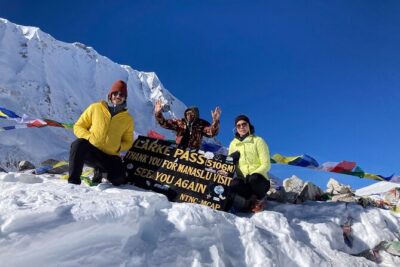
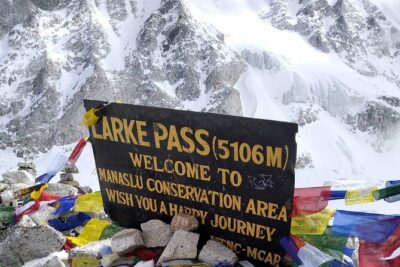
Day 10 is the big high-pass push. You tackle challenging terrain to reach Larkya La Pass, with views of Cho Danda, Larkya Peak, and four frozen lakes. This is the part you came for. It is cold, it is demanding, and your reward is a sense of scale that is hard to describe in photos.
A practical note: on pass days, your pace is not about speed. It is about rhythm and foot placement. You want stable steps, a steady breathing pattern, and layered clothing that you can adjust without dumping heat.
Day 11 and 12: forest descent to Dharapani and back to Kathmandu

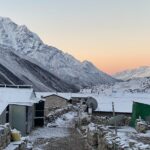
After the high pass, Day 11 focuses on descent. You trek through lush green forests, cross the Dudh Khola, pass through Karche Village, and reach Dharapani. The shift in vegetation and temperature can feel almost unreal after days of cold, open terrain. Take time to enjoy it. The “after” phase is not just recovery, it is part of the story.
Day 12 brings you back to civilization in stages. First you take a jeep drive from Dharapani to Besisahar, then you enjoy a drive from Besisahar back to Kathmandu, about five hours. It is a long day, but you get to trade poles for seats. When you arrive, you’ll likely feel the same thing I think most trekkers feel: relief, then quiet pride.
The cultural side of the circuit, from Mani walls to local dance moments

This trek is not only a hiking project. It is a culture trek through Tibetan-influenced villages, with prayer flags, monasteries, and local traditions woven into the route. The overall vibe is “quiet by design,” and that makes cultural moments feel less like entertainment and more like daily life.
The most useful thing I can tell you is to bring patience for the cultural timing. Villages might be calm in one hour and lively in another. If the trip name points you toward dance and music, be open to it as a bonus rather than a guaranteed schedule item. Your guide can help you notice what is happening when it happens, and you’ll likely appreciate the effort.
Also, this route gives you repeated chances to see Mani walls. Repetition makes learning easier. You start to recognize the patterns and you stop thinking of them as just lines on a stone surface.
What the $1,390 covers, and what it might cost you extra

Price is $1,390 per person, and for a 12-day trek that includes a lot more than just walking. Here is what you get for that cost:
- Three full-board meals each trekking day (breakfast, lunch, dinner), plus a farewell dinner
- Required permits and government taxes
- Deluxe bus transfers for Kathmandu to Sotikhola and Besisahar to Kathmandu
- Shared jeep transportation from Dharapani to Besisahar
- A government-certified English-speaking guide
- Twin sharing private rooms throughout the trek
- A first aid kit
- Porter support is not included, but the trek requires one
The big value question is this: are you the type who hates coordinating independently? If you are, this package format is a relief. Permits, taxes, and transport are the parts that usually become messy when you DIY.
What costs extra in real life are the predictable items: travel insurance (you are responsible for arranging it), personal expenses like phone charging and hot water, porter fees (porter is required and you can hire from Kathmandu or at Sotikhola), and tips for your guide and other services. So treat $1,390 as the base, then budget for those add-ons.
Guide support that makes navigation and lodging stress less
On treks like this, a good guide is not only about knowing the route. It is about reducing the mental load. You do not have to worry about where you will sleep, how to read the day’s conditions, or how to pace for altitude.
This operator gets praise for how people are looked after from the start. One name that appears is Kriti, described as attentive and helpful during planning, including guidance about insurance and gear. During the trek, guides like Bijaya, Tenji, and Lakpa are repeatedly mentioned for being kind, experienced, and willing to share information about the Himalayas and local life.
Even the porter experience shows up in the positive feedback. Names like Nema appear, and that matters because porter support affects how comfortable your days feel, especially when the route gets colder or steeper.
If you care about more than route mechanics, you’ll like that the guide role seems to include conversation and context. One review mentions language learning and another highlights how a guide took care of a traveler and shared valuable Himalayan information.
Fitness, altitude reality, and packing notes that matter
The trek is listed for moderate physical fitness. That does not mean it is easy. It means the plan expects you to handle sustained hiking and long days, with daily trekking that can run around 12 hours.
Your altitude management depends on two things: following the pace and using the schedule wisely. The itinerary includes an acclimatization day, then it gradually escalates toward Larkya La. You still need to respect your own limits. If you feel off, tell your guide early. The best trekking “hack” is honesty, because it keeps small problems small.
Packing for this route should focus on cold, wet, and changing conditions. You should plan for:
- Layers you can adjust at pass altitude
- Gloves and warm headwear for cold mornings
- Foot care for icy streams and possible wet sections
- A dry plan for your clothes at tea houses, since nights cool down fast
Also, bring cash and card options as needed for personal expenses. Not everything is included, like phone charging and things like hot water.
Should you book Dancing in the Manaslu Circuit Trek?
I’d book this if you want a less crowded Himalayan circuit with strong cultural texture and you are comfortable with a serious hiking itinerary. The route’s value comes from the combination: permits handled, meals included, transport planned, and a guide-led experience that reduces the stress of logistics.
Skip it or rethink dates if you hate long travel days or if altitude makes you anxious. This trek is managed thoughtfully, but it still reaches high altitude and expects you to walk when the terrain gets challenging.
If you want your Himalaya story to feel quiet, personal, and meaningful, this is a good fit. And if you are the type who enjoys monasteries, Mani walls, and the small human moments as much as peak views, you’ll probably find the “dancing” theme fits the feeling of the journey.
FAQ
How long is the trek?
It is approximately 12 days, returning you to Kathmandu.
Where does the trek start and end?
It starts at the Kathmandu meeting point (P897+443, Kathmandu 44600, Nepal) and ends back at the meeting point.
What is included in the price?
The price includes three full-board meals during the trek, required permits and government taxes, deluxe bus transfers, shared jeep transportation, an English-speaking guide, twin sharing private rooms, a first aid kit, and a farewell dinner.
Are meals included?
Yes. You get breakfast, lunch, and dinner during the trek, plus a farewell dinner.
Is a porter included?
No. A porter is required for the trek, and you can hire one from Kathmandu or at Sotikhola.
Does this tour include transportation from Kathmandu?
Yes. Pickup is offered, and the itinerary includes deluxe bus transfers from Kathmandu to Sotikhola, plus transfer back from Besisahar to Kathmandu, with shared jeep transportation from Dharapani to Besisahar.
What fitness level do I need?
You should have moderate physical fitness.
Is this tour private?
Yes. It is a private tour/activity, so only your group participates.
What if weather is poor?
This experience requires good weather. If it is canceled due to poor weather, you will be offered a different date or a full refund. There is also free cancellation up to 24 hours in advance for a full refund.
More Hiking & Trekking Tours in Kathmandu
More Tour Reviews in Kathmandu
Not for you? Here's more nearby things to do in Kathmandu we have reviewed


Manaslu Circuit Treks from Kathmandu, compared.
 ★ 5.0Manaslu Circuit Trek (15 Days)From $1,65750 reviews
 ★ 5.016 Day Private Manaslu Circuit Trek from KathmanduFrom $1,13542 reviews
 ★ 5.0Manaslu Circuit Trek 13 DaysFrom $1,40030 reviews
 ★ 5.010 Days Manaslu Circuit Trek in Larke La PassFrom $1,04930 reviews
 ★ 5.0Manaslu Circuit Trek 8th Highest in the WorldFrom $1,60014 reviews
14 days Manaslu Circuit TrekkingFrom $2278 reviews
★ 5.0Manaslu Circuit Trek 8th Highest in the WorldFrom $1,60014 reviews
14 days Manaslu Circuit TrekkingFrom $2278 reviews
 ★ 5.0Manaslu Circuit Trek to the Beauty of 8th Highest MountainFrom $3657 reviews
 ★ 5.0Manaslu TrekkingFrom $1,9005 reviews
Browse the lists this tour appears in