
Larkya La turns a hike into a milestone. This less-crowded Manaslu Circuit stays pretty isolated, yet you still get teahouses at the stops, so you travel lighter and spend more time moving. You also get Himalayan payoffs most days, with views of peaks like Manaslu, Himalchuli, Chamar, and more.
Two things I especially like are the teahouse-based route (no tent setup or carrying food staples for days), and the steady support of a government-licensed guide. In the past, one of the guides you might be paired with is Ganesh, praised for being very professional and helpful on both trail and culture.
The one thing to keep in mind is the effort level at altitude, especially around the pass days. If you do not have moderate physical fitness, the long hiking days and steep sections can feel like a slog, not a scenic stroll.
Key points before you go
- Teahouses at every stop: you can trek without tents and without packing most supplies
- Overland access instead of flights: you reach the trailhead by bus routes
- Major view days: Manaslu, Himalchuli, Chamar, Ganesh Himal II, and others show up repeatedly
- Manaslu Base Camp side trip: you get a dedicated push beyond the main circuit
- Larkya La Pass achievement: early views of Larke peak are a key payoff
- Small-ish group size: up to 25 people, which usually keeps things organized
Why the Manaslu Circuit Feels More Remote Than You Expect
The Manaslu Circuit is built around isolation, not crowds. You’ll spend long stretches in quieter valleys and higher terrain, where the rhythm is simple: walk, pause, eat, and watch the peaks change.
What makes this trek particularly appealing is the balance of remote scenery with practical comfort. The route is described as undomesticated and less crowded, but you still have teahouses at each stage, which keeps logistics manageable for most people.
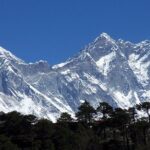
On clear days, the view hits often. Expect big-name mountains to appear throughout the trek, including Manaslu itself, plus Himalchuli, Chamar, and Ganesh Himal II.
You can also read our reviews of more hiking tours in Kathmandu
Teahouses at Every Stage: Why It Matters for Your Budget and Your Back
This trek is famous for being accessible without turning into a camping expedition. With teahouses at the stops, you do not need to carry a tent or bulk food supplies the way you would on a fully wild route.
For your wallet, that’s huge. Teahouse trekking can keep costs steadier because you’re paying for meals and lodging in small chunks along the way rather than funding extra gear or portering heavy supplies.
For your body, it helps too. A lighter pack usually means less strain on your knees and hips on steep climbs. That matters on days leading toward higher passes and base camp.
One practical note: teahouses still have limited comfort. You should pack for basic facilities and expect that shower and bed comfort vary a lot by altitude and remoteness.
Permits and Checkpoints: The Real Story Behind Restricted Access
Manaslu is managed through protected-area rules. Your trip includes the Manaslu and Annapurna conservation area permit plus a restricted area permit, which is part of what keeps this trek controlled and protected.
What this means for you: there are check points along the way, and you may need to show permit paperwork during the trek. Your itinerary specifically mentions crossing checkpoints such as Jagat Checkpoint and Namrung Checkpost, which signals that the route is actively managed.
This is not just bureaucracy. Those permits support conservation and help local agencies monitor access in the Manaslu region, especially near sensitive zones and higher country.
Overland Getting There: Kathmandu to the Trailhead Without Flights
Instead of relying on internal flights, you travel overland to start the trek. Day 1 begins after breakfast in Kathmandu, taking a local regular bus toward Gorkha, and then continuing on road segments that feed you into the trekking start area.
You’ll spend time moving along major road corridors and rivers, including the Trisuli River corridor early on. Then the plan shifts from vehicles to hiking, with your first trekking segment starting from Machhakhola.
Why this matters: you avoid flight scheduling stress and potential delays. You also tend to get a more gradual acclimation to the region, because you are not going from airport altitude directly into high trekking days.
Day-by-Day Trek Notes: Machhakhola to Shyala (Your Legs Learn the Rhythm)
This is a circuit, so you’ll build gradually, then hit your harder pushes later. The early days teach you the pace: short starts, steady climbs, and descents that keep you moving even when the views are not fully open yet.
Day 1, Kathmandu to Machhakhola
After breakfast, the day is mostly travel. The route described uses the Prithvi Highway along the Trisuli River, then connects into the Dhadingbesi area before reaching Machhakhola. This is a long day, so keep your energy for tomorrow’s first real hike.
Day 2, Machhakhola toward Jagat
You begin with trekking after breakfast, heading toward small villages and a route that includes Tatopani. From there, the trail pattern becomes more up-and-down as you work toward Jagat. Expect a mix of trail surfaces and gradual adjustment to carrying your day pack.
Day 3, Jagat to Deng
The day starts early with breakfast at a teahouse. After crossing the Jagat Checkpoint, the itinerary highlights a waterfall scene and then a steep climb over a ridge to Salleri, followed by a descent to Deng. This is a classic acclimation-day setup: you get climbing lessons without the full altitude pressure of the later stages.
Day 4, Deng to Namrung
You cross Budhi Gandaki early, then head into the Budhi Gandaki valley. The trek description notes a steep and impressive valley hike, with the route taking you past Bihi and toward Namrung.
Day 5, Namrung to Shyala
After breakfast, you cross the Namrung Checkpost. The day includes a walk through pine forest toward Bhanjam, followed by about an hour of steep climbing and a transition into higher, more rugged scenery as you reach Shyala.
A quick word on Shyala: this is where the trek starts leaning into the major view rhythm, and you’ll feel it on your next day.
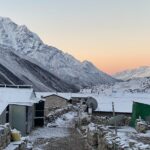
Sunrise Views at Pung Gyen Gompa and the Cultural Side of Sama Gaon
Days 6 and 7 are a shift from “getting there” to “this is why you came.”
Day 6, Shyala to Pung Gyen Gompa and then Sama Gaon
The itinerary spotlights sunrise from Shyala, with Manaslu turning golden. After breakfast, you move toward Pungyen Gompa (Pung Gyen Gompa), where the view moment is the main event. Then you walk down for a couple of hours to Sama Gaon, where you sleep in a teahouse.
This is one of those days where the schedule makes sense. You’re not rushing all day without pauses. You’re building in time for the mountain to do its thing.
Day 7, Sama Gaon to Manaslu Base Camp
You push toward Manaslu Base Camp after breakfast. The trek description notes about an hour of nearly flat walking, then a steep climb phase lasting around three hours. After reaching base camp, you return to Sama Gaon for lunch and time to see village life.
The cultural add-on matters. The plan includes visiting the village and seeing Tibetan local culture and lifestyle, which helps you connect the scenery to people, not just peaks.
Birendra Taal, Samdo, and the Build Toward Larkya La
After base camp, the trek continues into higher and more dramatic territory. You’ll keep moving, but the emphasis shifts toward altitude cues and bigger mountain walls.
Day 8, Sama Gaon to Samda and onward to Samdo
You walk to Birendra Taal via an old monastery and a Tibetan cultural library route. After that, you descend toward the main trail for Samdo. The itinerary notes stops like Kermo Kharka along the way, famous for panoramic views of Manaslu and Pangpoche.
Day 9, Samdo toward Layung La
This day is set up as a view-heavy ascent, with close views of Mount Samdo and Gyala Peak. The trek notes around 4 to 5 hours of ascending from Samdo, and your stop connects you into the higher valley terrain near Larkya Bazar.
If you are prone to getting impatient, this is a good day to slow down. The views are close and frequent, but the terrain still needs steady footing.
Larkya La Pass and Dharamsala to Bimthang: The Hard Day Payoff
If you’ve heard about this trek, you’ve heard about the pass. This is the part that turns “beautiful hike” into “major achievement.”
Day 10, Layung La to Dharamsala (Larkya Base Camp)
You hike roughly 4 to 5 hours toward Dharamsala or Larkya Base Camp. The route includes a start of descent, crossing Budhi Gandaki, and then trail progress on grassy terrain with juniper. This kind of day can feel deceptively gentle compared with steeper mountain sections, but it’s still distance plus altitude.
Day 11, Larkya La Pass to Bimthang
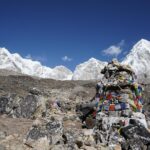
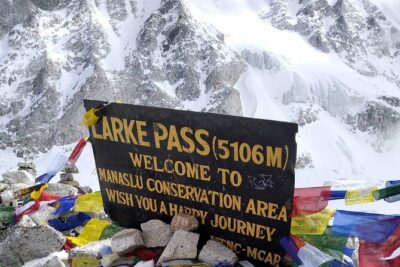
You start early and hike steep trails toward Larkya La Pass. The plan calls out windy conditions at times and rocky terrain, then focuses on morning views of Larke peak (6249 m).
After the pass moment, you descend steeply to Bimthang. The itinerary also highlights mountain views of Nimjung, Himlung, and Kanguru on the way down to Phedi and onward.
This is a long day, and the biggest risk is not only altitude but also knee strain from steep descent. Trekking poles help if you’re used to them, and slow foot placement matters.
Bhimthang to Tilche and Out Through the Marsyangdi Valley
After the pass, the trek’s intensity eases in a psychological way, even if the walking still takes effort.
Day 12, Bimthang to Tilche
You get early breakfast with views of Mt. Manaslu. The hike to Tilche is listed around 6 to 7 hours and includes descent portions. You’ll gradually move into a different valley feel as you approach the lower end of the route.
Day 13, Tilche toward Dharapani and then Besisahar
You hike through farmlands, then head toward a crossing on the east bank of a river and descend gradually toward the Marsyangdi Valley. After that, you move by sharing jeep from Dharapani to Besisahar, with a drive time listed around 3 to 4 hours. The plan notes you’ll see waterfalls and lush scenery on the road.
Day 14, Besisahar to Kathmandu
You take a sharing minibus back to Kathmandu (around 6 hours). The route follows river banks including Marsyangdi and Trishuli, and the itinerary highlights crisp views of hills and mountains on the drive.
This final day is your chance to reset. Wash up, hydrate, and keep expectations simple. You will feel the trek in your muscles, even if you mostly floated on the scenery.
Price and Inclusions: What You’re Paying For (and What to Budget Separately)
The listed price is $227 per person for about 14 days. On its face, that’s low compared with many guided treks, but the value depends on what’s included.
Here’s what you get in the package:
- 13 nights of teahouse accommodation
- A professional guide with a government license
- Guide and porter support (plus transport and clothing for them)
- Permits (Manaslu and Annapurna conservation area permit, restricted area permit)
- Trekking gear support listed as sleeping bag and down jacket
- Meals during trekking: dinner (13), lunch (14), breakfast (14)
- A first-aid kit and emergency rescue help covered by your travel insurance
What is not included:
- Meals and costs in Kathmandu
- All drinks during trekking, including hard and soft drinks
- Your own personal travel insurance
- International airfare and visa fees/tax
So where does the value come from? It’s the mix of permits, lodging, and on-trail logistics, plus gear support. Many treks cost more because they add those items later, or they make you carry extra systems yourself.
Still, I’d budget for the missing parts early. If you drink tea, coffee, or soda frequently, those small expenses stack up fast in the mountains. Also make sure your travel insurance fits evacuation and rescue coverage, since the plan notes emergency support tied to your policy.
Group Size, Guides, and How the Trek Feels Day to Day
The tour is described with a maximum group size of 25 travelers. That’s not tiny, but it’s also not a party train. In practice, it tends to mean you get some organization without feeling boxed into crowds.
Your guide is central here. The route is in a controlled region with checkpoints, and the itinerary relies on timing: early starts, pass day pushes, and connections like the jeep leg to Besisahar.
In the trip examples, the company’s guides and porters are praised as very professional and helpful with landscape and culture. One guide name that comes up is Ganesh, which suggests you might be paired with someone who can explain what you’re seeing beyond just pointing at peaks.
Who Should Book This Manaslu Circuit Trek
This is a good fit if you want:
- A guided, teahouse-based Manaslu Circuit without camping
- A trek that includes major goals like Manaslu Base Camp and Larkya La Pass
- Overland logistics from Kathmandu to the trail start
- A moderate challenge with the chance to experience Tibetan cultural life in Sama Gaon
It may not be ideal if you:
- Need a fully restful schedule with minimal climbs (the plan includes steep climbs and a long pass day)
- Are not comfortable with altitude effects and long hiking hours
Also think about your gear. The package mentions a sleeping bag and down jacket, but you should still plan your day pack, layers, and footwear carefully.
Should You Book This 14 Days Manaslu Circuit Trek?
If your dream is a classic Manaslu Circuit with the biggest milestones and you want the practical ease of teahouses, I think this is a sensible choice. The inclusion of trekking meals on the route, permits, and gear makes the trip easier to manage than a custom setup.
I’d book it if you’re excited by early starts, pass-day effort, and frequent mountain views, because those are core to how this itinerary works. If you’re unsure about your fitness, do some serious pre-trek walking and stair work first, then decide based on how you feel.
If you want, tell me your hiking experience and your planned travel month, and I’ll suggest how to pace the toughest days (especially Larkya La and the descent days) so the trek stays fun, not just doable.
FAQ
How long is the Manaslu Circuit trekking trip?
It runs for about 14 days, including trek days and travel days between Kathmandu and the trekking route.
How much does the tour cost per person?
The price listed is $227.00 per person.
Do you stay in teahouses or camp?
The plan includes 13 nights of accommodation in mountain teahouses, so you generally do not need tents or carried food supplies.
What permits are included?
The package includes the Manaslu and Annapurna conservation area permit and a restricted area permit.
What trekking meals are included and what is not?
During the trek, dinner (13), lunch (14), and breakfast (14) are included. Meals in Kathmandu are not included, and drinks during the trek are not included.
Is free cancellation available?
Yes, you can cancel for a full refund up to 24 hours in advance of the experience start time.
More Hiking & Trekking Tours in Kathmandu
More Tour Reviews in Kathmandu
Not for you? Here's more nearby things to do in Kathmandu we have reviewed


Manaslu Circuit Treks from Kathmandu, compared.
 ★ 5.0Manaslu Circuit Trek (15 Days)From $1,65750 reviews
 ★ 5.016 Day Private Manaslu Circuit Trek from KathmanduFrom $1,13542 reviews
 ★ 5.0Manaslu Circuit Trek 13 DaysFrom $1,40030 reviews
 ★ 5.010 Days Manaslu Circuit Trek in Larke La PassFrom $1,04930 reviews
 ★ 5.0Manaslu Circuit Trek 8th Highest in the WorldFrom $1,60014 reviews
 ★ 5.0Dancing in the Manaslu Circuit TrekFrom $1,39010 reviews
 ★ 5.0Manaslu Circuit Trek to the Beauty of 8th Highest MountainFrom $3657 reviews
 ★ 5.0Manaslu TrekkingFrom $1,9005 reviews
Browse the lists this tour appears in