

REVIEW · MANASLU CIRCUIT TREKS FROM KATHMANDU
Manaslu Circuit Trek to the Beauty of 8th Highest Mountain
Manaslu Circuit feels like Nepal’s quieter big sister. This 11-day trek pairs proper acclimatization with Tibetan culture and long mountain-view days, with the big test coming at Larkya La Pass (5,160 m) and nonstop Himalayan panoramas. You’ll work your way from Kathmandu by shared vehicle into the Manaslu region, then walk through forests, terraced farms, and village trails that slowly change as you gain altitude.
I also like the value built into the package: permits (including restricted-area entry), an English-speaking licensed guide, and full meals while you’re trekking. One consideration: the trek includes long driving days and a demanding pass day that can run 8 to 10 hours, so you’ll want moderate fitness and realistic expectations for lodge-life walking days.
Key things I’d plan around

- Larkya La Pass (5,160 m) is the high-stakes day, with an 8 to 10 hour crossing and glacier-level views.
- A true acclimatization day in Samagaun helps you breathe easier before the climb toward the pass.
- Restricted-area permits are handled for you, which matters on the Manaslu Circuit.
- Full trekking meals are included, so you’re not shopping every day in remote places.
- Guide and porter support is part of the setup, and the experience strongly emphasizes communication and care.
From Kathmandu To Machha Khola: Getting Your Legs Under You

Day 1 is a long ride from Kathmandu to Machha Khola, about 8 to 9 hours by shared vehicle. It’s not glamorous, but it’s a smart on-ramp. You’ll roll past countryside scenes, terraced fields, and smaller settlements, then arrive ready to shift from transport mode to walking mode.
Machha Khola is where the trek really starts to feel real. After check-in at a local lodge, you’ll likely keep the evening easy, hydrate, and prep what you’ll carry the next day. This is the part of the trip where good planning pays off, pack your day gear, keep your energy snacks simple to access, and don’t go exploring after dark.
If you’re the type who hates wasting time, consider this your warm-up. It’s also where you get the first taste of how remote the trail can feel once the vehicle drops you off.
You can also read our reviews of more hiking tours in Kathmandu
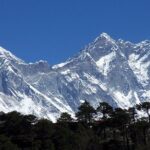
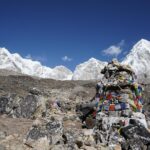
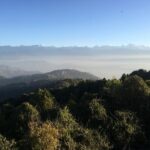
Trek Through Jagat And Deng: Forest Trails With Real Village Texture
Day 2 moves from Machha Khola to Jagat, roughly 6 to 7 hours. The route ascends and descends, and you’ll spend time in and around forests, terraced farmland, and small village areas. Jagat is described as a small village, which usually means less fuss, simpler guesthouses, and a calmer feel at the end of your walking day.
Day 3 continues from Jagat to Deng, also around 6 to 7 hours. Here the trail climbs through lush forest and you start noticing bigger mountain moments as the air thins and the scenery opens up. A useful way to think about these days: you’re building routine. Your body learns what it means to climb slowly, breathe steadily, and keep moving even when the view isn’t fully dramatic yet.
Potential drawback here is also the simple one: these are still big travel and walking days. If your legs are already tired from Kathmandu, treat Day 2 and Day 3 as “walk smart, save energy.”
Namrung And Samagaun: Tibetan-Style Towns With Manaslu Views

Day 4 from Deng to Namrung takes about 6 to 7 hours and is a highlight for culture. Namrung is tied to traditional Tibetan-style village life, and you’ll get breathtaking mountain views along the way. This is one of those stretches where the trek stops being only “transport on foot” and starts feeling like a guided walk through how people actually live.
Day 5, Namrung to Samagaun, is another 5 to 6 hour push, and the payoffs start to sharpen. You’re moving into a zone where panoramas come into focus, with views of Manaslu and Ganesh Himal specifically called out in the route description. Samagaun itself is a major acclimatization base, and the village feel tends to support slower pacing.
What I like about this mid-trek portion is the rhythm. You get enough time in villages to feel connected, but you’re not stuck in one place long enough to lose the sense of momentum.
The Acclimatization Day In Samagaun That Actually Makes Sense

Day 6 is a rest day in Samagaun built for acclimatization, and that matters more than it sounds. At altitude, “rest day” can mean nothing more than sitting around. Here, you’re given options: you can visit the nearby Manaslu Base Camp area or explore the village and monasteries.
Even if you’re not sure you’ll feel great, the structure is helpful. You’re not forced to do a big hike again. Instead, you can choose an easier outing, keep your breathing steady, and help your body adjust before the next phase.
One practical tip: use this day to organize. Sort your layers, check your trekking shoes, and make sure you know where your essentials are. When the pass day comes, you’ll appreciate having your system.
Samdo, Dharamshala, And The Larkya La Pass Crossing

Day 7 takes you from Samagaon to Samdo, about 5 to 6 hours. The trail gradually ascends through alpine meadows and the views are described as spectacular. Samdo is a small village, so again you get a quieter evening and more time to recover.
Day 8, Samdo to Dharamshala, is about 4 to 5 hours. This is the approach toward the base area for Larkya La Pass. The trek involves ascending to the Larkya La Pass base, with snow-capped peak views highlighted in the route description. Larkya Phedi is referenced as a base area, which usually means you’re now living closer to the “high country” feeling.
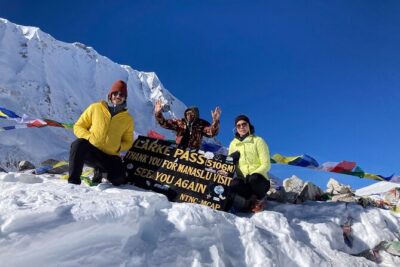
Then comes Day 9, crossing Larkya La Pass at 5,160 meters. The route estimates an 8 to 10 hour trek for the pass day, and it’s labeled challenging for good reason. Expect breathtaking views of surrounding peaks and glaciers, then a descent to Bimthang afterward. That descent is where your legs will either feel controlled or feel wrecked, depending on your pace and how steady you were at the top.
Here’s how I’d think about it: your goal on pass day is not to win speed. It’s to stay calm, step deliberately, and keep your breathing consistent. If your guide is walking with you early, follow their rhythm rather than your adrenaline.
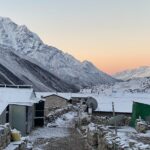
Down To Bimthang And Tilije: Your Legs Learn The Art Of Descent

Day 10, Bimthang to Tilije, is about 5 to 6 hours and focuses on descent through lush forests and traditional villages. The description calls Tilije a charming village with local culture, which is a nice feeling after a dramatic pass day.
This section is still physical, just in a different way. Descents can be harder on knees and ankles even when the trail doesn’t feel steep in your head. If you use trekking poles, this is where they can save you. Also, don’t change your stride too late in the day, keep your steps predictable.
Day 11 wraps up in stages. You trek from Tilije to Dharapani, then drive to Besisahar, and finally transfer back to Kathmandu. The route description mentions picturesque alpine forest scenery and a serene drive along the way. This last day is your mental decompression. You’ll likely feel the contrast between walking fatigue and the comfort of getting into a vehicle again.
What You Get For $365.75: Permits, Guide, Meals, And The Stuff That Adds Up

At $365.75 per person for an 11-day circuit-style trek, this itinerary looks like decent value when you match it against what’s included. The price covers all shared ground transportation (including trek start and end), plus the permits that are often the hidden headache on the Manaslu region.
Specifically, included items list Manaslu and Annapurna permits, restricted area permits, and a TIMS card. That handling is important because restricted-area paperwork is not something you want to scramble for on your travel timeline. It also includes an entry permit for restricted areas.
On top of that, you get an experienced English-speaking licensed guide with salary, accommodation, meals, and insurance. Meals during trekking are included as well, with breakfast, lunch, and dinner counted across the trek days, plus seasonal fruits and nuts.
Add in a standard trekking lodge setup on the Manaslu Base Camp route, and you can see how the cost is doing real work. The price isn’t just paying for the view. It’s paying for the logistics that make a remote trek smoother.
Two extras I appreciate in the included list: a duffle bag and a trip certificate. Small items, but they reflect that the company wants you set up like a trekker, not like a last-minute hiker.
Lodges, Meals, And Realistic Expectations On A Remote Trek

You’ll sleep in standard trekking lodges on the route. The data doesn’t spell out room style, but in this part of Nepal it usually means simple lodging, shared dining spaces, and basic comfort. The big win is predictability. You’re not left wondering where meals are coming from or how your days will be paced.
Food is handled for you: full meals during trekking plus seasonal fruits and nuts. Vegetarian and vegan meals are available upon request, which is a big deal if you want to avoid guesswork once you’re away from Kathmandu.
A practical approach for your side: treat the included meals as your base plan, and don’t rely on specialty drinks or snacks. Drinks aren’t included, so bring water solutions you trust and budget for what you might want along the way.
Also consider your energy strategy. On the pass day, you’ll move for hours. Having easy access to snacks matters, even if meals are included. Keep a small stash in your day bag and avoid overstuffing your pockets with bulky items.
Support On The Trail: Why Communication And Porters Matter
This trek is the kind where support affects enjoyment. The setup here includes a licensed guide and porter support (the included package lists a guide with accommodation and meals, and the trek setup mentions porter-style carry support in the experience details). In the feedback, the names Sobit, Lokendra, Suren Tamang, and Sirjan come up as strong points.
That matters because the best treks are not just about physics. They’re about pacing, information, and keeping you comfortable when the day turns long. A guide who takes time to understand what you want to experience can also help you manage tempo, interpret village life around the trail, and make sure you’re prepared for what the next day asks of you.
If you’re traveling solo, there’s also a chance to feel more like a small team. One provided story describes a solo traveler getting a setup where the group consisted of the guide, porter, and the solo traveler, which can feel VIP compared to big group trekking. Even if your departure differs, the takeaway is clear: you’re not just buying a route, you’re buying a human on the trail.
Who Should Choose This Manaslu Circuit Trek
This itinerary is best for people who want a classic Manaslu Circuit challenge, without doing the admin work themselves. The trek is set for moderate physical fitness, and the route includes a high pass day that requires stamina and calm focus.
It’s a great fit if you:
- Want Himalayan views paired with Tibetan-influenced villages
- Like having a rest day for acclimatization rather than pushing nonstop
- Prefer full meals and permit handling so you can focus on walking
It may not be ideal if you:
- Get uncomfortable with long days, especially the driving day into Machha Khola
- Struggle with high altitude effort, because the Larkya La Pass crossing is explicitly challenging and long
- Expect lots of creature comforts, since lodge life is standard trekking style
Quick Booking Read On This Manaslu Circuit Trek
If you want a guided Manaslu Circuit that handles permits, meals, and pacing, this is a solid pick. The two strongest reasons to book are the acclimatization structure (rest in Samagaun) and the way logistics are packaged so you’re not juggling paperwork and day-to-day decisions.
Before you say yes, do one simple reality check: can you handle an 8 to 10 hour pass day plus long walking segments, with lodge stops and no included drinks? If the answer is yes, you’ll likely enjoy a trek that feels grounded in real village life and serious high-country payoff.
FAQ
How long is the Manaslu Circuit trek with Bold Himalaya?
The trek is listed as 11 days approximately.
What is the price per person?
The price is $365.75 per person.
Are permits included in the tour price?
Yes. The package includes Manaslu and Annapurna restricted-area permits, TIMS card, and a restricted area special entry permit.
Does the tour include transportation to and from the trek?
Yes. It includes all ground shared transportation, including trek start and end, plus the drive segments back toward Kathmandu at the end.
Is there an acclimatization rest day during the trek?
Yes. There is a rest day in Samagaun to acclimatize and explore, including an option to visit Manaslu Base Camp.
Will vegetarian or vegan meals be available?
Yes. Vegetarian and vegan meals are available upon your request.
Is travel insurance included?
No. Travel insurance is not included in the package.
More Hiking & Trekking Tours in Kathmandu
More Tour Reviews in Kathmandu
Not for you? Here's more nearby things to do in Kathmandu we have reviewed


Manaslu Circuit Treks from Kathmandu, compared.
 ★ 5.0Manaslu Circuit Trek (15 Days)From $1,65750 reviews
 ★ 5.016 Day Private Manaslu Circuit Trek from KathmanduFrom $1,13542 reviews
 ★ 5.0Manaslu Circuit Trek 13 DaysFrom $1,40030 reviews
 ★ 5.010 Days Manaslu Circuit Trek in Larke La PassFrom $1,04930 reviews
 ★ 5.0Manaslu Circuit Trek 8th Highest in the WorldFrom $1,60014 reviews
 ★ 5.0Dancing in the Manaslu Circuit TrekFrom $1,39010 reviews
14 days Manaslu Circuit TrekkingFrom $2278 reviews
★ 5.0Dancing in the Manaslu Circuit TrekFrom $1,39010 reviews
14 days Manaslu Circuit TrekkingFrom $2278 reviews
 ★ 5.0Manaslu TrekkingFrom $1,9005 reviews
Browse the lists this tour appears in