

REVIEW · LANGTANG VALLEY TREKS FROM KATHMANDU
Langtang Valley Trek from Kathmandu
Langtang Valley feels like a calmer Himalaya. This 8-day trek from Kathmandu centers on Tamang culture, Kyanjin Gompa monastery life, and the recovery of communities after the 2015 earthquake, all with serious mountain views. You also get optional viewpoints like Kyanjin Ri or Tserko Ri if you want extra altitude effort for extra payback.
Two things I genuinely like here. First, you’re not just walking from point A to point B, you pass through real Tamang villages with Tibetan-influenced customs and warm, everyday hospitality. Second, the route builds in key spiritual stops like Kyanjin Gompa, plus an easier rhythm on the recovery-looking sections back down the valley.
One possible drawback to consider: this is still a trekking program, not a stroll. The daily walks run roughly 5 to 7 hours, and it’s listed for moderate fitness, so you’ll want to be honest about your stamina before you sign up.
Key things to know before you go

- Tamang-focused route: You’ll spend your time where Tamang culture is lived, not performed.
- Kyanjin Gompa is a highlight: Monastery visits plus the famous cheese factory stop make the day memorable.
- Mountain viewpoints are optional: You can push for big vistas via Kyanjin Ri or Tserko Ri, depending on conditions and energy.
- Team support matters for solo hikers: Feedback I saw emphasized feeling safe and cared for, even for a solo woman.
- Permits are handled for you: Trekking permit and TIMS card are included, which saves time and paperwork.
- Meals are a mix, so double-check: The package lists breakfast, lunch, and dinner, but it also mentions additional meals, so confirm what’s truly included.
Why Langtang feels calmer than the Everest and Annapurna crowds

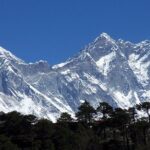
Langtang sits in the shadow of major peaks, but it does not feel like a traffic jam. The valley draws fewer people than Nepal’s headline treks, and the effect is noticeable: more quiet in the villages, more time for conversations, and less feeling like you’re sharing the trail with half the planet.
What I like most is that Langtang’s story is not just scenic. You’ll see signs of recovery and resilience after the 2015 earthquake, and that gives the trek an emotional layer without turning it into a sad show. Even the daily rhythm, with guest-house nights and steady walking hours, feels like a normal way to travel through the region.
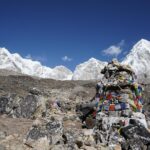
You also get Himalayan scale in a smart way. The views are built in as you climb and reach Kyanjin Gompa, and then you can go further for viewpoints like Kyanjin Ri or Tserko Ri.
You can also read our reviews of more hiking tours in Kathmandu
Price and logistics: what $1,110 really buys you
At $1,110 per person for about 8 days, you’re paying for more than walking. You’re paying for the parts that are hard to DIY at short notice: permits, an English speaking guide, guest-house arrangements during the trek, and transport between Kathmandu and the trailhead.
Here’s the practical breakdown of value. Permits and TIMS card are included, which can save time, hassle, and the risk of forgetting something important. Your guide plus a first aid box also adds peace of mind in remote areas, especially if conditions get tricky.
Two logistics notes you should keep in mind. First, transfers are via sharing bus, so expect a set departure plan and a little waiting. Second, the tour is described as a private activity, meaning your group should be just your party, but you still ride on a bus with others for the road segments.
One more thing to verify before you go: meals. The inclusions list breakfast (7), lunch (8), and dinner (8). The exclusions also mention Al meals for about $25 per day, which is unclear. That could mean drinks or extra meals not covered, so ask your operator to clarify exactly what meals are guaranteed.
From Kathmandu to Syabrubesi: the 6 to 7 hour ride that sets expectations

Day 1 is your long launch day. After pickup, you ride to Syapru Besi (Syabrubesi) for about 6 to 7 hours, with breaks along the way. You cross the Tirshuli area on the road, and the trip itself gives you early context for how rugged the region can be.
This is not just transportation time. It’s where you start adjusting to Nepal’s pace, road conditions, and altitude progression. If you’re the kind of person who gets nauseous in cars, bring the basics you trust, because the trek will not start if you’re wiped out.
When you reach Syabrubesi, the day’s job is simple: get set up for trekking the next morning, hydrate, and get your legs ready. Your operator includes pickup and drop off, so you’re not left guessing how to coordinate the first day.
Day 2 to Lama Hotel: forests, bridges, and the river keeping time

On Day 2, you walk for about 6 hours toward Lama Hotel. The highlights here are the dense forest sections plus suspension bridges and the gushing Langtang River. This is one of those days where the scenery is doing double duty as both beauty and distraction.
The trail passes through subtropical forest mixes like rhododendron, oak, and bamboo trees. If you’re someone who likes the feeling of moving under a canopy rather than staring at rocks all day, this day is for you.
A practical tip: suspension bridges are fun, but they can also feel bouncy when you step on them. Keep your pace steady, don’t rush, and watch where you place your footing when you cross.
Day 3 into Langtang Village: stone houses and a community story

Day 3 is where the trek starts feeling like a cultural journey as much as a hiking one. You head toward Langtang Valley / Langtang Village and walk for roughly 6 hours.
The highlights include expansive views of Langtang Lirung, traditional stone houses, and yak pastures. More importantly, you arrive in a settlement recovering from the 2015 earthquake, which changes the emotional texture of the day. Instead of thinking only about the next view, you notice people rebuilding, organizing life, and keeping hospitality going.
If you want an experience that feels human, not only photogenic, this is it. The best way to enjoy it is to slow down a bit near villages. Make eye contact, take a breath, and treat the place like a living home, not a stop on your checklist.
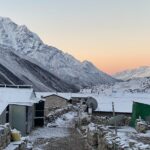
Day 4 to Kyanjin Gompa: monastery time plus the cheese factory stop

Day 4 is a shorter walking day at about 5 hours, and the payoff is Kyanjin Gompa. You get panoramic mountain views and meet a principal monastery that brings spirituality and history into the day.
The route includes a strong cultural component. Even if you’re not studying religion, you’ll feel the rhythm of monastery life, prayer, and the way people relate to the landscape around them. This is also where you get the famous Kyanjin Cheese Factory stop, which adds a practical, everyday flavor. It breaks up trekking-only tourism with something you can actually see and learn about.
One thing to plan for: this is often when energy levels matter most. After a road ride, a forest day, and the village day, you may feel fine in the morning and then notice fatigue after lunch. Start the day calmly, snack early, and keep moving steadily.
Day 5 Cherko Ri: early start, packed snacks, and the view that earns it

Day 5 focuses on climbing toward Cherco Ri after an early breakfast at your hotel with packed snacks. The walk is about 6 hours, and you’ll cross a small wooden bridge over the Langtang River before you begin the climb.
This is the day that tends to decide how you remember the trek. The reason is simple: viewpoints like this are hard-earned, and your effort shows up as clarity. You should expect a physical climb, but the structure is supportive because you start early and you have snacks planned.
If you’re choosing between the optional viewpoint routes (Kyanjin Ri or Tserko Ri), ask your guide what fits your group best based on weather and how your body is feeling. In the Himalayas, conditions can change fast, and a smart choice beats a stubborn one.
Day 6 back to Lama Hotel: easy downhill that still needs smart pacing

Day 6 is listed as a more relaxing downhill walk back to Lama Hotel, around 6 hours. This is great for recovery, because the valley gets narrower and the day feels less like a grinding climb.
Even “easy” days deserve respect. Downhill can punish your knees, and your calves may feel it if you walk too fast or take overly long steps. Shorter steps, frequent pauses, and good trekking poles (if you use them) help a lot.
This is also where you start to appreciate the valley’s geometry. The scenery can seem different when you’re descending rather than ascending, and the river sounds can guide you like a metronome as you move.
Day 7 back to Syabrubesi, optional Sherpagaun route: choose your scenery mood
Day 7 is another longer walk, about 7 hours, as you retrace steps back to Syabrubesi. It’s described as easier because it’s mostly descending.
There’s also an optional way through Sherpagaun if you want a more scenic alternative. If you’re feeling strong, that option can add variety to the return day. If you’re tired, you’ll probably prefer the simplest route and save energy for the final travel day back to Kathmandu.
Either way, treat the return descent as your last big practice in good hiking form. Keep your rhythm consistent, and don’t ignore tired signs like numb feet or a shaky stride. You want your final day of the trek to feel like you’re finishing strong, not dragging yourself.
Day 8 back to Kathmandu: the transfer day and what to do with it
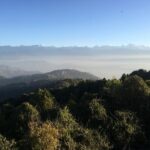
Day 8 starts with the journey back to Kathmandu, about 6 hours on the road. Along the way, you pass green hills, forests, riversides, and everyday countryside scenes, which makes the end feel more like a transition to normal life.
Once you arrive, you get transfer to the selected hotel. That matters because a trek like this ends with logistics, not with a satisfying view. A real rest, a shower, and a meal you truly enjoy is part of the experience, not an afterthought.
If you have time, use the evening to do a reset: laundry if your hotel offers it, early sleep, and light walking only.
Culture and safety on the trail: what I’d watch for
One theme that comes through in the feedback I saw: people care about safety and comfort, especially for solo hikers. A solo woman specifically mentioned feeling safe and relaxed with the team, and that kind of reassurance matters in a region where you are away from quick medical help.
You’ll also have structured support: an English speaking guide, and a first aid box with the guide. That doesn’t remove the need for you to be responsible about your health, but it does mean you’re not guessing in an emergency.
As a practical check, look at the basic fitness requirement. The trek is recommended for moderate physical fitness and it’s not for people who are physically ill. If you’re recovering from an injury or managing a health condition, talk to a medical professional and then confirm with your operator whether they can accommodate you safely.
What to expect from the daily rhythm (and how to make it easier)
This trek is built around guest houses during the route, with a clear meal plan and a guide-led pace. Breakfast happens early on at least one key day, and snacks are packed for the viewpoint climb.
To make the trek feel easier, focus on consistency. Eat something even if you are not super hungry at the start of the day, then keep water intake steady. On climbing days, small snack stops beat one big delay.
And pack for weather changes. The data does not list temperatures, so I can’t promise conditions. But the Himalayas can surprise you, and being able to layer is often the difference between enjoying the walk and suffering through it.
Who this trek suits best
This is a strong fit if you want a Himalaya trek that mixes Tamang heritage with monastery visits and valley walking, and you prefer a route that feels quieter than the mega-popular trails.
It also works well if you like having a guide handle the main logistics. Permits, TIMS card, guest-house accommodation during the trek, meals, and the first aid setup are all planned, which keeps you from spending your energy on organization.
If you want a mostly easy vacation style walk with zero effort, this probably won’t match your expectations. But if you can handle 5 to 7 hours of walking most days with moderate fitness, you’ll likely feel rewarded.
Should you book this Langtang Valley Trek?
Book it if you want a well organized Langtang experience that prioritizes local culture and iconic spiritual stops like Kyanjin Gompa, while still keeping the logistics handled for you. At this price, you’re buying support, permits, an experienced English speaking guide, and structured guest-house nights, not just a route on a map.
I’d hesitate if you’re unclear about what meals are actually included, since the package lists included meals but also mentions additional meals in the exclusions. Also be sure your fitness level matches the walking hours, because the days are not short.
If you’re ready for a calmer trek with real community recovery stories and big mountain views that you earn step by step, Langtang Valley is a smart choice.
FAQ
What’s included in the trek permits and documentation?
The package includes the trekking permit and TIMS card.
Do I get pickup and drop off from Kathmandu?
Yes, hotel pickup and drop off are included, and you also get round trip transfer by sharing bus.
What kind of accommodation do I stay in during the trek?
You stay in guest houses during the trekking days.
Are meals included?
The inclusions list breakfast (7), lunch (8), and dinner (8). The exclusions also mention Al meals, so it’s worth confirming what that means for your specific booking.
Is there an English speaking guide?
Yes. The tour includes an English speaking experienced trekking guide, plus a first aid box with the guide.
Can I cancel for a full refund?
Yes. It’s listed as free cancellation, and you can cancel up to 24 hours in advance for a full refund.
More Hiking & Trekking Tours in Kathmandu
More Tour Reviews in Kathmandu
Not for you? Here's more nearby things to do in Kathmandu we have reviewed


Langtang Valley Treks from Kathmandu, compared.
 ★ 5.0Langtang Valley TrekFrom $555140 reviews
Langtang Valley TrekFrom $70050 reviews
★ 5.0Langtang Valley TrekFrom $555140 reviews
Langtang Valley TrekFrom $70050 reviews
 ★ 5.0Private 8 – Day Langtang TrekkingFrom $58429 reviews
 ★ 5.06-Day Limitless Langtang TrekFrom $18121 reviews
★ 5.0Langtang Valley TrekFrom $56020 reviews
★ 5.06-Day Limitless Langtang TrekFrom $18121 reviews
★ 5.0Langtang Valley TrekFrom $56020 reviews
 ★ 5.0Kathmandu to Langtang Valley 7-Day TrekFrom $30011 reviews
 ★ 5.06 Days Langtang Valley Trek with Kyanjin RiFrom $1797 reviews
 ★ 5.05-Day Gosaikunda Lake TrekFrom $1796 reviews
Browse the lists this tour appears in