
The Langtang trek makes big mountain time practical. I like that this small-group trek (max 15) pairs you with a local guide and porters, and I also like the built-in comfort of teahouse nights with most meals. One thing to weigh: you will be hiking about 6 to 7 hours most days, so you should train a bit before you go.
I also appreciate the practical gear support. You can borrow a down jacket and sleeping bag during the trek (plus a duffel bag on request), which helps if you do not want to shop for trek gear in Kathmandu.
The route is described as relatively easy and not going too high, but it is still a mountain trek. If you expect a mostly flat stroll with zero discomfort, you will feel disappointed.
Quick hits before you choose Langtang
- Max 15 people means you are not lost in a crowd, and the guide can manage pacing better.
- 7 nights in teahouses with breakfast, lunch, and dinner during trekking keeps your day planning simple.
- Local transport included: Kathmandu to Syaprubesi and back by local bus.
- Guide and porter staffing is built in, with a 2 trekkers to 1 porter ratio.
- Borrowed sleeping gear can reduce what you carry, especially on the chilly nights.
- Tamang and Tibetan cultural stops come as part of everyday trail life, not as a side show.
From Kathmandu to Syaprubesi, the trek starts fast
Your trip begins in Kathmandu, then you ride a local bus to Syaprubesi and return the same way at the end. For many travelers, that matters more than you think. You get set up quickly for trail time, and you are not spending days on complicated transfers.
After you arrive, you are in the zone where Langtang Valley trekking feels real: small towns, trail food, and the rhythm of walking. The itinerary is built around that flow, with the trek itself lasting about 8 days total.
If you are short on time, this is one of the smartest reasons to consider Langtang. The trailhead is described as a short drive from Kathmandu, so you lose less time to logistics and more time to views and culture.
You can also read our reviews of more hiking tours in Kathmandu
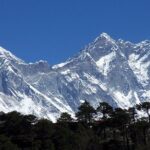
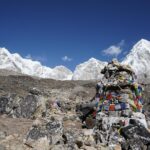
What 6 to 7 hours of daily hiking means for your body
Most days are built around roughly 6 to 7 hours of hiking. That is not a tiny number. It is also not the kind of punishing schedule that only very elite hikers enjoy.
The key is to match expectations to the effort. You will spend hours moving through changing terrain, and your pace will be influenced by altitude, weather, and how often you stop. The tour is aimed at people with moderate physical fitness, which sounds mild, but you should still be ready for sustained walking.
A good way to prep is simple: walk often, include some hills or stairs if possible, and get used to layering. Mountain weather can change quickly. The better your layering habits, the less you will suffer when the sun disappears or the wind picks up.
Teahouse nights: basic comfort and steady recovery
During the trek, you get 7 nights in basic teahouses, and meals during trekking are included. Teahouses are not fancy lodges, but they are practical. You can count on warm-ish common spaces in many places, and you have a roof and a bed or bedding for the night.
This is a trek where recovery matters. After long walking days, the routine of eating, resting, and turning in at the same general kind of place helps you keep your energy steady.
Also, having most meals included during trekking removes a common stress point. You do not have to constantly negotiate food, prices, or timing on the trail. Breakfast, lunch, and dinner are part of the plan, so you can keep moving without second-guessing.
In Kathmandu, though, your meals are not included. That is normal for many trekking tours, but it affects budgeting and meal planning.
Borrowed down jackets and sleeping bags, a smart weight-saving move
One of the most useful features here is the option to borrow trekking gear. You can request a down jacket and sleeping bag, and you are also provided a duffel bag. You will return these items after the trek.
This matters for three reasons.
First, you might travel light. If you are already flying with normal luggage limits, borrowing gear can save a chunk of weight and bulk. Second, it lowers the chance you show up without the right warmth for night in the mountains. Third, it saves you from buying gear you might only use once.
The flip side is that you need to plan your layering strategy around borrowed items. For example, you may still want your own base layers, socks, and other personal items. The tour does not include personal trek equipment.
Your team on the trail: guides and porters who keep things safe
This is where the reviews get very consistent. The biggest praise centers on feeling comfortable and safe walking with the guide and porters, and getting real support when people get tired.
You also get a staffed group setup. The tour includes a licensed English-speaking trekking guide and a porter, with a 2 trekkers to 1 porter ratio. In plain terms: your walking days feel more manageable because someone is helping with gear and because the guide can adjust to the group.
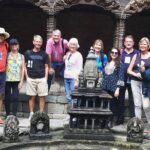
Names from past trips show up in the feedback. For example, Ram Krisna is described as cheerful, caring, and helpful, with extra attention to a younger sister in the group. Lochan Gurung is another guide name that comes up, praised for care and support throughout the trek. Porters named John and Nabin are also mentioned for looking after the group well.
I like this staffing model because it reduces the solo pressure. You still earn the trek, but you are not doing it like a lone wolf in an unfamiliar place.
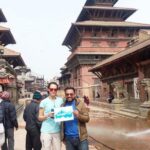
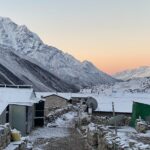
Langtang views without the extreme altitude stress
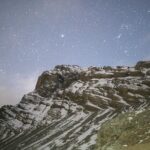
The route is described as relatively easy and not going too high in altitude compared with some other Nepal treks. That matters because altitude is where “challenging” can turn into “unpredictable.”
You will still be in the Himalayas, so take the altitude aspect seriously. But this trek is designed to be a good match if you want Himalayan scenery and cultural immersion without the same kind of high-altitude grind that demands intense acclimatization.
A practical mindset helps: pace yourself, drink water, and tell your guide if you are feeling off. You should follow your guide’s advice rather than trying to “tough it out” when your body asks for breaks.
Culture on the trail: Tamang life and Tibetan influence
One of the more rewarding parts of a trek in this region is that culture is not just an add-on. The tour expectation is to explore Tibetan culture and also learn about Tamang culture as you hike.
You experience this in the way the trail is built: through the villages, the everyday routines around teahouses, and the mix of people and customs you see along the route. Even without specific named cultural stops in the provided details, you can expect a cultural experience that is tied to daily life, not staged performances.
The trekking days are also described as showing high mountains and the lifestyles around them. That is a big reason I think Langtang is a smart choice for travelers who care about both scenery and how people actually live.
The animal life touch: yaks in high meadows
Another highlight to look forward to is seeing yaks grazing in Himalayan meadows. It is not just a cute photo moment. Yaks are part of the practical geography of the high mountains, and their presence gives you a sense of how communities and livelihoods adapt to the land.
On a trek like this, those small “ordinary surprises” can be the most memorable parts. You spend hours walking, and then suddenly you see a herd calmly doing what herds do in that environment.
Price and logistics: what you pay for in real terms
The price is $700 per person for an approx 8-day trek. Is it a good value? It looks like it is built to include the big cost buckets most trekkers care about.
What is included during the trek:
- 7 nights teahouse accommodation
- Most meals (breakfast, lunch, dinner) during trekking
- A licensed English-speaking guide
- Porters (with the 2 trekkers to 1 porter ratio) and their expenses
- National Park fees and TIMS fees
- Sleeping bag, down jacket, and duffel bag on request (returned after the trek)
- Kathmandu to Syaprubesi and back by local bus
What is not included:
- Meals in Kathmandu
- Accommodation in Kathmandu
- Emergency evacuation expenses
- Personal insurance
- Personal trek equipment
- Personal nature costs (drinks, laundry, phone, and similar)
- Tips for field staff
- Anything not stated
To me, the value is strongest for travelers who do not want to manage permits, hire a guide separately, or worry about porter logistics. If you are the kind of person who likes everything organized so you can focus on walking and eating, this is a good fit.
If you already own the right gear and you have your own guide strategy, you may feel some costs are less flexible. But most people planning Nepal treks find this package saves time and keeps the experience smoother.
What you should plan for before you go
Even with a solid package, you will still carry the responsibility for a few key things.
For health and risk:
- You should arrange personal medical and rescue insurance, since rescue and evacuation expenses are not included.
- You should take weather and altitude seriously even if the route is described as not too high.
For comfort:
- Bring clothing suited for hiking. The tour expects you to arrive with hiking-appropriate clothes.
- Use borrowed gear as your warmth backup, but do not assume your personal base layers and socks are covered.
For money:
- Kathmandu meals and accommodation are on you.
- Budget for personal purchases along the way and for tips. Tipping field staff is not included.
For timing:
- The tour requires a minimum of 2 people per booking and has a maximum of 15 travelers. So it is small-group, but it is still a group, meaning you should expect schedules and pacing set by the guide.
Who this Langtang Valley trek fits best
This trek seems especially well suited to:
- You if you want a shorter, less extreme Himalayan trek than the highest-altitude routes
- You if you like a small group and a guide you can actually ask questions to
- You if you want cultural context, Tamang and Tibetan influences, while walking
- You if you want a supported setup with porters and included meals, so your day feels less complicated
It might not fit perfectly if:
- You need a fully comfort-first trip. Teahouses are basic by design.
- You dislike long walking days.
- You expect the trek price to include insurance and emergency rescue. It does not.
Should you book this Langtang Valley Trek?
If you want Himalayan views with a realistic schedule, this tour is a strong choice. The combination of small-group attention, teahouse stays with most meals included, and a guide plus porters at a sensible ratio is built for travelers who want an easier mental load.
I would book if you are comfortable hiking 6 to 7 hours a day, you are good with basic lodging, and you will handle your own insurance and personal gear. I would pause if you are not ready for multi-day mountain walking, or if you want Kathmandu comfort and meals included.
In other words, Langtang is for people who want the mountains to be the main event, not the paperwork.
FAQ
How long is the Langtang Valley Trek?
It is listed as 8 days (approx.).
What is the group size limit?
The tour has a maximum of 15 travelers per booking.
Where does the trek start and end from?
You travel Kathmandu to Syaprubesi and back to Kathmandu by local bus.
Are teahouse meals included?
During the trek, breakfast, lunch, and dinner are included as per the itinerary. Meals in Kathmandu are not included.
Do I need my own sleeping bag and down jacket?
You can borrow a sleeping bag and a down jacket (and a duffel bag on request). They are provided upon request and must be returned after the trek.
What fees are included for permits?
The tour includes National Park fees and TIMS fees.
Is medical or emergency evacuation included?
No. Personal insurance and any emergency evacuation expenses are not included. Tips to field staff are also not included.
More Hiking & Trekking Tours in Kathmandu
More Tour Reviews in Kathmandu
Not for you? Here's more nearby things to do in Kathmandu we have reviewed


Langtang Valley Treks from Kathmandu, compared.
 ★ 5.0Langtang Valley TrekFrom $555140 reviews
 ★ 5.0Private 8 – Day Langtang TrekkingFrom $58429 reviews
 ★ 5.06-Day Limitless Langtang TrekFrom $18121 reviews
★ 5.0Langtang Valley TrekFrom $56020 reviews
★ 5.06-Day Limitless Langtang TrekFrom $18121 reviews
★ 5.0Langtang Valley TrekFrom $56020 reviews
 ★ 5.0Kathmandu to Langtang Valley 7-Day TrekFrom $30011 reviews
 ★ 5.06 Days Langtang Valley Trek with Kyanjin RiFrom $1797 reviews
 ★ 5.05-Day Gosaikunda Lake TrekFrom $1796 reviews
 ★ 5.0Langtang Trek from Kathmandu 7 DaysFrom $4105 reviews
Browse the lists this tour appears in