

REVIEW · 7-DAY EXPERIENCES
Kathmandu to Langtang Valley 7-Day Trek
Langtang feels close to Tibet, yet it starts in Kathmandu. This 7-day trek takes you into Langtang National Park, through pine and rhododendron forest, to the spiritual stop at Kyanjin Gompa and the big-view climb to Kyanjin Ri. I like that it is paced for travelers with moderate physical fitness, not just hardcore hikers, and it runs all year except monsoon seasons.
Two things I really like: first, the trip includes the key logistics you normally end up chasing, like national park permits and TIMS card, plus hotel pickup and drop. Second, the trail is steeped in real scenery, with wildflowers and rhododendrons in season and mountain views backdropped by the Langtang range. One drawback to plan for is that meals are not included, so you’ll need to budget for breakfasts and dinners along the way.
You’ll also want to take altitude seriously, especially around the day-trip to Kyanjin Ri at 4,773 m. Even when the hike feels manageable, the air gets thinner, and slowing down is not optional up there.
Key highlights to know before you go
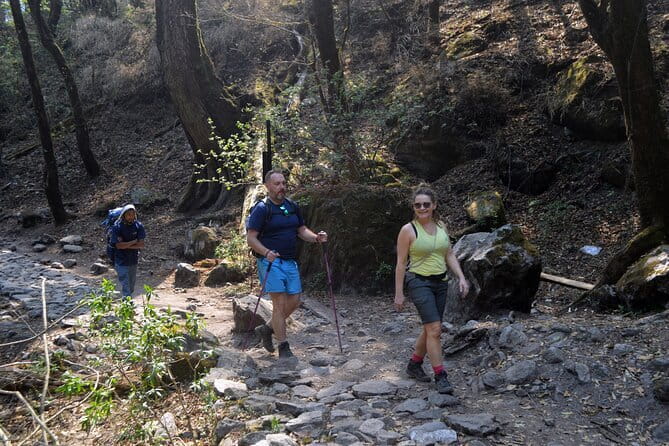
- Kyanjin Ri at 4,773 m for panoramic views over the Langtang peaks
- Langtang National Park permits and TIMS included, so you do not waste time on paperwork
- Mountain guesthouse nights built into the schedule for a steady rhythm
- A caring guide can make or break the trek, and named guides like Raj Tamang and Pratip come up often in feedback
- Wildflowers and rhododendrons show up in the foreground when the season lines up
- Wildlife-rich park with species like red panda, Himalayan black bear, and many birds living in the area (you might spot them)
Why Langtang Valley works as a first serious trek from Kathmandu
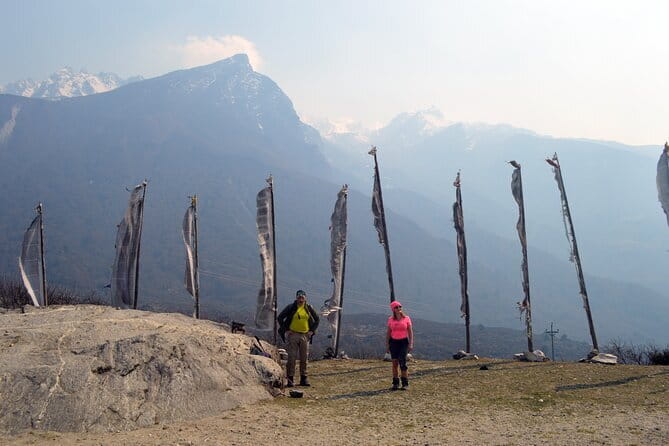
Langtang is the kind of place where the scenery keeps stacking up. You start with the Kathmandu-to-mountains reality, then gradually trade city chaos for forest paths and prayer-stone calm. The valley sits in Rasuwa district about 80 km north of Kathmandu, inside Langtang National Park, which borders China’s Tibet Autonomous Region. That “edge of two worlds” feeling is part of why people remember this trek.
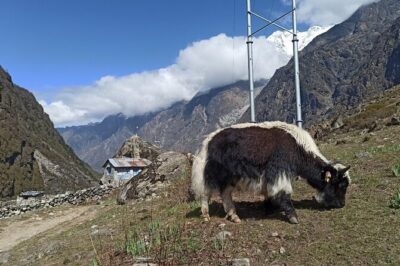
What makes it special for your trip is the mix of nature and culture. The route threads through dense forest with pine and rhododendrons, and the flora listed for the park includes deciduous oak and maple too. If you hike during rhododendron season, you can expect color and texture, not just bare trail and gray rock. Add in wildlife like yak and Assam macaque, plus the park’s strong bird life, and the days feel alive even when you are not hunting for sightings.
And you’re not walking an empty movie set. This park supports animals such as Himalayan black bear, Himalayan tahr, snow leopard, and red panda, alongside more than 250 bird species. You might see signs, tracks, or birds overhead, but you should not count on spotting the big cats or elusive species. Still, knowing the park is truly wild makes the quiet parts of the trek better.
Finally, the hike is built around a realistic, multi-day rhythm. You have full hiking days, but you are also moving between guesthouses at sensible points. That matters because your goal is to finish strong, not just survive the climb to a high point.
You can also read our reviews of more hiking tours in Kathmandu
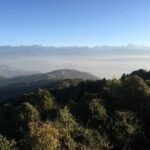
Getting your bearings: the 7-day route, day by day
This trek is a mix of driving and hiking, with the hiking days forming the heart of your week.
Day 1: Kathmandu to Syabrubesi (setup day)
You start with a hotel pickup in Kathmandu. Then you head to the Balaju area bus station and take a 6 to 7 hour ride toward Syabrubesi. This first day is about positioning you for the trekking part, not about burning your legs early.
Practical takeaway: treat Day 1 as your warm-up for Nepal timing. You are in transit for most of the day, so eat when you can, hydrate, and keep your daypack organized for an early start tomorrow.
Day 2: Syabrubesi to Lama Hotel (forest trails begin)
Today you hike from Syabrubesi into Langtang National Park, about a 5 to 6 hour trek to Lama Hotel. The route includes scenic moments like waterfalls and traditional village scenery, which is a nice break from the idea that all trekking is just uphill steps.
What to expect underfoot: this is forest walking. Dense trees mean you’ll get shade, which feels great when the sun hits. It also means you may deal with slick spots if conditions are damp.
Day 3: Lama Hotel to Langtang Village (deeper into the valley)
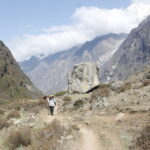
Day 3 is a 6 to 7 hour trek from Lama Hotel to Langtang Village inside the park. This is where the trail tone shifts into classic Langtang character: rhododendron and pine forests, with changing light as you go.
Why this day matters: it is long enough to feel like you are really moving forward, but not so long that you arrive wrecked. Langtang Village also gives you a cultural checkpoint, not just a scenic checkpoint.
A few more Kathmandu tours and experiences worth a look
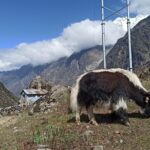
Day 4: Langtang Village to Kyanjin Gompa (views plus a spiritual stop)
You hike about 3 to 4 hours from Langtang Village to Kyanjin Gompa, one of the oldest monasteries in the region. The gompa itself is the reason many people love this day. It is not just a photo stop, it is a place that helps you slow down and notice how the landscape connects to belief.
What you’ll likely feel here: altitude creeping in, even if the climb is shorter today. The air can start to feel sharper, and you may notice you breathe a little deeper than you did on earlier days.
Day 5: Kyanjin Gompa to Kyanjin Ri and back to Lama Hotel (the big viewpoint day)
Day 5 is your day trip to Kyanjin Ri at 4,773 m. It is described as a 3 to 4 hour round trip, which can sound straightforward until you factor in the thin air. You also get panoramic mountain views that include Mt. Langtang Ri, Mt. Dorje Lakpa, and Mt. Langtang Lirung.
Then you hike back down to Lama Hotel for your night halt.
How to make this day easier: start the hike steady, not fast. At higher points, speed usually costs you energy and increases how hard it feels to breathe. A calm pace protects your climb back down too.
Day 6: Lama Hotel to Syabrubesi (finish the loop)
You trek 5 to 6 hours from Lama Hotel back to Syabrubesi. This is one of those days where your legs might feel both tired and weirdly light, because your body knows you are closing out the main hiking loop.
Keep your focus: do not let fatigue make you sloppy. Descents can be rough on knees, especially after a high-point day yesterday.
Day 7: Syabrubesi to Kathmandu (the long ride home)
You ride back to Kathmandu, about 7 to 8 hours by bus or sharing jeep. Then you get escort back to your hotel in Kathmandu.
Tip: plan for a slower final day. You will be tempted to pack every errand into Kathmandu the minute you arrive, but you’ll be more comfortable if you treat this as a rest and shower day.
Price and logistics: what you actually get for $300
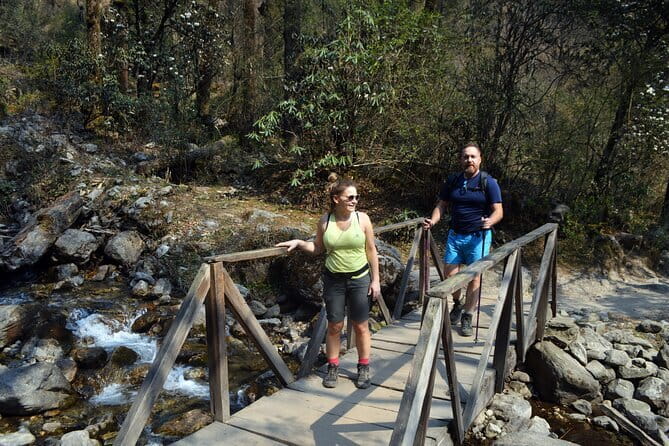
This trip is listed at $300 per person for about 7 days, and the value comes from what is included.
Included items that matter:
- Sharing jeep or bus for Kathmandu to Syabrubesi and back
- Hotel pickup and drop in Kathmandu
- Mountain guest houses for nights on the route
- National Park permit and TIMS card
- Transport and guidance structure that keeps the days from turning into guesswork
Meals are not included, so you’ll still spend on food at guesthouses. Also, gratuity for your guide is optional. That is normal in Nepal, but it does mean your real trip cost is higher than $300 once you add meals and a tip that matches your satisfaction.
Where this becomes good value for you: you are not paying extra for the paperwork piece or for the major logistics piece. Permits can be one of the biggest time traps when you try to self-plan, and hiking inside a national park means the rules are real.
Another quiet value point: the schedule is consistent, with guesthouse nights at set points. That makes it easier to pack, easier to manage your energy, and easier to stay warm when the sun drops.
Your guide and porters: why the human part gets praised
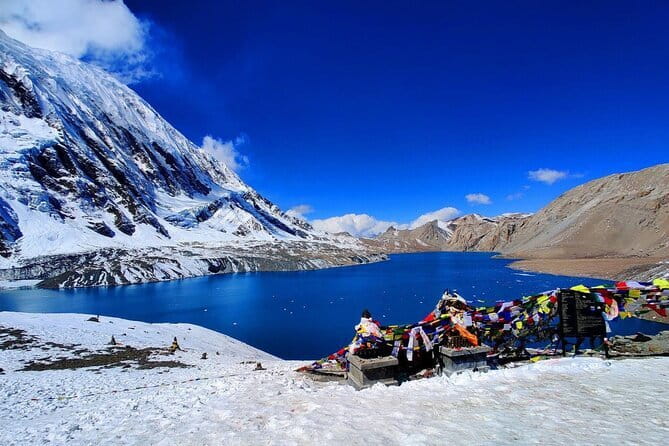
The trek is outdoors, but the experience is also a people story. The feedback for this operator repeatedly points to guides who are organized, friendly, and genuinely invested in keeping the group comfortable.
Named examples from guide feedback include Raj Tamang and Pratip, and other roles mentioned include porters like Dup, Maila, Hem, and support from Haj. The common thread is how they manage the small moments that become big moments on a mountain trail: pace decisions, explanations, and whether you feel safe asking questions.
Why that matters for you:
- A good guide helps you interpret the trail when it changes feel and slope.
- They can keep you from wasting energy by pushing too fast.
- They also set the tone. When the group feels looked after, you start enjoying the hike rather than just enduring it.
One more helpful signal from past feedback: communication seems to be taken seriously. One traveler described a situation where forgotten shoes were handled and returned to their hotel later. That kind of follow-through is not part of trekking views, but it is part of trust.
If you want the best experience, bring a simple mindset: listen to your guide on pacing and altitude. Trekking here is not about proving toughness. It’s about getting to Kyanjin Ri and feeling good enough to enjoy the view from 4,773 m.
Wildlife, rhododendrons, and what to expect from the park
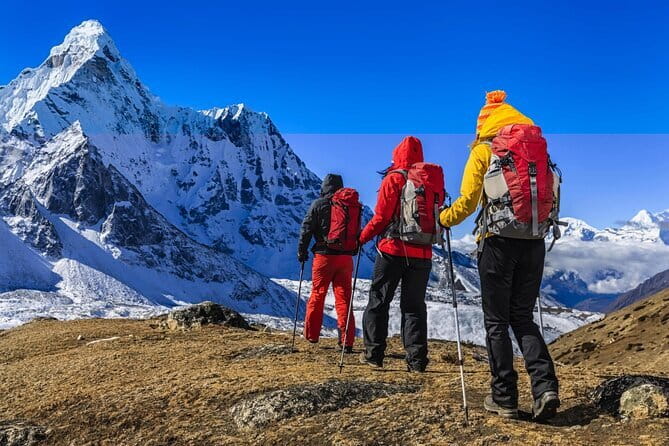
The Langtang National Park description is detailed for a reason. This is not a paved route with scenery on the side. It is a living forest system.
You’re moving through dense forests with evergreens like pine and other trees, plus deciduous oak and maple. Rhododendrons are specifically called out, and that matters because they change the experience seasonally. When they bloom, the trail feels softer and brighter, and it becomes easier to love the in-between stretches.
Wildlife is part of the park’s identity too. The park supports animals including Himalayan black bear, Himalayan tahr, yak, red panda, and even snow leopard. Again, that does not mean you will see them. But it does mean the setting is genuinely wild. Even the way birdsong carries in forest can change how you feel about the day.
Also, keep in mind the region’s bigger geography. The park borders China’s Tibet Autonomous Region. That border reality is far away from your daily steps, but it reinforces why the cultural and natural world here feels distinct from lower Nepal valleys.
Season and altitude: plan around monsoon and thin air
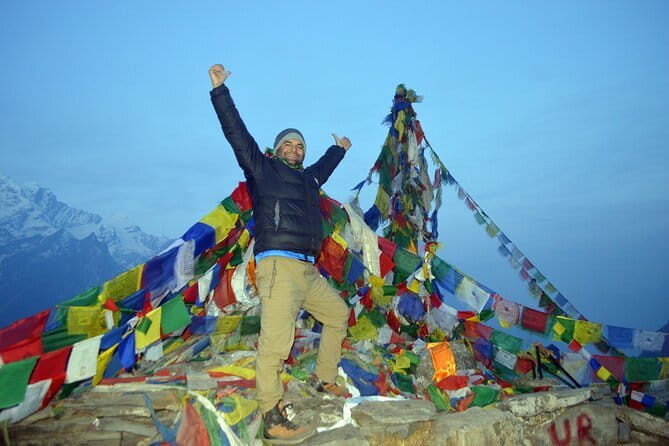
This trek is available all year long except monsoon seasons. That is the big planning rule. Monsoon weather usually means rain, muddy trails, and cloud cover, which can flatten your views when you are hoping for the big panorama days.
If clear views matter to you, pick a period outside monsoon and aim for stable weather. Even one clear window around the Kyanjin Ri day can make the whole trek feel worth it.
Altitude note, based on the trek high point: Kyanjin Ri is at 4,773 m. That is high enough that you should expect slower breathing and a more cautious pace. The itinerary gives you trekking days before the high viewpoint day, which helps acclimatization, but you still need to follow the classic rules: go slower than you think you should, keep warm, and do not ignore headache or nausea.
Practical comfort approach: pack warm layers even if Kathmandu feels mild. At higher elevations, temperatures drop fast after sunrise and after sunset.
What to pack for mountain guesthouses and long hiking days
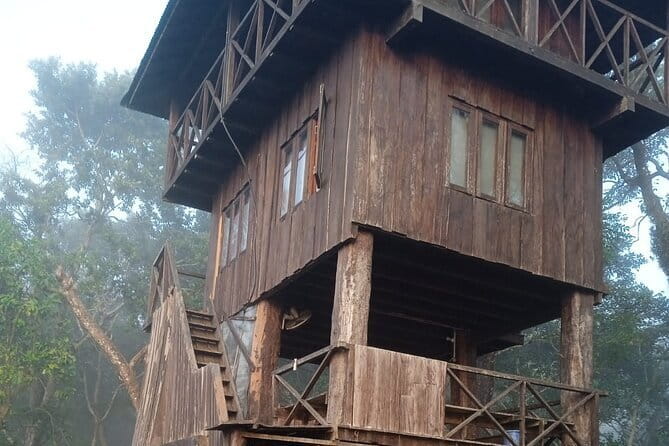
The tour info does not list a packing checklist, so I’ll keep this grounded in what the trek setup demands.
What you will need:
- Layers for cold mornings and cooler higher spots, especially around the climb to Kyanjin Ri
- A daypack for water and layers during hikes
- Trekking shoes with grip for forest trails and descents
- A lightweight rain layer, even outside monsoon, because mountain weather changes
- Any personal medication you rely on, plus basics for sun and wind
For guesthouse nights: you’ll be sleeping in mountain guesthouses. That typically means simple rooms, not luxury. Your comfort depends on what you bring and how you manage warmth. Bring what keeps you warm enough for the next day start.
Also plan for meals not being included. That affects how you budget and how you carry snacks. Having a small amount of trail food for yourself helps on days when hunger hits earlier than you expected.
Should you book this Langtang Valley trek?
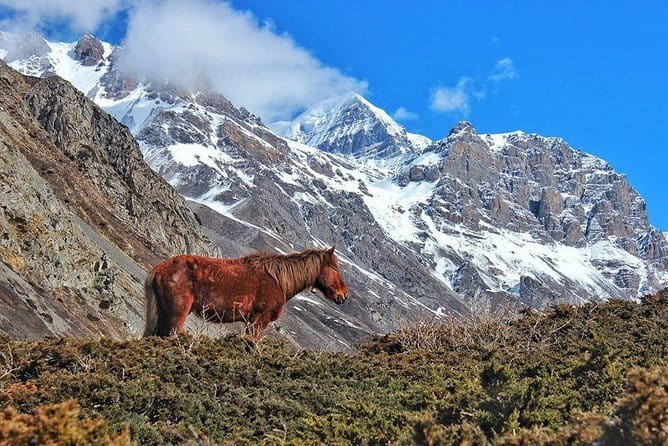
I think you should book this trek if you want:
- A well-defined 7-day route with a real destination (Kyanjin Gompa and Kyanjin Ri)
- Permits handled for you, including TIMS and the park permit
- Transport and hotel pickup and drop in Kathmandu
- A guide-led experience where past feedback highlights care, organization, and motivation from people like Raj Tamang and Pratip
You might want to look elsewhere if:
- You hate cold mornings and altitude days, because Kyanjin Ri at 4,773 m is not optional
- You want meals fully included, since food is not included here
One last practical thought: if you book, decide now that you will hike at the pace your guide recommends. That is the difference between a trek that feels adventurous and a trek that feels like a grind.
FAQ
What time does the experience start?
The start time is 6:45 am.
How long is the Kathmandu to Syabrubesi portion?
You’ll take a 6 to 7 hour bus ride from Kathmandu to Syabrubesi on Day 1, then a 7 to 8 hour bus or sharing jeep drive from Syabrubesi back to Kathmandu on Day 7.
Is pickup and drop-off included in Kathmandu?
Yes. Hotel pickup and drop are included.
Is this trek suitable for beginners?
It is designed to suit travelers with no prior trekking experience, and you should have a moderate physical fitness level.
What is the highest point on the trek?
Kyanjin Ri is listed at 4,773 m.
Where do you stay during the trek?
You stay in mountain guesthouses.
Are permits included?
Yes. The national park permit and TIMS card are included.
Are meals included?
No. Meals are not included.
Is this a private tour?
Yes. It is private, and only your group participates.
What is the cancellation policy?
Free cancellation is available up to 24 hours in advance for a full refund. If you cancel less than 24 hours before the start time, the amount paid is not refunded.
More 7-Day Experiences in Kathmandu
More Hiking & Trekking Tours in Kathmandu
More Tour Reviews in Kathmandu
Not for you? Here's more nearby things to do in Kathmandu we have reviewed


7-Day Experiences, compared.
 ★ 5.07 days Nepal Motorcycle tourFrom $2,35012 reviews
 ★ 4.57 Day Kathmandu Pokhara TourFrom $3805 reviews
 ★ 5.0Langtang Trek from Kathmandu 7 DaysFrom $4105 reviews
 ★ 4.27 Day Langtang Valley TrekFrom $4503 reviews
 ★ 5.07 Days Langtang Valley Trek from KathmanduFrom $4103 reviews
Browse the lists this tour appears in