
REVIEW · LANGTANG VALLEY TREKS FROM KATHMANDU
Langtang Valley Trek
Langtang Valley has that rare mix of big-mountain views and still-feeling-remote trails, all reachable from Kathmandu. This 8-day trek is interesting because you ride to Syabrubesi, walk into the Langtang National Park high country, and end at Kyanjin Gompa with optional side hikes to Kyanjin Ri or Tsergo Ri. I also like that the package includes the core trekking logistics, plus a porter setup (one between two participants), so you can focus on walking, not hauling. One consideration: you are in teahouses and on a mountain schedule, so comfort is basic and you should expect a more rugged rhythm than a hotel trip.
I like how the itinerary keeps the days grounded in what most people need: gentle to moderate walking early on, then a gradual climb to Langtang Village (3430 m) and Kyanjin Gompa, with a smart day trip choice. The group stays small (maximum 12), and the start time is early at 6:45 am, which helps you get daylight hiking and cleaner weather windows when they show up. If you go in with moderate fitness and realistic expectations about meals, rest, and altitude, this trek is a strong value for the money.
Key Highlights You’ll Care About
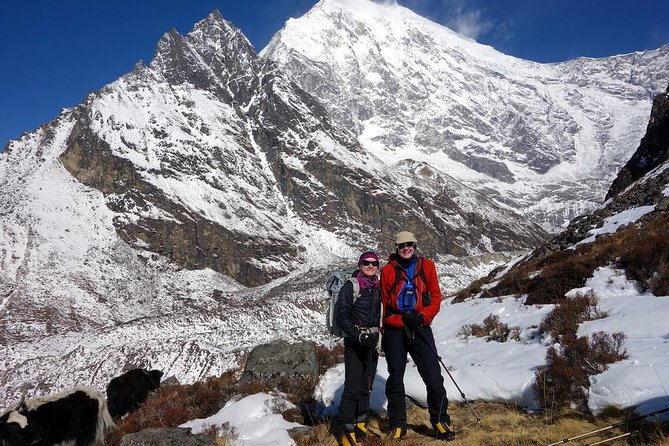
- Small group size (up to 12), which usually means less waiting on the trail
- Teahouse accommodation plus most meals included, so your daily budget stays predictable
- Kyanjin Gompa and the Langtang Lirung backdrop, with monastery vibes and big views
- Day 5 peak options (Kyanjin Ri for a shorter return, Tsergo Ri for a longer, higher push)
- Porter support (one between two participants) to keep packs more manageable
Why Langtang Valley Feels Right for a Trek From Kathmandu
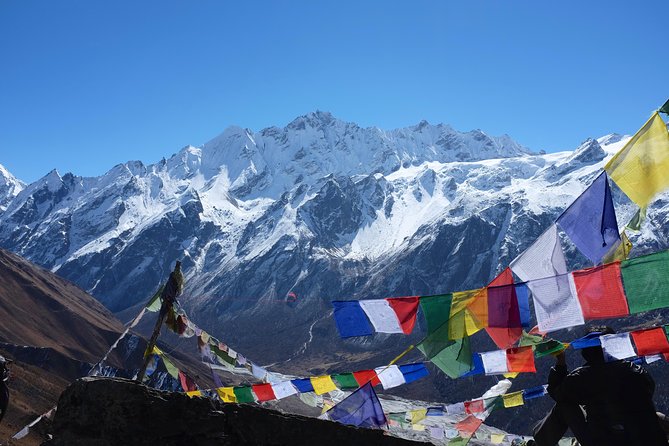
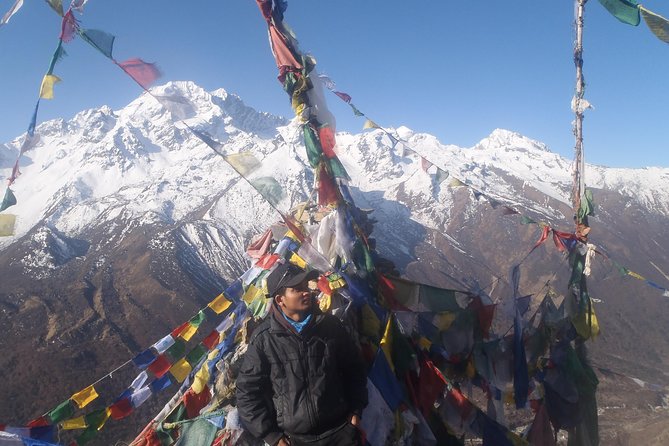
Langtang Valley is the kind of trekking region you pick when you want high mountains without the mega-crowd feeling. You’re north of Kathmandu, edging toward the Tibetan border, and the valley is surrounded by snowcapped peaks, including Langtang Lirung (7246 m). The trail threads through thick forests and farmland, then into classic mountain terrain with gorges and river valleys around the Bhote Koshi and Langtang Khola.
I also like the ecology angle here. You can be walking under rhododendron, oak, maple, and alder early on, then later shift into pine forest. The area is known for wildlife such as wild boar, Himalayan black bears, ghoral, grey langur monkeys, leopards, musk deer, and the endangered red panda. You should not plan your whole day around seeing animals, but it adds a real sense of place when birds, insects, and forest life keep the walk interesting.
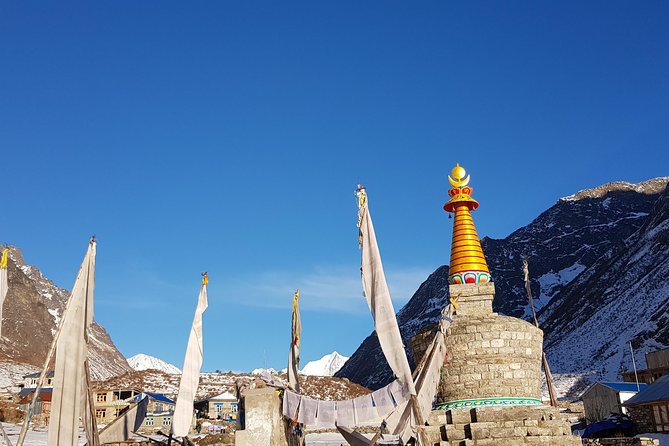
And then there’s Kyanjin Gompa. This monastery is famous in the Langtang area for a reason: you reach a high, quiet center where the mountains feel close, and the day’s effort suddenly turns into a view you can actually hold in your eyes.
You can also read our reviews of more hiking tours in Kathmandu
Price and Logistics: What $560 Really Buys on This Trek
At $560 per person, the big value is that you are not just paying for guiding. You’re paying for the pieces that usually cost extra when you book piecemeal. Your package includes:
- Bus to and from Syabrubesi
- All fees and taxes
- Teahouse accommodation
- Meals: breakfast (7), lunch (8), dinner (7)
- Porter support: one porter between two participants
- A mobile ticket
- Pickup offered (when available)
What’s not included is also clearly stated: beverages like tea, coffee, and bottled water, and tipping. That matters because in the mountains, drinks add up faster than people expect. If you want to manage costs, you’ll want to budget for water and warm drinks separately.
This is the way I judge trekking value: if a trip includes most meals and the core transport, your daily spending becomes simple. You focus on your body and your route, not on chasing receipts. For many people, that peace of mind is worth real money.
Day 1 Ride to Syabrubesi: The 7-Hour Countdown to the Trail
Your trek day begins early, with pickup offered and a local bus ride to Syabrubesi. The drive is about 7 hours, depending on traffic. This is one of those long Nepal road days where the journey itself sets expectations. You’ll see countryside views as you move away from the city feel and toward the valley’s trekking gateway.
Why it matters: arriving with daylight helps. Even if Day 1 is mainly transport, you get the feeling that you are truly leaving Kathmandu behind. Also, getting to Syabrubesi first keeps your first walk day more controlled, which is useful for altitude planning.
Packing tip for this part: keep essentials reachable. You’ll be transferring from vehicle comfort to trail routine soon after, and the smoother you make that transition, the better your Day 2 will feel.
Day 2 Trail to Lama Hotel (2500 m): A Gentle Start With Real Mountain Work
Day 2 is when the trek becomes a trek. You start walking and reach about 2500 m at Lama Hotel. The day is described as easy to moderate, with gentle inclines and well-defined paths. You’ll also see riverbank trails and forest tracks, plus suspension bridges.
This is a key day, even if it feels like the easy day. The terrain may be forgiving, but you are still moving uphill, which helps your body wake up to the rhythm of trekking. You’ll also get forest air and a steady sense of direction without the steep punch of later days.
What to expect on foot: defined paths and river crossings mean you should be alert but not constantly scrambling. Still, it’s a good day to test your footwear and pacing. If you start too fast, it usually shows up later.
And the setting is classic Langtang: thick greenery, river views, and the slow realization that the valley is taking you deeper.
Day 3 to Langtang Village (3430 m): Forest, Riverbanks, and Mount Langtang Lirung Moments
By Day 3, you’re walking to Langtang Village at 3430 m after roughly 6.5 hours. The route runs through forest and riverbank trails with gentle inclines, then opens into grassy meadows.
This is where the scenery starts turning from mostly green into green with mountain drama. You can expect views of Mount Langtang Lirung, plus pine forest scenes and a gradual shift toward higher-altitude village life.
Langtang Village is also emotionally important. It’s not just a waypoint, it’s where you start meeting the living rhythm of the region: trails connecting communities, farms near the path, and a sense that you’re walking in a place that locals know very well.
Practical note: this is a longish day. If you keep a steady pace and take short breaks instead of big rests, you’ll manage the altitude better and feel less wrecked when Day 4 arrives.
Day 4 to Kyanjin Gompa: Bridges, Farmland, and the Monastery Stop You Came For
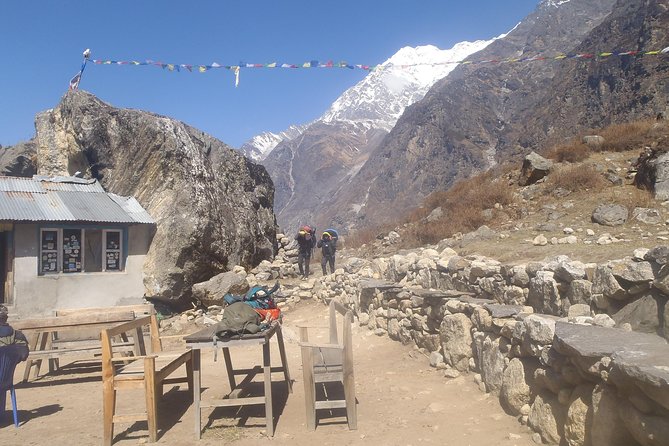
Day 4 brings you to Kyanjin Gompa, after about 5 hours of moderate walking. The trail moves through farmland, across bridges, and up through gentle ascents. Along the way, you get views of Langshisha and Langtang Lirun (the spelling varies in different materials, but the peak reference is clear), before you reach the gompa area.
This day is special for two reasons. First, the walking is not brutal, which means you can save energy for the arrival experience. Second, reaching Kyanjin Gompa is a payoff moment. It’s a famous monastery in the Langtang region, and the high setting changes how the whole valley feels when you finally arrive.
One more detail I really like: the trail is described as passing through farmland and bridges, which gives you variety. You’re not just climbing through trees. You’re moving through a lived-in landscape.
If the weather cooperates, this is often when photos finally feel worth it. If clouds roll in, the gompa area still feels calm and purposeful, even without perfect visibility.
Day 5 Peak Choice Day: Kyanjin Ri vs Tsergo Ri
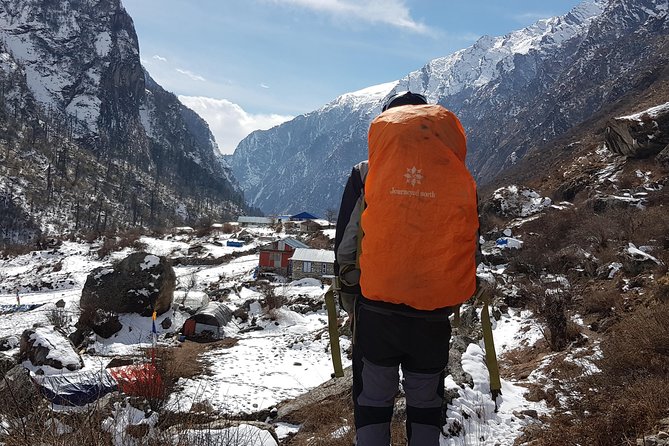
Day 5 is your option day. You can do a side trip to Kyanjin Ri or Tsergo Ri from the Kyanjin Gompa area.
- Kyanjin Ri: about a 3-hour return trip to 4773 m
- Tsergo Ri: about 7 to 8 hours round trip to 4984 m
Both are high. The practical question for you is not only fitness, it’s also how your body feels that morning. If you’ve been sleeping okay and your breathing feels manageable, Kyanjin Ri can be a strong balance of effort and reward. If you want a longer summit-style day and your stamina is solid, Tsergo Ri is the more ambitious option.
How I’d choose: go with the option that matches your energy level that day, not the option you wish you had planned on paper. Altitude does not care about your itinerary.
Also remember that this is a group trek. If someone in your group chooses differently, the guide can help organize the day trip plans so nobody feels rushed or left behind.
Day 6 Back Toward Lama Hotel: Pine Forests, River Views, and Giant Beehives
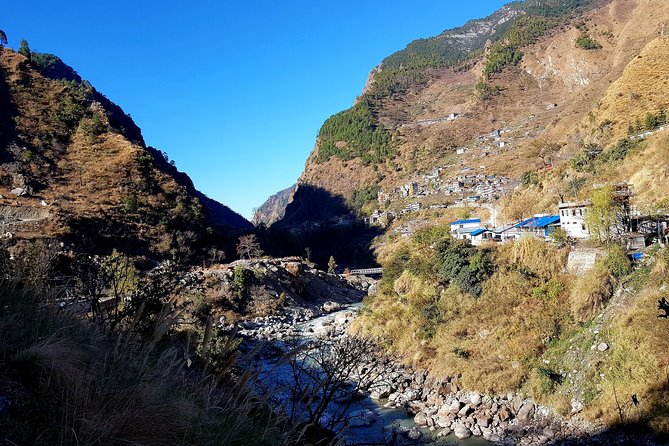
Day 6 traces back the same route toward Lama Hotel, with about 6 hours of walking. It’s again described as riverbank and forest trails, and you get to enjoy sweet-smelling pine forests.
This is a smart recovery day in the itinerary logic. Going back over established paths helps your navigation stay simple, and it gives your legs a chance to reset after the Kyanjin Gompa buildup. It also keeps the day’s effort reasonable compared with the peak day.
One detail that stood out in the trek description: look for giant beehives. That’s exactly the kind of thing you might miss if you’re only focused on elevation numbers and summit dreams. When the trail is quieter, these small local clues help you feel connected to the region.
Wildlife opportunities can also come up here. Even if you don’t see anything dramatic, the forest soundscape and animal tracks are part of the experience. Don’t rush this day. Let it be your reset.
Day 7 Descent to Syabrubesi: Well-Defined Paths and the End-of-Trek Feeling
On Day 7, you descend again toward Syabrubesi, where the trek ends and you prepare for the ride back to Kathmandu. The walk includes gentle descents and some steeper sections, but it’s described as using well-defined trekking paths.
This kind of day changes the game. Your heart rate may ease because you’re descending, but your knees get the work. So you’ll want a steady, careful step, especially on any rocky or sloped parts of the trail.
By the time you reach the end, you’ll likely feel that mix of relief and stubborn pride. You’ve been moving for days through changing terrain and altitude, and the descent is your final proof that you can handle a full trek rhythm.
Day 8 Kathmandu Recovery: Thamel Hot Shower and a Well-Earned Night Out
Day 8 is the return to Kathmandu by bus. Once you’re back in the capital, you can get a hot shower and enjoy walking around Thamel. It’s a very practical finish: you recover, then you eat, then you wander a little.
I love this end-of-trek structure because it stops the trip from feeling unfinished. Trekking days are long and repetitive in the best way. The Day 8 buffer lets you decompress before heading back into regular life.
If you’re thinking of adding a buffer day in Kathmandu, this is exactly why. Your body needs time to bounce back, and an extra night gives you room for a slower meal and a massage without rushing.
How the Guides and Team Culture Affect Your Experience
Mosaic Adventure is the operator here, and the human part matters a lot in trekking. The pattern in feedback for this trek style is consistent: the team is organized, responsive, and helpful before you ever start walking.
Several guide and staff names come up in the experience record, including Purna, Ram, Madan, Pralhad, and Madhav (manager). The praise is for practical support: pre-trip preparation, including a pre-trip meeting, a packing list, and help with equipment rental selection. That type of prep reduces stress because you’re less likely to show up underpacked or missing something important.
On the trail, the most valuable support is pace and safety. One example described is how a guide supported a trekker dealing with altitude sickness, holding and assisting them for hours on specific days. That’s the difference between a trek that feels like a checklist and a trek that feels like a team is watching out for you.
No trek is risk-free, but good guiding is what keeps the experience grounded and manageable.
What I’d Plan Differently Before You Go (So You Enjoy It More)
This trek is rated for people with moderate physical fitness, and that’s exactly the right mindset. You’re walking hours per day, often with elevation gains. If you’ve never hiked daily for several days in a row, you might want more training time before booking.
Here’s how I’d prep based on what the itinerary implies:
- Expect early starts and carry a trail snack strategy, since you may only stop when the day dictates
- Plan for basic teahouse comfort. You’re there for the walking and views, not luxury rooms
- Budget for drinks separately, because beverages are not included
- Choose peaks honestly on Day 5 based on how you feel that morning
Also, remember the group size limit, maximum 12 travelers. In a small group, your attitude matters. If you’re friendly and flexible about pacing, the whole trek feels smoother.
Should You Book This Langtang Valley Trek With Mosaic Adventure?
If you want a trekking trip that focuses on the essentials, this one is a good fit. You get transport to Syabrubesi, teahouse lodging, and most meals included, plus porter support. You also reach Kyanjin Gompa, with a real choice day for Kyanjin Ri or Tsergo Ri.
I’d say yes if:
- You like the idea of unspoiled, forest-and-village trekking with big mountain backdrops
- You want a package that reduces logistics stress
- You’re fine with teahouses and basic mountain comfort
I’d pause if:
- You need consistently high comfort or you dislike early starts
- You’re unsure about your altitude readiness, because this plan includes days at 3430 m, 4773 m, and around 4984 m (depending on your peak choice)
If you read the trip description and it sounds like your kind of walking holiday, this is a sensible, well-supported option.
FAQ
What time does the trekking experience start?
The start time is listed as 6:45 am.
How long is the Langtang Valley Trek?
The duration is listed as 8 days, approximately.
What’s included in the $560 price?
Included items are bus to and from Syabrubesi, all fees and taxes, teahouse accommodation, a porter (one between 2 participants), and meals (breakfast 7, lunch 8, dinner 7).
Is there porter support on the trek?
Yes. The package includes a porter, with one porter between two participants.
Are beverages included during the trek?
No. Beverages like tea, coffee, and bottled water are not included.
How far in advance can I cancel for a full refund?
You can cancel up to 6 days in advance for a full refund, as long as you cancel at least 6 full days before the experience start time.
More Hiking & Trekking Tours in Kathmandu
More Tour Reviews in Kathmandu
Not for you? Here's more nearby things to do in Kathmandu we have reviewed


Langtang Valley Treks from Kathmandu, compared.
 ★ 5.0Langtang Valley TrekFrom $555140 reviews
Langtang Valley TrekFrom $70050 reviews
★ 5.0Langtang Valley TrekFrom $555140 reviews
Langtang Valley TrekFrom $70050 reviews
 ★ 5.0Private 8 – Day Langtang TrekkingFrom $58429 reviews
 ★ 5.06-Day Limitless Langtang TrekFrom $18121 reviews
 ★ 5.0Kathmandu to Langtang Valley 7-Day TrekFrom $30011 reviews
 ★ 5.06 Days Langtang Valley Trek with Kyanjin RiFrom $1797 reviews
 ★ 5.05-Day Gosaikunda Lake TrekFrom $1796 reviews
 ★ 5.0Langtang Trek from Kathmandu 7 DaysFrom $4105 reviews
Browse the lists this tour appears in