
REVIEW · 6-DAY EXPERIENCES
Kathmandu: 6 Days Langtang Valley Trek with Kyanjin Ri
Langtang hits different when you plan for altitude. I love how this 6-day trek pairs Kyanjin Ri scenery with a guide who keeps you moving at a realistic pace, including guides like Ghanshyam who are known for being attentive and flexible.
The next reason I’d pick this route is what happens at the Kyanjin Gompa area, where you spend time with Tamang culture and even stop for local cheese tasting before the next climb.
One thing to keep in mind: the optional Kyanjin Ri push is challenging, and altitude affects everyone differently, so you should take the acclimatization talk seriously (and expect the itinerary to adjust if weather moves in).
Quick takeaways before you go
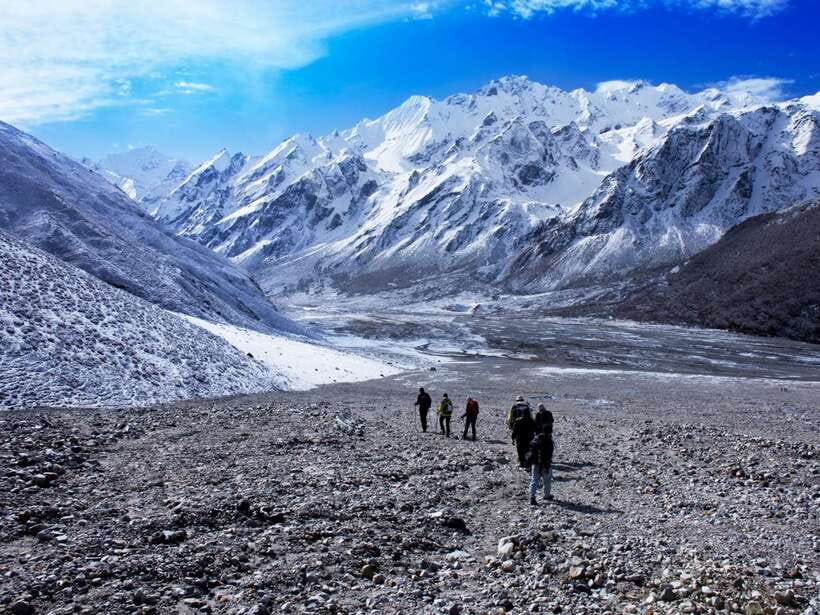
- Kyanjin Ri is optional, but it is the show: a morning hike up to 4,770m for panoramic mountain views
- Kyanjin Gompa is more than a photo stop: monasteries, Tamang village life, and a cheese factory visit
- Private group pacing matters: you can walk on a schedule that fits you, not just the average body in the room
- Comfort is built in: private, comfortable accommodation for 5 trek nights, plus meals in the Full Package option
- Altitude is the real variable: AMS risk is real, and weather can shift the exact plan
Langtang Valley and Kyanjin Ri, the short trek that still feels huge
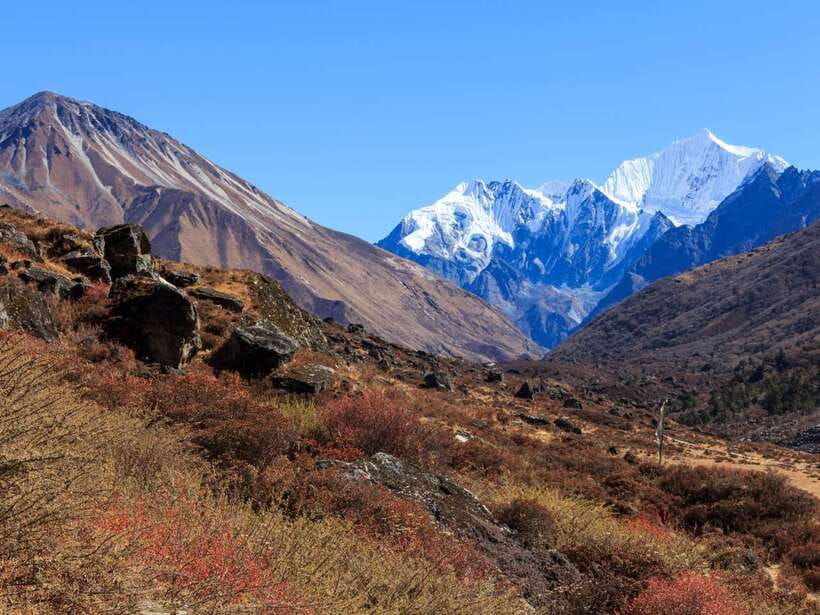
If you’re short on time but want that classic Nepal feeling, Langtang Valley is a smart target. You get Himalayan views, rhododendron forest walking, and Tamang culture, all inside a tight 6-day shape that starts right from Kathmandu.
This trek is especially appealing if you like the idea of a high payoff day. Day 4 includes an optional hike to Kyanjin Ri (4,770m), and that viewpoint is the kind of moment that makes people forget how tired they were earlier in the trip. You also get a deeper cultural stop at Kyanjin Gompa, where monasteries and local food traditions actually slow things down in a good way.
The practical upside for you is the structure. You’re not guessing where to start each day, permits and paperwork are handled, and you have private rooms during the trek. The main work on your side is simple: take the altitude seriously and pace yourself.
You can also read our reviews of more hiking tours in Kathmandu
Day 1: Kathmandu to Syabrubesi, then Pahiro by the Langtang River
Day 1 starts with a scenic drive from Kathmandu to Syabrubesi, the main gateway into the valley. Expect winding mountain roads with mountain villages along the way. Then your walking begins, following the Langtang River on calmer paths that help your body adjust after travel.
You’ll trek to Pahiro (1,550m) for the night. This is a day that feels like a warm-up, but it still matters. Getting your legs used to the rhythm on day one makes the higher days easier to manage later.
If you’re sensitive to motion or altitude, this is also where you can set the tone for the whole trek. Ask your guide to keep it steady and not rush. A guide who checks in on how you feel, like Ghanshyam is described as doing, can make that first day feel much more relaxed.
Day 2: Climbing to Ghoda Tabela through forests and waterfalls
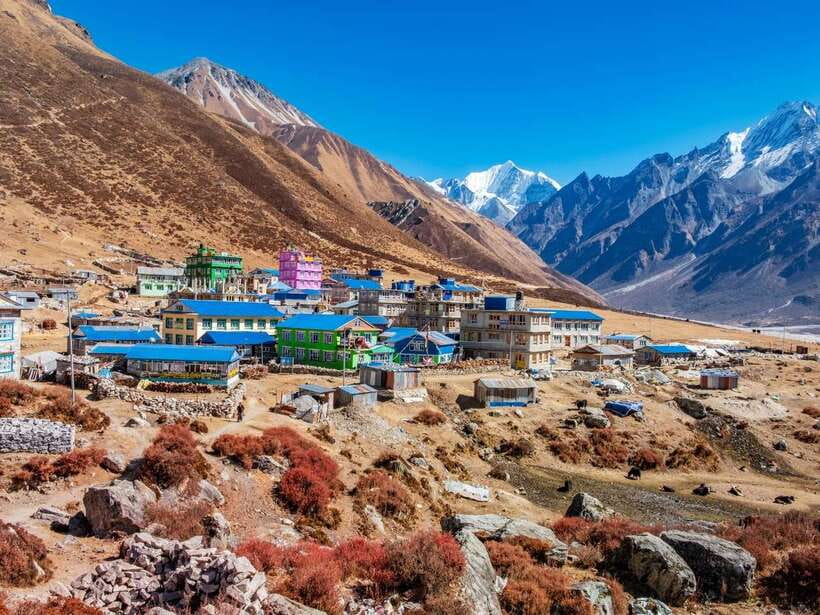
On Day 2 you move from Pahiro to Ghoda Tabela (2,900m). The trail works you upward through green forest sections, with little village passes and glimpses of waterfalls. It’s the kind of walking day where you stop more often, not because you’re exhausted, but because the scenery keeps pulling your attention away from your feet.
This day is one of the reasons Langtang Valley works as a shorter trek. You gain elevation at a steady pace, and you still get lots of variety: forest walking, village scenes, and peak views as you climb.
The one caution here is simple: don’t let the beauty fool you into forgetting altitude. Even if you feel fine early on, Langtang can still challenge you. Your best move is to keep a pace you can repeat tomorrow, not a pace that makes you prove something by evening.
Day 3: Kyanjin Gompa monasteries and the Tamang cheese stop
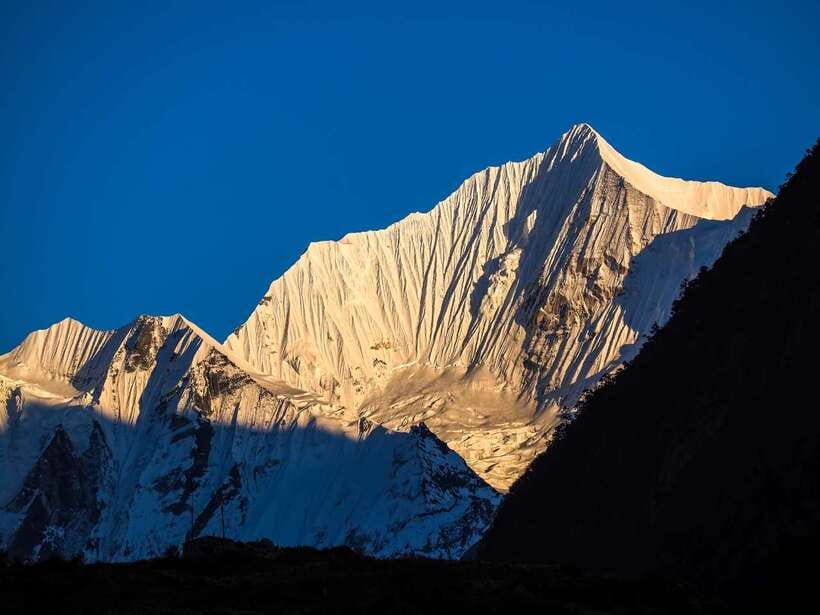
Day 3 takes you from Ghoda Tabela to Kyanjin Gompa (3,870m). Once you get higher into the valley, the feel changes. You’re no longer just walking through scenery, you’re stepping into a mountain community surrounded by towering peaks.
This is the day for Tamang culture and the most meaningful cultural anchor of the trip. At Kyanjin Gompa you explore its ancient monasteries and meet friendly locals. There’s also a cheese factory stop, plus time to try local cheese tasting.
Why I think this is one of the best parts for you: cheese tasting and monastery time are both low-pressure ways to understand local life. You’re not just looking at mountains, you’re learning how people live with them. And because it happens mid-trek, it breaks up the physical effort with something that feels real, not just scenic.
Overnight in Kyanjin Gompa (3,870m) also matters. You’ll be closer to the altitude stress point now, so this is when you should be extra mindful about how you feel and how fast you move.
Day 4: Kyanjin Ri optional sunrise hike, altitude and timing
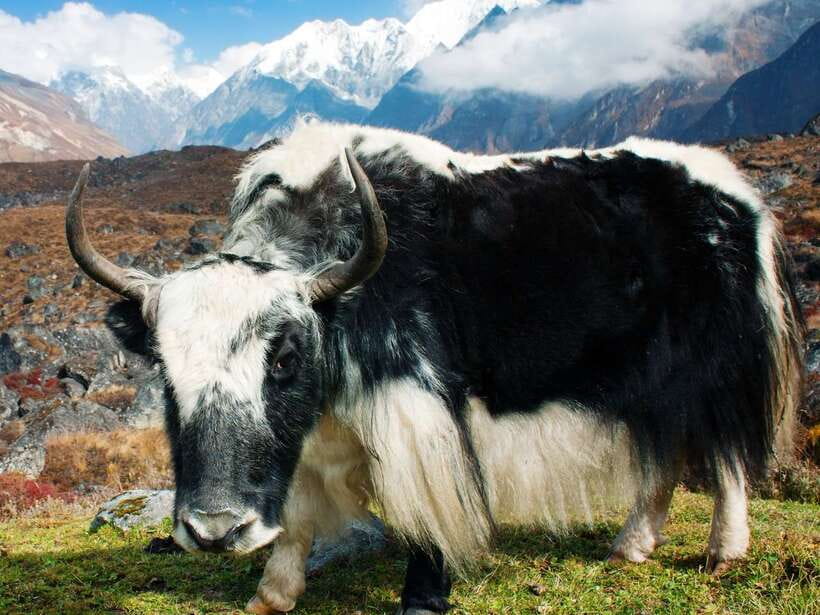
Day 4 is where the trek turns into a choose-your-own-adventure day. You start at Kyanjin Gompa, then the route goes to Thangsyap (3,200m), with an optional hike up to Kyanjin Ri (4,770m).
The climb to Kyanjin Ri is described as challenging, but the payoff is the panoramic view across snow-covered peaks and glacial valleys. Also, the sunrise angle is a big deal if you time it right, because clear morning views can be stunning.
Here’s the practical side you should plan for:
- You might feel okay at Kyanjin Gompa and still feel the altitude later, especially during a faster push.
- Altitude affects everyone differently, and the risk of AMS includes headaches, nausea, fatigue, or loss of appetite if ascent is too rapid.
- Weather can change the plan, so build in flexibility.
If you’re worried, ask for pacing that prioritizes comfort over speed. Guides like Sudarshan are specifically praised for adjusting the trek to your pace and keeping you comfortable. That’s not fluff, it’s survival strategy. For a viewpoint that high, steady walking often wins over heroics.
After the Kyanjin Ri option, you retrace your steps down and continue on to Thangsyap for the night. Thangsyap is lower than Kyanjin Gompa, which gives your body a little breathing space before the descent day.
A few more Kathmandu tours and experiences worth a look
Day 5: Down to Syabrubesi, with one last look at the peaks
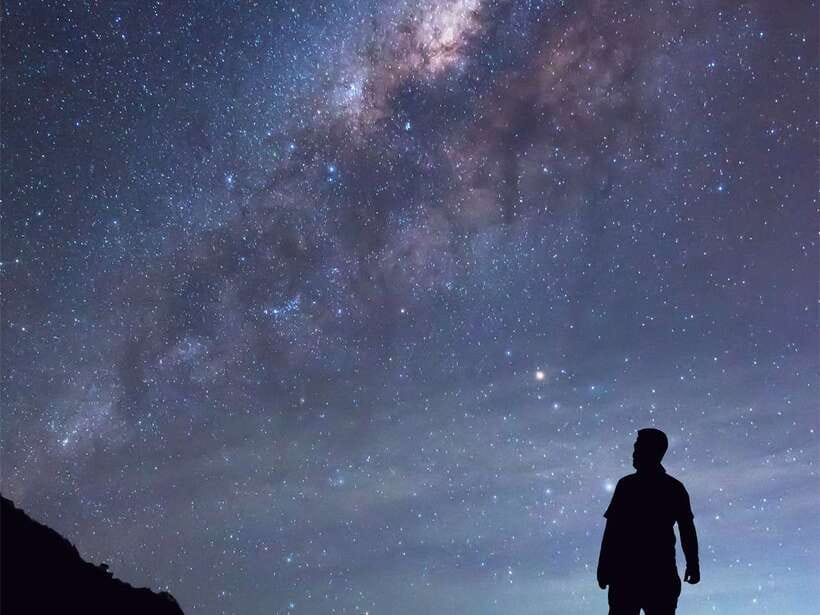
On Day 5 you hike from Thangsyap back to Syabrubesi (down to 1,550m). This is the “let the valley open up” day. The trail retraces earlier sections through forest areas and along the Langtang River again.
I like this day because it’s less about pushing and more about noticing. You’re returning through landscapes you already understand, so it feels like watching your own route turn into a story.
The main advantage for you is recovery. You’ve already taken the hardest elevation moments, and now you can focus on controlled walking, hydration, and enjoying the final mountain light.
Day 6: Return drive to Kathmandu and the feeling of being finished the right way
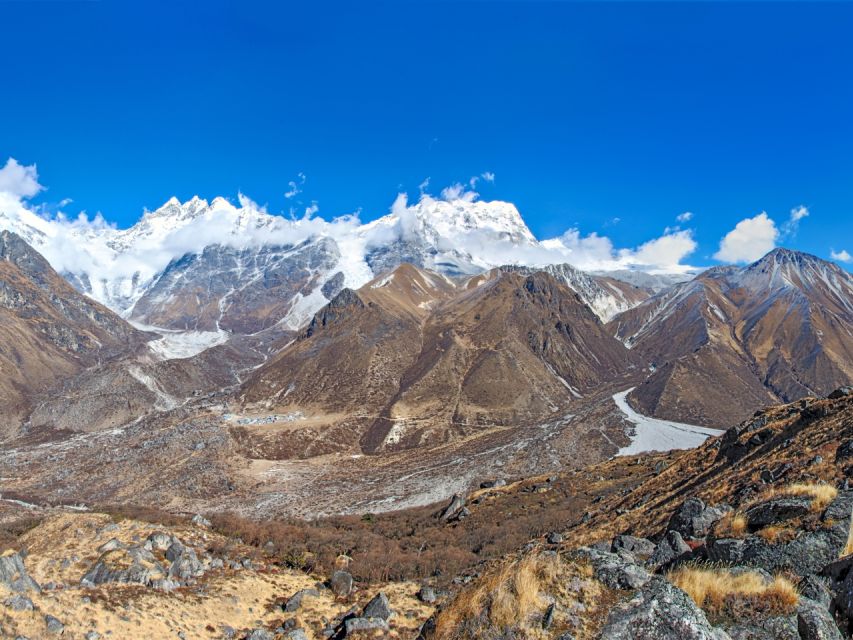
Day 6 brings you back to Kathmandu by drive from Syabrubesi. This kind of ending is underrated. You get the physical closure of the trek, then you get a real exit without extra complicated logistics.
It also gives you time to process what you saw. Langtang Valley packs a lot into six days: river trails, forest climbs, monastery time, and a high viewpoint option. Once you’re back in Kathmandu, you’ll likely notice how different your legs feel, and how much quieter your mind is compared to day-to-day city life.
What the guide and comfort setup gets right
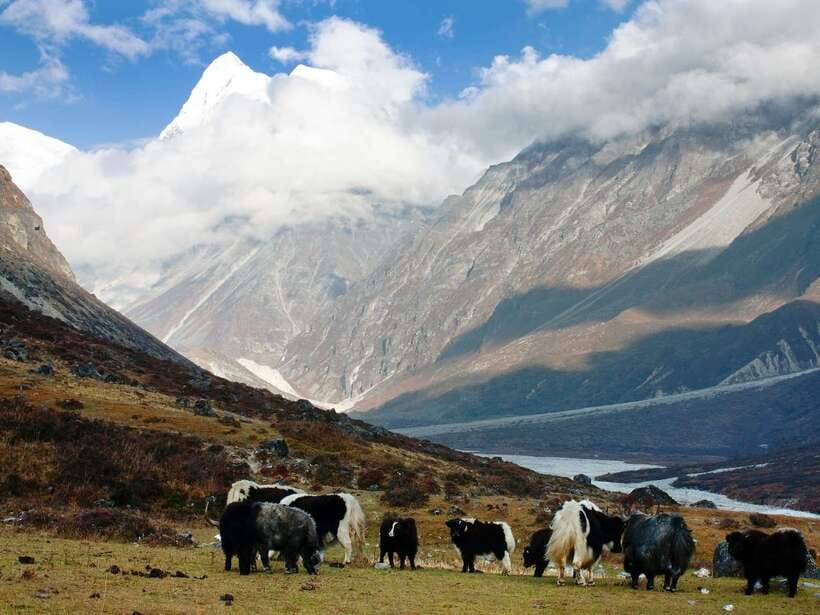
This trip runs with an authorized English-speaking guide, and the available languages are English and Hindi. That matters because you’ll want clear communication when altitude and pacing come up.
You also have the option of using a porter, but the porter charge is extra. If you’re carrying a lighter load yourself, that can help you move better on steep sections. The trek also includes a luggage storage facility, which is helpful if you want to avoid dragging everything from Kathmandu.
On comfort, the package includes private, comfortable accommodation for 5 nights during the trek. That’s a big deal in the Himalaya, because the difference between shared chaos and your own room is not small after a long day on your feet.
Food is included as well, but note the fine print. Meals are included (breakfast, lunch, dinner) during the trek for the Full Package option. If you pick another option, confirm what meals are covered before you go. In mountain treks, your energy depends on it.
Finally, private group logistics can be a blessing. You get shared transportation as needed, but the trek itself can stay tailored to you, which helps if you’re hiking for the first time or you just want the route to feel human.
Price and what you should budget for beyond the trek
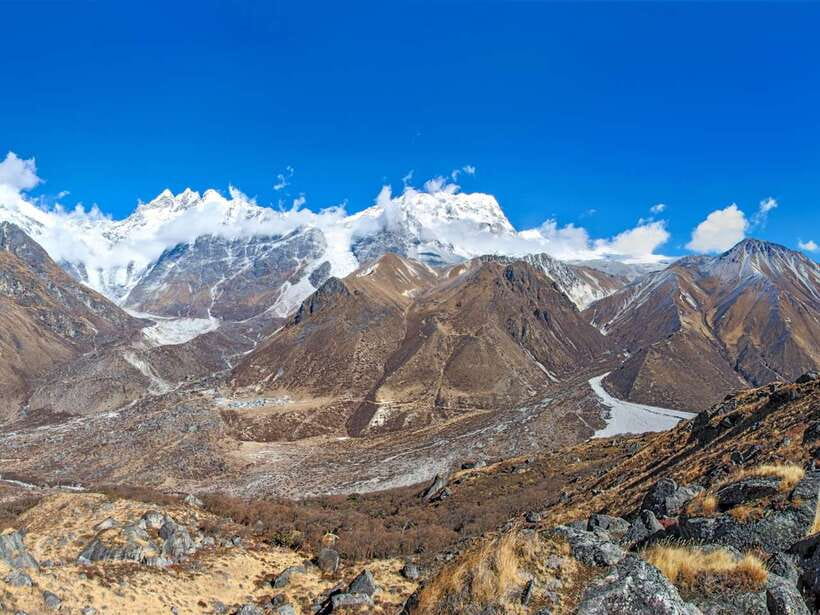
The price is listed at $179 per person, and that number is the hook. Here’s where the value comes from.
Included items that reduce your planning burden:
- Hotel pickup and drop-off in Kathmandu
- Trekking permits and paperwork, including TIMS fees
- Private comfortable accommodation for 5 trek nights
- Guide service during the trek
- Transportation as per the itinerary, described as shared by group size
- All staff expenses (meals, accommodation, salary, equipment, insurance, transportation)
In the Full Package option, you also get all trek meals. That turns the cost into something closer to a true trekking bundle rather than a bare-bones hike.
What to budget separately:
- Travel and rescue insurance (listed as not included)
- Nepal visa fee and international flights (not included)
- Personal expenses like phone calls, laundry, bar bills, shower items, battery recharge, and drinks
- Bottle or boiled water is also on the personal expense list
- Extra night accommodation in Pokhara or Kathmandu if you return early or late for reasons other than the planned schedule
If you’re trying to compare value honestly, the key question is whether you’re buying convenience. This package includes the permits, the guide, and the trek-night lodging, plus transport into the start of the valley. For most people, that’s the real cost saver.
When to go for the best odds of clear views
Timing matters in Langtang. The peak trekking seasons are mid-March to April and October to mid-November. Autumn tends to bring less wind and warmer temperatures. Late March and April can be special for rhododendron blooms at lower elevations.
But weather still varies. The operator also notes the itinerary may slightly change due to weather or seasonal factors. Plan for that mentally. A viewpoint day like Kyanjin Ri is the one you’ll feel most. If skies are hazy, you might not get the full show.
Also remember altitude affects everyone differently. Even with good timing, you should take acclimatization seriously and listen to your guide about pace.
Who this trek fits best
This is a great fit if:
- you want a 6-day trek that still includes both scenery and culture
- you’re interested in Tamang village life and Kyanjin Gompa monasteries
- you like the idea of an optional big day (Kyanjin Ri) that you can attempt based on how you feel
- you want private accommodation during the trek, not just a basic squeeze
It may be a rougher fit if:
- you strongly dislike altitude exposure and steep climbs
- you expect an easy stroll every day, because the Kyanjin Ri option is challenging and the route climbs to nearly 4,000m by Day 3
- you don’t want to adjust your schedule if weather changes the plan
Should you book this 6-day Langtang trek with Kyanjin Ri?
If your goal is classic Langtang Valley highlights in a manageable time window, I think this is a solid choice. You get a meaningful cultural day at Kyanjin Gompa, plus a high-reward option at Kyanjin Ri, and the package covers the heavy logistics like permits, guide, and trek-night rooms.
Before you book, do two quick checks:
- Confirm whether your package includes all meals (Full Package option) so you’re not hungry during the highest days.
- Plan for altitude. Tell your guide early if you’re feeling off, and don’t treat the sunrise hike like a must-do at any cost.
FAQ
How high does the trek go?
You reach about 2,900m at Ghoda Tabela, about 3,870m at Kyanjin Gompa, and the optional Kyanjin Ri hike goes up to about 4,770m. Day 4 ends overnight at Thangsyap at about 3,200m.
Is the Kyanjin Ri hike included?
Kyanjin Ri is listed as an optional hike on Day 4. The trip also includes time to go from Kyanjin Gompa down to Thangsyap.
What is included in the price?
The package includes hotel pickup and drop-off, an authorized English-speaking guide, trekking permits and paperwork including TIMS-related fees, private comfortable accommodation for 5 trek nights, luggage storage, and transportation as per the itinerary (shared transportation or bus).
Are meals included?
Meals (breakfast, lunch, dinner) are included during the trek for the Full Package option.
Do I need a porter?
A porter is not included by default, and porter charge is listed as extra. Luggage storage is available, which can help you travel lighter.
What should I pack?
You should bring a sleeping bag, flashlight, sunscreen, hiking shoes, gloves, water, a jacket, trekking gear, sunglass, and a passport or ID card.
Can I cancel?
Free cancellation is available up to 24 hours in advance for a full refund.
More 6-Day Experiences in Kathmandu
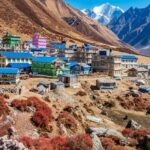
More Hiking & Trekking Tours in Kathmandu
More Tour Reviews in Kathmandu
Not for you? Here's more nearby things to do in Kathmandu we have reviewed


6-Day Experiences, compared.
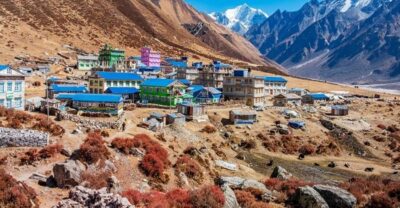 ★ 5.06-Day Limitless Langtang TrekFrom $18121 reviews
 ★ 5.06 Days Muktinath Tour Package in NepalFrom $70020 reviews
6 Days/5 Nights Private Kathmandu Pokhara TourFrom $2,4479 reviews
★ 5.06 Days Muktinath Tour Package in NepalFrom $70020 reviews
6 Days/5 Nights Private Kathmandu Pokhara TourFrom $2,4479 reviews
 ★ 5.06 Days Private Himalayan Dreams of NepalFrom $2,1896 reviews
Everest Experience Trek 6 Day Hiking AdventureFrom $7903 reviews
★ 5.06 Days Private Himalayan Dreams of NepalFrom $2,1896 reviews
Everest Experience Trek 6 Day Hiking AdventureFrom $7903 reviews
Browse the lists this tour appears in