

REVIEW · 7-DAY EXPERIENCES
Langtang Trek from Kathmandu 7 Days
Langtang moves fast from city to mountains. This 7-day trek turns Kathmandu into Tamang village life and high-country scenery, with forest trails and mountain panoramas that feel earned, not packaged. You also get a clear route plan and the right paperwork taken care of so you can focus on walking.
I like this trek for two big reasons. I love how the route passes through traditional Tamang and Sherpa villages, so the culture shows up in daily routines, not just in a quick photo stop. I also like the pacing, since it is set up for moderate fitness and avoids the punishing, death-march feel of more extreme Himalayan options.
One thing to think about: altitude. You can reach around 4,700m at Kyanjin Ri, so cold air, thinner breathing, and basic lodge comfort are part of the deal, especially on summit day.
Key things I’d plan around before you go
- Private for your group, with an English-speaking trekking guide to keep the trail and timing straightforward.
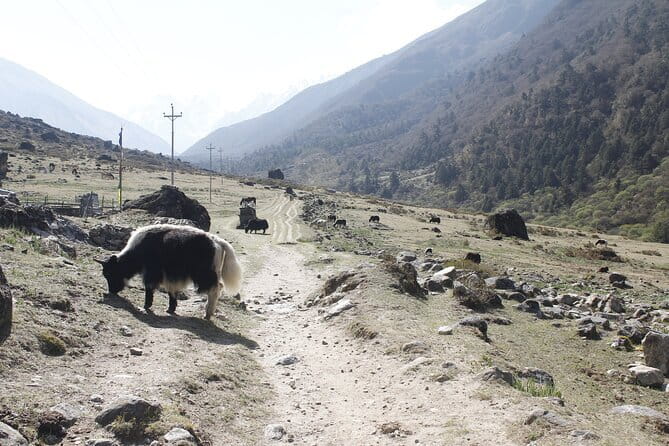
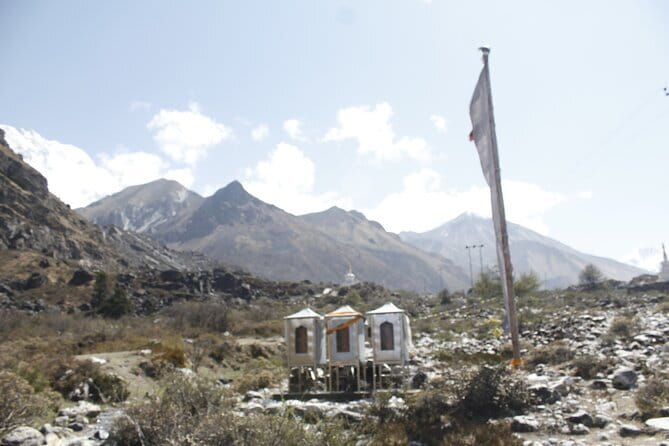
- Tamang and Sherpa villages, plus monasteries such as Kyanjin Gompa, so the journey has real human scale.
- Forest-to-alpine trail variety, moving through oak and rhododendron settings and out toward higher ridges.
- Kyanjin Ri is the payoff, with views over the Langtang Valley and a clear target at high elevation.
- Lodge accommodation is included, but you should expect simple basics rather than hotel comfort.
- You get permits and TIMS handled, so you do not scramble for admin while you are already focused on altitude.
From Kathmandu to Syabrubesi: getting to the trail
Your trip starts in Kathmandu, and the big advantage here is that you are not left figuring out transport on your own. There is hotel pickup and drop-off, plus round-trip transfer by sharing local bus. It is a practical setup: you get out of the city and into the Langtang region without adding extra complexity.
The first leg typically takes about 7 hours, landing you in the Syabrubesi area, where your trekking days begin. Syabrubesi matters because it is your jump-off point into the Langtang Valley. In plain terms, you stop thinking like a city traveler and start thinking like a trail walker. That transition is half the trip.
A small word of advice: treat your first day like setup time. Eat well, stay warm, and do not plan on a big sightseeing binge in Kathmandu the same day you travel. Once you hit the mountains, your body will thank you for keeping things calm.
You can also read our reviews of more hiking tours in Kathmandu
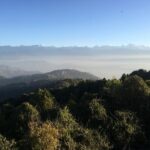
Day-by-day: how the 7 days on the Langtang Trek really feel
This trek is designed as a steady, gradual climb through different environments, so your legs keep moving and your view improves as you go. Each day is built around a reasonable hiking window (around 6 hours, with travel on arrival and departure days).
Day 1: Kathmandu to Syabrubesi, then lodge rest
Day 1 is mostly getting there. You set off bright and early from Kathmandu, and you head toward Syabrubesi, staying at a lodge in that area (Hotel Garden Inn is named for Syabrubesi).
Why this day matters: it positions you for a real start on the next morning. It also sets expectations. You do not reach the trailhead by magic. You earn it with a long ride.
What to watch for: after hours in a vehicle, your body might feel stiff. Warm up gently and keep your evening easy.
Day 2: Syabrubesi to Lama Hotel, the river corridor day
On Day 2 you hike for about 6 hours along the trail beside the Langtang Khola. The path is clearly marked and follows the river, so you get that constant sense of direction.
What I like about this style of day: you get lush scenery without jumping straight into big, breathless elevation. You are in greenery mode, with glimpses of the rushing river and forest cover.
Possible drawback: if you are prone to overdoing the first day, resist that urge. The river trail can feel deceptively comfortable, and then your energy budget matters later.
Day 3: Lama Hotel to Langtang Village, rhododendron and village life
Day 3 takes around 6 hours, and it starts early through dense forest with moss-covered trees and rhododendron color. You also reach Langtang Village, which is one of the moments where the trek shifts from scenery to people.
This is where the Tamang feel becomes real. You are not only walking past buildings. You are moving through a place where daily life continues along the valley trails.
Tip that helps: keep your pace steady. Village days are tempting for slow wandering, but you still want daylight for the next day.
A few more Kathmandu tours and experiences worth a look
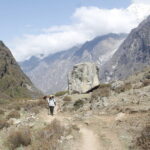
Day 4: Langtang Valley up to Kyanjin Ri, monastery sightline
Day 4 is another 6-hour hiking day and it pushes you higher. Air gets crisper as you ascend, and you start seeing more of the spiritual side of the region.
The stop includes Kyanjin Gompa, referenced at around 3,800m. That detail matters because monasteries at altitude are not just scenery. They reflect how Himalayan communities live and pray in cold, thin-air conditions.
What to watch for: this is a day where you can feel the altitude change even if your legs are fine. Take breaks, sip water, and do not race.
Day 5: the Kyanjin Ri summit experience, rocky ridges and 4,700m air
Day 5 is built around the high point. You should expect rocky ridges, narrow paths, and some occasional steeper sections. You also have a target elevation: Kyanjin Ri around 4,700m (with about 15,420 feet referenced).
Why this day is the emotional peak: it turns the whole trek into a single question, will you reach the view. And once you are up there, the valley pulls into focus.
From the same day description, you then come back down toward the route back to lower lodges (Lama Hotel is named for the day’s stop). That downshift is part of the rhythm. The mountains always want you to earn the view, then respect the descent.
Practical consideration: treat cold mornings seriously. Slow down near the top and keep your breathing calm. If you go too fast, the thin air will make the trail feel longer.
Day 6: return down to Syabrubesi, forests and village calm
Day 6 drops you back toward Syabrubesi in about 6 hours. You descend through lush forests, streams, and local villages. This is one of the underrated days because the light can feel softer, and you are less focused on reaching something and more focused on simply walking.
The lodge in Syabrubesi area is named again (Hotel Garden Inn is referenced). Think of this as your decompression night.
Tip: on the way down, your quads might feel the most work. If you have trekking poles, use them. If you do not, plant your steps carefully and avoid long striding.
Day 7: Syabrubesi back to Kathmandu, then a reset in Thamel
Day 7 finishes with the drive back to Kathmandu, around 7-8 hours, with stops for stretching and breaks. You arrive near Thamel, which is the classic Kathmandu base area.
This day is not about hiking. It is about transition and recovery. After a week of mountain rhythm, Kathmandu feels fast, loud, and surprisingly colorful.
A smart move: plan a simple final evening. Eat something filling, do laundry if you need to, and keep your schedule loose. Your legs will be glad.
Kyanjin Ri and Kyanjin Gompa: where the trek earns its reputation
Kyanjin Ri is the headline. The trek descriptions point to views over the Langtang Valley and make Kyanjin Gompa a key milestone along the way. The review highlights also point to Kyanjin Gompa as a standout, with panoramic scenery that feels like the trek’s main reward.
Here is why this works for most people: the trail is challenging but not chaos. You have time to adjust, and the route gradually builds toward the higher elevation.
At Kyanjin Gompa (about 3,800m), you are not at the very top yet, but you are already seeing how this region feels spiritually and geographically. Then, on Day 5, you push to around 4,700m at Kyanjin Ri. That step up turns the whole trek into a clear arc.
For best results, aim to arrive with a calm mindset. A summit view is a gift, but it is also weather-dependent. Cloud cover can happen. So it helps to be flexible and not assume perfect visibility on one specific moment.
Lodges, comfort, and what the included stay means in real life
Lodges are included, which is a major value piece. But lodge life in the mountains is not the same as city hotel comfort. You can expect simple rooms and basic facilities, and you should plan for cold nights.
What I appreciate about this trek setup is that you are not hunting for your own lodging or coordinating nightly logistics. An English-speaking trekking guide is included too, which reduces the chance of ending the day confused about where you should be.
If you are coming from Kathmandu, think about warm layering. Even if the sun feels friendly during the hike, temperatures can shift fast at higher elevations. Bring layers you trust and keep them easy to access.
Also, keep your water and toilet routines practical. The higher you go, the more you will care about small habits: hydration timing, warm drinks when available, and simple gear management.
Permits, TIMS, and an English-speaking guide you can actually use
This trek includes trekking permit and TIMS card. That is one of those details that sounds bureaucratic until you need it. When it is handled for you, you can focus on the mountains instead of paperwork.
An English speaking trekking guide is included. For many people, that matters as much as altitude does. Clear trail guidance, pacing help, and basic safety decisions reduce stress.
If you like straightforward logistics, a guide also helps you interpret what you are seeing: village locations, monastery stops like Kyanjin Gompa, and how the valley changes as you climb and descend.
One practical consideration: ask your guide about your personal pace early. The route is described as accessible for moderate fitness, but every body reads altitude differently. Your guide can help you adjust without turning the trek into a panic sprint.
Price and logistics: is $410 good value for a guided Langtang Trek?
At $410 per person for a 7-day guided trek, the value is mostly in what is included:
- Hotel pickup and drop-off
- Round-trip transfer by sharing local bus
- Trekking permit and TIMS card
- English-speaking guide
- Lodge accommodation
- Private trip (only your group)
That package matters because many trekking costs are not just the guide fee. Permits, transport, and nightly logistics add up quickly. Here, those pieces are bundled, so you are not piecing it together later.
There is also a note about group discounts and a mobile ticket. Since this is described as private for your group, the discount angle likely depends on group size, and you should ask before booking if you are traveling with friends.
What is not included is personal expenses. That is normal, but it means you should budget for things like snacks, extra drinks, and any gear needs.
Bottom line on value: if you want a guided, permit-managed, lodge-supported trek that is not overly complicated, this price sits in the zone where it usually makes sense.
Who should take this Langtang Valley trek, and who should rethink it
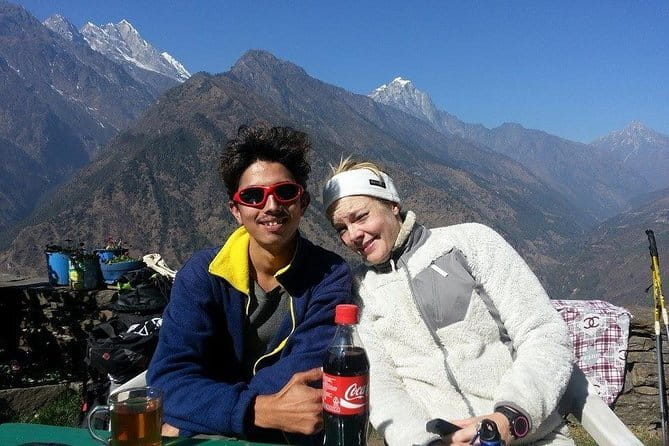
This trek is described as suitable for moderate fitness. The itinerary uses about 6 hours of hiking on most days, with the big elevation moments concentrated around Kyanjin Ri.
You will likely love it if:
- you want a classic Langtang Valley itinerary without extreme Himalayan logistics
- you like culture on the trail, especially Tamang and Sherpa villages
- you want a real monastery stop, including Kyanjin Gompa
- you prefer a structured plan with an English-speaking guide
You should rethink it or go extra careful if:
- you are very sensitive to altitude, since around 4,700m is part of the route
- you expect hotel-style comfort every night, because lodge accommodation is included but basic conditions are realistic
Also, if you are traveling as a family, this could work well because the structure is clear and the trek is built for moderate fitness. Still, family success depends on how well everyone handles cold and altitude, not just walking speed.
Should you book the Langtang Trek from Kathmandu (7 days)?
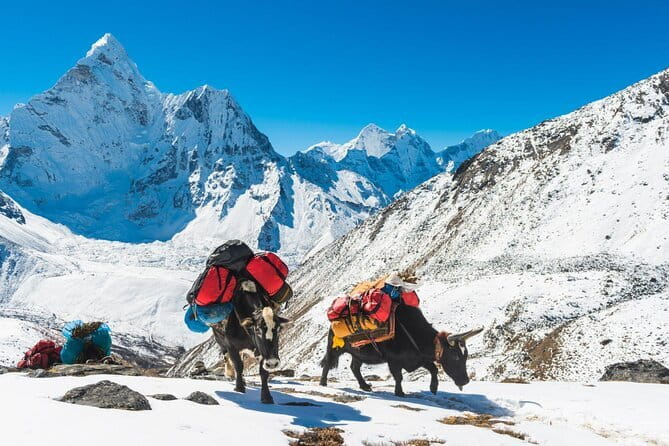
I’d book this trek if you want a smooth, well-managed route with real culture and a clear peak target. The biggest strengths here are the combination of village life and the Kyanjin Ri payoff, plus the fact that permits, TIMS, guide support, and lodge stays are all included.
I would hesitate if altitude scares you, or if you dislike simple mountain lodging. Also, if you hate the idea of long travel days in both directions, remember Day 1 and Day 7 are dominated by transfers, not hikes.
If you book, come prepared to slow down at higher elevations. Keep your layers handy, trust your guide, and treat the summit day like a careful climb, not a race.
FAQ
How long is the Langtang Trek from Kathmandu?
The itinerary is listed as approximately 7 days, with daily hiking around 6 hours for most days and longer travel days for the Kathmandu to Syabrubesi and return drives.
Is hotel pickup and drop-off included?
Yes. The tour includes hotel pickup and drop-off in Kathmandu.
Are trekking permits included, and what do I need?
Yes. The trekking permit and TIMS card are included. You will need to provide passport details and a photo (a selfie can work) to issue the trekking permit.
What is the highest elevation on the route?
Kyanjin Ri is referenced at approximately 4,700 meters (about 15,420 feet).
What fitness level does the trek require?
The trek is described as suitable for travelers with moderate physical fitness levels.
Is this a private tour?
Yes. It is described as a private trip, meaning only your group participates.
More 7-Day Experiences in Kathmandu
More Hiking & Trekking Tours in Kathmandu
More Tour Reviews in Kathmandu
Not for you? Here's more nearby things to do in Kathmandu we have reviewed


7-Day Experiences, compared.
 ★ 5.07 days Nepal Motorcycle tourFrom $2,35012 reviews
 ★ 5.0Kathmandu to Langtang Valley 7-Day TrekFrom $30011 reviews
 ★ 4.57 Day Kathmandu Pokhara TourFrom $3805 reviews
 ★ 4.27 Day Langtang Valley TrekFrom $4503 reviews
 ★ 5.07 Days Langtang Valley Trek from KathmanduFrom $4103 reviews
Browse the lists this tour appears in