

REVIEW · EVEREST BASE CAMP TREKS FROM KATHMANDU
Kathmandu: 15-Day Everest Base Camp Trek with Guide
Big mountains make people forget everything else. This 15-day Everest Base Camp trek pairs Kathmandu culture with real time on the trail, from Lukla to Kalapathar viewpoints.
I like two things most. First, the trip is built around smart pacing and acclimatization, including a rest day in Namche Bazar and an early hike to Kalapathar for big-moment views. Second, the human side is well handled, with an English-speaking Sherpa guide and local know-how that helps you move safely and understand what you’re seeing.
One thing to consider is weather and Lukla flights. When clouds or rain roll in, the schedule can get disrupted, and your plan may need to shift.
Key things that make this trek worth your time

- Private Kathmandu transfers and guided city tour: You get orientation right away, plus classic sights like Swayambhunath and Pashupatinath.
- Acclimatization built into the route: Namche Bazar rest day, then follow-on climbs that keep you functional higher up.
- English-speaking Sherpa guidance: Guides such as Kali, Kale Prakash, and Dillisher Katuwal are specifically praised for safety and care when the body gets tired.
- Guest house trekking with permits covered: You stay in standard guest houses, and the plan includes Everest National Park permits and TIMS.
- Down jacket and sleeping bag if needed: Comfort matters at night when temperatures drop.
- Small group feel: The pace is designed to be more personal than a huge crowd trek.
First steps in Kathmandu: temples, orientation, and gear reality

Day 1 is simple and helpful: you arrive at Kathmandu Airport, then get a private transfer to your hotel. After you check in, your guide gives you the key trek info so you’re not guessing on day two.
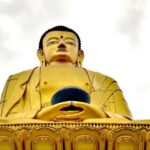
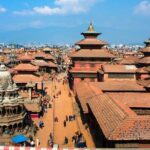
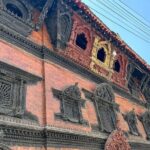
Day 2 is the smart warm-up day. You’ll tour Kathmandu in a private car with your guide, hitting Kathmandu Durbar Square, Swayambhunath, Boudhanath, and Pashupatinath (the cremation temple). This isn’t just sightseeing for the sake of it. It helps you get your bearings in Nepal before you switch to mountain time.
This is also the day where gear becomes real. Many people think they’re ready, then discover they need a few practical items (warm layers, sunglasses, sturdier shoes). Based on how the team supports trekkers, you can expect guidance that keeps you from showing up on the trail underprepared.
One practical tip: pack your sunglasses and keep comfortable shoes ready for lots of walking in Kathmandu before you even reach Lukla.
You can also read our reviews of more guided tours in Kathmandu
The flight to Lukla and the Phakding warm-up you cannot skip
On Day 3 you fly from Kathmandu to Lukla, then take an easy trek to the upper Phakding area for the night. It’s called easy for a reason: you’re landing at an altitude that feels different, and your body needs time to adjust before you start climbing harder.
A key logistics point: the included trip covers transfers in Kathmandu, but airfare is not included. The description also notes flights between Kathmandu (via Ramechhap) and Lukla. Optional flight booking can be reserved on your request, so if you want fewer headaches, ask early.
Lukla is famous for sudden weather changes. Even when you do everything right, you may face fog, rain, or wind that affects flight timing. The trek schedule can be resilient, but it is not immune.
Namche Bazar: the acclimatization stop that makes the whole trek work

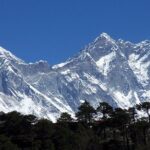
Day 4 is where you start earning the views. You follow the Dudh Koshi valley and climb up to Namche Bazar, which is a central hub for trekkers and Sherpa communities. Along the way you move through rhododendron forests and get classic looks at snow-capped peaks.
Then comes the most important day for your success. Day 5 is a rest day in Namche to acclimatize. Instead of only lying low, you hike up to Everest View Point Hotel Syangboche at about 3850 meters. This is a smart compromise: you get exertion without full-day pushing, and that helps your body adapt.
Here’s why this matters for real life: altitude doesn’t care about your enthusiasm. The rest day reduces the odds of feeling wrecked later in the trek, especially once you move into higher zones like Tengboche, Dingboche, and toward the Everest approach country.
Also, Namche is where you start meeting other trekkers in a natural, friendly way. Day 5 and the days around it help you connect with people who share the same goals, and it makes the mountain journey feel less lonely.
Tengboche and Thyangboche Monastery: prayer walls, ridge views, and cold air

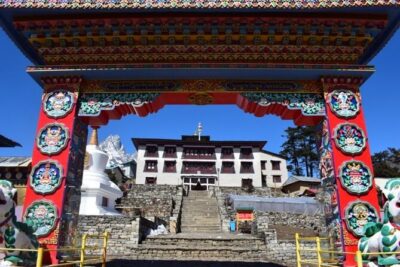
On Day 6, you trek from Namche to Tengboche. The route climbs through high altitude and chilly conditions, and after about two hours you reach Thyangboche Monastery at roughly 3867 meters. The monastery sits on a ridge, so you’re often looking out while you’re there, not just walking through.
This is where culture and altitude meet. You’re in Buddhist temple territory, surrounded by mountain communities whose daily rhythm has long adapted to thin air and weather swings. Even if you’re not a meditation person, you’ll feel the calm atmosphere around these places, and it gives your mind a break from pure physical effort.
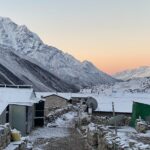
Potential drawback: the cold at these elevations can be intense even when the day feels bright. If you’re unsure about layers, rely on what the trip provides, and consider bringing your own extra warm mid-layer.
Dingboche and the glacier connection: villages, Khumbu Glacier, and pacing

Day 7 takes you to Dingboche. The trek passes through Imja Khola, Pangboche, and Pheriche before you reach the Khumbu glacier area for your arrival. This is a long day, but it’s broken by village transitions that help you reset your pace.
What I like about this part of the itinerary is how it keeps you connected to people, not just scenery. You’re walking through Sherpa villages and seeing how daily life looks as altitude climbs. That’s more than trivia, because it helps you understand why locals care about routes, timing, and the mountain’s moods.
Day 8 adds a real treat: a day trip to Chhukung Valley and back to Dingboche. Chhukung is known for some of the best hiking in the region, and it’s a chance to stretch your legs on a day that still functions as part of acclimatization. You get a broader sense of the Everest region’s terrain without committing to another full migration of the base.
You can also read our reviews of more hiking tours in Kathmandu
Lobuche and Gorakshep: when the trek shifts from trekking to anticipation

Day 9 moves you onward to Lobuche. After a day like the one before it, you’re really starting to feel that you’re in the higher game. Lobuche is where nature starts to feel more dramatic and less forgiving, but that’s also where the trek becomes unforgettable.
Day 10 is the key staging day toward the Everest approach. You hike from Lobuche to Gorakshep, a small settlement on the shores of a frozen lake. Gorakshep is where many trekkers feel the psychological switch: you’ve done the main climbing work, and now you’re moving toward the area people dream about.
Even without Base Camp described in detail here, the itinerary is clearly set up to lead you into that final-view zone. You’re resting at the departure point towards Everest Base Camp, and then you’re up early again soon, so sleep matters.
Kalapathar morning: the early start that’s usually worth it

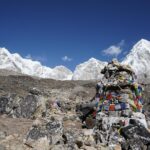
Day 11 is early for a reason. You hike to Kalapathar and then back to Pheriche. Kalapathar is the kind of viewpoint where sunrise and clear skies can turn a good trek into the moment you tell stories about for years.
If weather is cloudy, you might lose some visibility, and that’s a real possibility in the Everest region. One trek experience in the fall specifically notes how cloudy or rainy days obscured views on some occasions. So, even with good planning, you should expect that nature can change your view line.
Still, the logic of this day is solid. It’s timed for the best chance at clear views and gives you a second chance at acclimatization and stability, rather than just pushing forward no matter how you feel.
The long descent days: Namche and Lukla again, but not like before

Day 12 brings you trekking back to Namche Bazar. This is a descent, but it’s not a casual stroll. Your legs will feel it because you’ve built altitude fatigue into your system, and now you’re asking them to absorb steep and stony steps.
Day 13 continues the descent back to Lukla. The trek is described as long, and that matches how these return days feel in real life. It’s a pleasure in the sense that you’re closing the loop on a major journey, but you still need to take it seriously.
Day 14 is your flight back to Kathmandu, then a recovery night in a Kathmandu hotel. After two weeks of trekking, even a normal shower and real sleep can feel like a luxury. Day 15 is just a transfer to the international airport.
Price and logistics: what $675 includes, and what you must budget

At $675 per person for 15 days, this trek is priced in a way that can make sense if you’re comfortable with the “your body does the miles” style of travel. The big value points are that the plan includes key trekking essentials that many budget trips forget.
Included items that matter:
- Hotel in Kathmandu for 3 nights (standard accommodation)
- Private car transfers and a guided Kathmandu city tour
- Best available guest houses during the trek
- Licensed English-speaking Sherpa guide
- Everest National Park permits and TIMS
- Staff costs like food, salary, insurance, equipment, and medicine
- Down-filled jacket and sleeping bag if needed
- Government taxes
Not included items you should plan for:
- Airfare for the Kathmandu (via Ramechhap) to Lukla and back flight
- Your travel insurance and entrance fees in the city
- Breakfast, lunch, and dinner during the trek
- Porters to carry luggage (optional add-on, shared with two people)
- Alcohol and some cold and hot drinks
This leads to the real budget conversation: the headline price is not your all-in cost. If you want to avoid surprises, estimate daily meal spending during the trek and factor in the flight cost separately. If meals are your priority, ask what meal style is typical at guest houses along this exact route.
If you’re carrying a heavy pack, consider the porter add-on. It’s not required, but it can make a meaningful difference on the longer return days.
Weather reality: cloudy views, Lukla delays, and how to stay flexible
Everest trekking runs on a mix of planning and weather luck. The route itself is logical, but flights to Lukla can fail or shift. One experience notes that the trek plan changed due to weather in Lukla, with an alternative itinerary offered instead of Everest Base Camp completion.
This matters because it changes how you should judge the experience. The trek is a package of people, permits, and route structure. But the weather can still rewrite the final few days. If you’re booking this, you should plan with flexibility in your mind, not just in the brochure.
Also, your results will depend on visibility. Even when the team runs smoothly, you might get cloudy mornings instead of crisp views. When skies cooperate, Kalapathar can be the payoff day.
Who this trek suits best, and who should rethink it
This trek can accommodate various fitness levels, which is good news if you’re not a speed hiker. The itinerary includes rest and acclimatization days, and your guide’s job is to keep you moving safely.
That said, it is not suitable for wheelchair users. If you have mobility constraints, you’d need a completely different kind of trip design.
This is a great match if you:
- Want guided support with permits handled
- Like a mix of culture days (Kathmandu temple tour) and mountain trekking days
- Prefer guest house trekking instead of camping
- Want a small group feel for a more personal vibe
It might not be the right fit if you:
- Need guaranteed flight timing into Lukla
- Want the cost to be fully predictable without meals
- Are sensitive to cold and altitude and would rather not train for it at all
Guides, meals, and why the people part matters
The guide quality is repeatedly highlighted, and you should take that seriously. Names like Kale Prakash, Kali, Kumar, Santos, and Dillisher Katuwal come up with emphasis on organization, safety, and care. When people get sick or struggle, a good guide can be the difference between pushing too hard and resetting appropriately.
Meals are trickier. They are not included, so the quality and variety depend on what’s available at guest houses each night. Your best move is to treat food as fuel, not a restaurant experience. Keep hydration and simple calories in mind, especially as altitude and cold increase your calorie needs.
On the mountain, your rhythm matters more than perfection. This trek structure supports that with acclimatization and planned rest, not just a straight line uphill.
Should you book this Everest Base Camp trek?
Yes, if you want a guided, permit-included Everest trek that balances acclimatization with classic Everest-region highlights, and you’re ready to budget for flights and meals. The itinerary design makes sense, and the support staff and guide experience are clear strengths.
Hold off or reconsider if your trip cannot tolerate changes due to Lukla weather, or if you prefer everything fully included with zero uncertainty around meals. Also, make sure you train for long hiking days and pack smart for cold nights, since the itinerary starts with Kathmandu walking and ramps up quickly once you’re in the Khumbu zone.
If you book, do it with flexibility, bring your sunglasses and comfortable shoes, and trust the pacing. That combination is what usually turns this trek from a challenging plan into a memorable journey.
FAQ
How long is the Everest Base Camp trek?
The duration is 15 days.
Where does the trek take place?
It is in the Koshi Zone of Nepal, starting from Kathmandu and trekking through the Everest region.
What is included in the price?
The package includes private airport and hotel pickup and drop-off in Kathmandu, 3 nights of hotel accommodation in Kathmandu, a private car guided city tour, guest house accommodation during the trek, a licensed English-speaking Sherpa guide, permits (Everest National Park permits and TIMS), staff costs, and down-filled jacket and sleeping bag if needed, plus government taxes.
What is not included?
Airfare from Kathmandu (via Ramechhap) to Lukla and back is not included, as are your travel insurance and city entrance fees, and breakfast, lunch, and dinner during the trek. Porters are also not included, though they are optional.
Do I get meals during the trek?
No. Breakfast, lunch, and dinner during the trek are not included.
Is the flight from Kathmandu to Lukla included?
No. The airfare between Kathmandu (via Ramechhap) and Lukla is not included, but optional services can reserve or book the flights on request.
What kind of accommodation will I have during the trek?
You stay in best available guest houses during the trek.
Will I have a guide, and what language do they speak?
Yes. You travel with an expert licensed holder English-speaking Sherpa guide.
What should I bring for the trek?
You should bring comfortable shoes and sunglasses.
Is this trek suitable for wheelchair users?
No, it is not suitable for wheelchair users.
Is free cancellation available?
Yes. You can cancel up to 7 days in advance for a full refund.
More Hiking & Trekking Tours in Kathmandu
More Guided Tours in Kathmandu
More Tour Reviews in Kathmandu
Not for you? Here's more nearby things to do in Kathmandu we have reviewed


Everest Base Camp Treks from Kathmandu, compared.
 ★ 5.0Everest Base Camp Trek – 14 DaysFrom $1,8001,499 reviews
 ★ 5.0Everest Base Camp TrekkingFrom $1,350485 reviews
 ★ 5.0Everest Base Camp Trekking – 13 DayFrom $1,399365 reviews
★ 5.0Everest Base Camp Trek -14 DaysFrom $1,420321 reviews
★ 5.0Everest Base Camp Trekking – 13 DayFrom $1,399365 reviews
★ 5.0Everest Base Camp Trek -14 DaysFrom $1,420321 reviews
 ★ 5.0Everest Base Camp Trekking – 2025/2026From $1,339199 reviews
 ★ 5.0Everest Base Camp TrekFrom $1,408193 reviews
14-Days Private Everest Base Camp TrekFrom $1,600152 reviews
★ 5.0Everest Base Camp TrekkingFrom $1,350146 reviews
★ 5.0Everest Base Camp TrekFrom $1,408193 reviews
14-Days Private Everest Base Camp TrekFrom $1,600152 reviews
★ 5.0Everest Base Camp TrekkingFrom $1,350146 reviews
Browse the lists this tour appears in