
One flight, then straight into Everest country. This private 14-day Everest Base Camp trek routes you from Kathmandu to Lukla, then through classic Khumbu villages, Buddhist sites, and big mountain viewpoints before you reach Base Camp itself. Along the way, you’ll get a mix of altitude work and culture, with a guide who handles the permits and keeps your pace realistic.
I love the built-in logistics: airport pickup and drop, domestic flights (Kathmandu to Lukla and back), Kathmandu hotel nights, and permits plus entrance fees arranged for you. I also love that the trek is private, so your English-speaking guide can steer the schedule for your group, including using porters to carry the heavy gear.
One consideration: you’re going to be hiking at altitude, and your schedule depends on good weather for the flight days. Even fit people can get hit by altitude sickness, so you need to take the acclimatization days seriously and speak up early if you feel off.
Key things to know before you go
- Private setup with an English-speaking guide so you get day-by-day support, not a crowded group vibe.
- Lukla flights are included, saving you the hassle of arranging the most weather-sensitive part of the trip.
- Acclimatization is built in with a stop at Namche Bazaar and a second high-altitude adjustment day in Dingboche.
- Porters carry heavy gear (for two trekkers), which can be the difference between enjoying the hike and suffering through it.
- Base Camp day includes real glacier terrain via the Khumbu Glacier lateral moraine route.
- Kala Patthar is the big morning after the sleep in Pheriche, with a descent back through rhododendron and juniper forest.
From Tribhuvan Airport to Lukla: how the trip starts
You’re met right away in Kathmandu, then transferred to your hotel. If you arrive by air, an airport representative explains the program and you get set up for the days ahead.
Day 1 is straightforward and important: you get sleep and orientation, not a scramble. That matters because Day 2 is the big jump, a short but dramatic travel day where you trade Kathmandu traffic for Himalayan views.
Day 2 starts with the 40-minute flight to Lukla and landing at Tenzing Hillary Airport. The trek begins immediately after, which is exactly how many first-time EBC trekkers need it, one transition at a time.
The trail day you kick off is focused on getting you moving in the Khumbu. Then Day 3 adds the famous river corridor: you trek along the northern bank of the Dudh Koshi River and cross multiple suspension bridges, including the Hillary Suspension. It’s not just scenic, it’s also practical, because following a well-established river valley helps your body settle into trekking rhythm.
You can also read our reviews of more private tours in Kathmandu
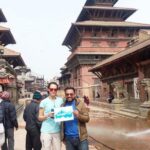
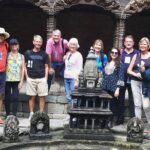
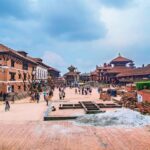
Namche Bazaar acclimatization: the altitude work that feels like a mini vacation
Day 4 is your acclimatization day in Namche Bazaar. This is where the trek stops feeling like a grind and starts feeling like a real mountain town. You can explore at your own pace, including wifi-linked cafes and restaurants, plus souvenir and gear shops.
What I like about this setup is the flexibility. You’re at altitude already, so you can choose light walking and browsing, rather than forcing an intense hike every single day. The itinerary also suggests hiking options, including Hillar-related sightseeing, which is typical of how Namche days are planned to help your body adjust.
This is also a good moment to get your kit sorted: check straps, test your socks, and make sure you have what you’ll need for colder nights. A lot of comfort later on comes down to these small fixes made before the higher, colder passes.
Tengboche to Dingboche: monasteries, mani walls, and Ama Dablam vibes
Day 5 heads toward Tengboche, and it’s a classic change of scenery. The route has plenty of ups and downs and passes through forests, and the reward is the mountain views. If you’re lucky, you might spot musk deer, which is the kind of wildlife moment that makes a long day feel worthwhile.
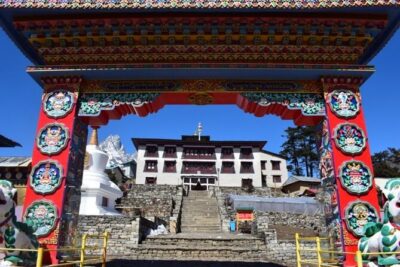
Tengboche is also where spirituality enters the trek in a visible way. The itinerary highlights Buddhist monasteries and the Sherpa culture that surrounds this part of the Khumbu. Even if you’re not a religion-focused traveler, it adds texture. You’re not just walking through scenery, you’re passing through communities with their own daily rhythms.
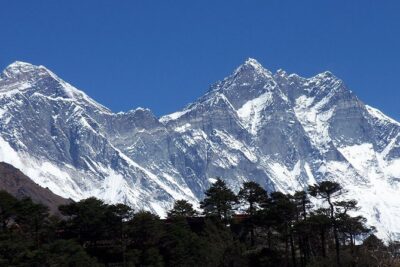
Day 6 takes you to Dingboche. Along the way, you’ll pass chortens, mani walls, and small villages, including Pangboche. A key payoff here is the chance to see views of Mt. Ama Dablam from the route area.
Day 7 brings a second acclimatization day in Dingboche. The itinerary calls out walking up a ridge above Dingboche to stay active while your body adjusts to the thinner air. I like this approach because it balances two needs: you keep your legs working, but you don’t rush higher just to check a box.
Also, this is where a good guide earns their fee. In past experiences with Glorious Eco Trek Nepal, guides such as Parkhidhan Tamang have been described as helpful and supportive when trekkers weren’t feeling well, and other teams highlighted how they tuned pace to the group’s energy level. That kind of attention matters most when altitude is the main challenge.
Lobuche to Everest Base Camp: the day the trek finally clicks
Day 8 goes to Lobuche. You start with Himalayan views, then the trail gets more demanding as you push through rougher terrain. The itinerary mentions approaching Dusa, after which the valley narrows, and then following the first completed Everest Expedition route segment.
This is one of those days where your mind shifts. Early on, you’re thinking about finishing the next day. By Lobuche, you’re thinking about the Base Camp payoff. It’s motivating, but also a warning: you’re not “done” yet, so keep your effort steady.
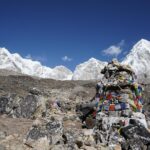
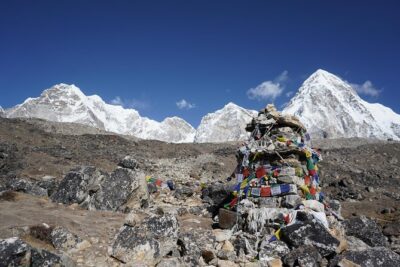
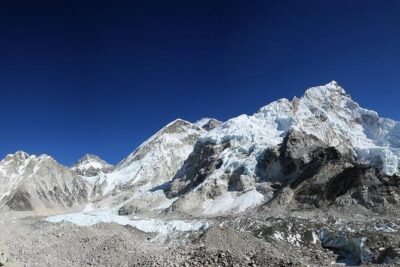
Day 9 is the money day, Everest Base Camp. You’ll trek through the lateral moraine of the Khumbu Glacier and arrive via the Gorak Shep area, a village surrounded by snow-capped mountains. From there, reaching Base Camp becomes the focus, the moment you’ve been climbing toward.
This is also a day to manage expectations. Your body will feel the altitude. Your pace might be slower than on lower trails. You may feel emotional, or you may feel flat and tired. Either reaction is normal. The important part is to keep moving, hydrated, and focused on how you feel rather than how fast you are.
Kala Patthar morning: why people feel emotional on the return
Day 10 is set up for the classic high-altitude sunrise style goal: Kala Patthar. You wake up early, have breakfast, and trek, then the day shifts into descent toward Tengboche.
The route includes rhododendron forests, crossing the Imja Khola bridge, and then going through juniper forest areas as you lose altitude. This is a big deal because you’ll likely feel relief moving down. Even if your legs are tired, the air gets a little easier to breathe.
Day 11 continues the descent back toward Namche Bazaar. It again highlights the rhododendron and juniper forest passages and the Imja Khola bridge area on the way down. Namche tends to feel like civilization after a few days of thinner air and harsher terrain.
Day 12 is a shorter trekking day as you head toward Phakding, following the Dudh Koshi River and crossing suspension bridges again. It’s a good transition day, the kind that helps you finish the trip feeling like you still have energy, not like you’re dragged across the finish line.
Day 13 brings the flight back to Kathmandu. It’s another 40-minute ride, and the itinerary notes it as a relaxing way to absorb what you accomplished. In other words, you get to stop hiking and start processing the journey.
You can also read our reviews of more hiking tours in Kathmandu
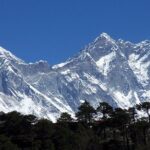
Kathmandu finale: hotel comfort, certificate, and a well-timed celebration
You have two nights in Kathmandu at a 3-star hotel with breakfast included. This gives you the chance to sleep in real beds and reset after trekking.
Day 14 is your farewell dinner plus your trek certificate. The itinerary also frames it as feedback time, so you can tell Glorious Eco Trek Nepal what you loved and what you would change.
This kind of final touch matters more than it sounds. A trek can feel like a blur of days, and having a structured wrap-up helps you remember the good stuff, plus learn what you’d do differently next time.
Private guiding and porters: what support looks like in the real world
A private Everest Base Camp trek should not feel like you’re alone in a complicated plan. Here, you have an experienced English-speaking guide, and you also get porters for heavy gear (listed as a porter for two trekkers).
That porter setup is one of the best value elements in this package. At altitude, every extra pound affects your pacing and how quickly you get exhausted. Removing heavy gear from your shoulders can help you walk more comfortably and stay steadier when the trail gets steep.
The guide role also shows up in the way past trekkers describe their experience. Some named guides include Kalyan Gurung, Romeo, Kaylan, and Ram. Others noted that communication was smooth, logistics were handled well, and the pace was adjusted based on individual energy levels. When altitude sickness showed up for one trekker and they had to stop early, the guide was described as attentive and experienced with handling medical situations.
I can’t guarantee any single outcome on a mountain this high. But I do take those consistent themes seriously: strong communication before the trip, calm leadership during the hard parts, and an emphasis on safety.
Permits and meals: included, but you still need to plan smart
This tour includes all necessary permits and entrance fees for the trekking. That’s one of those unglamorous but essential services, because permits are paperwork plus logistics plus timing.
Meals are also included, with counts listed as:
- 12 breakfasts
- 10 lunches
- 10 dinners
Those numbers can help you plan your spending. It also means you should still expect a little extra cost for snacks, drinks, or personal preferences, because the itinerary does not claim to cover everything on every single day.
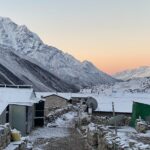
Accommodation is provided in Kathmandu and on trek in lodges or tea houses. Lodges at Everest-area elevations are basic by normal standards, and you should pack for cold nights and take showers or hot water as a bonus, not a right.
Price and value: what $1,600 is really covering
At $1,600 for 14 days, you’re paying for a lot more than a guide plus walking. The big cost components are baked in:
- domestic flights Kathmandu-Lukla-Kathmandu (including airport tax)
- a Kathmandu hotel (2 nights in 3-star)
- airport pickup and drop by private vehicles
- guide and porter support
- permits and entrance fees
- accommodations during the trek
- farewell dinner and trek certificate
If you were trying to piece this together yourself, you’d spend time and mental energy coordinating flights, permits, and daily guiding. Here, you pay to outsource those decisions to a company that also handles the day-to-day flow.
What is not included is also important:
- personal expenses
- travel insurance
For a trek at this altitude, travel insurance is not just a checkbox. It’s your safety net if you need medical care or if flight plans change.
Altitude and weather: the two things that can change your day
This trek requires good weather. If the experience can’t run due to poor conditions, the plan is to offer another date or a full refund.
More importantly, altitude is the real daily variable. The itinerary includes acclimatization days at Namche Bazaar (Day 4) and Dingboche (Day 7). That structure is there for a reason: your body needs time to adjust, not just grit through.
One practical approach: treat the acclimatization days as part of your success plan, not as optional rest. Even if you feel fine, stick to the slower pace and follow your guide’s advice.
And if you feel worse than you expected, speak up quickly. In the feedback tied to this company, there are examples of guides responding attentively when altitude issues came up, even when that meant changing the outcome for the trekker.
Who this private Everest Base Camp trek suits best
This is a strong fit if you want:
- a private plan with only your group
- a guide handling permits, logistics, and daily decisions
- porter support so you can hike more comfortably
- classic Everest Base Camp scenery plus cultural stops like monasteries, mani walls, and Sherpa villages
It also suits moderate-fitness hikers who understand this is not a gentle walk. The itinerary describes terrain with ups and downs, plus cold high-altitude days. You’ll also be flying in and out via Lukla, so you need to be flexible around weather patterns.
If you’re traveling with a tight schedule or you want a fully luxury-style experience, this is still lodge-based trekking, not a hotel-hopping holiday. On the other hand, if you want authenticity and structure, this package makes the route feel manageable.
Should you book it
I’d book this Everest Base Camp trek if you want the trail experience plus the heavy lifting done for you. The included Lukla flights, permits, and porter system remove the biggest stress points. Add the acclimatization plan in Namche and Dingboche, and the trip is built to help you reach Base Camp with fewer logistics headaches.
I’d pause before booking if you’re worried about altitude, you have limited flexibility for weather-driven changes, or you’re not ready for basic tea house living at high elevations. In that case, you can still trek in the region, but you may want a different pacing plan or shorter route.
FAQ
FAQ
Where does this Everest Base Camp trek start?
It starts at Tribhuvan Airport in Kathmandu, Nepal, with airport pickup and transfers included.
How long is the trek?
The duration is listed as 14 days, approximately.
Are flights to Lukla included?
Yes. Domestic air fare for Kathmandu-Lukla-Kathmandu is included, including airport tax.
Is the trek private?
Yes. It is listed as a private tour or activity, and only your group participates.
Do you have porters for your gear?
A porter is arranged, listed as a porter for two trekkers, to carry your heavy gear.
What kind of accommodation is included?
Accommodation is provided in Kathmandu and on the trek. Kathmandu uses hotel lodging (3-star for 2 nights with breakfast), and on the trek you stay in lodges or tea houses.
What meals are included?
Breakfast, lunch, and dinner are included in specific counts: 12 breakfasts, 10 lunches, and 10 dinners.
What is not included in the price?
Personal expenses and travel insurance are not included.
What happens if the experience is canceled due to weather?
If poor weather causes cancellation, you’ll be offered a different date or a full refund.
More Hiking & Trekking Tours in Kathmandu
More Private Tours in Kathmandu
More Tour Reviews in Kathmandu
Not for you? Here's more nearby things to do in Kathmandu we have reviewed


Everest Base Camp Treks from Kathmandu, compared.
 ★ 5.0Everest Base Camp Trek – 14 DaysFrom $1,8001,499 reviews
 ★ 5.0Everest Base Camp TrekkingFrom $1,350485 reviews
 ★ 5.0Everest Base Camp Trekking – 13 DayFrom $1,399365 reviews
★ 5.0Everest Base Camp Trek -14 DaysFrom $1,420321 reviews
★ 5.0Everest Base Camp Trekking – 13 DayFrom $1,399365 reviews
★ 5.0Everest Base Camp Trek -14 DaysFrom $1,420321 reviews
 ★ 5.0Everest Base Camp Trekking – 2025/2026From $1,339199 reviews
 ★ 5.0Everest Base Camp TrekFrom $1,408193 reviews
★ 5.0Everest Base Camp TrekkingFrom $1,350146 reviews
★ 5.0Everest Base Camp TrekFrom $1,300123 reviews
★ 5.0Everest Base Camp TrekFrom $1,408193 reviews
★ 5.0Everest Base Camp TrekkingFrom $1,350146 reviews
★ 5.0Everest Base Camp TrekFrom $1,300123 reviews
Browse the lists this tour appears in