
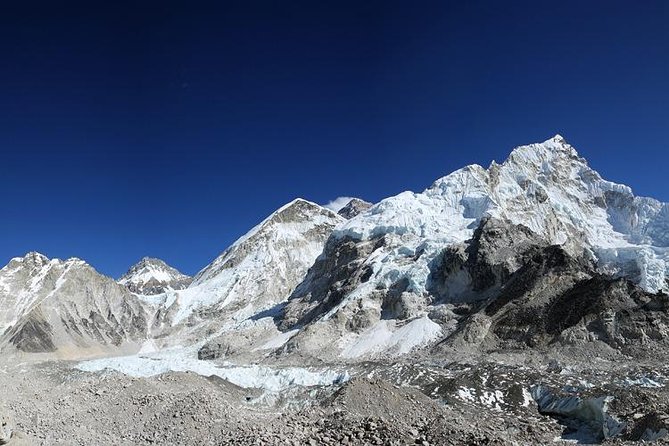
REVIEW · EVEREST BASE CAMP TREKS FROM KATHMANDU
Everest Base Camp Trek
Lukla is the warm-up for Everest. This trek is interesting because the logistics are handled for you, from the Lukla flight to the porters and included trekking gear, so you can focus on altitude, villages, and views. I also like the way you move at a pace that suits a private small group rather than a rushed herd.
Two big wins for me: you get solid Sherpa-area support with porters carrying your load, and you’re provided key cold-weather items like a sleeping bag and down jacket. One consideration: this is an altitude trip that also depends on weather, especially around Lukla, so expect contingency planning and a moderate fitness level requirement.
Key Highlights I Think You’ll Care About
- Lukla flights with a right-side view tip, plus a Kathmandu buffer day if weather causes delays
- Porters and a licensed English-speaking guide who handle the day-to-day trek plan
- Included national park permit and TIMS registration, so you are not scrambling paperwork
- Acclimatization built in, including rest days and a hike option around 5,000 meters
- Kalatthar sunrise viewpoint as the big payoff day, with an early start and tough climb
- Gear provided (down jacket, four-season sleeping bag, duffel), then returned after the trek
Why This Everest Base Camp Trek Feels Good Value
At $1,408 per person, the price makes more sense when you look at what is included. You are not just paying for a guide, you are also paying for your domestic transport (Kathmandu to Lukla and back), Everest National Park entry, TIMS registration, and the core cold-weather gear that can otherwise cost real money.
On top of that, meals are largely covered across the trek, and your porters are part of the package too. That matters because on Everest, comfort and safety come from how well the basics are handled, not from fancy extras you do not need.
The trip is also built around a private small group idea, which typically means fewer bottlenecks on the trail and more flexibility on acclimatization days. The operator also signals group discounts and a second guide only when the group size gets larger, which is a thoughtful way to keep attention on you without inflating costs.
You can also read our reviews of more hiking tours in Kathmandu
Kathmandu Arrival: The Intro Day That Keeps Things From Getting Messy
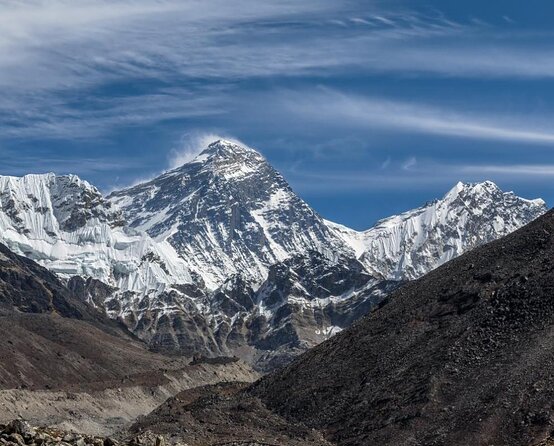
Day 1 is a simple, practical start in Kathmandu. You get an airport pickup in a private vehicle and a transfer to your hotel, plus an airport representative holding a name card with your details.
This matters because Kathmandu can be chaotic the first day. If you arrive tired, getting your bearings fast makes the whole trip feel calmer before the flights and the trekking begin.
You will also be in good shape to handle the pre-trek routine, like confirming what you need for the next day’s Lukla jump. Even the most experienced trekkers feel better when the first day is low-stress.
Kathmandu to Lukla: That Famous 30-Minute Flight
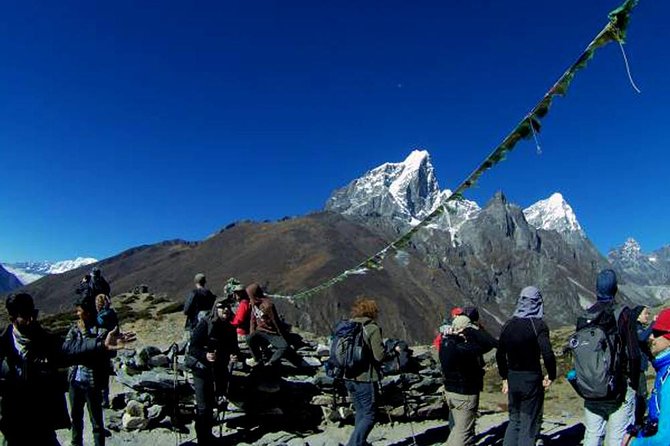
Day 2 is your launch to the Khumbu region. You fly from Kathmandu to Lukla in about 30 minutes, then trek onward to Phakding, with the walking time listed at about 4 hours.
The Lukla airport approach is famous for a reason. The important practical tip from the trip details: if you want views, try for a right-side seat.
Once you land, the trek begins gently enough that you can start warming up without feeling like you got thrown straight into a hard climb. Porters carry your gear, and your guide organizes the rest, which means less time wrestling bags and more time watching the change in scenery.
Phakding to Hilary Bridge: Pine Forests, River Crossings, and Early Effort
Day 3 starts with gentle ascending before you reach Monjo. From there, you stop in Jorsalle for lunch and continue toward Hilary Bridge through pine forests.
That combination is classic Everest trekking rhythm. You get gradual altitude gain and a steady walking feel, then the trail and terrain start reminding you you are going higher and thinner air is coming.
A potential drawback here is that it is easy to feel good on Day 3, then realize Day 4 and beyond still have work to do. So if you are the kind of person who goes out too fast when you feel okay, keep your pace controlled, even on the pretty parts.
Acclimatization Day in the Khumjung-Khunde Zone
Day 4 is your first rest and acclimatization day. Instead of adding distance, you do an acclimatization hike with options such as Khumjung and Khunde, an Everest View Hotel hike, a Thame hike, or a National Park area option.
This is one of the most valuable parts of any Everest Base Camp plan, because it is not only about legs. It is about giving your body a chance to adjust before the higher altitude push and glacier section later.
If you want a day that helps you enjoy the trek instead of surviving it, this is it. Pick the option that matches your energy that morning. The leader gives choices, which helps you avoid the common mistake of doing too much too soon.
National Park Trails Toward Kyanjuma and Phungi Thanga
Day 5 shifts you into a steady climb phase. You ascend toward the national park headquarters and follow a gentle trail to Kyanjuma. After a short tea break, you descend to Phungi Thanga for lunch and cross the Dudh Koshi River along the way.
What I like about this stage is that it is not trying to prove anything. It is about moving forward in a way that keeps your breathing manageable, then using river crossings and gradual terrain shifts as natural “checkpoints” for pacing.
Still, you will feel the altitude creeping in. So hydrate early and often, and do not treat every tea break as an excuse to slow down permanently.
Pangboche: Sherpa Heritage and High-Altitude Living
Day 6 follows the Imja Khola toward Pangboche at about 3,930 meters. Pangboche is known as a home for renowned Everest climbers and as a village of brave Sherpas, and you will have dramatic views tied to that high-altitude setting.
This is one of those days where cultural context and altitude overlap. You are not just walking past buildings, you are moving through a working Sherpa community where mountaineering is part of the local story.
The practical value: your guide and porters can help you stay focused on what matters, like staying warm and keeping your routine steady. At this altitude, comfort choices can affect how you sleep, and sleep affects tomorrow’s hiking.
Second Rest and a Nagarkhang Peak Hike Option
Day 7 is your second rest and acclimatization day. You do a day hike to Nagarkhang Peak, around 5,000 meters, to watch the Himalayan beauty from higher ground.
This is the day that often separates satisfied trekkers from grumpy ones. The hike to a high viewpoint can be mentally rewarding, but it can also be physically demanding if you go too hard.
The key is to keep it controlled. Go slow, take breaks before you feel wiped out, and let the views do their job without forcing a summit mentality.
Toward Base Camp: Dughla, Pass Country, and Glacier Ahead
Day 8 signals that you are truly getting closer. You follow a ridge above Pheriche village to reach Dughla, with a quick lunch stop before steep climbing toward Dughla pass.
This section typically feels different from earlier days because passes and ridges change the effort pattern. Instead of steady walking, you deal with sharper climbs and more exposure to thinner air.
Day 9 makes that contrast even more obvious. The first part is described as pretty easy, including walking over glaciers, but once you start ascending over the glaciers, the trail becomes harder due to trail difficulty and low oxygen levels.
If you are thinking about the experience as a whole, this is where the trek transitions from “I’m hiking in the mountains” to “I’m hiking in a high-altitude environment with technical terrain.” Respect that difference.
Kalatthar Sunrise: The Hard Climb That Earns the View
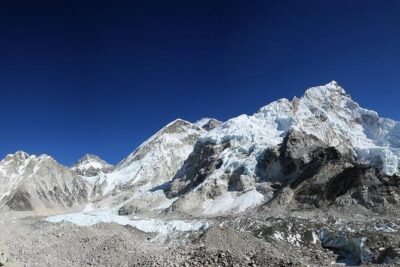
Day 10 is an early start day. You wake up in the morning to hike to Kalatthar before sunrise, and the climb is called difficult but worth it. Kalapatthar is described as a famous viewpoint over the Khumbu valley with towering Himalayan peaks.
This is the big moment day. It is also the day when your preparation shows. Your included down jacket and sleeping bag help, but you still need a cold-ready mindset and layering discipline.
Practical tip that fits the vibe: start slow at the beginning of the climb, not when you are already breathing hard. Early effort sets the tone for your whole ascent, and going too fast early can steal your energy for the last stretch.
Tengboche Area: Debuche, Tengboche, and the Return Switch
Day 11 includes passing through Debuche and Tengboche village, then steep descending to Phungi Tenga for lunch. Phungi Tenga is on the bank of the Dudhkoshi River, followed by an ascent back toward Kyanjuma.
This is a satisfying “we are getting closer but not done” day. You still do real climbing, but you also get the sense that you are moving through the heart of the Khumbu trail circuit before heading back down toward Lukla.
If you are feeling good, it can be tempting to push. Do not. Controlled pacing keeps you safer on rocky descents and helps you stay warm when temperatures drop.
Lukla Direction: Jorsalle to Phakding and Finishing the Walking
Day 12 is the walking return. You take steep descending to Jorsalle, continue to Phakding for lunch breakfast, and then keep moving toward Lukla. Once you reach Lukla, the walking portion concludes.
This stage often feels longer than it sounds because fatigue adds friction. Your legs may want to hurry, but the trail conditions on descents can make hurrying a bad idea.
The bright side is psychological. Knowing you are close to flights helps you keep going without drama.
Flying Back to Kathmandu and Using Day 14 as a Safety Valve
Day 13 is a flight back to Kathmandu from Lukla. The trip notes again mention the adventurous flight and advise sitting on the right side of the airplane for beautiful views.
Day 14 is a free day in Kathmandu, and it is there for a reason. Lukla flights often have weather issues and can get canceled or delayed, so this day acts as a buffer to handle potential problems. You also get time for shopping and downtime.
That buffer is one of the smarter pieces in the whole plan. High season mountain travel is never perfectly predictable, so giving yourself recovery time in Kathmandu helps you avoid turning the trip into a schedule scramble.
Day 15 ends with a drive to the airport around 3 hours before your flight. The airport is described as small with 1 terminal, and the trip finishes with breakfast.
The Guides and Sherpa Support You’ll Feel Every Day
One of the most praised aspects of this trek is the human layer, especially the guides. Names like Lok, Khila, Hari, Lal, and Ossman come up with consistent themes: taking care of details, managing pacing, and focusing on safety.
If you land with a guide who is proactive, you feel it immediately. You ask a question and get a clear answer. You hesitate on a steep spot and get a steady plan. You feel altitude stress and get reassurance that also has a practical edge.
Porters get praise too, including examples like Pandey being a great companion. You also get the structural support that makes that possible: porters have meals, accommodation, salary, and insurance included.
So even though you are the one doing the walking, your day-to-day load is controlled. That is a big reason this trek works well for people who want the classic Everest route without turning it into a gear logistics project.
Gear Provided: What You Can Travel Light For
This trip includes a down jacket, a four-season sleeping bag, and a duffel bag that is returned after the trip completion. That is a huge help because packing for cold mountain nights is one of the most annoying parts of Everest prep.
What the included gear does for you is reduce the number of decisions you have to make while traveling. You know you will have a proper jacket and sleeping insulation for the colder nights you will face higher up.
You still need your personal layers and day gear, but the heavy cold-weather bulk is handled. That can also save you from last-minute gear buying or renting, which is often where budgets get shaky.
Itinerary Reality Check: What Each Section Teaches Your Body
You are not just doing days. You are training your body to adapt in stages.
- Early days (Monjo to Phungi Thanga) are about steady movement, river crossings, and getting used to the rhythm.
- Acclimatization days (Day 4 and Day 7) are where you protect yourself by adjusting before the higher passes.
- Days 8-10 are the payoff and the challenge, with Dughla pass and glacier sections, then the Kalatthar early climb.
- Days 11-12 are the controlled return, with descents and a steady push back toward Lukla.
A subtle but important point: if your goal is simply to reach Base Camp without getting wiped out, the pacing approach matters as much as the route itself. The plan is designed for a “go at your own pace” vibe within a private small group setting, which typically reduces the temptation to sprint past your limits.
Price, What You Pay For, and What You Must Budget Separately
The $1,408 per person price covers a lot that normally adds up fast on Everest:
- Kathmandu airport pickup and drop by private vehicle
- Domestic flights Kathmandu to Lukla and back (including for the guide)
- Everest National Park entry permit
- TIMS registration card
- Licensed English-speaking guide plus Sherpa helpers (porters)
- Down jacket, sleeping bag, and duffel bag
- A first aid medical kit carried by the guide
- Paperwork, local taxes, and company service charges
- Meals: breakfast (14), lunch (11), dinner (12)
What you should plan on paying separately:
- International airfare, Nepal visa fees
- Travel and medical insurance, and emergency evacuation
- Personal expenses like bars and beverage bills, hot shower, telephone, laundry, and small extras
- Costs arising from natural calamities or anything beyond control
- Services not listed as included
So the value question becomes simple: can you accept that the “core Everest logistics bundle” is taken care of, and you handle the travel insurance and your personal day-to-day spending? If yes, this is priced fairly for a guided, gear-included, permit-included route.
Who This Everest Base Camp Trek Suits Best
This plan suits you if:
- You have moderate physical fitness and want a structured Everest Base Camp trek
- You prefer support, not solo logistics
- You want porters carrying your gear and an experienced guide handling routing and pace
- You like having choices on acclimatization days rather than forcing one standard “hard hike” every time
It might not suit you if:
- You are extremely time constrained and cannot handle weather-driven changes around Lukla
- You want a solo experience with full independence from the start
- You dislike the reality of high-altitude trekking and glacier terrain, even with a guide
Also note that the trip is described as private, and only your group participates. That matters if you are traveling with friends and want a calmer feel on the trail.
Should You Book Himalayan Leisure for Everest Base Camp?
I would book this trek if you want the classic Everest Base Camp experience but with the parts that often go sideways on Everest already managed: permits, registrations, guide and porter support, domestic transport, and key cold-weather gear.
The strongest reason to say yes is the combination of professional guidance and practical pacing. The repeated praise around guides like Lok and Khila for safety and detail handling is exactly what you want in a place where “winging it” is not a strategy.
My only hesitation is the reality of altitude and Lukla weather. If you can handle that, and you are willing to respect the acclimatization days, you will likely feel like the trek is working with you instead of against you.
FAQ
How many days is the Everest Base Camp trek?
The duration is listed as 15 days approximately.
Where does the trip start and where does it end?
The trip is in Kathmandu, Nepal. You fly between Kathmandu and Lukla during the trek, and you return to Kathmandu to finish.
Are airport transfers included in Kathmandu?
Yes. Airport pickup and drop services on a private vehicle are included before and after the trek.
Are flights to Lukla included, and how long are they?
Yes. The Kathmandu-Lukla-Kathmandu domestic airline tickets are included, and the flight time is described as approximately 30 minutes.
Do porters carry your gear?
Yes. Porters are included to carry your gear, while your guide organizes the rest of the trekking details.
What permits are included for the trek?
You get the Everest National Park entry permit and TIMS registration card included.
What meals are included during the trek?
Breakfast is included for 14 days, lunch for 11 days, and dinner for 12 days.
What trekking gear is provided?
You are provided a down jacket, a four-season sleeping bag, and a duffel bag. The duffel bag is to be returned after the trip completion.
What if weather causes flight delays or cancellations?
The plan includes a free day in Kathmandu used as a buffer for potential Lukla flight delays or cancellations. Also, the experience requires good weather, and if it is canceled due to poor weather, you are offered a different date or a full refund.
What is the cancellation window for a full refund?
You can cancel up to 6 days in advance for a full refund. For a full refund, you must cancel at least 6 full days before the experience’s start time.
More Hiking & Trekking Tours in Kathmandu
More Tour Reviews in Kathmandu
Not for you? Here's more nearby things to do in Kathmandu we have reviewed


Everest Base Camp Treks from Kathmandu, compared.
 ★ 5.0Everest Base Camp Trek – 14 DaysFrom $1,8001,499 reviews
 ★ 5.0Everest Base Camp TrekkingFrom $1,350485 reviews
 ★ 5.0Everest Base Camp Trekking – 13 DayFrom $1,399365 reviews
★ 5.0Everest Base Camp Trek -14 DaysFrom $1,420321 reviews
★ 5.0Everest Base Camp Trekking – 13 DayFrom $1,399365 reviews
★ 5.0Everest Base Camp Trek -14 DaysFrom $1,420321 reviews
 ★ 5.0Everest Base Camp Trekking – 2025/2026From $1,339199 reviews
14-Days Private Everest Base Camp TrekFrom $1,600152 reviews
★ 5.0Everest Base Camp TrekkingFrom $1,350146 reviews
★ 5.0Everest Base Camp Trekking – 2025/2026From $1,339199 reviews
14-Days Private Everest Base Camp TrekFrom $1,600152 reviews
★ 5.0Everest Base Camp TrekkingFrom $1,350146 reviews
 ★ 5.0Everest Base Camp TrekFrom $1,300123 reviews
Browse the lists this tour appears in