
REVIEW · EVEREST BASE CAMP TREKS FROM KATHMANDU
Everest Base Camp Trekking
One flight, then one famous climb. This 12-day Everest Base Camp trek is built to remove the headaches, so you can focus on walking, altitude, and the big views. I like that permits and park fees are included, and I also like the included Kathmandu airport pickup so you are not scrambling on arrival. One consideration is that the trekking part is based on basic tea house accommodation, and you should expect limited comforts like no hot shower, hot water, battery charging, or WiFi during the trek.
You get an expert guide with you the whole time, plus a porter setup that helps you keep your energy for the climb. The route also mixes famous landmarks and real culture, from Namche Bazaar to Tengboche monastery, then on to Base Camp, Kalapatthar, and the glacier views. If you have strong physical fitness, this format is a smart way to tackle Everest Base Camp without turning your vacation into logistics homework.
Key Things That Make This Everest Base Camp Trek Worth Considering
- Permits and fees included (National Park fees, TIMS, VDC, and more), so you do not have surprise admin costs later.
- Airport pickup and domestic transport handled in Kathmandu, plus flights between Lukla and Kathmandu (Ramechhap).
- Tea house trekking support with 11 nights included, with meals mapped out across the trekking days.
- A practical porter ratio of 2 trekkers to 1 porter, plus an English-speaking guide.
- Cultural stops that feel meaningful, including Sherpa lifestyle, Tengboche monastery, and memorial hill viewpoints.
- Limited comfort is part of the deal, so you should pack mindset first, then your gear.
From Thamel at 6:15 am to Lukla Flights, The Real Start of the Trip
The trip begins in Thamel, Kathmandu, with a stated start time of 6:15 am. That early morning matters. You want to be ready for transport and meet your team without stress, especially since flights in this region run on tight schedules.
Once you are moving, the big advantage of this tour style is the way it wraps the hardest logistics into one package. Your airfare is included for the Kathmandu (Ramechhap) to Lukla and back again, and there is domestic airport pickup and drop support. For many people, the hardest part of Everest Base Camp is not the walking, it is everything around the walking. Having that handled makes the trek feel more like a trip and less like a project.
You can also read our reviews of more hiking tours in Kathmandu
Namche Bazaar and Sherpa Life, Where the Trek Becomes a Community Walk
Early on, you pass through Namche Bazaar, often described as a high-altitude hub and market. It is not just a stop for photos. This is where you start noticing how daily life works at elevation, from how people move and trade to what supplies are carried and what becomes scarce.
You also get strong cultural context along the way. The guide is described as explaining the cultural and natural values, and that kind of commentary changes what you see. Instead of just looking at mountains, you also start recognizing how Sherpa culture connects to the landscape, the seasons, and the mountaineering legacy.
One of the best parts of a well-guided approach here is pacing your expectations. The route is famous for views above 8000 meters, but it is also famous for steps, switchbacks, and the slow grind of altitude. Namche is where you begin to feel both.
Hillary and Tenzing’s Steps, Plus the Feeling of Following a Path
A big theme on this trek is following the path linked with Sir Edmund Hillary and Tenzing Norgay Sherpa. You do not need to be a mountaineering historian to enjoy this, but knowing the route carries that legacy makes the walk feel heavier, in a good way.
This is also where you should think about why a guided plan is helpful. The path is established, but conditions change. Weather shifts. Trails get slick. A strong guide helps you keep your rhythm and make smart choices, instead of guessing on the fly.
If you have ever wondered what it means to follow in someone else’s footsteps, this part gives you the answer. It is not about pretending you are doing the same thing. It is about appreciating the effort that created the modern story of Everest.
Tengboche Monastery and Blessings, When the Trek Turns Spiritual
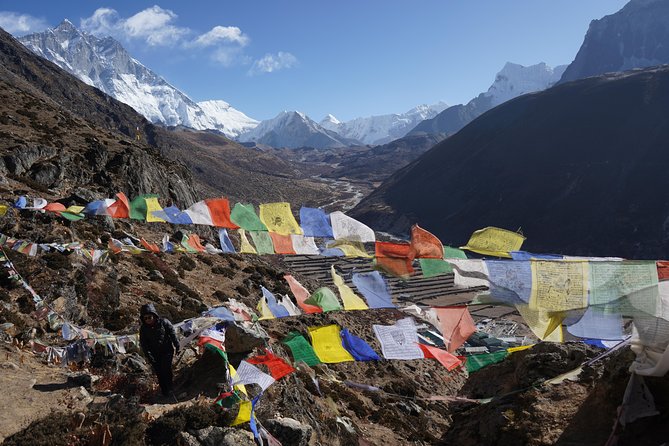
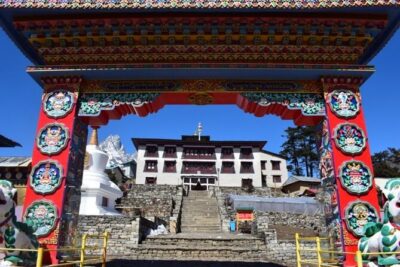
Later, you reach Tengboche monastery, with a chance to seek blessings from a monk as part of the experience. This is one of the moments that makes Everest Base Camp feel more than just a physical challenge.
A monastery stop works because it interrupts the monotony of trekking days. It gives you a pause to warm up, reflect, and reset. It also reminds you that this area is lived-in, not staged. People come here for faith, community, and continuity, even while mountaineering remains part of local identity.
You will also see how the landscape shapes daily life. The higher you go, the more every detail matters: wind, temperature, visibility. When the day ends, you want to have used your energy well, not wasted it. A planned cultural stop helps you do that.
Everest Base Camp and Kalapatthar, The Two Views You Will Talk About
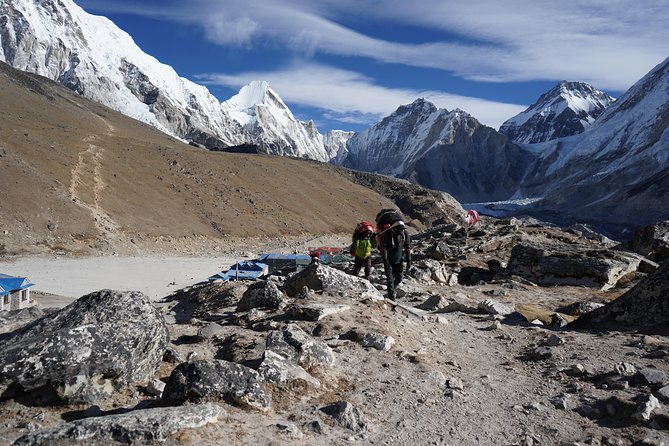
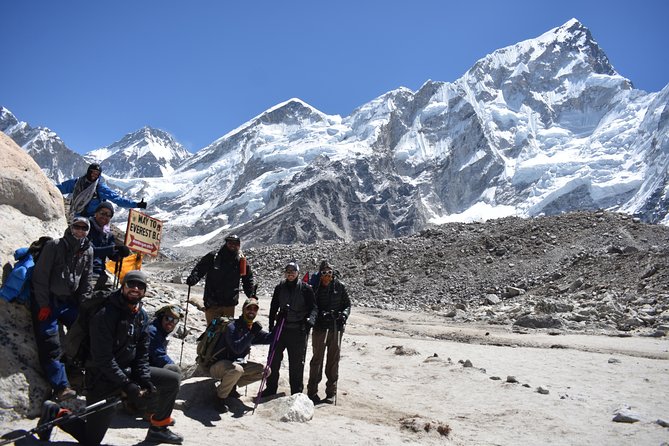
Then comes the moment most people plan the whole trip for: setting foot at Everest Base Camp. Your accredited guide meets you at the meeting point and stays with you throughout, helping you connect the natural and cultural values of what you are seeing.
Base Camp itself is exciting, but it can also be emotionally strange. It feels like the center of the story and yet it is also just a place where preparation happens. If you approach it with curiosity instead of expectation of perfection, you will enjoy it more.
Next is Kalapatthar, described as a famous viewpoint for close views of Everest. This is the part you should treat like a viewing day, not a photo marathon. Wind and visibility can change fast at elevation, so your best strategy is flexible patience. When the light lines up, it is worth it.
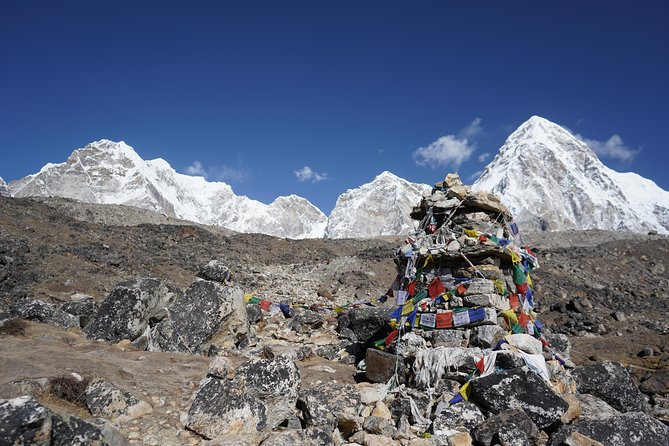
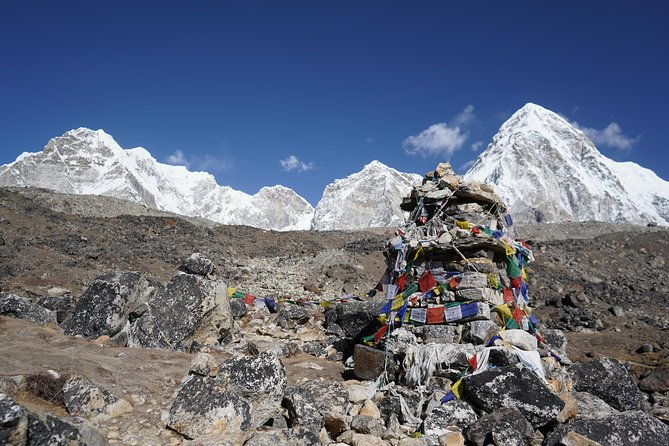
You also get a chance to see the memorial hill of deceased climbers. This stop adds a sobering layer. It is good for perspective, and it helps you remember that this trek is not just a personal goal. It is connected to a bigger human story.
Khumbu Glacier, plus the Small Stuff That Makes the Trek Feel Real
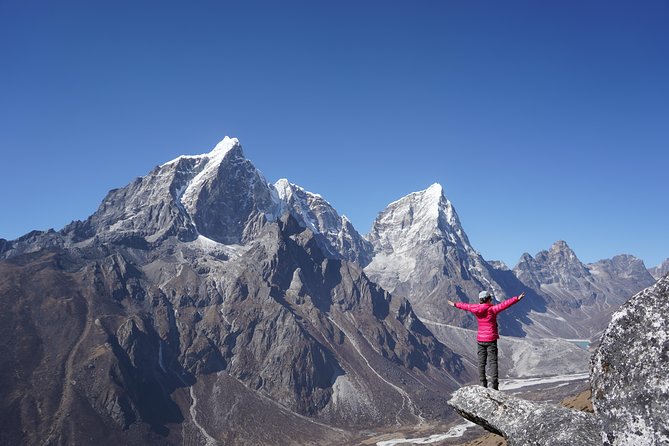
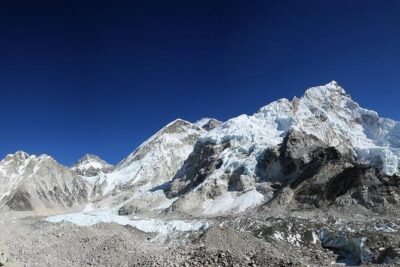
Another highlight in the provided route is a chance to see the Khumbu glacier. Glacier views can be breathtaking, but they are also educational in a simple way. They show the scale of what you are walking near and why conditions here are so demanding.
The trek also includes another kind of highlight that is easy to overlook until you do it: the thrilling Lukla flights. This is not just a transport detail. The takeoff and landing experience is part of the Everest ticket. Since flights are included, you are not left hunting options when weather or schedules get weird.
If you are sensitive to motion or nervous about small aircraft, it helps to plan your mindset. Keep your focus on what you can control, like timing, hydration, and staying calm.
Tea House Days: What You’re Actually Getting, and What You’re Not
You get 11 nights basic accommodation at Tea house during trekking, plus breakfast, lunch, and dinner during trekking. That is a big deal for value and sanity. You will not need to negotiate meals or worry about where the next meal comes from each day.
What you should expect: tea houses are basic by design. Rooms can be simple, and warmth can be limited. The tour also specifically does not include hot shower, hot water, battery charge, or WiFi during trekking. That means you should pack for comfort in layers, not for convenience.
In Kathmandu itself, the trek does not include accommodation. And meals in Kathmandu (breakfast, lunch, and dinner) are not included either. So if your schedule requires extra nights or downtime, budget for Kathmandu life separately.
Packing Smarter: Gear You Can Request, and Gear You Must Bring
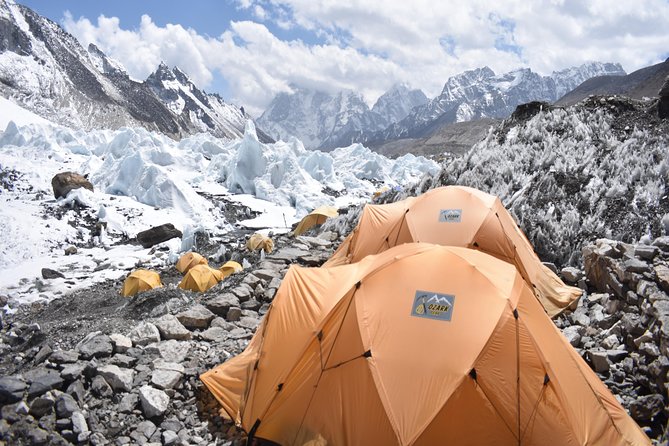
One of the practical inclusions here is that sleeping bag, duffel bags, and Down jacket will be provided upon request during trekking. If you hate hauling heavy gear from home, this can help you pack lighter and save money on rentals.
That said, the tour does not list personal trek equipment as included. So you still need to bring the basics you rely on, like trekking boots, layers you trust, and items for daily use. A porter can help with weight, but your comfort depends on what you carry.
Also, bring a flexible attitude. If you are trekking in cooler shoulder-season temps, you will feel the difference between packing for the brochure and packing for wind, cold, and wet trails.
The Porter and Guide Setup, Why It Matters More Than People Think
The tour includes a trekking guide plus a porter, with a ratio of 2 trekkers to 1 porter. That is a comfortable setup if you want help carrying the load without feeling like you are being carried.
It also helps with consistency. Your guide is described as accompanying you throughout the trip, so you are not bouncing between random people for different stages. There is also mention of insurance, and the support structure includes guide and porter food, salary, and accommodation.
When you are walking for many days, the biggest threat is not boredom. It is fatigue. A porter system reduces the chance you burn out too early, and an English-speaking guide helps you manage pacing, altitude concerns, and route changes.
If you end up with a guide named Ram Dhakal, the general takeaway from prior client experiences is that he is careful and looks after people. If you are traveling solo, the name Dillip also comes up in client notes as attentive, with communication handled by a manager named Nadin.
I would not treat those names as guaranteed, but they do signal the kind of service style the operator aims for: supportive guiding and clear communication.
Permits, Insurance, and the Practical Safety Stuff You Should Read
The tour includes National Park fees, VDC, TIMS fees, and other applicable taxes, plus insurance. For a trek like this, permits are not optional paperwork you forget. They are part of being allowed on the route.
Insurance matters too, but do not confuse included insurance with all possible outcomes. The tour data also says emergency evacuation expenses are not included, and personal insurance like medical, accidental, and rescue (helicopter) is not included either. In plain terms: plan on your own insurance being part of your preparation, even if the tour adds some coverage.
Also note: you should have strong physical fitness. Everest Base Camp is not a casual hike. You can be an experienced walker and still struggle if you do not pace well, sleep poorly, or push too hard early.
Value Check: Is $1,350 a Good Deal for Everest Base Camp?
At $1,350 per person, the real question is what you avoid by paying that amount up front. This price covers core logistics such as tea house lodging for 11 nights, all trekking meals, guide and porter staffing, insurance, and airfare between Kathmandu (Ramechhap) and Lukla and back.
It also covers what many independent travelers underestimate: permits and fees. When you add flights, guides, porter support, and paperwork, the total often climbs quickly, and you lose time coordinating it all.
Where the value can disappoint people is where comfort expectations do not match reality. This trek does not include hot showers, hot water, battery charging, or WiFi, and it does not include Kathmandu accommodation or Kathmandu meals. If you want a polished hotel-style experience, you will feel that gap.
But if you want the authentic Everest Base Camp experience with logistics handled, this package looks like solid value.
Who This Everest Base Camp Trek Best Suits
This tour makes the most sense if you want:
- A guided trek with an English-speaking guide and real porter support
- A plan that includes meals, tea house lodging, and domestic flights
- Fewer moving parts, so you can focus on trekking and adjusting to altitude
It may be a poor fit if:
- You require hot shower comforts or reliable WiFi
- You are not ready for tea house basics
- You do not have strong physical fitness
The group size cap is 15 travelers, which usually means you get companionship without feeling swallowed by a huge crowd.
If you are a solo traveler, the included structure can also be a plus. A well-run guided EBC trek helps you stay organized and keeps communication clear.
Should You Book This Everest Base Camp Trek?
I would book this style of Everest Base Camp trek if you want your time in the Himalaya to be spent on walking, views, and cultural moments, not on planning permits, flights, and meal logistics. The included permits, tea house lodging, trekking meals, and flights remove the biggest decision stress. The porter ratio and guided pacing support also help you stay in control of fatigue.
I would pause and plan carefully if you expect hotel comforts or if you think emergency evacuation might be enoughly covered just because insurance is included. It is smart to line up your own travel medical coverage too, since evacuation and rescue costs are explicitly not included.
If your goal is Everest Base Camp done the practical way, with expert logistics and cultural context, this trek is a very reasonable choice.
FAQ
Where does the tour start and finish in Kathmandu?
The tour starts at Thamel, Kathmandu 44600, Nepal and ends back at the same meeting point.
What time does the tour start?
The start time is 6:15 am.
Are flights included, and which route do they cover?
Yes. Airfare is included for Kathmandu (Ramechhap) to Lukla and Lukla to Kathmandu (Ramechhap).
How many nights of accommodation are included during the trek?
The tour includes 11 nights of basic tea house accommodation during trekking.
What meals are included on the trek?
The tour includes breakfast, lunch, and dinner during trekking. Meals in Kathmandu are not included.
Do you get a guide and porter?
Yes. You get a Govt. licensed English-speaking trekking guide and porter. The stated ratio is 2 trekkers to 1 porter.
Are trekking permits and park fees included?
Yes. The tour includes National Park fees, VDC, TIMS fees, and other applicable taxes.
Is there a vegetarian option?
Yes, a vegetarian option is available. You need to advise at the time of booking if you want it.
Does the tour provide trekking gear?
On request, the tour provides a sleeping bag, duffel bags, and a down jacket during trekking. Personal trek equipment is not listed as included.
What is the cancellation policy for a full refund?
You can cancel for a full refund up to 24 hours in advance of the experience’s start time. If you cancel less than 24 hours before, the amount paid is not refunded.
More Hiking & Trekking Tours in Kathmandu
More Tour Reviews in Kathmandu
Not for you? Here's more nearby things to do in Kathmandu we have reviewed


Everest Base Camp Treks from Kathmandu, compared.
 ★ 5.0Everest Base Camp Trek – 14 DaysFrom $1,8001,499 reviews
 ★ 5.0Everest Base Camp TrekkingFrom $1,350485 reviews
 ★ 5.0Everest Base Camp Trekking – 13 DayFrom $1,399365 reviews
★ 5.0Everest Base Camp Trek -14 DaysFrom $1,420321 reviews
★ 5.0Everest Base Camp Trekking – 13 DayFrom $1,399365 reviews
★ 5.0Everest Base Camp Trek -14 DaysFrom $1,420321 reviews
 ★ 5.0Everest Base Camp Trekking – 2025/2026From $1,339199 reviews
 ★ 5.0Everest Base Camp TrekFrom $1,408193 reviews
14-Days Private Everest Base Camp TrekFrom $1,600152 reviews
★ 5.0Everest Base Camp TrekFrom $1,300123 reviews
★ 5.0Everest Base Camp TrekFrom $1,408193 reviews
14-Days Private Everest Base Camp TrekFrom $1,600152 reviews
★ 5.0Everest Base Camp TrekFrom $1,300123 reviews
Browse the lists this tour appears in