
REVIEW · EVEREST BASE CAMP TREKS FROM KATHMANDU
Everest Base Camp Trekking – 2025/2026
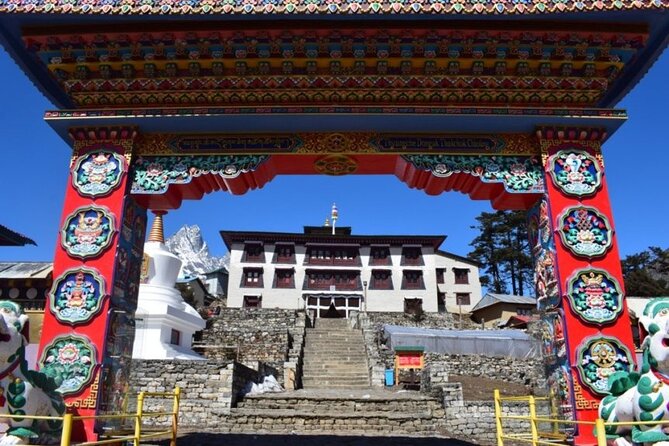
Everest Base Camp feels close, not chaotic. This 14-day private trek from Kathmandu blends Sherpa village life, Buddhist monasteries, and that face-to-face Everest moment, with a guide helping you keep the right pace at altitude. Domestic flights to Lukla are included, which removes one of the biggest headaches for most first-timers.
Two things I really like: first, the trekking setup is designed for safety and sanity. You’re not left to guess routes or timing, and you get the benefit of an experienced, English-speaking local guide (I’ve heard first-rate support through names like Dil, Sujal, Hairy, and Krishna). Second, the trip includes the stuff that usually adds up fast: accommodation, most meals, and permits, plus water purification tablets for safer drinking on the trail.
One consideration: this is still an altitude trek, and the Lukla flights can be weather-dependent. You’ll want solid moderate fitness, realistic expectations about basic mountain lodges, and a willingness to adapt if conditions change.
Key highlights you should know
- Lukla flights included from Kathmandu/Manthali, both ways, so the trek logistics are simpler
- TIMS card and Everest-area national park fees included, handled for you
- Private guided support with porter help, including porter weight limits (no overloading)
- Water purification tablets included for safer drinking in the mountains
- Lodge rhythm every day (wake tea around 6 am, breakfast around 7, lunch around 12 to 1)
- Moderate, non-technical trek (no crampons or ropes required)
What makes this Everest Base Camp trek feel practical
Everest Base Camp is famous for big views, but the real test is how smoothly you can manage the days. This trek is built around a private, guided approach where pacing matters. If you’ve ever tried to keep up with a group while your body is fighting altitude, you’ll appreciate the way this format supports your tempo.
I also like that it is not presented as technical climbing. You’ll be walking through rugged Himalayan terrain, crossing Sherpa settlements and passing Buddhist monasteries, but you’re not expected to use specialized gear like ropes or crampons for the standard route.
Finally, the trail is long enough that the small things matter: regular lodge breaks, clear daily structure, and a guide who can help you make smart decisions about food, hydration, and when to slow down.
You can also read our reviews of more hiking tours in Kathmandu
Kathmandu prep: pickup, hotel nights, and getting organized
You start in Kathmandu with an airport welcome representative and a transfer to your hotel. Pickup is offered, and that matters because after travel, you want less admin and more sleep.
In Kathmandu, the trek program sets you up with:
- Private transportation and an air-conditioned vehicle
- A full-board meal plan during the trek (but you handle your Kathmandu meals before and after)
- Permits and TIMS processing for the Everest region
- An experienced guide who covers meals and flight coordination
If you want higher-end hotel comfort in Kathmandu (4 to 5 stars), the program says that is available on request with an extra cost basis. That is a useful option if you’re aiming to arrive rested and leave feeling human.
Lukla to Phakding: the first altitude step at 2,652 m
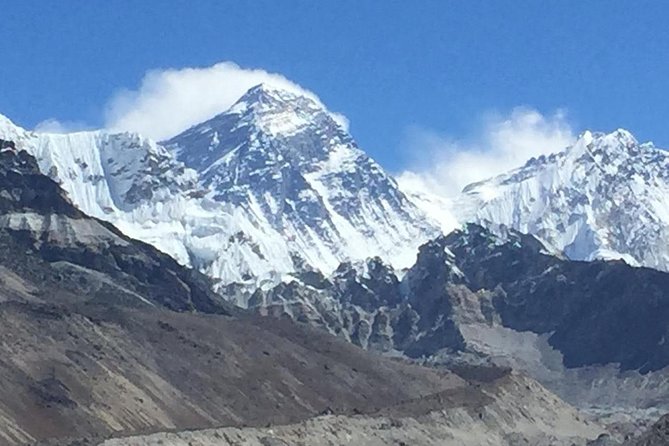
Your trekking rhythm kicks off after the domestic flight to Lukla. Then you walk to Phakding at 2,652 m. This first day is often about getting your legs moving and your breathing dialed in, not about pushing speed.
Expect a manageable start:
- Flight to Lukla in the morning
- A trek to Phakding that sets the tone for the rest of the route
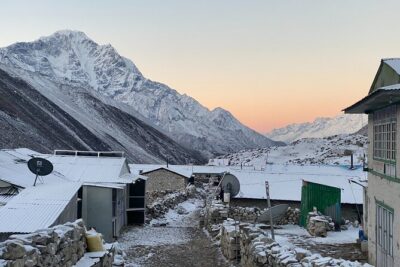
Why this stop matters: it eases you into the Everest region without going straight to the highest points. You also get your first look at how Sherpa communities and tea houses work in daily life, not just as tourist waypoints.
A drawback to keep in mind: Lukla flights are a major part of the experience. If weather affects flight schedules, you’ll need flexibility.
Namche Bazaar: where acclimatization meets real Sherpa life
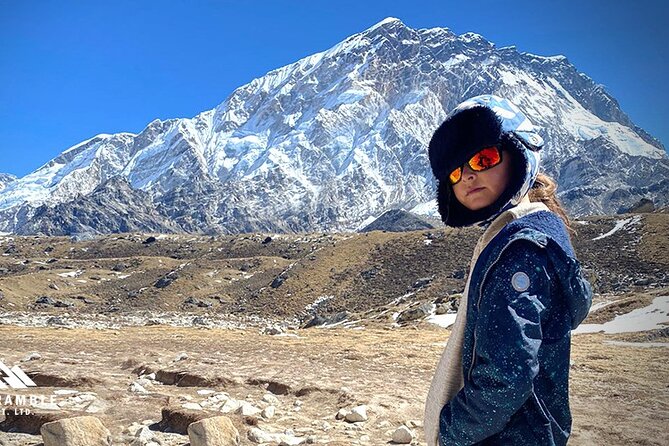
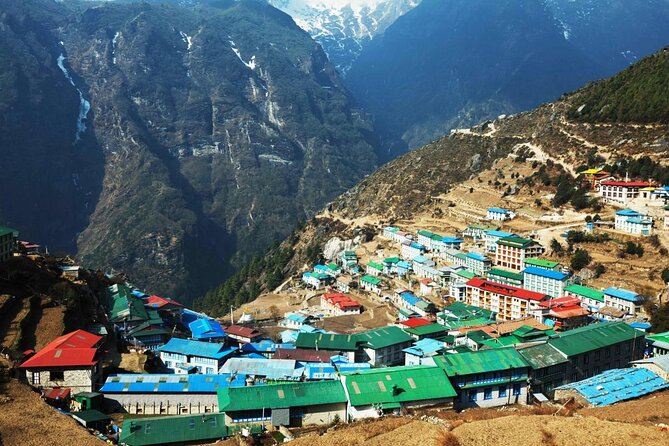
Day 3 takes you from Phakding to Namche Bazaar (11,283 ft), with about 10 to 12 km of walking and roughly 5 hours on the trail. This is one of the most important days because Namche Bazaar is not just scenery. It is a working hub for Sherpa culture, trekking logistics, and mountain commerce.
From here, you get that layered feel of Everest trips:
- village life that has its own pace and rhythm
- Buddhist cultural sites you pass along the way
- the growing sense that you are getting closer to something enormous
Then you continue onward to Pangboche (through the later stop sequence), which means Namche is your acclimatization anchor. You’ll also likely notice how the day structure helps: wake up tea around 6 am, breakfast around 7, then walking in chunks with short breaks before lunch around 12 to 1.
Namche to Pangboche: monasteries, views, and steady effort
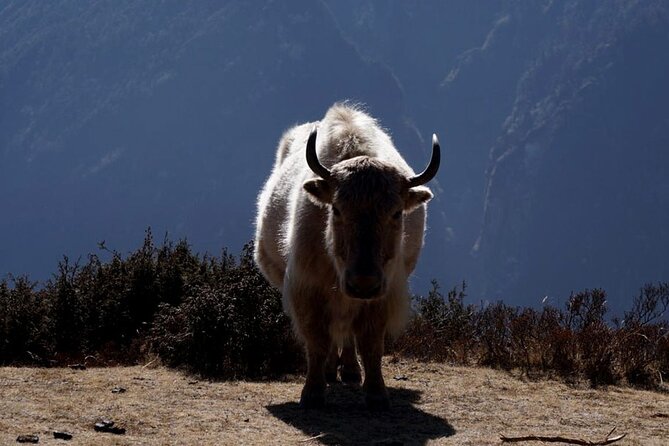
The next segment goes from Namche toward Pangboche, with a trek time around 5 hours. On this stretch, you are moving deeper into the Everest cultural landscape. You’ll pass through Sherpa villages and Buddhist monasteries, and the walking becomes more about consistent effort than speed.
This stop is special because Pangboche sits in a zone where the mountain presence starts to feel closer. You also start building confidence in the lodge-and-trail routine: eat well, hydrate, rest when it’s time, and keep moving steadily.
One small consideration: as you climb, cold mornings and changing weather can make “easy” days feel harder. Your guide’s pacing helps you avoid the common mistake of going too fast early.
Pangboche to Lobuche: the trail turns more rugged
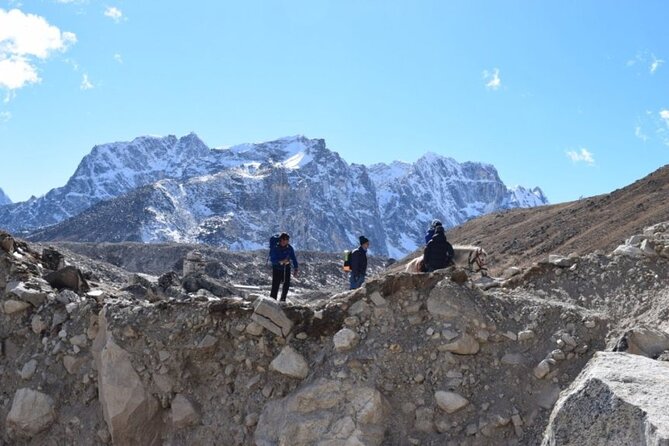
From Pangboche you continue to Labuche (Lobuche), with an about 5-hour trek. This is where Everest Base Camp begins to feel real in a physical way. The ground can be rougher, and your body will want you to slow down even if your mind is excited.
What you gain here is momentum and clarity. Each day you’re not just walking, you’re shaping your acclimatization and building a rhythm that can handle cold nights.
Potential drawback: rugged terrain means good footing matters. Wear the boots you’ve actually walked in, not new ones with “hope and optimism.”
Lobuche to Gorakshep, then Base Camp: the hard-earned payoff
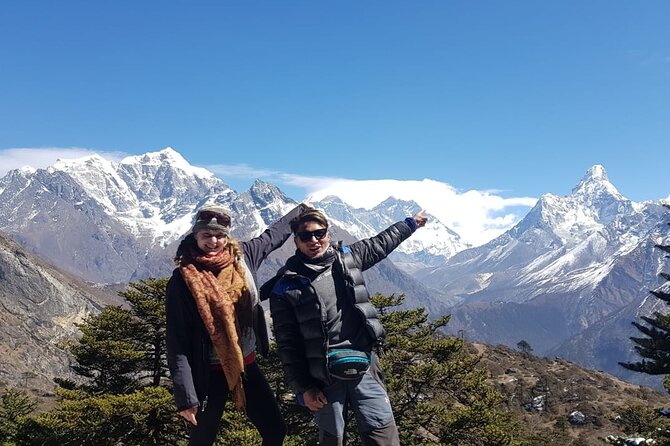
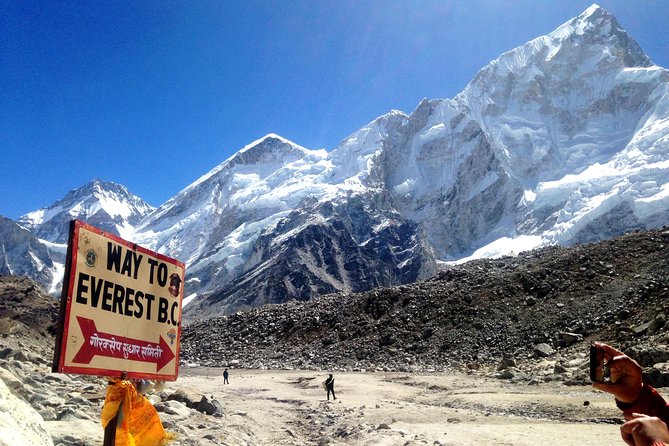
Day 6 is the big push. You trek from Labuche to Gorakshep, then onward toward base camp. The walking time given is about 5 hours for that day segment.
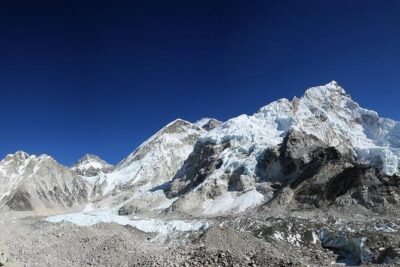
This is the part you came for. After days of villages and steepening trails, you reach the area where the mountains go from impressive to unforgettable. You also get the best sense of why Everest Base Camp is so loved: it feels like a place of arrival, not just a view deck.
A practical note: the cold can be intense in the high-altitude zone, and the lodge conditions are basic. The program says you will have warm blankets, pillows, and comfortable mattresses, but you should not expect the same standards as Kathmandu.
The return: Gorakshep back through Pangboche to Namche
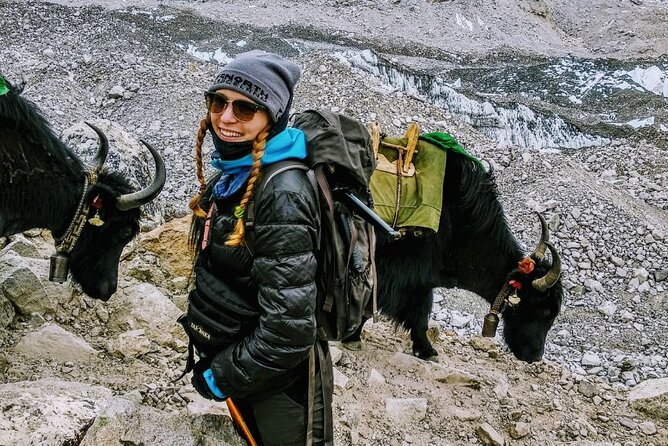
You then go from Pangboche back to Namche, about a 4-hour trek, and then later work your way back to Lukla. The return is not just “going down.” It is where you catch your breath, reflect on the experience, and realize your body is still adapting.
Why the return days matter:
- your breathing and energy often improve as altitude changes
- you get a second look at the trail, but with calmer legs
- lodge meals taste better when you know what comes next
Also, the program’s daily schedule stays consistent. After dinner, the guide does a briefing about the next day. That keeps the mental side of the trip organized, especially if the weather shifts.
Lukla back to Kathmandu: wrap up without stress
After trekking from Namche back to Lukla (about 5 hours), you fly back to Kathmandu. The flight time is listed as about 35 minutes, and you transfer to your hotel.
This is the finish line where you’ll feel the difference between “I did it” and “I’m home.” The domestic flight is a relief after two weeks of walking, and it also reduces travel time compared with land routes.
Price and logistics: what $1,339.20 buys you
At $1,339.20 per person for roughly 14 days, the value depends on what you compare it to.
Here’s what you get that usually costs extra on DIY treks:
- Domestic flights to and from Lukla
- Lodge accommodation during the trek
- Meals on a full-board basis during the trek (breakfast, lunch, dinner)
- Everest national park fees and TIMS card
- Water purification tablets
- A private setup with an experienced English-speaking local guide
- Porter support (with weight limits and a porter-to-trekker plan)
What you do not get (so budget separately):
- Nepal visa fee and any Nepal entry visa costs noted as not included
- International flights
- Travel insurance
- Extra Kathmandu meals and accommodation before and after
- Drinks, snacks, Wi-Fi, hot shower costs, and alcohol
To judge value fairly, I’d treat the trek price as “all the mountain moving parts are handled.” If you’ve ever priced tickets, permits, and guides in Nepal separately, you know why that matters. The biggest real-world risk is not the price, it is altitude and weather. A packaged plan helps you handle those uncertainties.
Guides, porters, and how you actually stay on track
This trek is private guided, and that is more than a marketing label. It changes how your day unfolds, because you’re not stuck with someone else’s pace.
The program describes an experienced, government-licensed, English-speaking local guide. It also highlights guide and porter experience from the mountains area, plus a strong focus on respect for porters, including not overloading them (with a stated luggage weight limit around 18 kg).
From the names that have come up through the program’s guide network, you can expect a mix of strengths:
- Communication and planning support from Dil
- Guiding help from people like Sujal and Hairy
- Knowledge and comfort from guides like Krishna
- Sherpa support highlighted through Manish
Now, one important truth for you as a trekker: no guide can erase altitude. What a good guide does is reduce mistakes, keep you hydrated, and help you listen to your body.
Lodges and room comfort: what to expect each night
During the trek, you stay in basic trekking lodges. Rooms are twin-sharing by default, and you can get a single supplement if you’re traveling solo.
The program notes:
- warm blankets, pillows, and comfortable mattresses
- some places may require bathroom sharing at high altitude because attached bathrooms are not always available
So plan for mountain reality. You can sleep, you can eat, and you can rest, but you should not expect a spa. If you need a shower, understand that hot shower access costs are not included.
Food in the mountains: menu choices and smarter eating
Meals during the trek are included as breakfast, lunch, and dinner on a full-board basis. You eat at tea houses along the route, and there is a daily menu. The program also says you order dinner before 5 pm, and you can expect the lunch to be taken from the menu at a stop along the way.
Typical menu options described include:
- Dal bhat and vegetable plates
- soups like garlic soup, potato soup, and onion soup
- noodles and rice dishes
- eggs and potatoes
- apple pie and other bakery items
- tea and coffee variations like black tea, lemon tea, ginger tea, and milk coffee
Non-veg options may be available in some places, but the program discourages meat in the Everest region for hygiene reasons. I agree with that logic. In high altitude, you want food that’s simple, reliable, and easier on your stomach.
Water safety: purification tablets are included
Water is available along the trek, and the program includes purification tablets to make drinking safer. You’ll also likely see bottled water for purchase, but tablets keep costs down and help you stay independent between lodges.
A practical tip from what’s stated: cold water may not feel good at altitude. Use a proper bottle for hot water when possible, and keep a refill routine that works for your pace.
Packing for real weather, not imagination
This trek is not technical, but it is cold. Your packing list should focus on warmth, sun protection, and comfort for long walks.
The program suggests items like:
- sun hat, warm hat, scarf
- sunscreen with SPF 40+
- sunglasses
- headlight
- lightweight gloves plus warmer gloves
- down or fiber-filled jacket (and the program says warm down jackets are provided in rental if you need them)
- fleece jacket and sweaters
- poncho and rain jacket
- hiking boots and extra socks
- a day backpack over 30 L
- thermal bottle, pack cover, and water bottle
- thick sleeping bag (the program says sleeping bags are provided in rental if you do not have one)
They also list high-altitude medical items, including Diamox (acetazolamide), plus basics like paracetamol and anti-diarrhea support. If you plan to use altitude medication, talk with a medical professional before you leave home.
Best season for Everest Base Camp views
The program points to the dry season in autumn (mid-September to May) and the pre-monsoon spring (March to May). These months are described as giving crystal clear mountain views and cold nights, with temperatures dropping below freezing at night.
For you, the key is not just dates. It is consistency. Dry-season trekking usually means better visibility and fewer weather cancellations, even though Lukla flights can still be affected by conditions.
Who this trek is made for
This is best suited to moderately fit travelers who can handle 3 to 5 hours of hiking each day and who are comfortable with high altitude. The program says it is non-technical, with no climbing skills required.
It is also positioned as doable for a range of ages and body types, as long as you build some pre-trek fitness. That means stair climbing, jogging, cycling, swimming, or gym work can help. The goal is stamina, not speed.
If you hate cold mornings, if you get sick easily, or if you are looking for luxury lodge living, this trek may feel too basic. But if you want authentic mountain travel, guided safety, and a realistic schedule, it matches well.
Should you book this Everest Base Camp trek for 2025/2026?
Book it if you want a guided, private trek where the important logistics are handled: Lukla flights, permits, lodge stays, and full-board meals during the trek. The biggest win is reduced stress. You spend more energy on walking, acclimatizing, and enjoying Sherpa culture, and less energy on planning.
I’d be cautious if you have fragile health around altitude, very low tolerance for cold, or no flexibility for weather delays. Also, read your personal budget carefully because visa costs, international flights, insurance, and extras in Kathmandu are not included.
If you match the moderate fitness profile and you’re ready for mountain-lodge reality, this is one of the more straightforward ways to do Everest Base Camp in 2025/2026.
FAQ
What time does the trek start?
The start time listed is 7:15 am.
Are domestic flights to and from Lukla included?
Yes. Domestic flights from Kathmandu/Manthali to Lukla and return are included.
What meals are included during the trek?
Meals are included on a full-board basis during the trek, covering breakfast, lunch, and dinner.
Do I need a guide, and is it private?
Yes, this is a private guided trek. Only your group participates.
What kind of accommodation should I expect during the trek?
You stay in basic trekking lodges during the trek, with twin-sharing rooms. Single travelers can request a single supplement. Attached bathrooms may not be available everywhere at higher altitudes.
What permits and fees are included?
The Everest national park fees and the TIMS card are included.
How does cancellation work if the weather is poor?
The experience requires good weather. If it is canceled due to poor weather, you will be offered a different date or a full refund.
More Hiking & Trekking Tours in Kathmandu
More Tour Reviews in Kathmandu
Not for you? Here's more nearby things to do in Kathmandu we have reviewed


Everest Base Camp Treks from Kathmandu, compared.
 ★ 5.0Everest Base Camp Trek – 14 DaysFrom $1,8001,499 reviews
 ★ 5.0Everest Base Camp TrekkingFrom $1,350485 reviews
 ★ 5.0Everest Base Camp Trekking – 13 DayFrom $1,399365 reviews
★ 5.0Everest Base Camp Trek -14 DaysFrom $1,420321 reviews
★ 5.0Everest Base Camp Trekking – 13 DayFrom $1,399365 reviews
★ 5.0Everest Base Camp Trek -14 DaysFrom $1,420321 reviews
 ★ 5.0Everest Base Camp TrekFrom $1,408193 reviews
14-Days Private Everest Base Camp TrekFrom $1,600152 reviews
★ 5.0Everest Base Camp TrekkingFrom $1,350146 reviews
★ 5.0Everest Base Camp TrekFrom $1,300123 reviews
★ 5.0Everest Base Camp TrekFrom $1,408193 reviews
14-Days Private Everest Base Camp TrekFrom $1,600152 reviews
★ 5.0Everest Base Camp TrekkingFrom $1,350146 reviews
★ 5.0Everest Base Camp TrekFrom $1,300123 reviews
Browse the lists this tour appears in