

REVIEW · EVEREST BASE CAMP TREKS FROM KATHMANDU
From Kathmandu: Guided Everest Base Camp Trek
Everest Base Camp has a way of making the world feel smaller. This guided trek from Kathmandu trades big-tour chaos for real Sherpa life, Buddhist stops, and those huge mountain views that make you stop talking. I like that the trip is well structured for acclimatization, with real rest time in the Everest region.
Two things I especially like about this experience are the support from a named guide and the chance to slow down where it matters. In the field, I found that guidance matters most on the steep, tiring stretches, and the team makes a point of helping you manage the days. A possible drawback is that you’ll need to plan for altitude and physical effort, because this is not a walk in the park, and it also relies on flight schedules if you choose Lukla transport.
Key Highlights Worth Your Attention

- Named guides who show up in real life, including Saran and Prayas, with English support
- Sherpa culture stops like Namche Bazaar and Tengboche Monastery for a more human Everest
- Acclimatization built in, with rest time in Namche and Dingboche to help you adjust
- Sagarmatha National Park time, where the trekking is part culture and part conservation
- Big photo moments at Kala Patthar and Everest Base Camp, close to the icefall scenery
- Solo-traveler friendly operations, with quick pre-trek messaging reported by solo guests
From Kathmandu to Lukla, Then Straight Into the Khumbu

Your journey starts in Kathmandu with hotel pickup and drop-off, then a domestic flight up to Lukla if you select that option. The flight matters because it shortens the approach and gets you into the trek’s rhythm fast. Once you land, the trail opens up quickly, and you’ll feel the region change from city noise to thin-air focus.
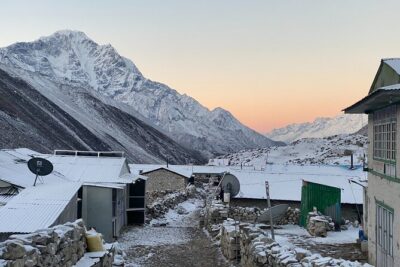
On day one, you trek from Lukla to Phakding (about 2,610 meters). Phakding is a gentle way to start, and it also gives you your first taste of local trekking infrastructure: teahouse-style lodging, simple meals, and a steady stream of hikers moving at their own pace. Even if you’re feeling good, don’t treat day one like a sprint. In the Everest region, pacing is part of success.
You can also read our reviews of more guided tours in Kathmandu
Namche Bazaar: Your Altitude Checkpoint With Culture
The next big step is heading to Namche Bazaar (around 3,440 meters). Namche is often where the trek becomes real for first-timers because you finally understand the scale of the mountains around you. You’ll also get something more practical than views: a place to slow down, reset, and organize yourself for the days ahead.
On day three, you stay in Namche as an acclimatization day (3,440 meters). This rest day is crucial because it gives your body a chance to adjust before higher elevations. You’ll likely use the time to walk around, check out local crafts, and soak in Sherpa life without rushing your breathing. If you want to travel smart here, you’ll keep your movements calm and save your big effort for later.
Tengboche Monastery: Buddhism, Breath, and Mountain Views

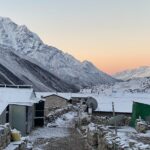
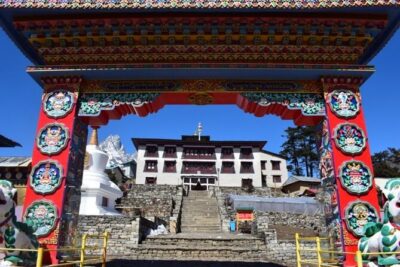
From Namche, the trek climbs toward Tengboche (about 3,800 meters). This is one of those days where the effort feels worth it as the views start to stack up behind you. Tengboche is famous for its monastery, and this trek includes time there along with the spiritual side of the region.
The highlight isn’t just the building. It’s the daily rhythm you witness at Tengboche Buddhist Monastery, plus the sense that this is a living place, not a museum stop. If you enjoy atmosphere and not only scenery, Tengboche is where the trip adds emotional texture.
Dingboche and the Rest Day That Helps You Finish

Next comes Dingboche (around 4,400 meters). This is higher country, and the air feels thinner, so you’ll likely notice your pace changing. The day is still scenic, but now you’re also building endurance for the next stretch.
You get another rest day in Dingboche on day six. This second acclimatization pause is a big part of why this route feels manageable. It reduces the odds that you’ll feel crushed by the climbs later, especially as you move toward Lobuche and the upper Khumbu zones. Think of rest days as training days without the workout.
The Push Toward Lobuche and Gorak Shep

After Dingboche, the climb continues to Lobuche (around 4,900 meters). This section tends to feel longer because your altitude starts making small climbs feel bigger. You’ll also cross the kind of rugged trail features that come with the Everest region, including suspension bridges and rocky stretches.
Then you move to Gorak Shep (around 5,150 meters), which is described as the last settlement before going higher. Staying here sets you up for the final push toward Everest Base Camp. In practical terms, Gorak Shep is where you stop thinking about the trek as “the route” and start thinking about “the outcome.”
You can also read our reviews of more hiking tours in Kathmandu
Everest Base Camp at 5,364 to 5,365 Meters

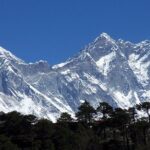
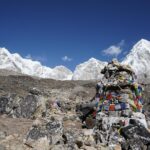
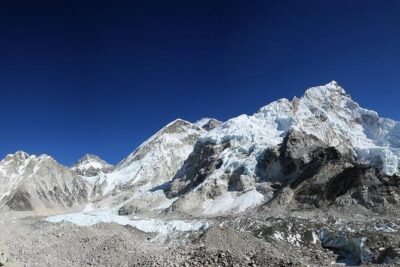
Reaching Everest Base Camp is the main event (about 5,364 to 5,365 meters). This is where you’ll feel that odd mix of relief and awe. You’re not just standing near big peaks. You’re in the zone where Khumbu glacial scenery dominates, and the icefall view is part of what makes this place unforgettable.
This part of the day can also be emotionally intense. The air is thin, your legs may feel heavy, and you might not have endless energy for wandering. That’s normal. The smarter move is to get your photos, take in the moment, and keep your breathing steady so you can enjoy the camp area without overexerting.
Kala Patthar Sunrise Timing and the Descent to Pheriche

After Everest Base Camp, the route continues to Kala Patthar (around 5,545 meters) and then down to Pheriche (about 4,200 meters). Kala Patthar is often the best payoff point because it gives close-up views of Everest and the surrounding peaks, especially around sunrise. It’s also one of the higher points in this trek, so you’ll want to dress for cold and move smoothly.
Then comes the descent to Pheriche. Descending is not always easy, but it’s usually easier than more uphill altitude gains. The value here is practical: after a high day, getting down helps your body recover and makes the final trekking stretch feel less punishing.
Namche and Lukla: Finishing the Trek Without Burning Out

On day ten, you trek back to Namche (around 3,440 meters). This return leg can feel both familiar and tiring, but it’s easier mentally now because you know you’ve already done the hardest elevation pushes. It’s also a good time to check your gear, hydrate, and keep your pace steady for the final days.
Then you head to Lukla (around 2,800 meters). From there, you fly back to Kathmandu on day twelve. The final descent days are where you appreciate having your guide with you, because the route is still physically demanding, and you’ll want someone who can help keep the plan on track.
Guides, Communication, and Why the Named People Matter

This experience is guided in English, and that sounds simple until you see how it affects your day. A strong guide does more than interpret instructions. In real situations, they help you manage pace, interpret how you’re feeling, and adjust small decisions without turning the day upside down.
The best proof is in the named guide stories: Saran is described as attentive and supportive, even helping with heavy loads when someone needed help. Prayas is also mentioned with helpful English support. On the planning side, Rajesh is highlighted for fast communication before the trek, including WhatsApp contact to organize needs before departure.
That kind of responsiveness matters if you’re solo, because you’re not guessing who to ask when something feels off. One solo traveler reported getting medical assistance and even an extra porter arrangement for the last day after falling ill. You should still take altitude seriously, but it’s reassuring to know the team responds quickly when health needs attention.
Lodging, Food, and the Reality of Teahouse Trekking
Accommodation is included during the trek, but the Everest region typically means teahouse-style lodging, simple rooms, and basic comforts. You should expect meals to be straightforward and energy-focused. If you choose the full board option, food and drinks are included during the trek, which can take pressure off your daily planning.
What I like about having meals handled is that it helps you stay consistent. At high elevation, consistency is your friend. The goal is to eat enough to keep your energy up without going overboard, and to keep hydration steady even when you feel less thirsty.
Sagarmatha National Park: More Than a Permit Stamp
Sagarmatha National Park permit is included. That may sound administrative, but it matters because it signals that your trek is happening in a protected area managed for both people and wildlife. You’re also moving through a region that supports Himalayan animals, including rare species like snow leopards, musk deer, and Himalayan tahr.
Even if you do not see wildlife directly, the permit is a reminder that this is a living ecosystem. It also tends to come with a more organized trekking framework on the ground, which can reduce confusion and help you keep your day on track.
Price and Value: What $408 Really Buys You
At $408 per person for a 12-day guided Everest Base Camp trek, the value comes from the mix of essentials being handled. You’re not only paying for a guide, you’re also getting park permit coverage, included accommodation during the trek, a trekking map, a first-aid kit, and the structured day-to-day movement that makes acclimatization work.
One more key point: domestic flights to Lukla are included only if you select that option. That matters for value because the flight piece is usually a major cost and time-saver. If flights are in your plan, you’re getting a more complete package.
If you’re comparing options, you should also weigh what the guide actually provides day to day: pace management on steep sections, English support, and help when you feel less well. For people trekking solo, that kind of human support can be the difference between pushing through and overreaching.
Who This Trek Fits Best
This tour fits you best if you want the classic Everest Base Camp experience with support, not a DIY route. It’s a good match for first-time trekkers who benefit from guided pacing, and for people who want cultural stops like Namche and Tengboche included as part of the journey.
It also works well if you’re traveling solo, based on how solo travelers described communication and on-the-ground help. Just be honest with yourself about fitness. This trek includes significant elevation gain and high-altitude walking, including days up near 5,500 meters at Kala Patthar.
The Small-Group Advantage
The group type is small group available, and that changes the feel of the trek. You can move at a pace that still respects altitude needs, and you’re more likely to get attention when questions come up about how you’re feeling. It’s also easier to manage logistics around tea house availability and timing for key viewpoint days.
In a trek this popular, small-group handling can mean less waiting, less confusion, and more time actually in the moments that matter, like the monastery visit and the sunrise approach to Kala Patthar.
Should You Book This Guided Everest Base Camp Trek?
I’d consider booking if you want a guided experience with English support, planned acclimatization days in Namche and Dingboche, and included items that help you show up ready (permit, map, first-aid kit, and trekking lodging). The named-guide stories, including Saran and Prayas, point to real care in day-to-day support, which is what you feel at altitude.
I would think twice if you’re very sensitive to cold and high elevation discomfort or if you know you struggle with long uphill stretches. This is a serious trek, and the success formula is smart pacing, solid rest days, and listening to your body.
If you want the classic Everest Base Camp story with cultural depth and practical guidance, this is a strong, grounded way to do it.
FAQ
How long is the Everest Base Camp trek from Kathmandu?
It’s 12 days total.
Where does this trek operate?
It takes place in the Koshi Zone, Nepal.
Is the tour guided, and what language is used?
Yes, it has a live tour guide, and the language is English.
What is the price for this experience?
The price is listed as $408 per person.
Does the package include flights from Kathmandu to Lukla?
Roundtrip domestic flights from Kathmandu to Lukla are included only if that option is selected.
What is included during the trek?
Included items are hotel pickup and drop-off, accommodation during the trek, the guide, accommodation and food for the guide, Sagarmatha National Park permit, trekking map, first-aid kit, and welcome and farewell coffee. Food and drinks are included if you choose the full board option.
What is not included in the price?
The Nepal visa fee and travel insurance are not included.
What’s the highest point on the trek?
Kala Patthar is listed at about 5,545 meters.
Is there cancellation flexibility?
Yes, free cancellation is offered up to 24 hours in advance for a full refund.
Is travel insurance required?
The trek listing states travel insurance is not included, but it does not specify whether it is required.
More Hiking & Trekking Tours in Kathmandu
More Guided Tours in Kathmandu
More Tour Reviews in Kathmandu
Not for you? Here's more nearby things to do in Kathmandu we have reviewed


Everest Base Camp Treks from Kathmandu, compared.
 ★ 5.0Everest Base Camp Trek – 14 DaysFrom $1,8001,499 reviews
 ★ 5.0Everest Base Camp TrekkingFrom $1,350485 reviews
 ★ 5.0Everest Base Camp Trekking – 13 DayFrom $1,399365 reviews
★ 5.0Everest Base Camp Trek -14 DaysFrom $1,420321 reviews
★ 5.0Everest Base Camp Trekking – 13 DayFrom $1,399365 reviews
★ 5.0Everest Base Camp Trek -14 DaysFrom $1,420321 reviews
 ★ 5.0Everest Base Camp Trekking – 2025/2026From $1,339199 reviews
 ★ 5.0Everest Base Camp TrekFrom $1,408193 reviews
14-Days Private Everest Base Camp TrekFrom $1,600152 reviews
★ 5.0Everest Base Camp TrekkingFrom $1,350146 reviews
★ 5.0Everest Base Camp TrekFrom $1,408193 reviews
14-Days Private Everest Base Camp TrekFrom $1,600152 reviews
★ 5.0Everest Base Camp TrekkingFrom $1,350146 reviews
Browse the lists this tour appears in