
REVIEW · ANNAPURNA TREKS FROM KATHMANDU
Annapurna Circuit with Tilicho Lake Trek
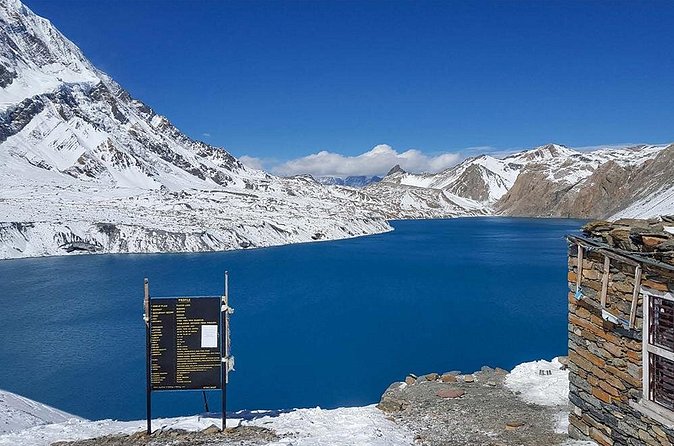
Tilicho Lake turns the circuit into a serious test.
I like this plan for its small group feel (max 8) and the simple promise of guiding so you can focus on breathing, footing, and the big views instead of navigation stress. You get a guide, and the itinerary is built around staying on track day to day.
I also like that your logistics are handled for you: the Jomsom-Pokhara flight plus ground transport, and the core trek costs covered like permits, meals, and teahouse stays. One smart detail you’ll benefit from is the advice to start early around Tilichol Lake, since winds tend to pick up later from the warm land and cold air mix.
The main thing to consider is the difficulty. This is a challenging, high-altitude trek, and while the schedule supports acclimatization, extreme snow can be a factor near big passes, plus travel medical insurance is not included.
Key things that make this trek work
- Small group of up to 8 with a certified guide, so the pace stays manageable
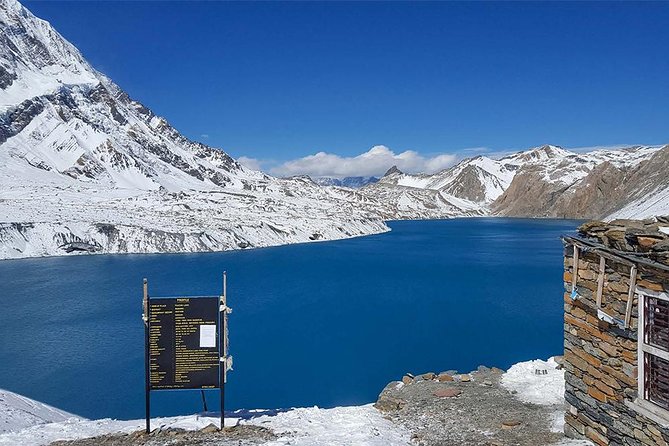
- Tilichol Lake detour with options on the trail, including an easier newer route
- Early-morning Tilicho strategy to reduce wind hassle later in the day
- Altitude support built in, including a rest day in Manang
- Guided safety plus permits (Annapurna Conservation Area Permit and TIMS) taken care of
- Logistics support like the Jomsom to Pokhara flight and private vehicle transfers
From Kathmandu to the trekking start, you save energy for the mountains
This trek starts with a long travel day, but it’s the kind that actually helps. You’re picked up and transferred by private vehicle from Kathmandu toward Besisahar, following the Kathmandu-Pokhara highway route past Dumre, then onto narrower road along the Marsayangdi River. By the time you reach Besisahar, the work of organizing your own transport is already done, and that matters when you’re about to hike for days.
A common mistake on big treks is wasting the first day in “getting ready” mode. Here, you move from city to trail quickly, which gives you a cleaner runway for the climbs that follow. Starting at 8:00 am keeps it structured, and the itinerary timing is clear from the start.
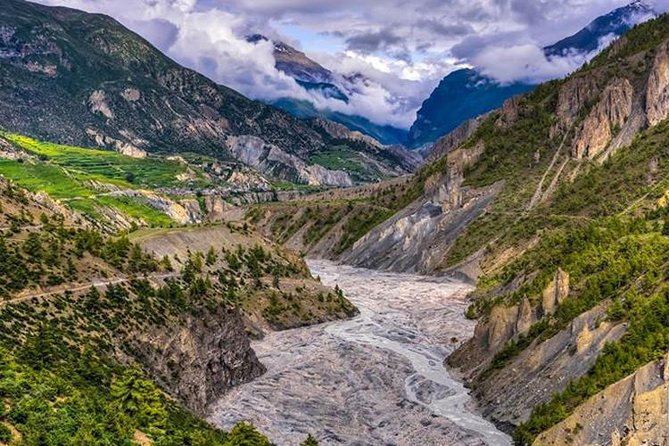
Then comes the first taste of the circuit: a trek that feels steep and narrow pretty fast. The early route goes through forest in a tight, steep valley and includes crossings on bridges at about 2,910 meters and 3,040 meters. Even if you’re used to hiking, this is a good reminder that the circuit is not a leisurely stroll. It’s also a preview of what you’ll keep feeling: you climb, you drop, you cross, and you keep your momentum.
You can also read our reviews of more hiking tours in Kathmandu
Chame, Pisang, and Manang: where acclimatization meets real scenery
Days through the mid part of the trek build your rhythm. After Besisahar, you head to Pisang, trekking through deep forest and narrow valley stretches while watching the mountains open up ahead. The route includes two bridge crossings at different elevations, so you’re not just walking, you’re constantly negotiating the terrain.
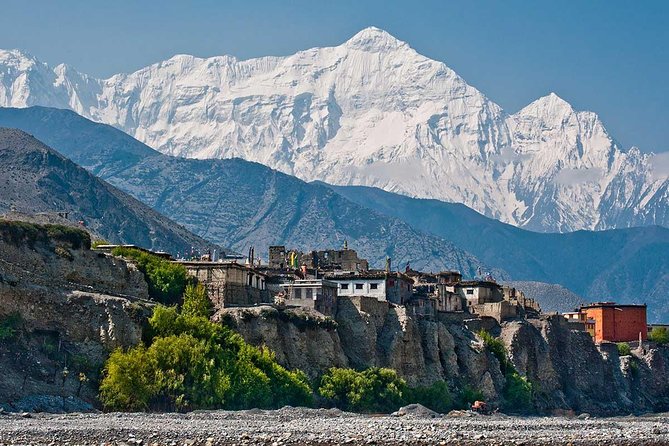
Next, the path leads you into Manang. One detail I like here is the way the day is described as a move onto a steep ridge with wide vistas over the Manang Valley and Tilicho Peak (7,134 meters). Then the descent continues toward Humde, where there’s an airstrip at about 3,280 meters. That airstrip detail is practical: you’re operating in a region with real altitude infrastructure, which often means better wayfinding and more settled villages, even if the trek still feels remote.
Manang is the part of the trip that supports your body. You get a true rest day to adjust to higher altitude, and Manang itself is described as a sizable village. This is where you can slow down, eat normally for the altitude, and take in local life without burning your legs. Even if you feel good, this day is still worth respecting. The circuit gives you demanding days later, and acclimatization works only if you let it.
Khangsar to Tilichol Lake: the detour that turns a trek into an adventure
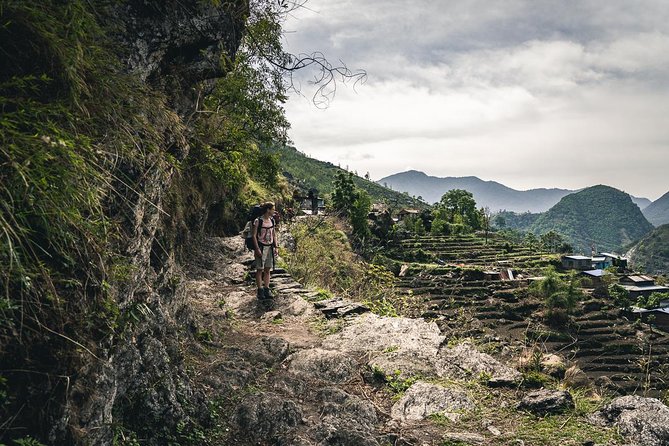
The Tilicho leg is where many people decide they didn’t just sign up for a “standard circuit.” You continue along the trail toward Khangsar, crossing Khangsar Khola by bridge and then ascending to Khangsar Village. The route is described as passing through an area with Tibetan-style village character, which gives the trek a cultural flavor without adding extra fuss to your day.
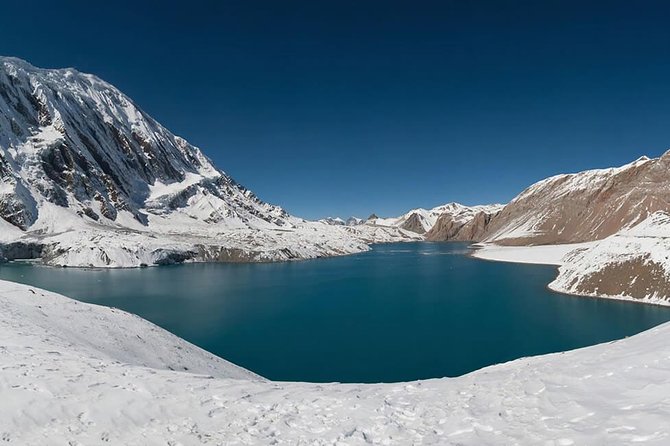
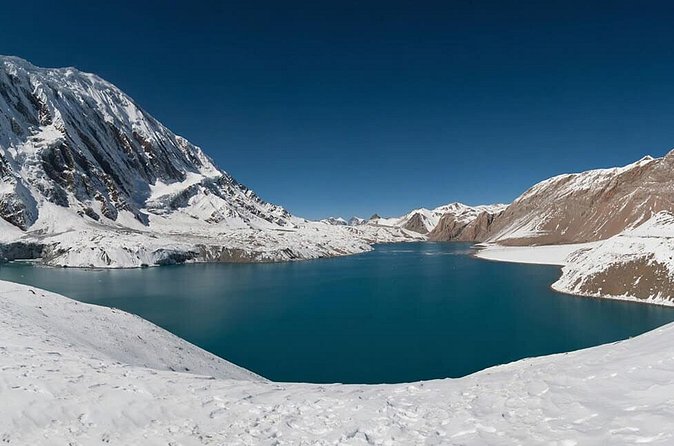
From there, you head toward Tilichol Lake. The itinerary notes you’ll find a gompa and follow a newly constructed trail up toward a high ridge. That matters more than it sounds. An easier trail option can help you conserve energy on a day that already carries altitude stress. You’re also told there are two routes: an old, more challenging option and a newer, easier alternative. If you’re traveling with a conservative mindset, choose the newer option when your legs and lungs are telling you to.
Then there’s the longer day toward Tilicho base and the lake area. The plan specifically recommends starting early to avoid the strong winds that tend to pick up later. The reason is simple: warm air from land and cold air from the mountains mix as the day goes on. That kind of practical advice can be the difference between a tolerable hike and a miserable one. It’s the sort of detail a good guide gives you, not a brochure promise.
If you’re someone who gets nervous about wind, this part is a reassurance. You’re not just hiking a destination, you’re hiking smarter timing too.
Toward Yak Kharka and the Thorong region: building stamina, one grind at a time
After the Tilicho area, you move toward the Annapurna Mountain Range section of the circuit, heading for Yak Kharka. The day is described as descending slowly from Tilicho base camp, then climbing about 500 meters. You’ll pass through places like Tengi, and the description calls out leaving behind the Marsayangdi Valley while you turn toward the Thorung region. That shift matters because it signals you’re transitioning from one “world” to another. You’ll feel it in the terrain and the way the day plays out.
The more you hike on the circuit, the more you learn to read the schedule. Some days feel like pure climbing. Others feel like a constant rhythm of descent and re-climb. This day falls into that second style, so it’s good training for the next push.
Then you reach Thorong Phedi and the Thorong La trail area. The day starts with breakfast and an ascent toward a ridge before a gradual descent toward the Kone River. You cross via a wooden bridge and continue on a narrow route. Narrow trail segments and bridges are where careful foot placement keeps you safer, and a guide helps you keep that focus when you’re tired.
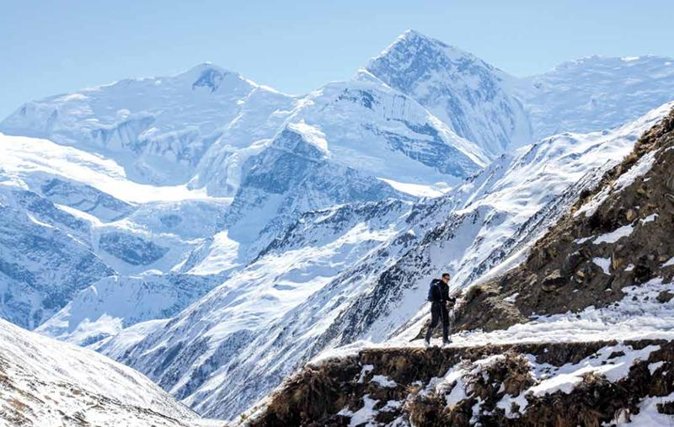
This is also the stage where weather can start to feel serious. The description doesn’t sugarcoat it: the next day toward Muktinath includes crossing the Thorang La Pass, with high altitude and the possibility of extreme snow. Even if you’ve trained, that is still the circuit flex point. You’ll want to listen to your guide about clothing and pace. The goal is not hero mode. It’s smooth, steady progress.
Muktinath to Jomsom: the Kali Gandaki corridor and the payoff of movement
Reaching Muktinath is a long day. The plan says you start early and trek through the pass toward Muktinath. The day’s description emphasizes altitude and potential snow conditions, which means you should plan to move carefully and accept that time can run slower when conditions aren’t friendly.
After that, the trek drops into a different kind of energy. To reach Jomsom, the itinerary notes you can follow routes along the Kali Gandaki River, including paths through Kagbeni or Lupra. Jomsom itself is described as a picturesque and chilly valley with plenty of amenities, and it serves as the hub you need before the flight.
This is where the trip shifts from pure walking to a blend of walking and transport. It’s not a “cheat.” It’s smart planning. After days on the trail, getting to Jomsom and then flying helps you land back in more comfortable routines, without stealing your final mountain day.
Jomsom to Pokhara by flight, then Kathmandu transfer: finishing strong
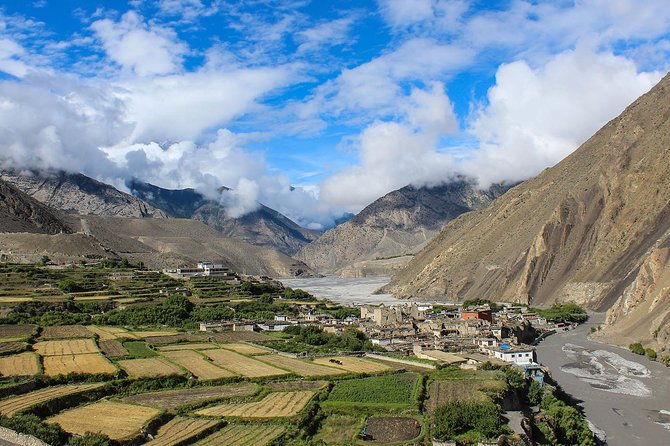
One of the most practical inclusions is the Jomsom-Pokhara flight. The itinerary encourages you to wake early and fly in the morning so you can enjoy views of snow-capped mountains. Morning flights in the Himalaya often mean clearer air, and you get a real perspective shift from what you see at trekking height.
In Pokhara, you’ll have organized escort onward (the plan notes you’re escorted to your accommodation). Then on the final day you take a tourist coach back to Kathmandu, with the drive taking roughly 7 hours. An overnight stay in Kathmandu is arranged in the agreed category with breakfast included.
This matters if you’re thinking about comfort and recovery. After high-altitude walking, a proper shower, a decent bed, and time to eat normally is part of what makes the whole trek feel complete, not just survived.
Value for your money: what $1,093.34 really covers
The listed price is $1,093.34 per person, and you’ll typically book about 44 days in advance. That timing isn’t random. Treks fill up, permits get handled around schedules, and transport like the Jomsom-Pokhara flight depends on planning.
So what are you getting for that cost?
Included items you’ll actually feel on the ground:
- Accommodation in teahouse or guesthouse during the trek
- Meals during the trek (the plan includes breakfast 13 times, lunch 11 times, and dinner 11 times)
- Trekking permits and fees, including the Annapurna Conservation Area Permit and TIMS
- A certified professional guide
- Porters with a ratio of 1 porter for 2 travelers, plus group-equipment support
- A first aid kit for the trek
- Jomsom-Pokhara flight
- Private airport pickup and drop-off and transport by private vehicle
- Nepal Social Treks gear like sleeping bag and duffel bag for use during the trip
Not included items that you should plan for:
- Drinks and alcohol
- Additional food and drinks beyond what’s listed in the meal plan
- Accommodation in Kathmandu
A good value check is simple. Ask yourself if you want to manage permits, meals, teahouses, a guide, and flight logistics on your own. If the answer is no, this package is set up to remove the messy middle.
One more value note: small group limits crowd pressure. With a maximum of 8 people, you’re more likely to get a pace that matches the terrain and the altitude rather than being swept into a fast train behind a larger group.
The guide and porter factor: professionalism and kindness you can trust
In the practical part of the trek, leadership matters. The feedback tied to this operator highlights professionalism, kindness, and excellent organization. One trek experience specifically credited an NC Sherpa guide and porter MisterD Sherpa for making the days feel supported.
You’ll feel that support in small ways:
- Clear day-by-day planning so you don’t waste energy guessing
- Assistance with trekking flow when conditions change
- Porter help so your personal gear is manageable
And because this trek includes altitude, that matters. On a tough route, the body benefits from consistency, and a good team keeps the plan working.
Who this Annapurna Circuit with Tilicho Lake detour is best for
This trek is built for active travelers who want a challenge and don’t mind being outside their comfort zone for a while. The itinerary fits people who can hike multiple hours a day, handle altitude, and take weather seriously around higher passes.
It’s especially good if you want:
- A guided route that reduces navigation stress
- A detour to a high-altitude highlight like Tilichol Lake
- Organized logistics, including the Jomsom-Pokhara flight
- A manageable group size (max 8)
If you’re fragile with altitude, or you’re looking for a walk-easy vacation, this is probably not your match. The plan itself calls out challenging conditions and possible extreme snow near the pass.
Should you book this trek with Nepal Social Treks and Expedition?
If you’re the type who wants the big Annapurna Circuit experience but also wants safety, planning, and fewer logistics chores, I’d say yes. The combination of permits handled, meals and teahouses covered, a certified guide, and the flight from Jomsom to Pokhara makes the trip feel coherent. And the Tilichol Lake detour gives you a reason to work hard beyond a basic loop.
If you do book, do it with clear expectations: pack for cold and altitude, take the rest day seriously, and start early on the Tilicho portion when winds tend to rise later. Also make sure you have travel medical insurance lined up on your side, since it isn’t included.
FAQ
How long is the trek?
The itinerary runs for 13 days approximately, starting in the Kathmandu area and ending with the return to Kathmandu after the Pokhara stage.
What is the group size?
This trek has a maximum of 8 travelers.
What is included in the price?
The package includes teahouse or guesthouse accommodation during the trek, meals (breakfast and lunch and dinner as listed), trekking permits (Annapurna Conservation Area Permit and TIMS), a certified professional guide, airport pickup and drop-off as mentioned, private vehicle transport, Jomsom-Pokhara flight, and a comprehensive first aid kit. It also includes porters (1 porter for 2 travelers) and trekking gear usage such as a sleeping bag and duffel bag.
Does the tour include the Jomsom to Pokhara flight?
Yes. The Jomsom-Pokhara flight is included.
Are trekking permits included?
Yes. The Annapurna Conservation Area Permit and TIMS are included.
Is international airfare included?
No. International flight tickets are not included.
Is travel and medical insurance included?
No. Travel and medical insurance is not included in the package.
More Hiking & Trekking Tours in Kathmandu
More Tour Reviews in Kathmandu
Not for you? Here's more nearby things to do in Kathmandu we have reviewed


Annapurna Treks from Kathmandu, compared.
 ★ 5.0Annapurna Circuit Trek with Tilicho LakeFrom $1,093368 reviews
 ★ 5.0Annapurna base camp trek 5 DaysFrom $699252 reviews
 ★ 5.0Annapurna Base Camp TrekFrom $935111 reviews
 ★ 5.0Kathmandu to Annapurna Base Camp (ABC) 5-Day TrekFrom $99102 reviews
 ★ 5.0Annapurna Circuit TrekFrom $1,17594 reviews
 ★ 5.04 Days Poon Hill TrekFrom $40594 reviews
 ★ 5.0Annapurna Base Camp Trek 12 DaysFrom $80085 reviews
Annapurna Base Camp TrekFrom $78581 reviews
★ 5.0Annapurna Base Camp Trek 12 DaysFrom $80085 reviews
Annapurna Base Camp TrekFrom $78581 reviews
Browse the lists this tour appears in