
REVIEW · ANNAPURNA TREKS FROM KATHMANDU
Annapurna Circuit Trek
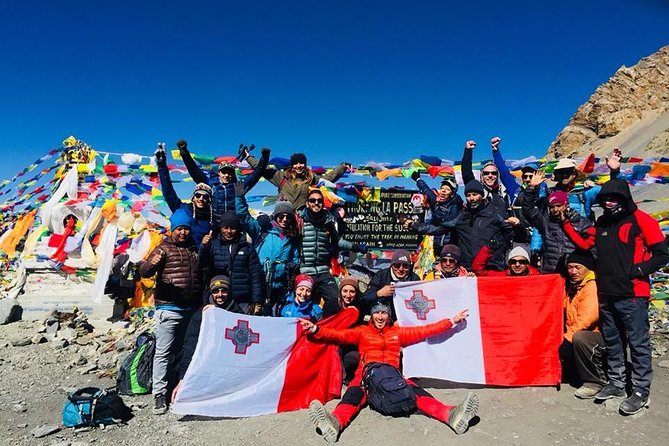
Thorong La turns the whole circuit into a test. This guided private Annapurna Circuit experience is built around less stress, clear logistics, and a pace you can adjust as altitude climbs. You still get the real payoff, world-class mountain views, the Manang Valley feel, and Tibetan-influenced culture as you move through the region.
I especially like two things. First, the trip includes permits and entrance fees, so you do not have to juggle paperwork while you are trying to plan a trek. Second, you get good hotel time in Kathmandu and Pokhara with breakfast, which matters because the trekking days are the easy part to romanticize and the hard part to recover from.
One thing to consider: quality can vary. One review flagged that staff and trekking guides need more training. So while the structure looks solid on paper, you should still ask how they handle pacing, altitude, and safety decisions before you start walking high.
Key highlights I’d plan around
- Private by design, group-friendly pace: it is a private trek, only your group participates, but you still travel with a guide.
- Permits, entrance fees, and taxes handled: fewer admin headaches means more time to focus on trail and rest.
- Full-board meals while trekking: breakfast, lunch, and dinner are included during the trekking days.
- Manang as a real acclimatization moment: a rest day with optional short hikes helps you settle at altitude.
- Thorong La Pass support: you get a guide for the hardest day, when decisions about timing matter most.
- Hotel comfort at both ends: 2 nights in Pokhara and 2 nights in Kathmandu, not just a transfer-and-go situation.
Why the Annapurna Circuit still feels like a lifetime trek
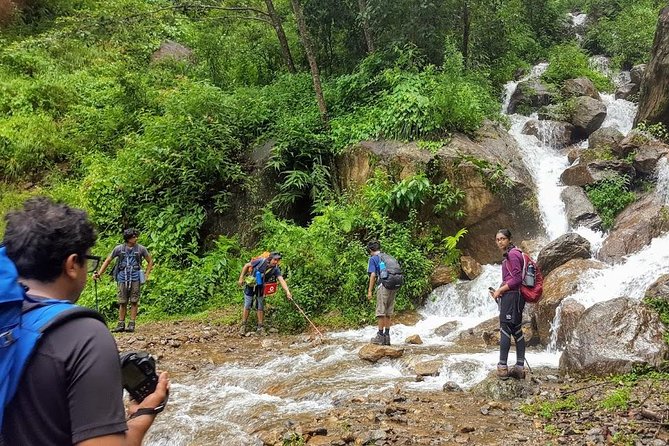
The Annapurna Circuit is popular for a reason. You get that rolling mix of cultures and climates, from village trails that feel almost ordinary in the morning, to high-altitude passes where the air changes and even simple tasks slow down.
What makes this specific trek appealing is the way it is arranged for your pace. The itinerary includes rest and buffer time, especially around Manang and the lead-up to the pass. When you are climbing toward Thorong La Pass at 5,416 m, you do not want to sprint for bragging rights. You want breathing room, steady rhythm, and a guide who can read the situation.
There is also a cultural payoff built into the route. The overview mentions Tibetan-influenced culture of Mustang, which is part of what makes the circuit more than just scenery. When you stop in villages and temple towns like Muktinath, the trek starts to feel like a journey through communities, not just a hiking challenge.
You can also read our reviews of more hiking tours in Kathmandu
What $1,150 buys you, and whether it is good value
At $1,150 per person for a roughly 14-day trek, you are not just paying for miles on a map. You are paying for a bundle of things that are expensive or annoying to organize yourself in Nepal: a guide, the permits/fees, and the transport and lodging structure.
Here is what stands out as value:
- Guide + full-board trekking meals: You get a professional trekking guide and breakfast, lunch, and dinner during trekking. That typically saves you time and reduces decision fatigue about where to eat every day.
- Permits and area entrance fees included: Trek permits and local fees can be a hassle to sort out mid-planning. Having them included means you can focus on readiness and hydration.
- Built-in hotels at the ends: You get 2 nights in Pokhara and 2 nights in Kathmandu with breakfast. After days at elevation, having proper beds and meals organized is not a luxury, it is part of recovery.
Where the price can be misleading is in what is not included. International flights, tips, and some trekking-adjacent costs are extra. Also, during Kathmandu and Pokhara hotel stays, lunch and dinner are not included, so you still need a plan for meals those days.
If you want a trek where logistics do not eat your energy, this package looks like solid value for the level of support and inclusions listed.
Kathmandu arrival day: transfers plus a briefing that sets the tone
Day 1 is straightforward. You meet the company’s office representative at Tribhuvan Airport, then get transferred to your hotel by private vehicle. After rest, your guide gives a short briefing about Annapurna Circuit trekking and safety.
Why that matters: on trekking trips, the first 24 hours can decide whether you feel calm or chaotic. A proper pickup and a briefing help you start with the right expectations, especially around how the itinerary unfolds and what you should do to stay safe.
This is also a private setup. It is only your group, so the briefing and pace decisions are more likely to match your needs rather than being forced into a one-size-fits-all pattern.
Hotels and transport: how the itinerary reduces your friction
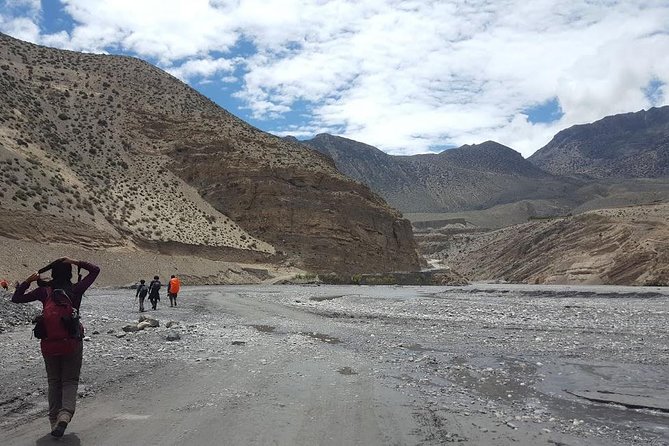
A nice practical touch is the mix of comfortable downtime and realistic travel days.
You spend:
- 2 nights in Pokhara with breakfast
- 2 nights in Kathmandu with breakfast
On transport, you get ground transfers built in:
- Tourist bus transport for long-range transfers (Kathmandu to the start area, and Pokhara to Kathmandu)
- A local bus or jeep from Muktinath to Pokhara
- You can fly from Pokhara to Kathmandu if you want, but the flight costs extra
One review specifically praised the hotel accommodations in Kathmandu and Pokhara and called out smooth arrangements for documents and airport transfers. That lines up with what you should want in Nepal: fewer surprises, fewer lines, and less time guessing.
Early trekking days: Syange to Dharapani to Chame
Your trek starts with a long drive. Day 2 goes from Kathmandu area travel into Syange, then you begin the walking portion after breakfast. The drive to Syange is about 8 to 9 hours. That sounds like a lot, but the itinerary frames it as manageable and not hectic, and you get a rest day in the full rhythm later anyway.
Day 3 is one of the first long stretches: walking to Dharapani likely takes 7 to 8 hours. You will cross a bridge and move into the rhythm where every stop feels earned. Expect this day to be your first lesson in trail steadiness, not speed.
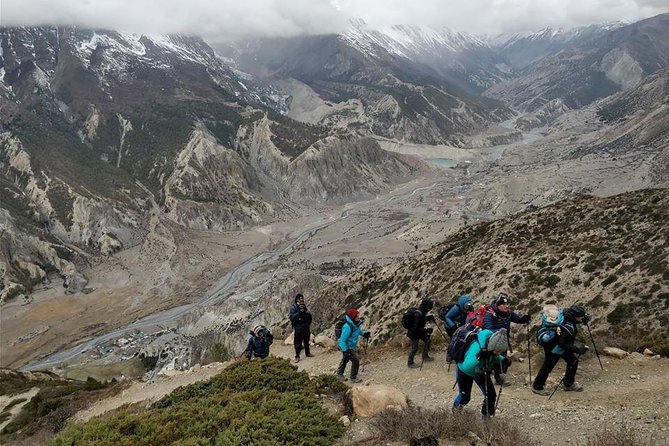
Day 4 heads to Chame. The trek is described as walking through steep ridges with green woods, plus some landslide areas. That is a good clue for how to pack your mindset. On the circuit, the trail can be steep and the footing can shift. You should keep your eyes on the route and trust the guide’s timing.
Day 5 continues with cautious travel through a narrow, steep valley. The route mentions a curved rock rising up to about 1500 m at Paungda Danda. It is the kind of detail that makes the days feel more specific than a generic trek description. At the same time, it is a reminder that early on, the goal is consistent movement and safe footing.
Manang Valley: the rest day that helps you actually cross high
Day 6 brings you into Manang after about 7 hours walking, including the route through Upper Pisang. This is one of the key transition points. Manang is where the trip starts to feel like high-altitude trekking, not just a hike with bigger views.
Day 7 is your rest day at Manang. This is not just sit-around time. You can do short hikes, with options like Bonjo Gumba or Gangapurna Lake. You can also choose other hikes mentioned by your guide, but the point stays the same: move a little, then recover.
Why this rest day is smart: acclimatization is not a poster concept. Your body needs time to adjust before Thorang La Pass on the hardest day. A rest day gives you that adjustment, without forcing you into a “white-knuckle every day” plan.
Also, one practical reason this matters is meal energy and sleep. In Manang, you are setting up your ability to eat well, hydrate, and get through the big pass day with less exhaustion.
Crossing to Thorang Phedi and over Thorong La Pass (5,416 m)
Day 8 and Day 9 are about gaining height in stages. Day 8 involves continued ascending, passing through villages like Tenki, moving through the Marshyangdi Valley area, and walking past juniper trees. The day also references small stream crossings and a Ghunsa village along the way.
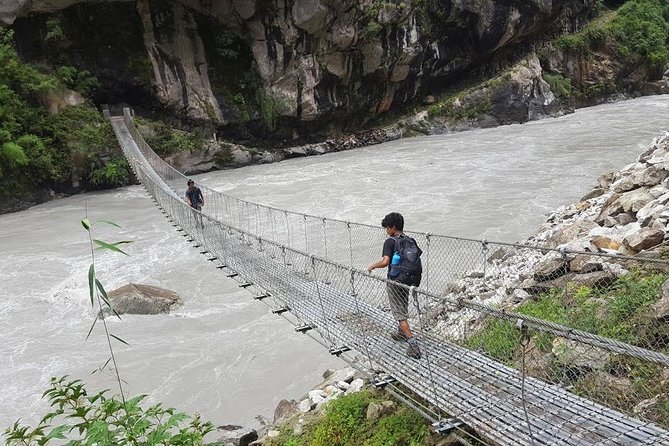
Day 9 shifts focus toward the lead-up: you wake up, have breakfast, then continue ascending to Thorang Phedi. The route includes a suspension bridge to Lather Village, then passing cliffs and reaching the Thorang area.
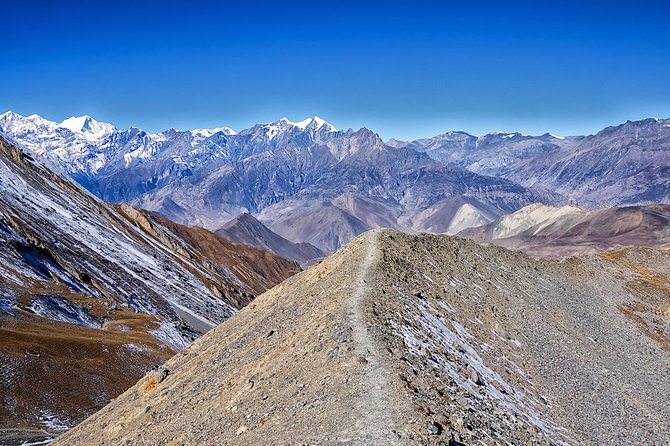
Day 10 is the day you will remember. The itinerary describes passing through the highest elevation on the trek, Thorong La Pass at 5,416 m, heading to the western side, and then reaching Muktinath Temple. This is the big physical and mental day, so the guide’s role becomes very real. You need help with timing, safety decisions, and pacing.
A key consideration: when you get high, your plan can change fast if weather shifts or your body feels off. Since good weather is stated as a requirement for the experience, you should be prepared for the idea that timing and decisions might adjust.
Muktinath to Pokhara: you hike less, but the day still counts
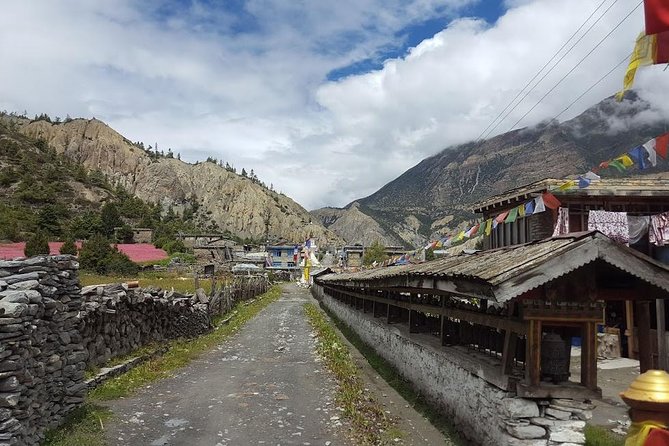
After reaching Muktinath, Day 11 switches gears. You take a bus or jeep drive to Pokhara, about 10 hours. That is long, but it is also a relief day in a different way. Your legs may be tired, but you get to stop thinking about steep switchbacks.
Day 12 is a true rest day at Pokhara Valley, with time to explore at your own pace. Pokhara is a practical base for recovery and for resetting your head after altitude.
From a value perspective, this structure is good. A trek that dumps you straight back into another long travel day tends to leave people exhausted. Here, you get one day to recover and one day to think about souvenirs, viewpoints, or just a slow walk.
Back to Kathmandu: slow travel beats stress
Day 13 takes you from Pokhara to Kathmandu by tourist bus for about 7 hours, with an option to fly if you want to reduce time (flight costs extra). Day 14 is departure day, with transfer to the international airport.
This matters because it lets you end the trip with less strain. You are not trying to sprint to your flight right after a travel-heavy day. Instead, you get your last night in Kathmandu and a drop-off arranged for your schedule.
Lodges, twin sharing, and full-board meals while trekking
During the trek, you stay in lodges or tea houses, in twin sharing. On top of that, you get full board trekking meals: breakfast, lunch, and dinner are included, plus tea is included as part of the trekking meal plan.
What full-board really means for you: fewer daily choices. You do not have to bargain over where to eat, which can save both time and energy. It also means your calories are more predictable on the days you need them most.
What is not included is equally important. Alcohol, Wi-Fi, mineral bottle water, charging, and hot showers during the trek are not included. So plan around basic comforts. If you want charging, hot water, or convenience, you will likely pay separately.
Packing advice based on the listed support: the company says that if needed, they can provide a company duffel bag and sleeping bag. That can help if you are traveling with limited gear. Still, bring what you personally need for warmth, because nights at altitude can feel cold even when days look bright.
Guides and safety: use the structure, not just the schedule
This trek includes one professional trekking guide, and they also carry first aid medicine during the trek. That is the baseline support you should expect on a high route.
But here is how I’d use that support smartly:
- Ask how they handle pacing on ascent and rest days.
- Confirm how they watch for altitude stress and what they recommend if you feel unusually unwell.
- Follow their guidance on timing, especially around the pass day.
The one negative note from a past participant was that staff and guides need more training. That does not mean the trek is unsafe, but it does mean you should be proactive. You are paying for the guide, so ask the questions that make you feel confident.
Customization and possible side trips, including Tilicho Lake
The trek is described as private and customizable. That is where the adventure can get more personal than a fixed group itinerary.
One review titled the experience as an Annapurna Circuit trek and Tilicho Lake experience. Since the trip is customizable, it suggests that side options may be possible depending on your route plan and timing.
If you want extra stops, use common sense. Customization is great, but altitude is not optional. Add-ons should not overload acclimatization. Ask your guide how any extra hikes affect rest days, pass timing, and your overall stamina.
Who this Annapurna Circuit Trek fits best
This is best for you if:
- You want guided support for permits, logistics, and safety.
- You value predictable meals and organized lodging in lodges/tea houses.
- You like the idea of a private trek where your group sets the tone.
- You have moderate physical fitness and understand you will be spending long hours hiking on multiple days.
It may be less ideal if you love total independence. Even though you can go at your own pace, the structure is still guided, with planned transfers and a set route flow.
Also, it is worth noting: you are spending a lot of time on roads between trek stages, including an 8 to 9 hour drive early and about a 10 hour drive near the end. If you get motion-sick, you might want to plan for that mindset.
Should you book this Annapurna Circuit Trek?
I would book it if you want a well-supported Annapurna Circuit trek where permits, meals, hotels, and transfers are handled for you, and you can focus on walking smart, resting, and enjoying the high pass moment.
I would think twice if your priority is total independence or if you hate the idea of a long drive day at the start and another near the end. And because there is at least one concern about guide training, I’d ask direct questions before committing, especially about altitude pacing and what happens when weather changes.
If you are aiming to do Thorong La with less stress and more structure, this looks like a strong choice at the listed price.
More Hiking & Trekking Tours in Kathmandu
More Tour Reviews in Kathmandu
Not for you? Here's more nearby things to do in Kathmandu we have reviewed


Annapurna Treks from Kathmandu, compared.
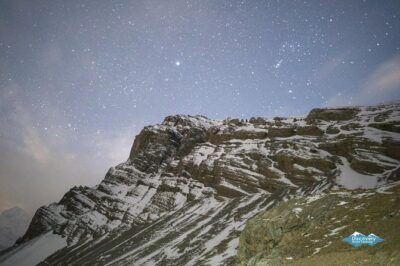 ★ 5.0Annapurna Circuit Trek with Tilicho LakeFrom $1,093368 reviews
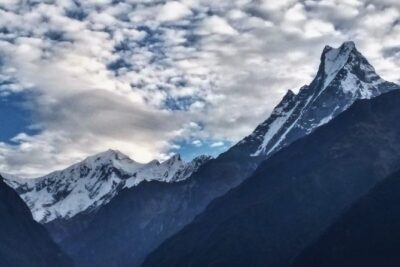 ★ 5.0Annapurna base camp trek 5 DaysFrom $699252 reviews
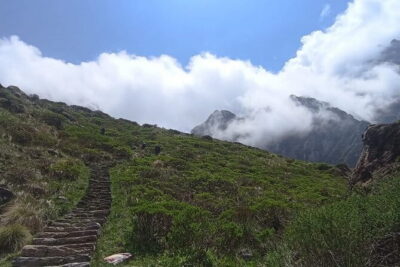 ★ 5.0Annapurna Base Camp TrekFrom $935111 reviews
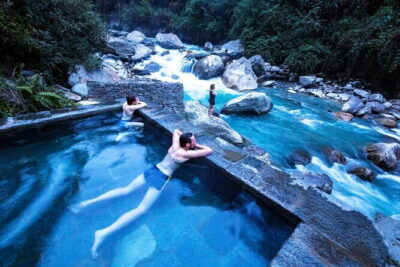 ★ 5.0Kathmandu to Annapurna Base Camp (ABC) 5-Day TrekFrom $99102 reviews
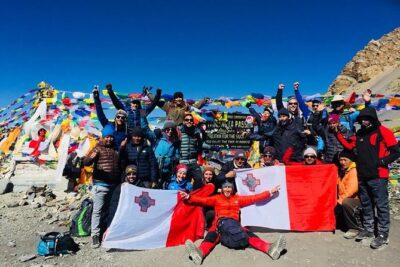 ★ 5.0Annapurna Circuit TrekFrom $1,17594 reviews
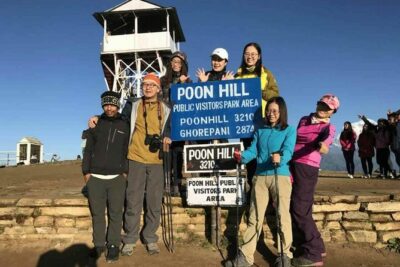 ★ 5.04 Days Poon Hill TrekFrom $40594 reviews
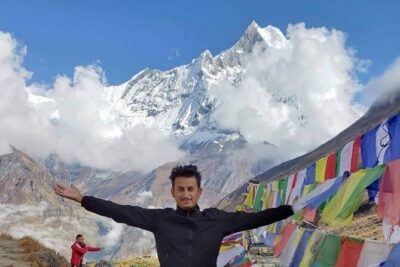 ★ 5.0Annapurna Base Camp Trek 12 DaysFrom $80085 reviews
Annapurna Base Camp TrekFrom $78581 reviews
★ 5.0Annapurna Base Camp Trek 12 DaysFrom $80085 reviews
Annapurna Base Camp TrekFrom $78581 reviews
Browse the lists this tour appears in