
REVIEW · ANNAPURNA TREKS FROM KATHMANDU
Annapurna Base Camp Trek
Eleven days in Nepal, and the mountains do the talking. What makes this trek stand out is the blend of classic Annapurna route days with real comfort in 3-star hotels and simple teahouse stays, plus an English-speaking, licensed guide who keeps you on track. One consideration: it is not a spa trek, since hot showers during the trek are not included.
You also get a very workable pace for a first-time trekker who is in decent shape, with plenty of meal support and a porter system that reduces the load on your shoulders. Still, you should know the altitude climbs steadily up to 4,130m at Annapurna Base Camp, so you will want to take the slow moments seriously.
Key things that make this trek worth a look
- Licensed guide, organized day flow: You get expert support in English and a schedule that runs smoothly from Kathmandu to the trail.
- Porter support for shared loads: A porter is included at 1 porter for 2 trekkers, so you are not carrying everything.
- Permits handled: ACAP and TIMS are included, which saves you from last-minute paperwork stress.
- Full-board trek meals: Breakfast, lunch, and dinner during the trek are included with tea or coffee.
- Teahouses in twin sharing: “Best available” twin sharing is included along the way, which helps you budget and pack.
- Know what costs extra: Visa, travel and rescue insurance, alcoholic drinks, bottled water, and tips for staff and driver are not included.
A comfort-first way to do Annapurna Base Camp
Annapurna Base Camp can be a big deal for first-timers, not because it is technically hard, but because everything adds up: time, logistics, meals, and altitude decisions. This trip helps you by taking a chunk of that mental load off your plate. You get a guide, a porter arrangement, most meals, and the key permits covered, so you can focus on walking and enjoying the Himalayan rhythm.
I like the “comfortable enough to keep you happy” approach. In Kathmandu and Pokhara, you get 3-star hotel time with breakfast. On the trail, you stay in teahouses with meals included, which usually means you can eat without hunting and waiting around. That matters when you are already tired from a long day of climbing.
One more practical detail: you receive a duffel bag and a sleeping bag for the trek, then return them after. That is a small thing, but it can make packing easier if you are traveling from abroad or flying light.
You can also read our reviews of more hiking tours in Kathmandu
Price and value: what $240 per person covers
The headline price here is $240 per person, and the value really depends on what you are trying to avoid. You are not just paying for a guide and “some meals.” Your package covers:
- Airport transfers in Kathmandu
- Tourist bus drive Kathmandu to Pokhara and back
- ACAP and TIMS permits
- 3-star hotel stays in Kathmandu and Pokhara with breakfast
- Full-board meals during the trek (breakfast, lunch, dinner)
- Teahouse accommodations in twin sharing
- Porter service (1 porter for 2 trekkers)
- Farewell dinner at the end
- First aid medical kit
- Duffel bag and sleeping bag (returned after trek completion)
What is not included also matters for budgeting:
- Nepal entry visa and travel and rescue insurance
- Tips for guides, porters, and drivers
- Alcohol, bottled water, and other beverages
- Lunch and dinner in Kathmandu and Pokhara
- Hot shower access during the trek (explicitly not included)
So the real question for you is not just whether $240 is low. It is whether you prefer paying upfront for coordination and meals, rather than managing permits, guide contracting, and meal hunting yourself. If you want a smoother first attempt at the Annapurna Base Camp region, this package looks like it offers solid value.
Altitude you’ll actually feel, from Kathmandu to base camp
Let’s talk numbers, because they influence pacing. Your trip starts at Kathmandu (about 1,400m). It drops to Pokhara (around 822m) for a couple of days, then you climb step by step.
Highest points listed include:
- Sinuwa: about 2,340m
- Deurali: about 3,200m
- Annapurna Base Camp: about 4,130m
- Bamboo: about 2,310m (on the descent)
- Jhinu Danda: about 1,780m
- Back to Pokhara: about 822m
What you gain at that elevation is the classic reward: big mountain views and that sense of reaching something rare. What you should watch is your breathing and energy on the steep stretches, especially the days that move you higher. Because your daily trekking times sit around 5.5 to 7 hours on most trekking days, you should plan to walk at a steady, realistic pace and not treat every uphill as a race.
Day 1 and 2: landing in Kathmandu and resetting in Pokhara
Day 1 is simple and useful. You arrive at Tribhuvan International Airport, get greeted, then transferred to your Kathmandu hotel. The drive is about 30 to 45 minutes, and your altitude stays at roughly 1,400m. This is your first night at baseline altitude, and it is a good moment to sort out layers, hydration, and a calm sleep before the long day begins.
Day 2 is the big transfer day: Kathmandu to Pokhara by road, about 200 km and 7 to 8 hours. This is not a quick hop, but it is scenic and it sets you up for the next stage of the trek. Pokhara is much lower (about 822m), which can help your body settle before the climb.
If you are prone to motion sickness, road time matters. It is worth coming in with a plan for that, because the next nine days depend on you feeling functional.
Day 3 to 6: Ghandruk, Sinuwa, Deurali, and reaching Annapurna Base Camp
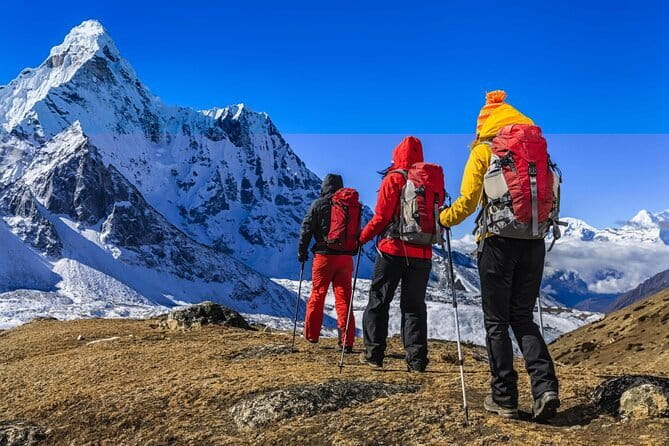
This is the climb-and-reward arc, and it is where the Annapurna Base Camp experience becomes real.
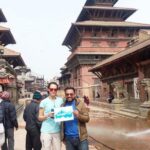
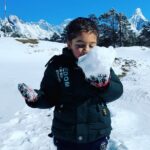
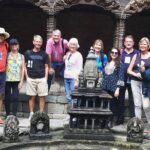
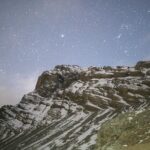
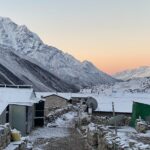
Day 3: to Ghandruk (5 km trek after the drive)
You drive from the Kathmandu side toward the trailhead area, then trek about 5 km to Ghandruk. You also have a provided meal day (breakfast, lunch, dinner). Ghandruk sits around 1,940m, so it feels like the start of real trekking, not just a warm-up.
What makes Ghandruk special for most trekkers is that it is a classic village stop, not a featureless climb. It gives you a human pace and a place to take in views before the higher days.
Day 4: Sinuwa (12 km, about 6 to 7 hours)
Day 4 is a full trekking day at about 12 km, taking roughly 6 to 7 hours. You start descending toward a river area and then climb again, finishing at Sinuwa around 2,340m.
The drawback here is predictable: this is one of those days where you need steady energy management. With no mention of hot showers on trek days, you will also rely on rest and warmth between walks, so keep your layering simple and ready.
Day 5: Deurali (10 km, about 6 to 7 hours)
Today you trek roughly 10 km and aim for Deurali at about 3,200m. The route passes through bamboo forest, which usually helps the walk feel less exposed. The trekking time is still in the same range, so you get a good training rhythm.
At this altitude, you might notice you are breathing a bit harder on slower slopes. This is exactly where an organized pace helps, because your guide can keep you moving without pushing too hard.
Day 6: Annapurna Base Camp (9 km, about 6 to 7 hours, up to 4,130m)
This is the show day. You trek around 9 km and reach Annapurna Base Camp at about 4,130m. Expect breakfast, lunch, and dinner on the way, and treat this as a combination of climb effort plus payoff time.
Base Camp at this height is not just a photo stop. It is also the moment when you understand why people do this region. The views can feel wide, and the air feels different. Since your package includes meals through the day, you can spend more of your energy absorbing the experience and less on figuring out food at every turn.
Day 7 to 8: a descent with big feelings, from base camp to Bamboo and Jhinu Danda
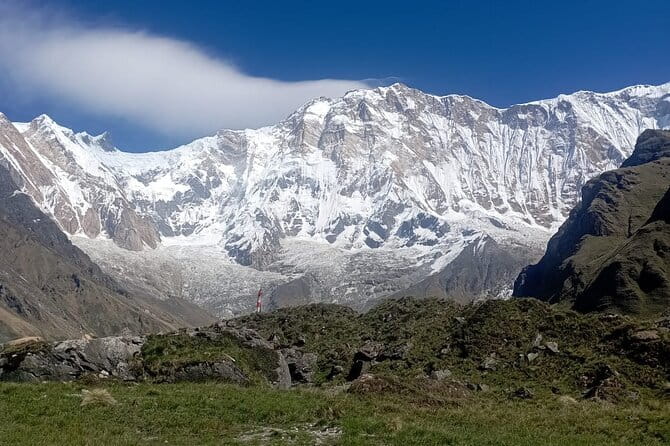
After reaching base camp, the story changes. You descend, but the day still takes energy.
Day 7: base camp to Bamboo (13 km, about 6 to 7 hours)
You start with a memorable morning at Annapurna Base Camp, then begin the descent. The trek distance is about 13 km, taking roughly 6 to 7 hours, and you finish in Bamboo around 2,310m.
Descending can feel easier, but it can also be rough on your knees and feet. The long distance plus time on uneven paths is why a slow start to the day and careful foot placement matters. Your meals are included (breakfast, lunch, dinner), which helps you refuel on time instead of delaying recovery.
Day 8: Bamboo to Jhinu Danda (11 km, about 5 to 6 hours)
Day 8 is another solid trekking day, around 11 km and about 5 to 6 hours, finishing at Jhinu Danda around 1,780m. This part of the route is described as pleasant and lush, and the drop in altitude helps the day feel more manageable.
Jhinu Danda is also a morale boost because it is lower, which usually means you wake up and move with more comfort. If you want an easy evening after a week of uphill work, this is a good place to land.
Day 9 and 10: short walking, then back to Pokhara and Kathmandu
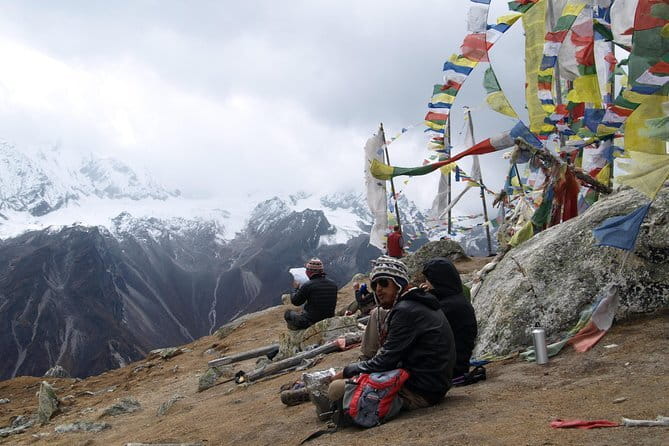
Day 9: short trek to the road, then Pokhara
Day 9 includes a short, easier trek around 6 km and then a drive back to Pokhara. The altitude drops to about 822m. Your meals listed are breakfast and lunch, which keeps the day light after a longer week.
This is the day you will likely appreciate the most if you have any soreness left. Short distance plus a descent is a great way to reset your body for travel.
Day 10: Pokhara to Kathmandu (200 km, about 7 to 8 hours)
You drive back to Kathmandu, again about 200 km and 7 to 8 hours. Meals are breakfast and dinner, so you are not fully cut loose on food during the travel day.
The main thing to remember is you are still moving all day. Plan to rest your legs before you settle in for sleep.
Day 11: a final Kathmandu morning before your flight
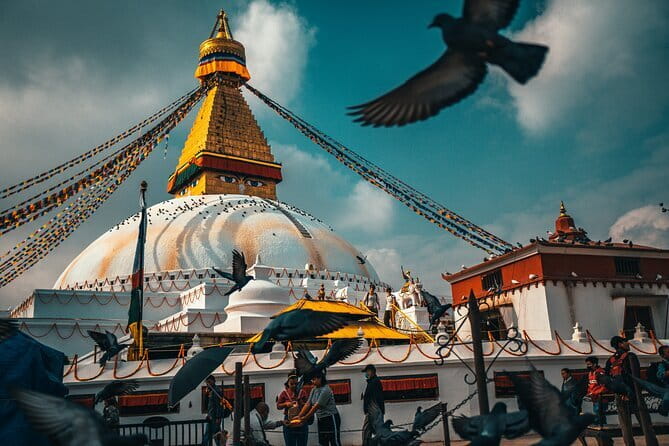
The last day includes breakfast, then a short transfer drive of 30 to 45 minutes depending on your flight time. This is designed for breathing room, not rushing. It is a good final touch, because trekking legs do not magically become laptop legs overnight.
What the meals and teahouse stays really mean in practice
This package gives you full-board meals during the trek, with tea or coffee included. In practical terms, that means less decision fatigue. You do not have to hunt for snacks at the wrong time, and you can plan your walk around regular meal breaks.
Lodging is “best available” twin sharing teahouses during the trek. That usually translates to basic comfort and predictable access to a bed, but not hotel-level luxury. The “luxury” framing comes more from the overall coordination and the fact that you get help with guide planning, porter service, and meal coverage, rather than from private rooms or spa facilities.
Also worth noting: the package does not include hot showers during the trek. If a warm shower is part of your comfort goal, you should factor that into your expectations now, not after day 4.
The guide and porter setup, and why it matters
Your guide is described as English-speaking and government-licensed. That combination matters on the Annapurna Base Camp route because you want someone who can keep you moving safely, explain what you see, and manage the day’s timing.
Then there is the porter support: 1 porter for 2 trekkers. Even if your own pack is not huge, that porter arrangement can be the difference between finishing the trek feeling strong versus finishing it feeling wrecked.
This is where the reviews’ strong positivity makes sense. When organization is tight and staff are responsive, the trek feels less like logistical work and more like walking with a plan.
What’s included versus excluded, so you do not get surprised
Here is the quick clarity you should keep in mind:
- Included: hotel with breakfast in Kathmandu and Pokhara, full trek meals, teahouse stays, guide, porter service, ACAP and TIMS permits, transport between Kathmandu and Pokhara, first aid kit, duffel and sleeping bag (return after trek).
- Not included: Nepal visa fee, travel and rescue insurance, tips, hot shower access during trek, alcoholic drinks and bottled water, lunch and dinner in Kathmandu and Pokhara.
If you budget correctly at the start, you will enjoy the trip without that end-of-journey tension.
Who should book this Annapurna Base Camp trek?
This trek suits you best if:
- You have moderate physical fitness and you are comfortable with multi-hour hiking days.
- You want a guided route with permits managed.
- You prefer not to figure out meals and timing every day.
- You like the idea of teahouse trekking without carrying the full weight of your pack.
You might rethink it if:
- Hot showers are a must for you during the trek.
- You want private rooms every night.
- You dislike long road transfers, because Kathmandu to Pokhara and back are both around 7 to 8 hours each way.
Should you book this Annapurna Base Camp experience?
If you want the Annapurna Base Camp reward with less friction, I think this is a smart choice. The package covers the heavy coordination items: guide, porter, key permits, transport between Kathmandu and Pokhara, and full trek meals. At $240 per person, the value is strongest for travelers who would otherwise spend time arranging those details on their own.
Book it if you are excited to walk classic Annapurna villages like Ghandruk, climb through higher points like Sinuwa and Deurali, and reach Annapurna Base Camp while your biggest day-to-day decisions are already handled. Skip it or adjust expectations if you are counting on hot showers during trekking or you want hotel-style comfort every night.
FAQ
How high do we reach on this Annapurna Base Camp trek?
The highest altitude listed is Annapurna Base Camp at about 4,130m (13,550ft). Other key points include Deurali at about 3,200m (10,498ft) and Sinuwa at about 2,340m (7,677ft).
What meals are included during the trek?
Full board meals during the trek are included: breakfast, lunch, and dinner, with tea or coffee. In Kathmandu and Pokhara, breakfast is included, and lunch or dinner is included on some days as outlined in the schedule.
Does the package include a porter?
Yes. The porter service is included at a ratio of 1 porter for 2 trekkers.
Are hot showers included during the trek?
No. Hot shower access during the trek is not included.
Are permits included for the trek?
Yes. The package includes the Annapurna Conservation Area Permit (ACAP) and the TIMS card.
If the trip is canceled due to weather, what happens?
If the experience is canceled due to poor weather, you will be offered a different date or a full refund. You can also cancel for a full refund if you cancel at least 24 hours before the experience’s start time.
More Hiking & Trekking Tours in Kathmandu
More Tour Reviews in Kathmandu
Not for you? Here's more nearby things to do in Kathmandu we have reviewed


Annapurna Treks from Kathmandu, compared.
 ★ 5.0Annapurna Circuit Trek with Tilicho LakeFrom $1,093368 reviews
 ★ 5.0Annapurna base camp trek 5 DaysFrom $699252 reviews
 ★ 5.0Annapurna Base Camp TrekFrom $935111 reviews
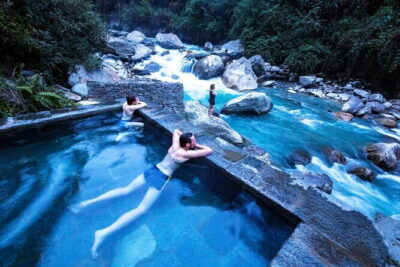 ★ 5.0Kathmandu to Annapurna Base Camp (ABC) 5-Day TrekFrom $99102 reviews
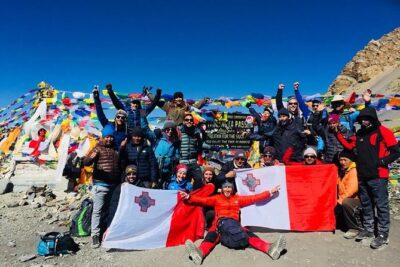 ★ 5.0Annapurna Circuit TrekFrom $1,17594 reviews
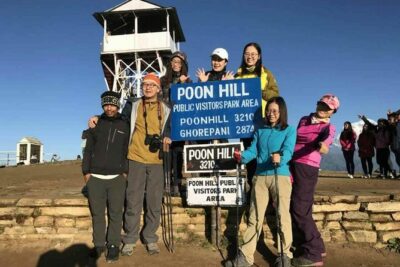 ★ 5.04 Days Poon Hill TrekFrom $40594 reviews
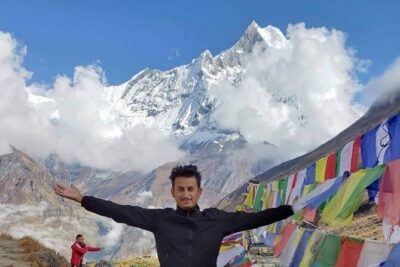 ★ 5.0Annapurna Base Camp Trek 12 DaysFrom $80085 reviews
Annapurna Base Camp TrekFrom $78581 reviews
★ 5.0Annapurna Base Camp Trek 12 DaysFrom $80085 reviews
Annapurna Base Camp TrekFrom $78581 reviews
Browse the lists this tour appears in