
REVIEW · ANNAPURNA TREKS FROM KATHMANDU
Annapurna Base Camp Trek 12 Days
Hiking into the Annapurnas starts with details. This 12-day ABC trip uses a guided, safety-first approach, with real village time in Gurung country and sunrise viewpoints built into the walking rhythm. I also like the way your days connect between Kathmandu, Pokhara, and trail towns like Ghorepani, Chhomrong, and Deurali, so you are not just doing a checklist to base camp. Pickup, permits, and lodge meals are handled for you, which makes the trek feel smoother from day one, not just on the mountain.
Two things I really like: the focus on cultural contact with the Gurung and Magar communities, and the professional team behind the scenes, including support from the director Dil Prasad Sapkota when plans need adjusting. One possible drawback to consider is that the trek assumes moderate fitness, and you will feel the altitude effects as you go higher, especially around the Deurali area.
If you want a big-hit Himalayan experience with good organization, this is the kind of trip that delivers. Still, it is worth knowing that the ABC segment is in an avalanche-prone area, so your route can shift depending on conditions and season, which is not a problem when you want flexibility, but it might annoy you if you need a perfectly fixed plan.
Key things that make this trek work
- Airport pickup plus Kathmandu-Pokhara coordination: you get in, briefed, then transferred, without figuring it out alone.
- Sunrise planning at Poon Hill and the ABC area: early starts are part of the deal, but the payoff is baked in.
- Village-based pacing: Ulleri’s stone steps, Chhomrong’s Gurung feel, then quieter river valleys as you climb.
- Altitude awareness built into the itinerary: slower walking is mentioned once you reach higher areas where altitude starts to bite.
- Route flexibility near Base Camp: an avalanche-prone section means changing course across the Modi River when needed.
- Value stacking: lodge stays en route, three meals a day, and permits are covered in the price.
Kathmandu to Pokhara: the easy part that sets your legs up
Your trip starts at Tribhuvan International Airport in Kathmandu, with an airport representative meeting you at arrival. From there, you transfer to a hotel in Thamel, then get a briefing so you know what to expect before you start packing your energy into the mountains. If you have ever started a trek in a place you barely understand, you know why this matters. It reduces the early stress, and it helps you sleep the night before you leave.
Next comes the drive to Pokhara Lakeside. You take a tourist bus that typically leaves around 7:00 a.m. from Kathmandu and takes about 6 to 7 hours depending on road conditions. This is a long, bumpy day, so I like that the next morning shifts you back into actual walking. You are not forced into extra tourist stops right when your body is still shaking from the road.
Where this part shines is in the balance. You do enough logistics to stay comfortable, then you get moving quickly. Where it can feel a bit heavy is time. Between the drive and the early starts later on, this trek asks you to treat sleep as a real tool.
You can also read our reviews of more hiking tours in Kathmandu
Nayapul, Tikhedhunga, and Ulleri: your first real workout
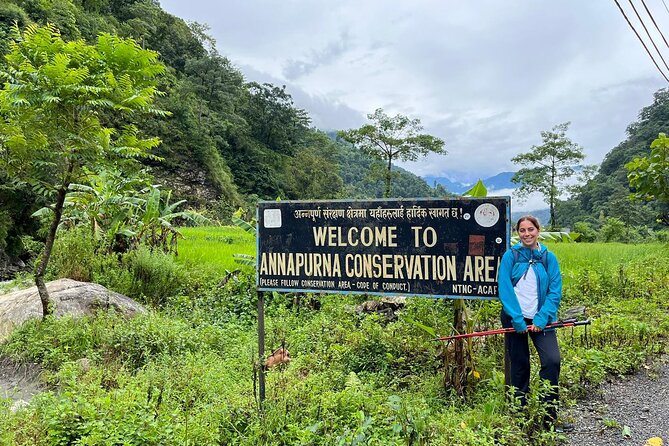
After breakfast in Pokhara, you head out toward the trail area at Nayapul. The drive to the trailhead takes roughly 2 hours, winding through countryside and river confluences in the Modi River area. This matters because the first walking days are not just about altitude, they are about gradually switching your body from sitting to stepping.
Your first named stop on foot is Tikhedhunga. In many Annapurna routes, this is where you discover your rhythm. The big moment comes on the Ulleri day, with roughly 3,000 stone steps leading up to Ulleri village. The climb is paced around a couple hours, which sounds straightforward until you are carrying a daypack and your calves decide to protest.
Then you shift onward toward Ghorepani, with the route continuing through the villages and ridges that give the Annapurna region its layered feel. One practical consideration: the stone steps day can set your tempo for the whole trek. If you go out too fast, the rest of the climb will feel longer than it needs to.
Poon Hill sunrise at 3,200 m: short hike, huge payoff
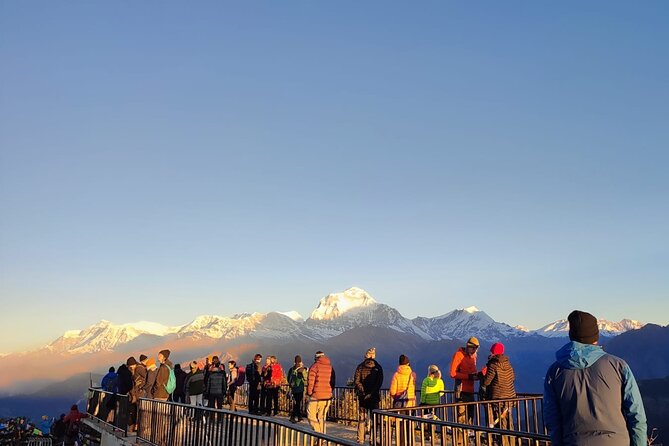
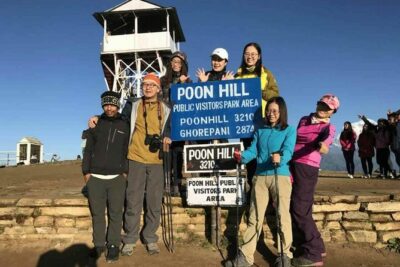
Poon Hill is one of those rare trek moments where the effort is small, but your brain remembers it for years. You walk about 50 minutes to reach Poon Hill at around 3,200 meters to catch the sunrise. The view is described as covering around 15 peaks, and that is the kind of detail you want if you are planning your early mornings.
The real value here is timing and focus. By the time the light hits the mountains, you are already acclimated enough to enjoy it, but not so exhausted that you dread the cold start. Also, the itinerary does not bury Poon Hill in the middle of a longer grind. It is a clear target, then you move on.
I will add one blunt tip: sunrise means you will likely be cold. Even if the day turns pleasant later, the walk up for the view day is done early, and you should dress for that.
Chhomrong to Dovan: Gurung village energy and river valley calm
After Ghorepani, the route starts transitioning into the Annapurna corridor. You drop about 900 meters from Tadapani down to the Gurjung River valley, then climb along the ridge to Chhomrong. Chhomrong is highlighted as a large Gurung village in the Annapurna region. This is where the trip’s cultural promise becomes more than marketing.
Why I like this segment is how it changes your pace. You are descending and then climbing, so you get a feel for how your heart rate responds to terrain, not just altitude. Chhomrong is also a place where village life feels present, not staged. If you want the trek to feel human, this is one of your anchors.
From there, you trek down Chhomrong Khola, then go up toward Sinwa for about 3 hours. The description also points toward the steep valleys leading up to Annapurna Sanctuary at the foothills of Annapurna South and Fishtail. That shift matters because your mind starts to notice the shape of the mountain world, not just the next bend in the trail.
Then you reach Dovan. This is one of those trail towns that feels more functional than showy, but that is part of the point. River junctions and forest routes slow your pace without stopping your progress, which helps your body adjust for the higher days.
Deurali: where altitude becomes real, and pacing becomes survival
Above Dovan, you enter an area where the altitude effect is specifically noted. The itinerary mentions you ascend slowly to another Himalayan hamlet in about 2 hours, and that the trail is peaceful with lush green forest. That combination is exactly what you want higher on the ABC trek: shade, gradual motion, and a plan that respects your lungs.
This is the day where “go fast” plans go to die. If you have a habit of pushing to catch up, this is where you will feel it. A slow pace is not just for comfort, it is for staying consistent. You do not want your first big altitude day to turn into a dramatic struggle.
The other thing I like here is that the trek does not pretend you can ignore the mountains. It explicitly calls out the altitude effect feeling in this area, so you can mentally prepare, pack your energy, and keep your breathing calm.

Into Annapurna Base Camp: the avalanche-prone reality check
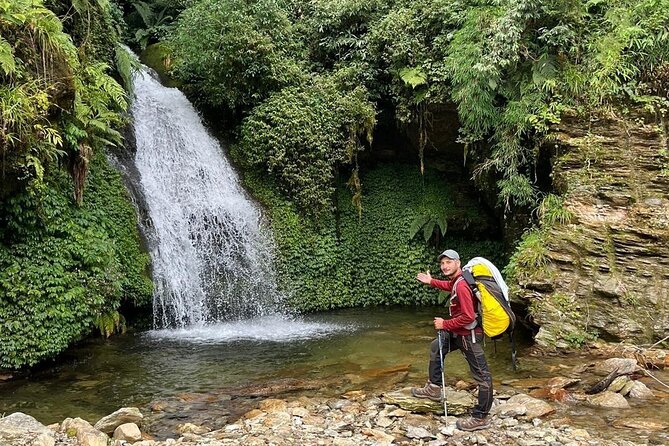
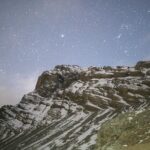
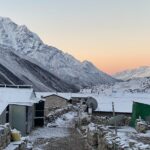
The day you reach Base Camp is described with real route detail. From Deurali, the trail toward Fishtail Base Camp is in an avalanche-prone area. That means the route across the Modi River can change depending on situation and season, and you are expected to count about 2 hours to reach the fishtail base area.
This is important for two reasons. First, it is a safety note. Second, it sets expectations. If you are the type who gets anxious when plans shift, you should know ahead of time that this section is managed for safety, not strict photo-perfect control.
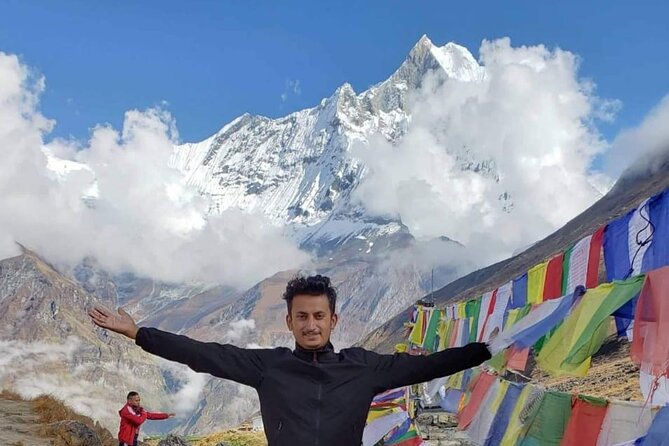
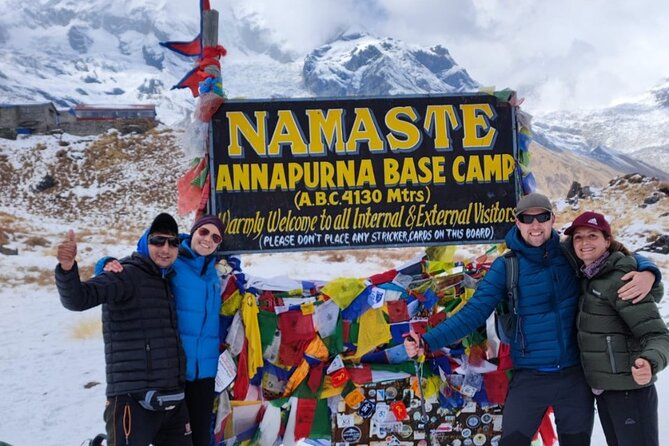
When you arrive, you are not just collecting a landmark. You are reaching a place where the Annapurna world becomes physical. From here, the trek starts to feel like a completed mission.
One practical consideration: sunrise is referenced again, so the return day is likely structured around early light too. Treat your sleep like a resource, not a luxury, so you do not feel wrecked when you need to move again.
The return downhill: watching sunrise, walking back to comfort
After sunrise, you hike back toward Doban, with the first part potentially steep. Then it transitions into more gradual downhills. Dovan is described as a river junction of two streams, and this helps explain the atmosphere on the trail: you are moving through water sounds, forest patches, and the kind of steady path that makes the return feel manageable.
Downhill can be tricky, even when it feels easier. Your quads can feel it more than you expect, especially after a high morning at base camp. If you tend to race your steps, consider slowing down on the descents to protect your knees and keep your energy steady for the next days.
Sinuwa and the lodge night: quiet forest sounds, then hot springs
On the next day, you follow a path along the river and peaceful forest with waterfalls, sounds, and birds. You take an easy hike up toward Sinuwa Hill and overnight at a trekking lodge at Sinuwa. This is a nice change in the story. After concentrated climbing, the itinerary gives you a calmer, nature-forward day.
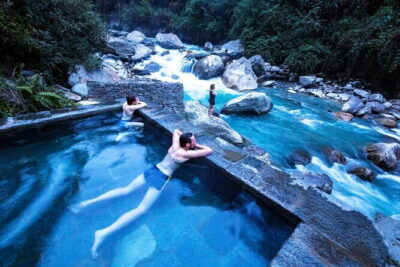
The final day brings Jhinu and its natural hot spring. You trek about 2 hours to reach Jhinu, then spend time bathing there. Lunch happens at Jhinu, and then you drive back to Pokhara. The plan also allows for trekking further more before the drive, so there is a little flexibility in how you finish.
If you want the most value from this last day, treat the hot spring as part of recovery, not just a souvenir. You have walked for days, and your body will feel better with that warm break.
Price and value: what $799 buys you on the ground
At $799 per person for an about 12-day trek, the value comes from what is included, not just the headline number. You get lodge accommodation en route, plus three meals a day with tea or coffee during the trek. You also have ground transportation coordinated between Kathmandu and Pokhara and the trail transfer days, and you have an airport pickup and drop.
Permits are included, including ACAP and local permits. You also have a professional guide with insurance and equipment coverage, which matters more than most people expect. A good guide is not just about route knowledge. It is about decision-making when conditions change, like the avalanche-prone base camp section.
What is not included is also clear and important for budgeting: beverages, tips for the guide, your travel insurance, and personal expenses. Food in Kathmandu and Pokhara is not included except for daily breakfast, and accommodation in Kathmandu is also not included. If you need a trekking porter, that is not included either.
My honest takeaway: this price feels competitive because the heavy logistics and core trek basics are handled. The biggest “watch-outs” are the personal costs that can sneak in, tips, your own insurance, and any extra comfort spending in Kathmandu and Pokhara.
Guides and support: names you might recognize
The operator’s support style is a major part of why the trek gets strong recommendations. People highlight customized help in the months leading up to travel, including support from the director Dil Prasad Sapkota. One detail that stands out is help when flights get canceled due to weather, with solutions to get you to Pokhara.
On the mountain side, guide names show up often in the feedback, including Arjun and Sudip. Porters also get specific praise, like Krishna and Mr Ram, described as polite, helpful, and professional. You are not guaranteed any specific person from these names, but the takeaway for you is clear. The company invests in real people, not just check-the-box guiding.
Who this trek fits best (and who should rethink it)
This Annapurna Base Camp trip suits you if you want a structured trek with a safety-first mindset, and you like the idea of sunrise viewpoints built into the trail rhythm. You should also feel comfortable with moderate fitness, since the trek includes demanding climbing days like the Ulleri stone steps and includes altitude effect awareness around Deurali.
If you are very sensitive to schedule changes, keep in mind the base camp route can change across the Modi River due to avalanche-prone conditions. That is not a flaw. It is how responsible operators handle mountain risk.
If you want Kathmandu hotel nights included, you will need to plan that yourself. If you want a porter, budget for it unless you arrange it separately.
Should you book Adventure Glacier Treks for Annapurna Base Camp?
I would book this if your priorities are simple: safety-minded guiding, lodge comfort, and having meals and permits handled so you can focus on the trail. The value is strongest when you will use the included basics, and the included guide and permit coverage help you avoid last-minute surprises.
I would think twice if you expect your trek to be perfectly fixed minute to minute, or if you need Kathmandu accommodation, porter service, or food beyond the daily breakfast to be included. This trip is built for real trekking days, not for luxury add-ons.
If you are ready for stone steps, early mornings, village life in Chhomrong and beyond, and the kind of mountain payoff that makes you forget how hard the trail was, then this is a solid way to do Annapurna Base Camp.
More Hiking & Trekking Tours in Kathmandu
More Tour Reviews in Kathmandu
Not for you? Here's more nearby things to do in Kathmandu we have reviewed


Annapurna Treks from Kathmandu, compared.
 ★ 5.0Annapurna Circuit Trek with Tilicho LakeFrom $1,093368 reviews
 ★ 5.0Annapurna base camp trek 5 DaysFrom $699252 reviews
 ★ 5.0Annapurna Base Camp TrekFrom $935111 reviews
 ★ 5.0Kathmandu to Annapurna Base Camp (ABC) 5-Day TrekFrom $99102 reviews
 ★ 5.0Annapurna Circuit TrekFrom $1,17594 reviews
 ★ 5.04 Days Poon Hill TrekFrom $40594 reviews
 ★ 5.0Annapurna Base Camp Trek 12 DaysFrom $80085 reviews
Annapurna Base Camp TrekFrom $78581 reviews
★ 5.0Annapurna Base Camp Trek 12 DaysFrom $80085 reviews
Annapurna Base Camp TrekFrom $78581 reviews
Browse the lists this tour appears in