
REVIEW · ANNAPURNA TREKS FROM KATHMANDU
Annapurna Base Camp Trek – 10 Days
High altitude is the big hook here.
This 10-day Annapurna Base Camp trek is built around real mountain walking in the Annapurna Conservation Area, with tea-house nights, a professional guide, and big Himalayan views that come in daily doses. I like that the trip is structured but still aims to be flexible for your pace, and you get a solid Nepal warm-up in Kathmandu and Pokhara before the trail starts.
Two things I’d put near the top of my list are the dependable logistics and the human support. You get airport and city transfers, hotels in Kathmandu and Pokhara, a government license holder guide, first aid basics in the team, plus accommodations handled for the trek days. And in the trek reports from people who did this route, the standout theme is friendly, steady guidance, including named support like Santosh and Raju Simkhada (Rash).
One consideration: you are going up to about 4,130m, where altitude and weather can be a real factor even if you feel fine at the start. The itinerary keeps moving, but you still need to respect acclimatization, hydrate, and be ready for cold or rough days.
Key highlights to watch for
- Aptly paced tea-house trekking with 6 nights in simple but dependable lodges along the route
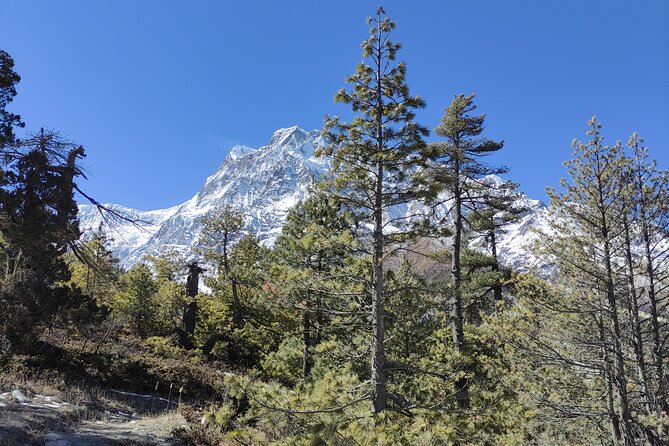
- Chhomrong and Sinuwa corridor views that give you that classic Annapurna valley feeling
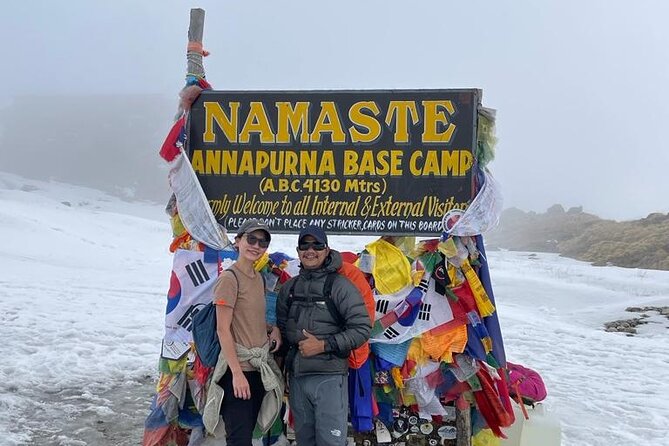
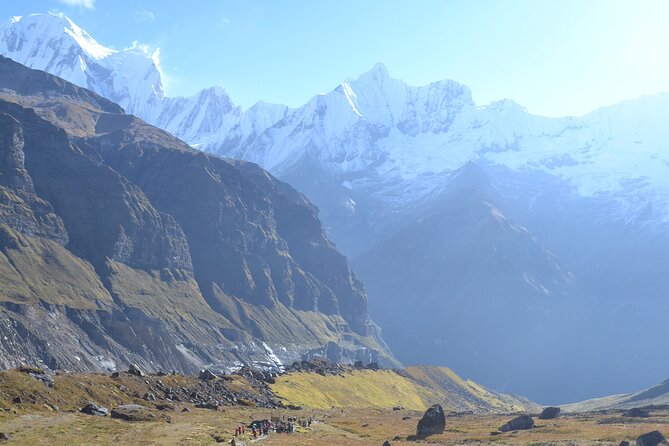
- Annapurna Base Camp reach at 4,130m with the trek culminating in the heart of the range
- Retracing days that help you reset so descent does not feel like punishment
- Pokhara add-ons like Phewa Tal and Sarangkot for river-lake views before you go home
- Small group size (max 12) plus a guide team that gets praised for being present and practical
Kathmandu first, then Pokhara, the smart way to start
Day 1 is all about getting your bearings. When you land at Tribhuvan International Airport, you get met and taken to your hotel in Kathmandu, then you meet your guide and settle in. If you want a low-stress first day, this matters. Kathmandu traffic can be chaotic, and having transfers handled means you spend your first energy on rest, not logistics.
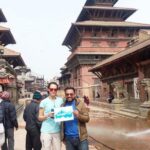
You also get time in Thamel, the familiar tourist neighborhood that works well for supplies and quick orientation. The included sightseeing options like Kathmandu Durbar Square and Pashupatinath Temple give you a real culture baseline before mountains take over your brain. If you arrive with jet lag, the trick is to keep expectations simple, enjoy the atmosphere, then sleep.
Day 2 shifts toward Pokhara. You head to the bus park and take the scheduled bus drive to Nayapul, then continue toward Pokhara by transfer. This is one of those travel days you’ll either love or tolerate, depending on how you feel about long road time. The upside is the landscape from the road can be surprisingly scenic, and once you reach Pokhara you are in a completely different mood.
There are also viewpoint and temple stops listed for this day, including Swayambhunath and Chandragiri Hills. Because mountain trips often have timing wiggle room, use this as a promise of sightseeing, not a guarantee of a perfect order. Either way, it helps you build excitement for the Himalaya look that Pokhara always delivers.
You can also read our reviews of more hiking tours in Kathmandu
Chhomrong and Sinuwa, where the trail starts talking
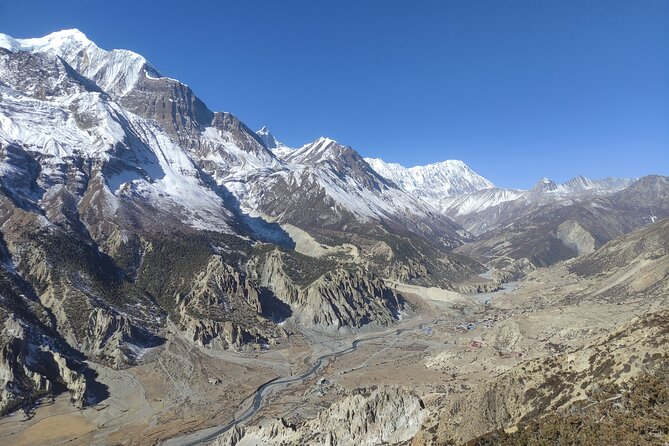
Once trekking begins, the experience turns from city energy to foot-on-stone rhythm. Day 3 takes you toward Chhomrong, after passing through areas like Ghandruk with woodlands and rhododendron-laden trails. This is a day where uneven paths matter. If you hate tripping hazards, take it easy early, shorten your stride, and let your legs find their rhythm.
Chhomrong itself is often one of those places you remember because it is high enough to feel Himalayan, but still close enough to feel connected to local village life. The value of this stop is emotional as much as scenic. You are not just walking through empty space, you are moving through a lived-in region.
Day 4 continues toward Sinuwa. You cross the river and then climb a major staircase section, described as 2,500 stone steps carved into the hillside. That sounds brutal because it can be, but the practical takeaway is this: stone steps in the Himalaya are consistent, and once you accept a slow pace they become manageable. I like this kind of segment because you can steady your effort, sip water regularly, and avoid the urge to race the climb.
There are also repeated chances to catch mountain views along the way. When you first start seeing Annapurna angles regularly, your brain tends to settle into the trip. You start focusing on the present moment, the next bend, the next lodge, not the whole 10-day picture.
Annapurna Base Camp at 4,130m, the payoff with a side of reality
Day 5 is the big push to Annapurna Base Camp. The route description includes moving gently alongside the riverbed toward Bagar, then leading toward Machhapuchhre Base Camp along the way. Even if you are not focused on intermediate labels, the practical meaning is clear: you are walking through classic gorge and valley terrain, then gradually transitioning into higher, harsher-feeling ground.
This is also described as somewhat strenuous. That word matters. You can expect effort, not just scenic strolling. The smart approach here is to treat the last climb segments like a pacing problem, not a test. Move at a sustainable tempo, keep your breathing calm, and do not wait until you are wiped out to start slowing down.
When you reach Base Camp area, you hit roughly 4,130m. Altitude does not care about your motivation. You might feel breathless, you might get headache, you might feel unusually cold, and weather can change quickly. The trip notes strongly recommend you talk with your doctor beforehand because health effects from altitude can happen to anyone, regardless of age or fitness. That is not fear marketing, it is good planning.
One thing I appreciate is that the trip includes a guide team with first aid basics and awareness of nearby medical facilities. That does not replace proper travel insurance, but it reduces the chances that small problems become big ones.
Sinuwa and Chhomrong on the way down, why retracing helps
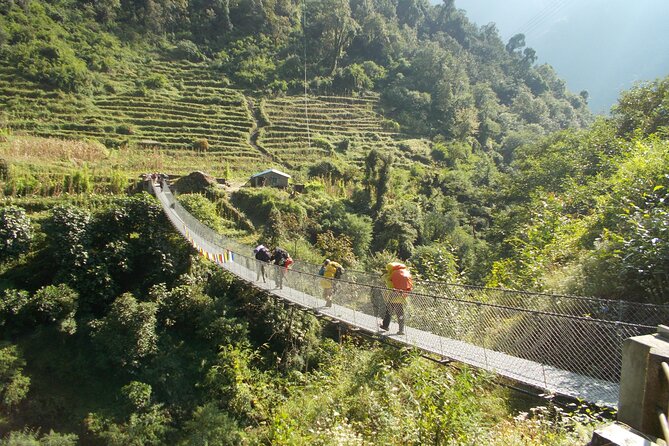
After Base Camp, Day 6 brings you back toward Sinuwa and bamboo areas. Retracing your steps can sound like a letdown, but it usually works in your favor. You already know the terrain shapes, so your brain relaxes. It also gives your body a chance to adjust as you move down, which is a big deal after altitude day.
This day also gets described as passing through sanctuary-like landscapes with a wetland feel. If the trail has been dusty and dry, this type of green, damp atmosphere can feel like a reset. Plus, when you are descending, you tend to notice different details, like water sound and forest texture, more than just views.
Day 7 continues the return route, heading toward Jhinu Danda, then up again toward Kuldighar, and descending back toward Chhomrong Khola. You also climb stone steps again to Chhomrong. Steps show up repeatedly on this trek for a reason: the valley walls are steep, and the trails use the terrain’s own structure.
This is a day where your feet will remember yesterday. The win is that you are usually not as altitude-limited on the way down. Your biggest battle becomes your ankles and knees. The tip here is simple: take the downhills carefully and aim for smooth, controlled steps. No hero moves.
From Jhinu Danda to Pokhara, then scenic breaks that feel earned
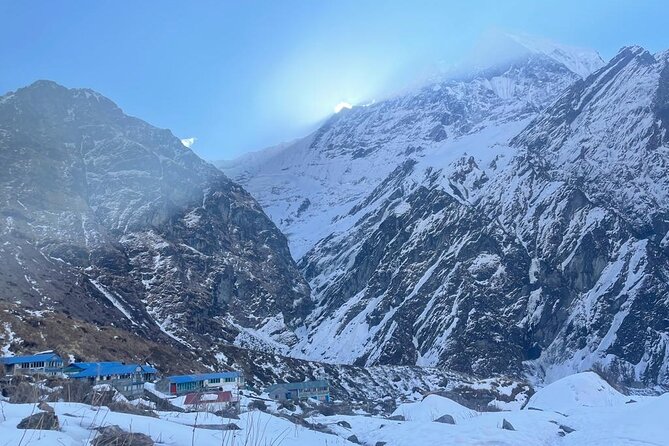
Day 8 takes you back to Pokhara, trekking along countryside toward Nayapul. The description includes distant views of the Annapurna Mountains and wet farms with rice plantations. That rice-and-mountain combo is why this trek does not feel like only hardship. You still get daily scenery, even on the last trekking legs.
Once you are back in Pokhara, the plan includes Phewa Tal and Sarangkot. This is where you get to see the Himalaya in a more relaxed frame. Phewa Tal is a calm lake moment, and Sarangkot is a viewpoint area that gives you a classic Pokhara panorama feeling. These are not just bonus stops. They help you land the trek emotionally, before you go back into Kathmandu hustle.
Day 9 drives you back to Kathmandu and includes Patan Durbar Square. Patan’s vibe is often calmer than Kathmandu’s core, and it makes a nice cultural landing after your mountain rhythm. You are not forced to treat the final day as an all-out sightseeing sprint.
Day 10 is your final Kathmandu wrap-up with Garden of Dreams and Narayanhiti Palace Museum, then assistance to the airport. If you are the kind of traveler who wants your last hours to be pleasant instead of exhausting, the included gentle pacing helps a lot.
Price and value at $699, what you are really paying for
At $699 per person, the headline number looks straightforward, but the real value is in what is covered. Your package includes transfers from and to the airport, 2 nights in Kathmandu and 2 nights in Pokhara with breakfast, plus 6 nights in tea houses during the trek. Transportation is handled too, with Kathmandu to Pokhara by tourist bus, then Pokhara to Nayapul by private car, and your return.
It also includes a government licensed guide and a first aid kit, plus a farewell dinner with a cultural show. On a trek like this, those items are not small. A good guide and safe operations are a major part of what you pay for, even when the trek still feels like it is all about your own legs.
What is not included is also important. Lunch and dinner in Kathmandu and Pokhara are listed as extra at $150 per person, and gratuities are $50 per person. That does not mean the trip is expensive. It means the $699 is more like the trek-and-essentials foundation, then meals in cities are up to you. If you plan to eat at tourist-friendly places, that budget can be realistic, but it is still money to plan for.
One more cost note: there is an option for a different language speaking guide for an extra $200 per group. If language is key for you, ask early so your plan matches your expectations.
Guides, porters, and the small group feel that people remember
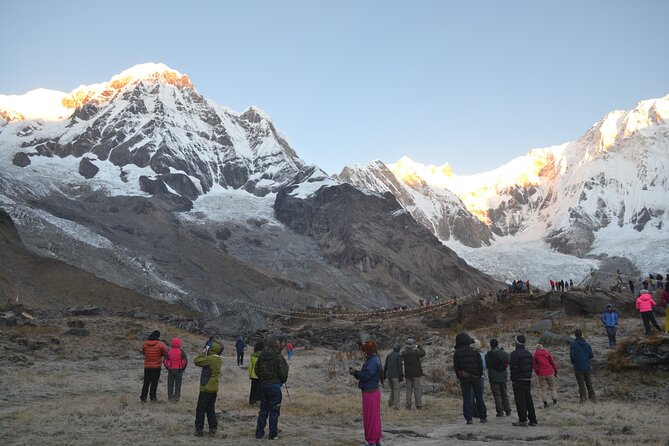
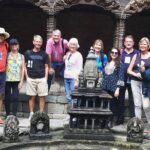
This trip caps at a maximum of 12 people per booking, and it is described as private, meaning only your group participates. That matters more than it sounds. Smaller groups mean you are less likely to get lost in the crowd during logistics, and it is easier for the guide to notice who needs a breather.
The guide is described as a government license holder trekking guide. Your trip also includes team first aid awareness, plus a first aid kit and guidance on closest medical facilities. That is the backbone of a safety system on a remote route.
The most praised part in people’s experiences is the support style. Named help in the trekking stories includes Santosh and Asok, along with porters such as Dibo, Varat, and Raju Simkhada (Rash). The themes are consistent: friendly guidance, professionalism, and care that feels personal instead of robotic. One reason this matters is simple. On a trek, motivation fades. A good guide helps you keep moving without turning every day into a struggle.
Altitude, weather, and how to prepare without overthinking
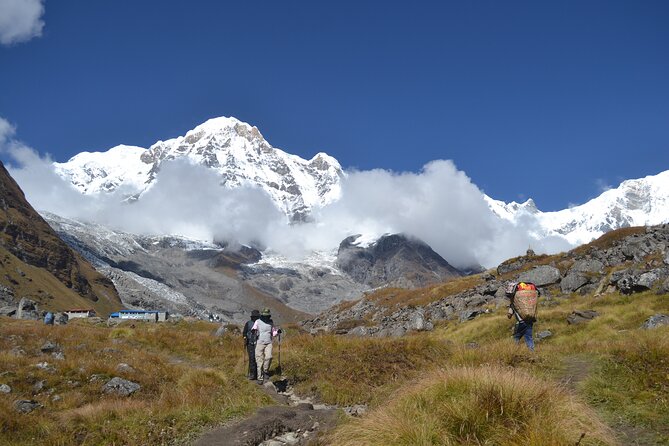
Even with a well-run trek, this is a high-altitude hike. The notes warn you about extreme weather variations and the possibility of adverse health effects at altitude for any traveler. That is why discussing the trip with your doctor is strongly recommended.
What you can control, beyond medical advice, is your pacing strategy. For most people, the biggest mistake is going too fast early because the scenery is so good. You will do better by starting slow, staying hydrated, and treating discomfort as a signal to adjust, not to push through blindly.
Also, do not assume you will have everything you need in advance. The plan says required trekking gears are available in Kathmandu to buy or rent, and your guide helps arrange it. That is a relief if you travel light or forgot something obvious like gloves or a warm layer.
Finally, the trip expects you to have travel insurance that covers medical expenses and emergency repatriation, and you must show proof to the tour leader on day 1. This is non-negotiable for high-altitude trekking. If you skip it, you take on risk that is not worth it.
Should you book this Annapurna Base Camp trek?
I’d recommend this trek if you want the classic Annapurna Base Camp experience with a structured support system, not a do-it-yourself scramble. The $699 price looks fair because key costs are handled: hotels, airport and local transfers, tea-house accommodation, guided trekking, and operational essentials like taxes and a first aid setup.
It is especially a good fit for couples and for people who value a guide who actually shows up, from the first Kathmandu meeting to the final airport drop. You’ll also like it if you want a small group size, because that tends to make the days feel calmer and more personal.
Skip or rethink it if altitude is a concern you have not discussed with a medical professional, or if you are not comfortable paying extra for city meals and gratuities. If road travel on either side of the trek will stress you, plan your expectations accordingly, because the itinerary includes multiple transport legs.
If you want a trek where logistics are handled well and the support gets praised by name, this Annapurna Base Camp trip is a strong contender.
FAQ
How high does the trek go on this Annapurna Base Camp itinerary?
The trek reaches Annapurna Base Camp at an altitude of about 4,130m (13,550 feet).
What parts of the trip are included in the $699 price?
The package includes airport transfers, 2 nights in Kathmandu and 2 nights in Pokhara (with breakfast), tea-house accommodation for 6 nights during the trek, Kathmandu-Pokhara-Kathmandu transport by tourist bus and private car for Pokhara to Nayapul, a government-licensed trekking guide, a first aid kit, and a farewell dinner with cultural show. Breakfasts are included during the trek days listed as well.
What is not included, and what extra costs should I budget for?
Lunch and dinner in Kathmandu and Pokhara are listed as an extra $150 per person, and gratuities are listed as $50 per person.
Do I need travel insurance for this trek?
Yes. Travel insurance that covers medical expenses and emergency repatriation is required, and proof must be shown to the tour leader on the first day.
Is the group small?
Yes. The maximum is 12 people per booking, and the trip is described as private for your group only.
Is airport pickup included?
Yes, transfers from and to the airport are included, and you need to send your Nepal arrival details so they can pick you up.
Will I need a doctor’s approval due to altitude?
The trip information recommends that you discuss the trek with your doctor prior to departure because altitude at around 4,130m can cause health effects for anyone.
Can I rent trekking gear in Nepal before I start?
Yes. Required trekking gear is available in Kathmandu to buy or rent, and your guide helps arrange it.
More Hiking & Trekking Tours in Kathmandu
More Tour Reviews in Kathmandu
Not for you? Here's more nearby things to do in Kathmandu we have reviewed


Annapurna Treks from Kathmandu, compared.
 ★ 5.0Annapurna Circuit Trek with Tilicho LakeFrom $1,093368 reviews
 ★ 5.0Annapurna base camp trek 5 DaysFrom $699252 reviews
 ★ 5.0Annapurna Base Camp TrekFrom $935111 reviews
 ★ 5.0Kathmandu to Annapurna Base Camp (ABC) 5-Day TrekFrom $99102 reviews
 ★ 5.0Annapurna Circuit TrekFrom $1,17594 reviews
 ★ 5.04 Days Poon Hill TrekFrom $40594 reviews
 ★ 5.0Annapurna Base Camp Trek 12 DaysFrom $80085 reviews
Annapurna Base Camp TrekFrom $78581 reviews
★ 5.0Annapurna Base Camp Trek 12 DaysFrom $80085 reviews
Annapurna Base Camp TrekFrom $78581 reviews
Browse the lists this tour appears in