

REVIEW · ANNAPURNA TREKS FROM KATHMANDU
14 Days Annapurna Circuit Trek
Two big passes, one unforgettable circuit of Nepal. What makes this trip really interesting is how it strings together Kathmandu culture, high-altitude trekking, and a calmer end in Pokhara. I like the built-in acclimatization day in Manang, and I also like the guide and porter support structure that keeps you moving without feeling abandoned.
One thing to consider up front: the trek’s end involves a Jomsom to Pokhara flight that is not included, so you need to budget time and money for that gap.
Key highlights you will feel on the trail

- Manang acclimatization day: a full day to adjust before you push toward Thorong La
- Support ratios: 1 porter for each 2 trekkers, plus a guide and assistant for larger groups
- Day-trip pacing that still feels real: long travel days early, then proper trekking rhythm
- Cultural stops with meaning: Tibetan-influenced Manang and sacred Muktinath temples
- Big pass day: the Thorong La crossing is planned as an early, high-effort day
- Smooth wrap-up in Pokhara: International Mountain Museum and Devi’s Fall with tickets included
Kathmandu warm-up: Thamel gear time and valley temple beats

Your trip starts in Kathmandu at Tribhuvan Airport, with pickup and drop-off by private vehicle. The first day is mostly about getting your bearings and making sure your logistics are handled. If you want the trek to feel easier later, this is the right approach: take it slow, meet your guide, and get your documents sorted while you still have signal and options.
Then there is Thamel, the practical trekking hub. You’ll have time to do some shopping for gear with your guide’s help. I like this setup because it saves you from scrambling later on the trail for basic items you forgot. You can also walk around and soak up the pre-trek energy without committing to anything intense.
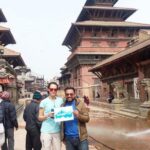
Day 2 is your preparation day in the Kathmandu Valley, with temple visits that help you understand the Nepal you’re about to leave behind. You visit Pashupatinath Temple and Boudhanath Stupa, both strong anchors for Nepal’s religious life. I find that doing one or two major sites early makes the rest of the trip feel less like a checklist and more like you are moving through real places with real traditions.
You can also read our reviews of more hiking tours in Kathmandu
What could feel challenging here
Kathmandu days can be busy in the sense of traffic, noise, and decision-making. Even if the itinerary gives you walking time in Thamel and a calm temple day, you still need to manage your energy. Keep your plans light and sleep when you can.
The long drive to Chame: when the circuit starts to feel remote
Getting to the trekking start is not a quick hop. The trip includes a drive from Kathmandu to Besisahar (about 175 km, typically 6 to 7 hours), then another scenic drive by shared Jeep from Besisahar to Chame (about 10 to 11 hours). That is a lot of hours sitting down, and it matters.
Why I think this matters for you: Nepal’s trek routes feel different when you arrive by road. You see how quickly the environment changes as you leave the main city orbit behind. Also, those hours give you a natural ramp-up time. By the time you start hiking, you are not mentally rushing from jet lag straight into steep terrain.
Even with the long travel day, the early sections tend to be your best time for getting comfortable with basic trek routines like steady pacing and how you’ll handle your day pack. If you are the type who gets anxious about logistics, ask your guide questions now. Once you are off-road, you will want clarity.
Chame to Pisang to Manang: forests, bridges, and Tibetan-flavored culture
After arriving in Chame, day 5 begins the trek toward Pisang. This is where the itinerary shifts from transport days to walking days. You trek through varied terrain, including forests and bridges, and you get views of Annapurna II and Lamjung Himal. Pisang is also a useful “first big taste” stop. You don’t just reach a village, you get time to watch how the trail climbs and how the air changes as you gain height.
Day 6 continues toward Manang. The trek gradually ascends, and the Himalayan peaks become more prominent as you approach. When I look at this part of the circuit, I see the pattern you will repeat later: steady climb, growing view scale, and villages that feel built for life at altitude.
Then Manang takes over the story. Manang is a Tibetan-influenced village, and that cultural angle is not a throwaway detail. It changes the feel of the trip. Instead of only chasing scenery, you get to experience a different local culture shaped by mountain life and trading routes.
A realistic note on this section
Days 5 and 6 include substantial trekking time (your itinerary shows long hours). That means you should treat these early trek days like training, not just sightseeing. Walk consistently, drink enough, and keep your effort smooth.
Manang acclimatization day: the part people thank you for later

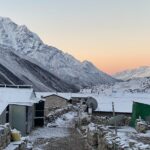
Day 7 is your acclimatization day in Manang. You do it on purpose, and that matters more than most travelers realize. The itinerary is explicit that this is crucial to prevent altitude sickness, and I agree with the logic. A circuit trek that includes a pass crossing is not the place for bravery without planning.
On this day, you can explore the area, with guidance and time to settle. You’re not meant to conquer big distances here. You’re meant to let your body adjust. If you can, this is also a good day for checking your gear, drying things that got damp, and making sure you know how you’ll handle your next stages.
Practical advice for your acclimatization day
Even if the itinerary says you can explore, keep movement moderate. Hydration and rest are not optional. If you feel off, tell your guide early. Your guide’s job is to keep you safe, and a plan works best when you communicate how you feel.
Yak Kharka to Thorong Phedi: rugged terrain and a quieter kind of focus

From Manang to Yak Kharka on day 8, you enter more barren terrain. Yak Kharka is known for rugged beauty, and the scenery becomes harsher in a good way. The trail leads you through landscapes that look more exposed, with panoramic views that can feel dramatic because the terrain around you is less “busy.”
By day 9, you trek from Yak Kharka to Thorong Phedi, at the base of Thorong La pass. The route is described as gradually climbing through rocky terrains and glacial moraines. This is the zone where your mind usually shifts into “tomorrow mode.” You start thinking about footing, pace, and staying warm.
Why Thorong Phedi matters
Thorong Phedi is not just a point on a map. It is your runway for pass day. If you treat day 9 carefully, day 10 becomes safer and more manageable. The itinerary’s structure sets you up for an early start on the pass crossing, so your sleep, warmth, and energy on day 9 directly affect how you feel in the morning.
Thorong La crossing and Muktinath: the day that earns its reputation

Day 10 is the big one. You start early and ascend steeply to cross Thorong La pass at a very high altitude (the itinerary doesn’t give a number, but it does emphasize how impressive it is). Expect a challenging day. It’s not just “up and over.” Your legs, lungs, and focus all have jobs.
Then you descend gradually toward Muktinath. Muktinath is sacred for both Hindus and Buddhists, and you’ll have time to visit the temples. I like this emotional shift. You go from the hardest physical work of the trek into a place where spiritual sites and calm attention take over. It helps the day feel complete, not just exhausting.
Jomsom comes next, not as a scenic afterthought
After Muktinath, the itinerary continues with a drive toward Jomsom. Day 10 includes about 10 hours of travel. You descend through a windswept valley into a stark contrast from the earlier lush areas. Jomsom is described as tranquil, with apple orchards nearby. Even if you don’t have time to linger, the environment change is real, and it resets your expectations for the final days.
Jomsom to Pokhara era: the circuit ends, the trip keeps going

Jomsom is where the circuit transitions into lower-elevation life. Your itinerary has you reach Jomsom, then head onward to Pokhara. Here’s the key point: the flight from Jomsom to Pokhara is not included. So you’ll need to plan that part carefully.
Once you’re in Pokhara, your trip includes sightseeing time and ticketed activities. You get a chance to explore the International Mountain Museum and visit Devi’s Fall with admissions included. I like these two stops because they give you context. The museum helps you connect the mountains you just walked around to the bigger story of Nepal’s high-altitude world. Devi’s Fall adds a different kind of Nepal, where water and geology do the talking.
Then, you have a scenic drive back to Kathmandu through rural countryside, winding rivers, and lush valleys. The itinerary repeats this “rural drive” feel in the back-half, and it’s a nice way to close the loop. You’re not immediately back in big-city chaos. You ease out of it.
How the guides and porters change the value of the trek

This is not a self-guided hike. The trip includes a professional certified trekking guide and 1 assistant guide for each 6 trekkers. You also get a porter for each 2 trekkers. That portering ratio is a big part of why this can feel like good value, even when the cost is not budget-low.
Here is what that means for you in real terms:
- You can pack with less panic. You still need to carry what you need, but you’re not hauling everything yourself.
- Your pace becomes steadier. A well-run team helps you avoid energy crashes that come from pushing too hard early.
- Decisions become simpler. Your guide handles routing, timing, and the day-to-day practical stuff.
The support is backed up by how Yolo Hike communicates. In past experiences, their team has been praised for quick responses to questions and for keeping trip planning flexible. A name that comes up is Alin, described as supportive and ready to adjust when needed. That kind of responsiveness matters most when weather or timing nudges your plans.
Lodging and meals are part of the comfort equation
You get 2 nights accommodation in Kathmandu and 2 nights in Pokhara on a twin-sharing basis, plus 9 nights accommodation in the trekking area on twin sharing. For food, the trip includes breakfast (13), lunch (9), and dinner (9). You also get guide and porters lodging, food, insurance, and salary included.
I think meal inclusion is underrated. When you’re trekking at altitude, meal timing and hot food access can affect energy and morale. This itinerary includes set meals, which keeps you from having to negotiate your day’s calories while your body is already working hard.
Price and logistics: what $900 really buys you
At $900 per person for a roughly 14-day trek, this isn’t “cheap,” but it can be a fair price when you look at what is included. In your case, the package covers:
- private airport pickup and drop-off by vehicle in Kathmandu
- certified guide and assistant guide support
- porter support (1 per 2 trekkers)
- lodging in Kathmandu, Pokhara, and the trekking area
- most meals across the trekking days
- many fees and taxes
What you still need to handle yourself includes personal nature expenses like bar bills and shopping, plus tea, coffee, and hot water. Personal expenses are not included, and most importantly the flight from Jomsom to Pokhara is not included.
If you are comparing costs to a bare-bones plan where you manage your guide and meals separately, this package can look better. You’re paying for coordination and labor. If you are someone who wants less hassle and more predictability, the value is in the support system.
The one financial “gotcha” to budget for
Even with a good package, the Jomsom to Pokhara flight can be a meaningful extra. If you plan around that early, you won’t feel surprised at the end.
Who this trek suits best, and who should think twice
This trek is designed for people with strong physical fitness. The itinerary includes long trekking days and a high-effort Thorong La crossing day. If you know you can handle altitude travel and sustained hiking, you’ll likely love the pacing and the variety.
This experience also suits you if you want cultural stops built into the route, not tacked on later. Pashupatinath, Boudhanath, Manang culture, and sacred Muktinath temples give you a “Nepal beyond peaks” view.
Consider thinking twice if
If you are very sensitive to long travel days, note that the road sections are long, including the Chame drive. Also, if you dislike planning around flights at the end, remember the Jomsom to Pokhara flight is not included.
Should you book this Annapurna Circuit trek with Yolo Hike?
I’d tell you to book if you want a classic Annapurna Circuit with real structure: acclimatization in Manang, a planned pass day, and a supported team on the trail. The mix of trekking and cultural stops, plus included meals and lodging, helps this feel like an organized adventure rather than a stressful logistics puzzle.
I’d pause before booking if you don’t want to handle the Jomsom to Pokhara flight, or if you’re not comfortable with long trekking and early starts.
If you do book, do one simple thing that pays off: ask Alin or the team any questions you have before you arrive so your trekking day expectations match reality. Quick responses and flexible planning have been part of what people appreciated most, and you’ll feel that benefit when the trip gets real on the trail.
More Hiking & Trekking Tours in Kathmandu
More Tour Reviews in Kathmandu
Not for you? Here's more nearby things to do in Kathmandu we have reviewed


Annapurna Treks from Kathmandu, compared.
 ★ 5.0Annapurna Circuit Trek with Tilicho LakeFrom $1,093368 reviews
 ★ 5.0Annapurna base camp trek 5 DaysFrom $699252 reviews
 ★ 5.0Annapurna Base Camp TrekFrom $935111 reviews
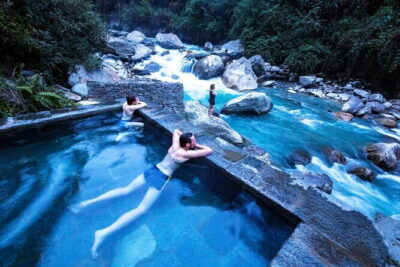 ★ 5.0Kathmandu to Annapurna Base Camp (ABC) 5-Day TrekFrom $99102 reviews
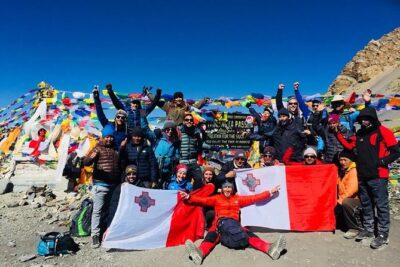 ★ 5.0Annapurna Circuit TrekFrom $1,17594 reviews
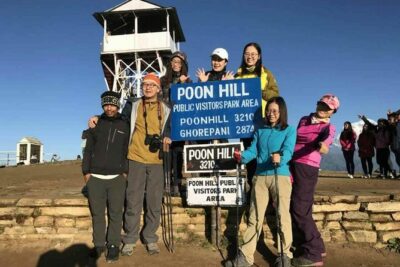 ★ 5.04 Days Poon Hill TrekFrom $40594 reviews
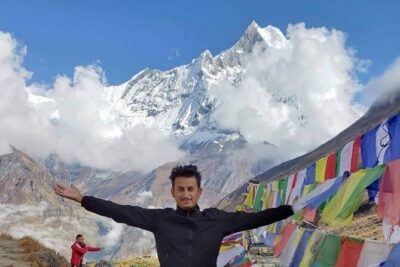 ★ 5.0Annapurna Base Camp Trek 12 DaysFrom $80085 reviews
Annapurna Base Camp TrekFrom $78581 reviews
★ 5.0Annapurna Base Camp Trek 12 DaysFrom $80085 reviews
Annapurna Base Camp TrekFrom $78581 reviews
Browse the lists this tour appears in