
REVIEW · ANNAPURNA TREKS FROM KATHMANDU
11-Day Hike Tour to Annapurna Base Camp Bliss in Kathmandu
Base Camp, big views, and real mountain days.
This 11-day Kathmandu to Annapurna Base Camp trek is built for a classic rhythm: flight into the region, steady trail days through villages, then sunrise moments at altitude. I like that guides handle the route and safety, and I also like that your trekking time is paired with thoughtful breaks, like Poon Hill viewpoints and the Jhinu natural hot spring. One thing to weigh, though, is that the itinerary includes long hiking days and weather can matter a lot when you’re headed for higher elevations.
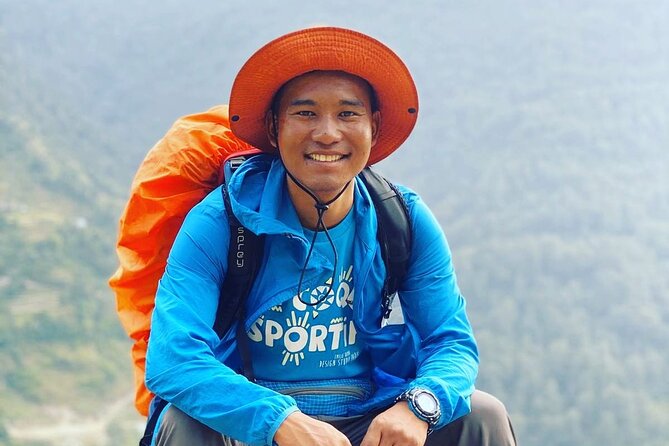
I saw names like Raju and Bishal come up in positive reports, and that lines up with what you want on this trek, planning, pacing, and calm problem-solving if conditions turn cold or windy. Your base camp target sits at 4,130 meters, so the trek is not just a pretty walk, it’s a real altitude experience. If you’re prone to altitude issues or you hate being uncomfortable for hours, you’ll want to be honest with yourself and build in slower effort.
Key Highlights I’d Target on This 11-Day Annapurna Base Camp Trek
- Poon Hill viewpoint early on, a payoff stop for Mt. Annapurna and Fishtail views before you descend toward Ghorepani
- A guided, step-by-step approach with experienced staff support, including porters praised for taking care of people on the trail
- Chhomrong and nearby Gurung culture moments, a useful reminder that this trek is lived in, not just photographed
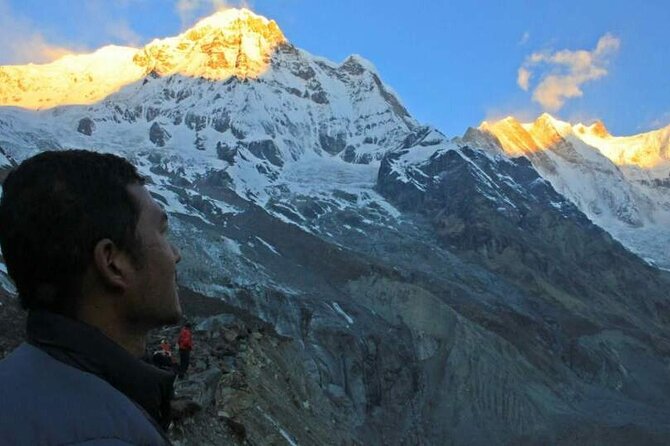
- Sunrise at Annapurna Base Camp for that first-light feeling at 4,130 meters
- Jhinu Danda hot springs after steep downhill effort, the kind of recovery your legs will beg for
- Meal planning included across the trek (breakfast and lunch every trekking day, plus most dinners)
From Kathmandu to Pokhara, Then Into Trekking Mode
Kathmandu is where you start, with an airport welcome at Tribhuvan International Airport and a transfer by private vehicle to your hotel. This matters more than it sounds. Nepal airports can be chaotic, and having someone meet you helps you get out of “arrival stress” fast and into “I’m on vacation” mode.
Then you fly to Pokhara via a domestic route. Pokhara is a key staging point for Annapurna treks, because it’s close enough to start hiking without long road days eating up your limited vacation time. After you arrive, you continue toward the trailhead area, with Nayapul and Tikhedhunga appearing in the early hiking portion.
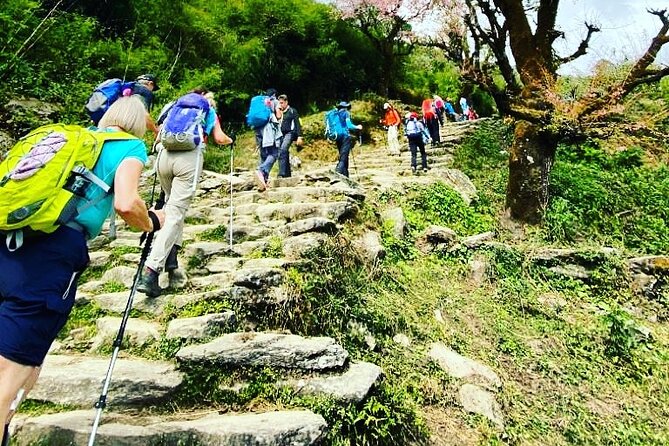
Day 2 sets the tone: you’re moving into a village-trail environment right away. Expect a start that feels manageable, but also expect that the trek will ramp up quickly. The itinerary includes climbing steps early (Tikhedhunga is famously tied to stair-heavy routes), so if you want your first day to feel smooth, use a slow pace and take breaks before your legs protest.
The biggest practical tip for this stage is simple: keep your daypack light and put anything nonessential away. Your knees will notice, especially once stairs show up.
You can also read our reviews of more hiking tours in Kathmandu
Tikhedhunga, Nayapul, and the Stair-Heavy Start You Should Prepare For
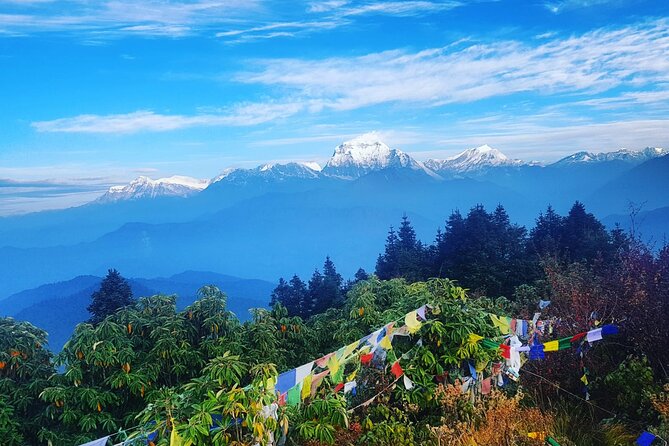
Nayapul is one of the common starting points for Annapurna region routes, and from there the trail pushes you toward Tikhedhunga, a small village inside the Annapurna Conservation Area. Tikhedhunga is known as a gateway village, and you’ll feel that right away because the trail is established and busy enough to feel safe, but still quiet enough to hear your own footsteps.
What I like about this beginning is the sense of transition. You go from road and airport logistics into footpath life in one day. That’s not always comfortable, but it does help you acclimate mentally. You’re not just jumping from city to high mountains. You’re easing in.
The potential drawback is that those early steps can feel like a shock if you’re used to flatter walking. The more fit you are, the easier it is to treat this as a warm-up. If you’re not, start slow, keep your breathing under control, and don’t try to power up.
If you bring trekking poles, they can help on repetitive steps, but a trekking stick is the only optional item mentioned by the tour, and even that is not compulsory. You can buy one in Thamel if you want it before departure, usually within a budget of about $3 to $20.
Ghorepani and Ulleri: Suspension Bridge Energy and Long Stair Effort
Your next major anchor is Ghorepani, with a route that includes crossing a suspension bridge over the Tikhedhunga stream. That’s the kind of moment you’ll remember, not because it’s dramatic, but because it tells you you’re officially on the main track.
The itinerary also references Ulleri and a climb of about 3,300 stone stairs. That’s a lot of stairs, even by trekking standards. In practical terms, this is where good pacing matters most. If you go out too fast on the stair section, you’ll pay later when you’re trying to enjoy viewpoints.
Ghorepani is also a useful stop for getting your energy back. It’s part of the Poon Hill rhythm. You’ll use it as a base for early sunrise viewing and then another downhill effort afterward.
Here’s my advice: treat the stair climb like intervals, not a race. Short breaks count as progress. Drink water steadily, and keep snack timing simple, something you can eat without fuss.
Poon Hill Sunrise and Tadapani: Your View Payoff Day
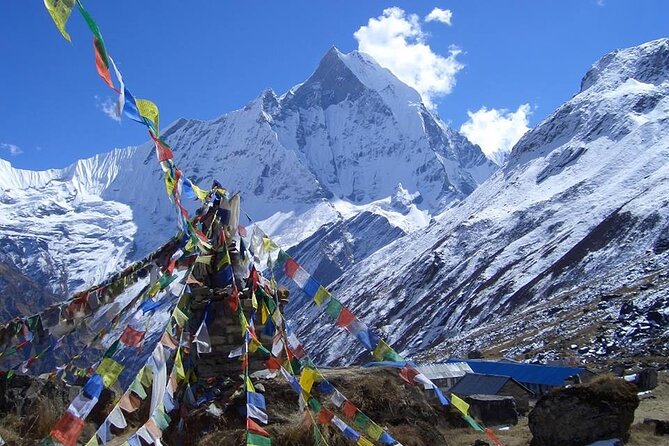
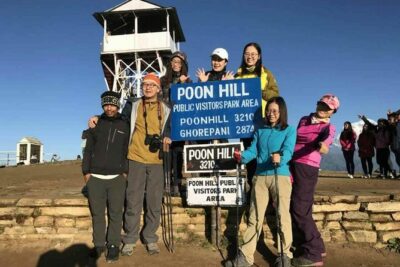
One of the best “value per effort” days on the trek is the one built around Poon Hill. Poon Hill is the viewpoint for seeing Mt. Annapurna and Fishtail. It’s also a classic reason to get up early, because the light and visibility can be spectacular when you’re positioned right.
The day is structured so you hike up for the viewpoint, then you descend back toward Ghorepani for breakfast before continuing onward to Tadapani. The Tadapani stop is at about 2,590 meters (8,497 feet), which means you’re gaining elevation but still staying in a zone where you can continue without being overwhelmed.
Rhododendrons and alpine scenery come up on this route. Even if you don’t catch clear skies, the day still has rhythm: viewpoint climb, breakfast, then a continued downhill-then-level travel pattern before your next overnight.
Potential drawback: the early wake-up can feel harder than the hiking. If you’re someone who struggles with early mornings, plan for it mentally. Bring a layer you can quickly put on when you step out for sunrise, because mountain mornings can be cold.
Chhomrong and Sinuwa: Where Culture and Views Meet
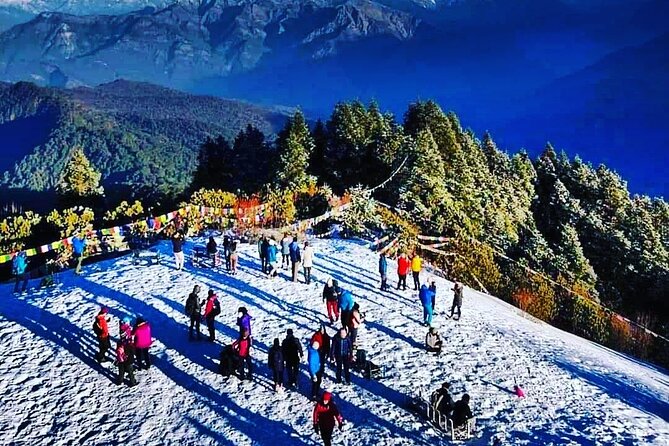
Day 5 includes stops around Sinuwa and Chhomrong. Chhomrong is described as a picturesque village in the Annapurna Conservation Area, and it’s also one of the points where trekkers connect the landscape to real communities. The itinerary specifically mentions Gurung ethnic group culture around the area, which is a reminder that this trek passes through homes, not just scenery.
You also get view references here, including mirror-like glimpses of Mt. Annapurna South and Hiunchuli from areas near the trail around Chhomrong. Even when the view isn’t crystal clear, you still get a sense of how the peaks frame the valleys.
In terms of effort, this part of the trek can feel long. The itinerary notes a long day coming out of the previous section, and when you’re tired, villages are a good place to steady your pace. The more you control your effort here, the easier the upcoming elevation push feels.
My practical suggestion: use village stops to reset. Eat something warm, take a few minutes to stretch calves, and keep your water intake consistent. It’s not exciting, but it’s the difference between feeling good at dinner and feeling wrecked.

Deurali: Rhododendron Forest Walking and Modi Khola Along the Way
Deurali is your next elevation anchor. The itinerary describes rocky trail sections inside dense rhododendron forests, and it also points you alongside the Modi Khola.
This is the day where the trek starts to feel more “mountain trek” and less “village trek.” Rhododendron forests can make the walking feel cooler and shaded, which helps when you’re climbing. But rocky sections can still be demanding, so your footing is part of your work.
There’s also mention of bamboo running through the area later on. That detail matters because it signals a change in vegetation, and those transitions often correlate with changes in weather and temperature. Plan layers and keep your “on and off” clothing strategy simple.
If you start feeling unusually tired, don’t try to brute-force Deurali. Altitude and fatigue can team up fast. Slow down and focus on steady breathing.
The Approach Day Toward Base Camp: Peaks in Sight, Machhapuchare Energy
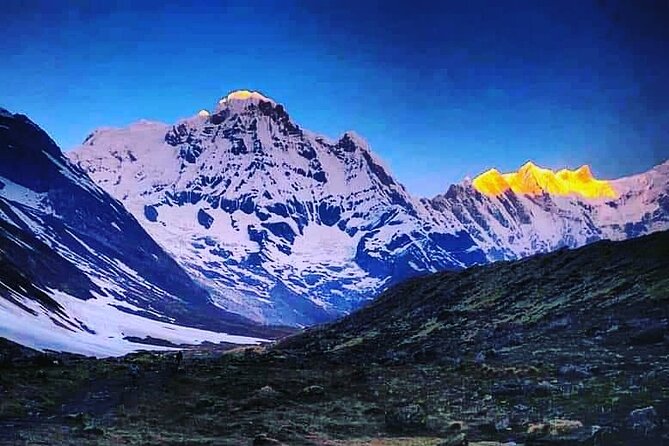
Day 7 is a big “close encounter” day. The itinerary calls out views of Fishtail, Annapurna III, Gangapurna, and Annapurna I. It also references Machhapuchare base camp areas, before continuing toward Annapurna Base Camp.
This is exactly the kind of day you should expect to feel both energized and exhausted. Even when you’re not totally sure of the exact angles, the names alone tell you what’s going on visually. This is where the peaks start to sit in your line of sight like you’re inside the amphitheater.
The walking time listed is long, and you’ll probably feel it. The key is to stay calm and controlled. If you get too “thrilled,” you can accidentally speed up and trigger altitude stress.
The good news is that this is also when the trek starts to feel “worth it” beyond just reaching a point. Your brain starts to connect the dots between earlier villages and what you’re seeing now.
Annapurna Base Camp at 4,130 Meters: Sunrise and the Quiet After the Climb
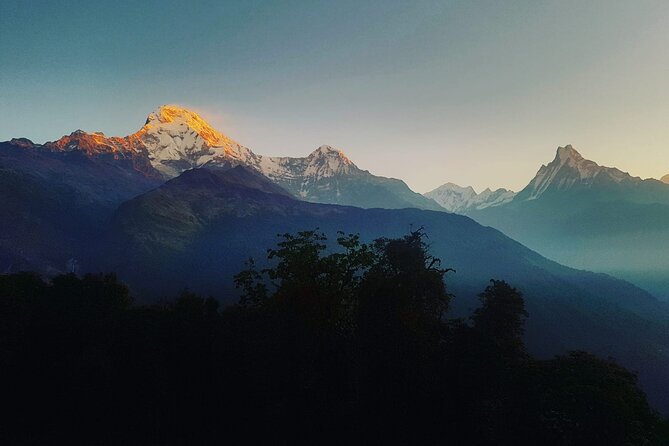
Reaching Annapurna Base Camp is the highlight: the camp sits at 4,130 meters. Your itinerary includes time at the base camp and specifically includes a sunrise moment, described as a walk around the cliff of base camp for sunrise over Mt. Annapurna.
Sunrise at altitude does two things. First, it gives you light that makes peaks look sharper and closer. Second, it forces you to slow down. Even if you’re excited, you’ll probably find yourself moving more carefully and watching the sky more than you’d expect.
You then retrace your steps down to Sinuwa. That down day matters, because it’s where you stop paying for earlier climbs and start focusing on leg recovery. The itinerary suggests you’ll have breakfast and then trek down, which is the right sequence. Eat, move gently, then descend.
One consideration: Base camp weather can change quickly. Your photos will be great if clouds clear, but your comfort will depend on your layers. Keep your warm clothing accessible so you don’t waste time digging while it’s cold.
Jhinu Danda Hot Springs: The Best Reward for a Steep Downhill Day
Day 9 drops you toward Jhinu Danda, with a note that the descent is extremely steep from Chhomrong. That’s not a small detail. Steep downhill can be more punishing than uphill because it loads your knees and forces constant braking.
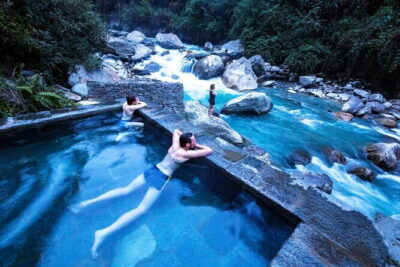
The reward is the natural hot spring at Jhinu Danda. Being able to sit in warm water after a hard descent is one of those simple joys you can’t fully plan for. It’s a mental reset as much as a physical one.
The tour also states breakfast, lunch, and dinner included on this day. That’s a big convenience here because after steep trail effort, you don’t want to spend energy figuring out meals. You want a predictable plan so you can recover.
If you want to make the hot spring experience better, go a little slow after soaking. Your legs may feel loose, and that can trick you into moving fast. Take it easy, drink water, and let your body cool down gradually.
Pokhara Break and the Lakeside Reset: Devi’s Fall, Peace Stupa, Phewa Lake
After the trek, you head back to Pokhara. The itinerary includes sightseeing time around Devi’s fall, peace stupa, and boating in Phewa lake, plus time to enjoy nightlife around lakeside.
This is where you should switch your mindset from survival hiking to easy strolling. You’ll likely feel tired in a good way, the kind that reminds you you earned the rest.
Even if you don’t plan a packed day, I’d still prioritize at least the lake and one scenic stop. It’s a clean way to mark the end of altitude effort and keep the trip from feeling like “walk, sleep, repeat” until the end.
There’s also a mention of Siwai as a starting point for trekkers who begin the Annapurna Base Camp trek from road access. In practice, treat it as a note that the route has multiple trailhead options, and the operator can coordinate the best transitions based on the days of your schedule.
Kathmandu Wrap-Up: Thamel and Ason Market Time
On the final day, you fly back from Pokhara to Kathmandu and then hang out around the local market areas of Ason and Thamel. There’s also mention of shopping and time to relax before departing.
This part is underrated. After 10 days of trail routine, a market walk feels easy, even when you’re shopping for small gear or souvenirs. Thamel is a logical place to buy trekking items if you didn’t bring them, and Ason has a different vibe that can be fun for people-watching and quick snacks.
If you still have sore calves, keep your last day gentle. Don’t plan a lot of long walks in Kathmandu just because you can.
Price and Logistics That Actually Affect Your Trek
At $1,300 per person for an approximate 11-day experience, you’re paying for more than the view. You’re paying for the infrastructure that makes the trek safer and smoother: airport transfer in Kathmandu, domestic flight coordination to Pokhara, a guided trekking approach, and meal planning across most days.
The most concrete inclusion is food. The tour lists breakfast (11), lunch (11), and dinner (10). For a trek like this, that’s a real cost saver because meal prices at altitude can add up. It also reduces decision fatigue, which is a big deal when you’re tired.
You’re also getting a private tour model, meaning only your group participates. That can matter if you want slower pacing, more quiet time, or a better fit for beginners. It can also mean the guide can tailor the effort more closely to your ability level.
The guide support seems to be a strong point. People highlight planning, care, and encouragement, including mentions of Raju and Bishal, and porter support like Sandesh and Ishor. That’s important because on the Annapurna trek, the difference between struggling and suffering often comes down to pacing and whether someone helps you listen to your body.
The main drawback to consider is weather reliance and altitude. The tour data notes the experience requires good weather. If weather blocks the plan, you’ll likely face date changes or refunds, but you should still understand that mountains do not follow schedules like cities do.
Who This Trek Fits Best, and Who Should Think Twice
This is a great fit for you if you:
- Want the classic Annapurna Base Camp route with major viewpoint moments like Poon Hill and base camp sunrise
- Prefer a guided experience where route decisions and pacing are handled for you
- Can handle long trekking days and changing conditions at higher altitude
- Like cultural stops in villages, not just peak photos
It might be a rough fit if you:
- Have trouble with altitude or you tend to get sick when conditions change
- Hate steep downhill effort, since Jhinu Danda includes an extremely steep descent
- Want a totally relaxed walking vacation with short days and lots of downtime
If you’re a first-time trekker, you can still do this, as long as you respect pacing. The operator’s guides are specifically praised for taking care of worried beginners and encouraging slow, steady effort.
Should You Book This Annapurna Base Camp Hike From Kathmandu?
I’d book it if your priority is a structured Annapurna Base Camp trek with strong guide and porter support, plus the classic highlights built in. The combo of Poon Hill, Chhomrong culture time, the push toward base camp, sunrise at 4,130 meters, and recovery in Jhinu’s natural hot spring is a very “complete trek” mix for the price.
I would hesitate only if you know you struggle with altitude or if you’re traveling during a time when you can’t be flexible if weather causes changes. If you can travel with patience and you’re ready for long days, this tour has the kind of planning that helps you finish feeling proud, not drained.
FAQ
How much does the 11-day Annapurna Base Camp trek cost?
It costs $1,300.00 per person.
Where is the meeting point in Kathmandu?
The meeting point is in Thamel, Kathmandu 44600, Nepal.
How long is the trek?
The duration is 11 days (approx.).
What meals are included during the trek?
Breakfast is included for 11 days, lunch for 11 days, and dinner for 10 days.
What altitude is Annapurna Base Camp?
Annapurna Base Camp is at 4,130 meters.
Is a trekking stick required?
A trekking stick is not compulsory. If you want one, you can find it around Thamel for about $3-$20.
Can I get a full refund if plans change?
Yes. There is free cancellation, and you can cancel up to 24 hours in advance for a full refund. If canceled less than 24 hours before the experience starts, the amount paid will not be refunded. The experience also depends on good weather.
More Hiking & Trekking Tours in Kathmandu
More Tours in Kathmandu

More Tour Reviews in Kathmandu
Not for you? Here's more nearby things to do in Kathmandu we have reviewed


Annapurna Treks from Kathmandu, compared.
 ★ 5.0Annapurna Circuit Trek with Tilicho LakeFrom $1,093368 reviews
 ★ 5.0Annapurna base camp trek 5 DaysFrom $699252 reviews
 ★ 5.0Annapurna Base Camp TrekFrom $935111 reviews
 ★ 5.0Kathmandu to Annapurna Base Camp (ABC) 5-Day TrekFrom $99102 reviews
 ★ 5.0Annapurna Circuit TrekFrom $1,17594 reviews
 ★ 5.04 Days Poon Hill TrekFrom $40594 reviews
 ★ 5.0Annapurna Base Camp Trek 12 DaysFrom $80085 reviews
Annapurna Base Camp TrekFrom $78581 reviews
★ 5.0Annapurna Base Camp Trek 12 DaysFrom $80085 reviews
Annapurna Base Camp TrekFrom $78581 reviews
Browse the lists this tour appears in