

REVIEW · ANNAPURNA TREKS FROM KATHMANDU
10 Days Annapurna Base Camp Trek from Kathmandu
The Annapurna Base Camp day hits different. This 10-day trek pairs classic Himalayan sights with practical logistics, starting in Kathmandu, routing through Pokhara, then walking your way to the base camp area with village culture along the trail. I like how the plan mixes real trekking with built-in transfers, so you spend less time wrangling transport and more time watching peaks.
Two things I really liked: you get a government-licensed English-speaking trekking guide and your permits and official documents are handled for you. That matters, because paperwork can be the part that steals your energy right before you want to hike.
One consideration: the trek includes permits and guide support, but it does not include food and drinks for you while on the trail, so you’ll want to budget for meals you buy along the way. Also, the listing only spells out hotel nights in Pokhara, so confirm what is included on the trekking nights before you go.
Key Highlights You Will Feel on This Trek

- Licensed guide support plus permits taken care of so you can focus on walking and safety
- Kathmandu to Pokhara and back by tourist bus to cut down travel stress
- Real Annapurna Base Camp approach via Deurali with high alpine forest and avalanche-prone sections
- Day 7 descent with a big elevation drop (about 1,700m) that changes your whole rhythm
- Village-to-village trail days through places like Ghandruk, Chhomrong, Bamboo, and Jhinu Danda
Price, Value, and What Your $490 Covers

At $490 per person, this trek is priced like a “get you to the trail and keep you organized” package. That can be good value, especially if you prefer a guide, permits handled, and transfers lined up.
Here is what is clearly included:
- hotel pick up and drop off
- Kathmandu to Pokhara and back by luxury sofa seat tourist bus
- two nights in Pokhara at a 2-star hotel with breakfast
- a government-licensed English-speaking trekking guide
- trekking permit and all official documents
- transfers for the trek start and finish segments (Pokhara to Nayapul area, plus Siwai back toward Nayapul and on to Pokhara)
- an emergency normal first aid kit with the guide
- guide food, accommodation, and guide expenses
What is not included:
- food and drinks (you buy what you need while trekking)
- gratuities (optional)
So the value math is less about “everything is free” and more about “you pay for planning, permits, guide, and key transport.” If you already know how to handle permits and logistics on your own, you might compare prices for independent trekking. But if you want a straightforward path with English help and a local operator handling the paperwork, this package fits that goal.
You can also read our reviews of more hiking tours in Kathmandu
The Trek Starts With Kathmandu to Pokhara Transfers
Day 1 is a long ride day, and that is not a bad thing. You’re not hiking yet, so you use the time to reset, eat something simple, and avoid day-one overreach.
You are picked up from your hotel and moved to the tourist bus station. The ride to Pokhara takes almost seven hours. Once you arrive, the plan gives you a rest window. Practically speaking, that helps you manage sleep before the trekking starts.
One small detail to check before you go: the published meeting start time is 11:15am, while the day-one description also says early pickup. Since timing can vary by exact departure day, confirm the real pickup time when your confirmation comes through.
Day-by-Day Trekking Route, What Each Stop Feels Like

This is a classic Annapurna Base Camp route with village stops you’ll recognize: Ghandruk, Chhomrong, Bamboo, Deurali, and then the base camp area, plus Jhinu Danda before the return.
Day 1: Pokhara Lakeside for a Reset Day
After the long bus ride, you get time to breathe. Pokhara is where you’ll likely do the little things before you hike, like buying any last supplies, sorting cash, and taking it easy.
Key point: on treks like this, day one is about arriving calm. If you try to force activity after a seven-hour ride, you pay for it later on steep trail days.
Day 2: Nayapul to Ghandruk via Sauli Bazar
You drive from Pokhara to Nayapul, then start walking toward Ghandruk via Sauli Bazar. Expect five to seven hours and a steep hill trail.
Why this matters: Ghandruk is one of those places where you feel the Annapurna foothills take over. You get village life and mountain views without yet being in the thick of the high alpine zone. It’s also a useful first “real trekking day” because it sets your pace for later climbs.
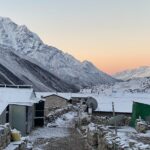
Day 3: Ghandruk to Chhomrong and Gurung Village Life
From Ghandruk you trek through Kumrong danda, with ups and downs, then reach Chhomrung. This stretch is described as featuring typical Gurung people lifestyle and natural attractions.
Practical takeaway: you’ll be moving through changing terrain and altitude, so your plan should be slow and steady. Chhomrong also tends to be a mental milestone, because it’s where the trek starts to feel more serious.
Day 4: Chhomrong to Bamboo With Stream Crossings and Multiple Climbs
Day 4 starts with a steep descent to Chhomrong Khola, then a steep climb after crossing the stream. Expect multiple uphill and downhill sections.
This is one of those days where your legs do the talking. If you start off too fast, the climbs feel sharper by afternoon. If you keep a consistent pace, you’ll arrive with energy to enjoy the scenery around Bamboo.
Day 5: Bamboo to Deurali Through Bamboo and Rhododendron Forest
The trail from Dovan to Deurali is described as short and beautiful, passing through bamboo and rhododendron forests. On the way, you get majestic peak views.
Even if you think you’re a casual hiker, this day is a good signpost: you are moving from village terrain into a more mountain feel. Also, forests can mean you experience sudden changes in light and temperature, so plan to layer.
Day 6: Deurali to Annapurna Base Camp and Avalanche-Prone Sections
This is the big one. You trek from Deurali into beautiful high alpine forests with stunning Himalayan views of snow-capped peaks, then reach Annapurna Base Camp.
The route notes include several spots known for avalanches, which is exactly the kind of detail you should take seriously. It’s a reminder that on high mountain trails, conditions matter. Your guide’s role here is not just storytelling, it’s practical safety judgment.
One more detail that helps you mentally: day 6 is described as about seven hours, so don’t expect a short hop. This is an earned arrival.
Day 7: Back Down to Bamboo, With an About 1,700m Drop
After breakfast, you trek down to Bamboo again. The plan says the trail drops around 1,700m, and you follow the same path back.
This day changes the game. Descents often feel easier than climbs early on, but they can be brutal on knees and quads. Take advantage of your guide’s pace advice, keep steps controlled, and expect your body to feel different than it did on day 6.
Day 8: Bamboo to Jhinu Danda, Steep Ascent and Stone Steps
From Bamboo you trek to Jhinu Danda. The route includes a steep ascent to Kuldi Ghar, then stone steps to Lower Chomrong, followed by another climb toward the destination area.
This day is a good reminder that there are hills everywhere on this trek. You might think you are already “done with climbing” because you turned toward the finish, but the route keeps you working.
Day 9: Jhinu Danda to Siwai, Then Back Toward Pokhara
After breakfast you start trekking to Siwai, then take a shared jeep or bus to Nayapul, followed by a private car or jeep to Pokhara. Day 9 is described as one of the easiest days of the whole trek.
This is where you switch into return-mode. You’ll still walk, but you’re more in the “getting back” rhythm than the “pushing toward base camp” grind.
Day 10: Pokhara to Kathmandu by Tourist Bus
Today you follow the highway back through rivers, hills, and small Nepalese settlements. The bus ride takes about seven hours, dropping you in Kathmandu Valley at the tourist bus park area.
Day 10 is about getting home safely and comfortably after a full trekking week. Plan for a decent dinner and an early night. Your body will be happy you did.
Guides Like Krishna, Amrit, Biru, Milan, Deepak, and Prakash Matter

One of the most praised parts of this trek is the people you hike with. The listing highlights a government-licensed English-speaking guide, and the guide names tied to this experience include Krishna, Biru, Milan, Amrit, Deepak, Sham (organizer), and Prakash.
You’ll feel the difference in small moments:
- guides who explain what you are seeing, like flora and fauna along the trail
- guides who keep safety front and center on steeper or higher sections
- guides who help the day feel lighter with humor and positive energy
If you’re trekking for the views only, that’s fine. But if you want context, comfort, and someone to keep you steady when conditions shift, this kind of guide support is a big part of the trek’s value.
What Transport and Private Touring Actually Changes for You

This is described as a private tour, meaning only your group participates. That matters more than it sounds. On a trek, you don’t want to be stuck adjusting your pace to strangers’ energy levels.
The transportation plan also helps:
- luxury sofa seat tourist bus between Kathmandu and Pokhara
- private vehicle transfers at the trek start and end segments
That cuts down the “how do we get from here to there” stress. It also reduces time wasted in transit, which makes your trekking days feel more focused.
Trekking Reality Check: Your Fitness and the Daily Pace

The trip calls for moderate physical fitness. That is believable for a 10-day itinerary with several 6 to 7 hour hiking days and a high alpine base camp approach.
Here’s the practical way to judge fit:
- If you can handle steep, uneven trails for 5 to 7 hours with breaks, you are likely in the right zone.
- If you want to jog the climbs and power through, this plan will teach humility fast.
The route has plenty of ascents and descents, including a day that drops about 1,700m on the return. So your legs need to be able to handle both climbing and controlled downhill walking.
Food, Water, and Budgeting for Meals on the Trail

Food and drinks are not included in the listed package. That doesn’t mean the trek is unmanaged. It means you’ll be buying what you need along the way.
So plan for:
- budgeting for breakfast, lunch, and dinner during trekking days
- staying flexible if menu options are limited at some tea house stops
If you are the type who needs predictable meals, consider this an opportunity to simplify. Stick to easy foods, drink responsibly, and save your energy for the walking.
Should You Book This 10-Day Annapurna Base Camp Trek With CAN Travels?

Book it if you want:
- a guided Annapurna Base Camp trek with permits handled
- transfers organized so you can focus on the trail
- English-speaking guidance from a team that has supported trekkers with guides like Krishna and Amrit
Skip or ask more questions before booking if:
- you need a fully all-inclusive package for food and trekking-night lodging, because the details provided only clearly cover Pokhara hotel nights
- you’re sensitive to long transit days, since day one and day ten are both about seven-hour bus rides
My bottom-line take: this is a solid value for people who want structure, paperwork handled, and human help on a demanding mountain trek. You’ll earn every view, but you won’t have to earn the logistics first.
FAQ
How long is the Annapurna Base Camp trek?
The trek is listed as 10 days (approx.).
Where does the tour start and what time is the meeting point?
It starts in Kathmandu, with a meeting start time listed as 11:15 am.
Do you get pickup and drop-off in Kathmandu?
Yes. Hotel pick up and drop off are included.
Is the trekking guide included, and is the guide English-speaking?
Yes. The trek includes a government-licensed English speaking trekking guide.
Are trekking permits included in the price?
Yes. Trekking permits and all official documents are included.
What does the price include for lodging?
The package includes two nights in Pokhara in a 2-star labeled hotel with breakfast.
Are meals included during the trek?
Food and drinks are not included. They are available for purchase.
How do the transfers between Kathmandu and Pokhara work?
Transfers are included by luxury sofa seat tourist bus, Kathmandu to Pokhara and back.
What is the cancellation policy?
Free cancellation is available. You can cancel up to 24 hours in advance of the experience’s start time for a full refund. If you cancel less than 24 hours before, the amount paid will not be refunded.
More Hiking & Trekking Tours in Kathmandu
More Tour Reviews in Kathmandu
Not for you? Here's more nearby things to do in Kathmandu we have reviewed


Annapurna Treks from Kathmandu, compared.
 ★ 5.0Annapurna Circuit Trek with Tilicho LakeFrom $1,093368 reviews
 ★ 5.0Annapurna base camp trek 5 DaysFrom $699252 reviews
 ★ 5.0Annapurna Base Camp TrekFrom $935111 reviews
 ★ 5.0Kathmandu to Annapurna Base Camp (ABC) 5-Day TrekFrom $99102 reviews
 ★ 5.0Annapurna Circuit TrekFrom $1,17594 reviews
 ★ 5.04 Days Poon Hill TrekFrom $40594 reviews
 ★ 5.0Annapurna Base Camp Trek 12 DaysFrom $80085 reviews
Annapurna Base Camp TrekFrom $78581 reviews
★ 5.0Annapurna Base Camp Trek 12 DaysFrom $80085 reviews
Annapurna Base Camp TrekFrom $78581 reviews
Browse the lists this tour appears in