
REVIEW · EVEREST BASE CAMP TREKS FROM KATHMANDU
Short Everest Base Camp Trek 10 Days
Your body learns altitude fast.
This 10-day Everest Base Camp trek is built for people who want the big Himalayan goal without spending weeks out there, using Lukla flights to save time and tea house lodge nights so you can focus on the trail.
What I love most is the way the trek is structured around classic Khumbu viewpoints, with the pacing tuned for a shorter “budget” style itinerary, not a summit grind. I also like that you travel with an English-speaking guide and a small group setup (max 15), which makes day planning and decision-making simpler when the air gets thin.
One thing to consider: this is still serious altitude. Even with lodges, permits, and a guide included, you’ll be walking long days and you should be ready for the fact that standard meals are not included, and packing and fitness matter.
Key Highlights You’ll Care About
- Lukla flights shorten the trek and get you moving toward Phakding quickly
- Small group max 15 means less chaos at teahouses and on trail crossings
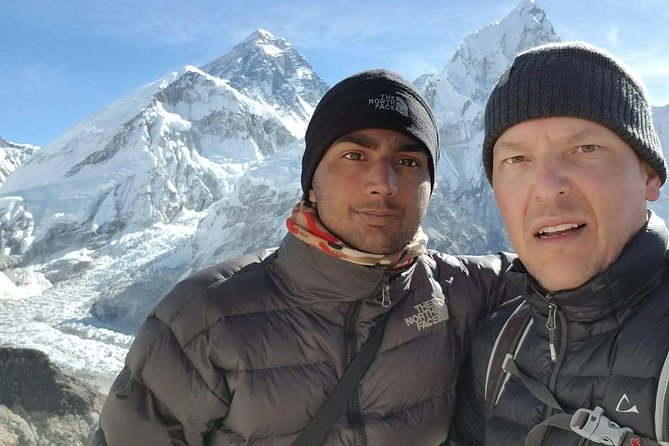
- Kala Patthar morning is the payoff moment for big Everest-area views
- Guide-led pacing and planning helps you manage effort day by day
- Lodges/tea houses included keeps logistics straightforward
- Emergency helicopter coordination through insurance adds an extra layer of safety planning
The Everest Base Camp Goal, Compressed Into 10 Days
The big idea here is simple: you get the Everest Base Camp experience plus the famous high viewpoint climb, but in a shorter window. That matters because the longer you stay at altitude, the more you’re likely to spend on time, lodging, and logistics. This route gets you there faster by flying into Lukla and keeping most nights in teahouses along the Khumbu trail.
You’ll still feel the classic Everest region rhythm. Mornings start early. Trails climb and descend in cycles. And you’ll spend days moving between Sherpa villages and higher camps. The difference is that the schedule aims to keep the total trip around 10 days, so you need to be realistic about your pace and energy.
If you want an Everest trek that feels like an adventure with training wheels, this can fit. It has the core milestones, plus a guide who can steer the group when weather shifts or your body sends feedback.
You can also read our reviews of more hiking tours in Kathmandu
Kathmandu to Lukla: Private Transfers and Early Starts
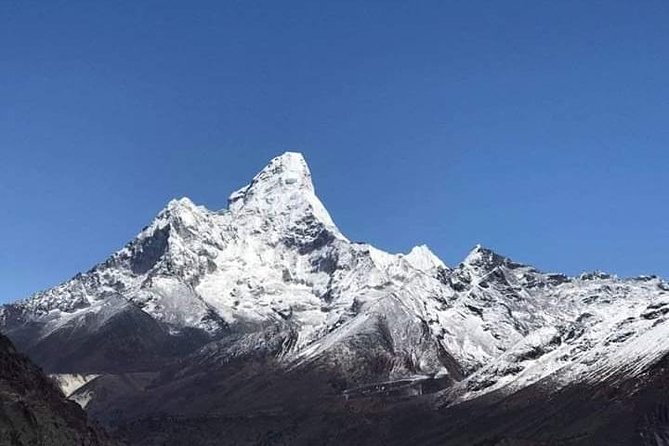
Most people spend at least one night in Kathmandu, and this itinerary keeps that part easy. You’re picked up, and domestic transfers around the Kathmandu side are handled by private vehicle. That is not a small thing if you’re arriving with luggage and jet lag.
The day also has a clear “start time” marker: 6:15 am. So even if your flight schedule later in the trip changes in practice, plan your Kathmandu mornings around an early wake-up. Nepal is flexible, but your body still has to get moving.
On the back end, you return to Kathmandu by flight from Lukla, then you’re met at Tribhuvan International Airport and transferred to your hotel. There’s also a farewell dinner in the evening at Bhojan Griha, which gives your group a nice moment to decompress and compare notes.
Day 1 and 2: Lukla to Phakding, Then Namche Bazaar
Day 1 is about transition. You fly to Lukla on commercial service (Tara, Summit, or Sita Air), then start walking toward Phakding. The trek to Phakding is short enough to get your legs going without overwhelming you right away. It’s also your first taste of the Dudh Koshi area, where the trail energy turns from “airport logistics” into “real mountain trekking.”
Day 2 brings the first big altitude jump. After breakfast in Phakding, you trek to Namche Bazaar (3,440 m). Expect a mostly trail-along-the-river feel on the right bank of Dudh Koshi, with mountains rising across the way. The route notes Thamserku standing out on the opposite bank, which is the kind of detail that helps you stay curious while your body adjusts.
Namche Bazaar is a practical hub, not just scenery. It’s where you’ll start feeling the change in rhythm: more trekking traffic, teahouses packed with people at different stages, and that constant sense that you’re getting closer.
Day 3 and 4: Tyangboche and Dingboche, With Views in the Mix
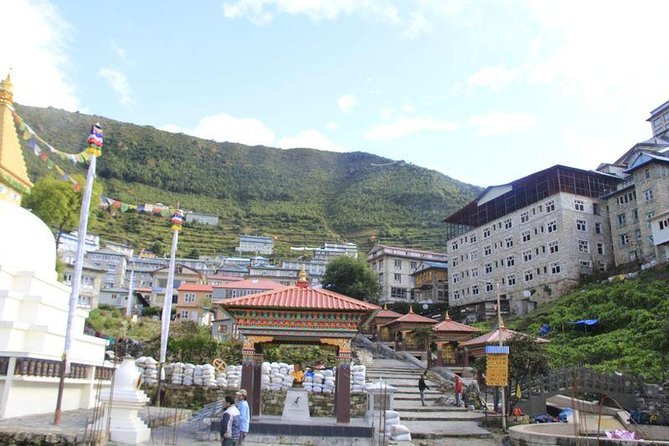
On day 3 you head toward Tyangboche (3,867 m). The trail climbs and dips with a steep cliff feel dropping down toward the Dudh Kosi. This is a classic Khumbu profile day, where you’ll notice how quickly the terrain can shift from comfortable walking to “watch your footing.”
Tyangboche is special because it’s one of the big viewpoint zones people remember from Everest region treks. Even when clouds roll in, the area has a strong sense of presence. You’re not just hiking through a valley, you’re moving through a place that keeps telling you, higher is real.
Day 4 takes you from Tyangboche to Dingboche (4,260 m). The day description emphasizes leaving through rhododendron forest, then crossing a suspension bridge at Imja Khola. Bridges here tend to be slow crossings. They’re also a great chance to check in with your pace and hydration before going higher.
Dingboche is also where the trekking “feel” changes. You’ll notice cooler air. You’ll feel the higher altitude effort more clearly. And teahouse life takes on a practical tone, because you’re settling in for a few nights of acclimatization-related comfort.
Day 5 to Day 6: Lobuche to Gorakshep, Then Everest Base Camp
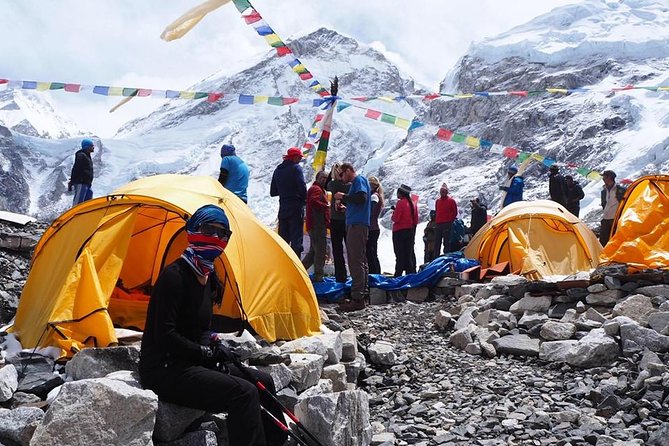
Day 5 heads to Lobuche (via the Dingboche to Lobuche leg). The route notes a gentle climb up to Pheriche village, then onward. Days like this can be mentally tricky because “gentle up” still adds up at these heights. I like this kind of day because it gives you room to focus on rhythm, not just grind.
Day 6 is where the trek starts feeling like the reason you came. You go from Lobuche toward Everest Base Camp via Gorakshep (5,140 m), and the day is longer, with rocky sections and the Khumbu glacier area referenced on the route. You can expect the walking to feel stiffer, partly from altitude and partly from the terrain profile.
The highlight on day 6 is reaching Everest Base Camp. This is the moment where the map becomes reality. You’ll see climbers’ stories turned into a base camp scene, and you’ll also see the engineering of survival in the high Khumbu world. Even if the views are partially obscured on a given day, reaching Base Camp still feels like a clear milestone.
Day 7: Kala Patthar Sunrise, Then Down to Pheriche

If you want one moment to plan your emotions around, it’s this morning. Day 7 has you going from Gorakshep to Kala Patthar (5,545 m), then down to Pheriche (4,243 m). You’re also told that early morning is part of the plan so you can chase sunrise and the best light on Everest area peaks.
Kala Patthar is hard to reduce to words because it’s the kind of viewpoint where everything feels close and enormous at the same time. The route description specifically calls out Mt. Everest and Mt. Pumori in the sunrise view. Even without perfect weather, the climb itself builds a different kind of confidence.
After the sunrise segment, you descend back to Pheriche. That downhill is not just relief. It’s also part of why short treks can still work for the right people. You get the payoff, then you get back to a slightly more comfortable height to recover and reset.
Day 8 and 9: Back Through the Khumbu to Namche and Lukla

Day 8 turns the loop. You trek from Tyangboche back toward Namche Bazaar (3,440 m). The written plan estimates about 4.5 hours and notes stops in traditional villages around the Namche area, including Khumjung and nearby settlements.
This day tends to feel like “recognition trekking.” You see sections you walked earlier from a new angle. You also get to notice how quickly teahouse culture becomes familiar: the same menu rhythms, the same warm cup routines, the same small talk about weather and footing.
Day 9 is the final walking day toward Lukla. After breakfast in Namche, you head down to Lukla. The schedule says it’s about 7 hours, with lunch served on the way, and then you arrive, refresh, and sleep at a tea house lodge.
For me, the most underrated part of the final day is how your body reacts when you stop. Even if your legs are tired, the release is real. That’s also why day 10 matters.
Day 10: Lukla to Kathmandu and a Farewell Dinner

Day 10 is flight time back to Kathmandu. You board an early flight from Lukla to Kathmandu, then you’re met at the airport and transferred to your hotel.
The evening ends with a farewell dinner in Bhojan Griha. It’s a simple touch, but it helps you close the loop. You also get a chance to compare notes with other trekkers about how sunrise, wind, and trail conditions went on their specific days.
Guides, Small Groups, and Why Your Trip Feels Smooth
This trek is not just about the trail. It’s about who runs your logistics, handles the timing, and keeps the group steady when the day gets tough.
The guide crew included with this tour can make a big difference. In the reviews, I saw names like Mohan, AJ, Padam dai, Padam Bahadur Bhujel, and Anjan. Several guests talked about their guides explaining the plan each evening, organizing food and accommodation smoothly, and staying flexible when someone needed extra support.
One review described a guide acting as more than a guide, including storytelling and even a doctor-like role during the trek. Another mentioned patience and advice to move slowly, stay safe, and manage effort. Another described the company loaning trekking gear without charge for at least one traveler. Not every trip will match that exact level of support, but it lines up with how a good Everest guide earns trust.
Group size matters here. With a maximum of 15 travelers, you’re not stuck in a huge herd. That usually means better coordination at tea houses, fewer awkward delays on narrow trail sections, and a more personal feel to day planning.
Lodges, Permits, Flights, and What You Actually Get
The included items are a big part of the value equation:
- Flights Kathmandu to Lukla and back, with domestic airport tax
- All accommodations in lodges or tea houses during the trek
- Private vehicle transfers on the Kathmandu and airport legs
- Trekking permits and government service charges
- One experienced, English-speaking trekking guide
- Guide and porter support costs, including insurance for the guide and porters
- Emergency helicopter service coordination, paid by your travel insurance company
That means you can show up and not spend days figuring out paperwork or searching for last-minute lodging. In Everest season, that matters.
But the “not included” list also sets expectations clearly:
- Porters are available for extra cost (listed as 1 porter for 2 people)
- Personal trekking equipment is on you
- Personal expenses are on you
- Standard meals (breakfast, lunch, dinner) during the trek are marked as not included
You’ll still eat at tea houses, but you should plan your budget accordingly. If meals aren’t included in your package, the trek becomes more like paying-as-you-go day by day.
Price and Value: What $1,400 Buys You
At $1,400 per person, this is positioned as a budget-style Everest Base Camp trek. The real value comes from what’s bundled: the Lukla flights, the guide, the permits, and the lodges/tea houses.
Those are the expensive pieces that are hardest to piece together yourself in a reliable way. Even if you bargain for some items, you still need permits, guide coordination, and consistent lodging along the route. This package reduces that friction.
Where costs can surprise you are the items that are not included, mainly:
- meals during the trek
- tipping your guide and porter (tips are expected)
- personal insurance for high-altitude evacuation and rescue
- any porter add-on you choose
So I treat this price as fair if you want a guided, handled-by-someone-else structure. It becomes less attractive if you already have someone local you trust, or if you’re trying to keep every cost extremely low and meals and tips will push your budget.
Fitness, Altitude, and Packing Without Guesswork
The tour notes you should have a strong physical fitness level. That’s not fluff. This itinerary includes long days and climbs at altitude, even though it uses a shorter time frame.
A few practical points:
- Keep your pace conservative. With short Everest itineraries, going too fast is the easy mistake.
- Bring layers for cold mornings at higher elevations. Sunrise climbing is usually the coldest part.
- Plan for personal trekking equipment since it’s not included.
Also, pay attention to meals. Tea houses exist, but if breakfast, lunch, and dinner aren’t included, your spending will vary based on what you order and the day’s conditions.
Finally, consider altitude reality. Your body may feel heavy by Dingboche and again around Lobuche and Gorakshep. That’s normal. What’s not normal is ignoring warning signs. If you feel unwell, slow down or speak up early. A good guide will respond.
Should You Book This Short Everest Base Camp Trek?
I’d book this if you want:
- a 10-day Everest Base Camp itinerary that focuses on the core milestones
- Lukla flights to reduce total trek time
- lodges/tea houses included, plus permits and a strong guide setup
- a small-group experience (max 15), where day planning is manageable
I’d think twice if:
- you’re unsure about altitude or you need a slower acclimatization timeline
- meals and tips would strain your budget
- you haven’t arranged travel insurance that covers emergency high-altitude rescue and evacuation, since the emergency helicopter is tied to your insurance
If you’re fit, organized, and ready for early starts and cold mornings, this trek can deliver the Everest-area magic in a time box that feels doable. Just budget honestly for meals, pack properly, and trust a guide who keeps the group safe.
FAQ
How much does the Short Everest Base Camp Trek cost?
It’s listed at $1,400 per person.
Where does the trek start and what city is involved?
The tour is based in Kathmandu, Nepal.
How long is the trek?
The duration is approximately 10 days.
Does this tour include pickup and transfers?
Pickup is offered, and all domestic hotel or airport transfers are included by private vehicle.
What is the group size limit?
The maximum group size is 15 travelers.
Are flights to Lukla included?
Yes. Flight fare (Kathmandu to Lukla to Kathmandu) with domestic airport tax is included.
Will I stay in lodges or tea houses?
Yes. Accommodations in lodges or tea houses during the trek are included.
Are meals included during the trek?
No. Standard meals (breakfast, lunch, and dinner) during the trek are listed as not included.
Is porter service included?
Porters are not included. Porter service is available at an extra cost (1 porter for 2 people).
Is emergency evacuation covered?
An emergency helicopter service arrangement is included, but it is described as being paid by your travel insurance company. Travel insurance covering emergency high-altitude rescue and evacuation is not included.
More Hiking & Trekking Tours in Kathmandu
More Tour Reviews in Kathmandu
Not for you? Here's more nearby things to do in Kathmandu we have reviewed


Everest Base Camp Treks from Kathmandu, compared.
 ★ 5.0Everest Base Camp Trek – 14 DaysFrom $1,8001,499 reviews
 ★ 5.0Everest Base Camp TrekkingFrom $1,350485 reviews
 ★ 5.0Everest Base Camp Trekking – 13 DayFrom $1,399365 reviews
★ 5.0Everest Base Camp Trek -14 DaysFrom $1,420321 reviews
★ 5.0Everest Base Camp Trekking – 13 DayFrom $1,399365 reviews
★ 5.0Everest Base Camp Trek -14 DaysFrom $1,420321 reviews
 ★ 5.0Everest Base Camp Trekking – 2025/2026From $1,339199 reviews
 ★ 5.0Everest Base Camp TrekFrom $1,408193 reviews
14-Days Private Everest Base Camp TrekFrom $1,600152 reviews
★ 5.0Everest Base Camp TrekkingFrom $1,350146 reviews
★ 5.0Everest Base Camp TrekFrom $1,408193 reviews
14-Days Private Everest Base Camp TrekFrom $1,600152 reviews
★ 5.0Everest Base Camp TrekkingFrom $1,350146 reviews
Browse the lists this tour appears in