

REVIEW · KATHMANDU DURBAR SQUARE & KUMARI TOURS
Oldest Local Market Walking Tour With Living Goddess Kumari
This living goddess sight stops you mid-step. You combine Ason market walks with a visit to Kathmandu Durbar Square, plus a moment that sits at the center of Nepal’s spiritual calendar.
What I like most is how the tour is built around real places you can stand inside and look up from, not just pass by.
The second reason I’m a fan is the guided storytelling in English, with the guide Santos getting called out for clear, detailed explanations. You also get bottled water and taxes handled, so you can focus on the sights.
One consideration: the Kathmandu Durbar Square entry fee is extra, listed as 1000 Nepali Rupee, so the $39 price is not the whole cost.
Key highlights that make this walk worth your time

- Ason market visit at Kathmandu’s market heart, known for spices, textiles, and everyday souvenirs
- Kathmandu Durbar Square time with a guide, so you understand what you’re seeing
- Kumari (living goddess) viewing, tied to Nepalese tradition around Taleju
- Hinduism and Buddhism context, helping you connect temples, icons, and symbols
- English-speaking guide, including praised communication from Santos
- Water and taxes included, with the main extra cost being the Durbar Square entry
Ason market to Kathmandu Durbar Square, why this 2-hour format works

A 2-hour walking tour sounds short until you realize the goal here is focused: one market atmosphere, one historic square, and a living tradition you do not treat like a casual photo stop. The payoff comes from how quickly the guide helps you connect the dots between daily commerce and sacred space.
I like the pacing because it is realistic for a first-time visitor. You do not need a full day to understand why Ason and Kathmandu Durbar Square sit at the cultural center of the Kathmandu Valley. You get to see the market texture, then shift into the temples and courtyards where older rules of meaning and symbol kick in.
And yes, the Kumari moment is the reason people book. But what matters is what you learn around it. When you understand that Kumari is the living embodiment of goddess Taleju, you view the tradition with more respect and better context, instead of just looking for a glimpse.
You can also read our reviews of more walking tours in Kathmandu

Starting at Chhaya Center in Thamel, then walking into the action
The meeting point is straightforward: the main gate side of the Chhaya Devi Complex at Thamel, Kathmandu, at the Chhaya Center. This is helpful because Thamel is where most visitors are already oriented, so you are not hunting for an obscure pickup location.
From there, the tour moves into the older market zone around Ason. Expect to feel the shift immediately. Ason is known for lots of stalls and shops, with items like spices and textiles mixed with souvenirs. Even if you are not buying much, it helps to walk slowly and watch how vendors present goods and how people move through narrow lanes.
Because your guide is there, you are not stuck guessing what you are looking at. The tour frames Ason as more than shopping. It is a living street culture that feeds the city’s religious and household needs, which makes your later stop at Kathmandu Durbar Square easier to understand.
Practical tip: wear shoes you can trust for uneven pavement and keep a light daypack. You will be doing real walking, not a short stroll between set photo points.
Ason Market: spices, textiles, and the everyday side of Kathmandu

Ason is often described as one of the oldest local market areas in Kathmandu, and this tour builds your visit around that idea. You get a chance to see the market through a traveler-friendly lens, meaning the guide connects what you see with what it represents locally.
You might notice spices stacked in ways that reflect different uses, textiles displayed for different needs and tastes, and the mix of practical and decorative items sold side-by-side. That combination is the point. It shows how commerce and culture overlap in Kathmandu, not as separate worlds but as part of the same daily rhythm.
What I like about including Ason is that it keeps the tour grounded. Before you head to temples and historic courtyards, you get to understand what people are doing right now, not only what elites did long ago. It gives you a stronger mental map. After the market, Kathmandu Durbar Square does not feel like an isolated tourist stop. It starts to feel like a place that grew out of the same city life.
Kathmandu Durbar Square: where palaces, temples, and courtyards shape the story

Kathmandu Durbar Square is one of the central historic squares in Kathmandu, and it is also where the tour’s religious context becomes clearer. This is the area with palaces, temples, and courtyards, so you are looking at architecture that carries meaning even when you are not fluent in the language of symbols.
The tour offers a guided walkthrough as part of the 2-hour experience. That guidance matters here. Without an explanation, Durbar Square can feel like a cluster of stone and carvings. With guidance, you start to understand the connections between structures and the larger Kathmandu Valley story the square represents.
One practical note: the Kathmandu Durbar Square entry fee is not included. It is listed as 1000 Nepali Rupee. Budget for it, and plan to carry cash for an extra stop like this. If you show up assuming everything is included, you can lose time at the entrance, and then your short 2-hour window feels even tighter.
Kumari viewing: what the living goddess role really means
The headline attraction is the Kumari, the living goddess associated with Kathmandu tradition. In plain terms, Kumari is a prepubescent girl considered the living embodiment of goddess Taleju, and she resides in the Kumari Ghar. The role is deeply rooted in religious beliefs and tradition.
Here is the key thing I want you to keep in mind: this is not presented as a normal attraction. It is a ceremonial role within a religious system. That changes how you should approach it. Even if you are curious and excited, you will get more out of the experience if you treat the moment with calm attention and follow the guide’s cues.
You will likely focus on the sight itself, but the value comes from the explanation. When you understand what Kumari represents, her presence reads as part of a cultural practice, not only a spectacle. That perspective also helps you notice details around the setting that you might otherwise ignore.
Tip: keep your phone ready, but do not rush. The best moments often come when you pause long enough to actually look, rather than only trying to capture an image.
You can also read our reviews of more shopping tours in Kathmandu




Hinduism and Buddhism on the same walk, what you should look for
The tour is framed to help you explore both Hinduism and Buddhism, which makes sense in Kathmandu, where religious life often overlaps in visible ways. You might see temple forms, religious icon themes, and spatial choices that reflect beliefs and traditions side by side.
What I like about this approach is that it turns religious sites into something you can decode. Instead of treating every monument as an isolated photo, you start noticing patterns. A guide can explain why certain spaces feel sacred, why certain deities matter in a specific place, and how the city’s spiritual layers sit next to each other.
Even if you do not identify every symbol, the tour gives you a starting framework. That matters because Kathmandu’s religious signals can feel overwhelming for first-timers. A short, guided walk is a smart way to get oriented.
Price and logistics, what you’re really paying for
The price is $39 per person for a 2-hour tour. For that, you get an English-speaking tour guide, government taxes and VAT, and bottle mineral water. The inclusions are not glamorous, but they do add up in real travel terms. You are paying for guided interpretation, and you are not paying extra at the last minute for water or taxes.
The main thing not included is the Kathmandu Durbar Square entry fee, listed at 1000 Nepali Rupee. That is the one line item that can surprise people if they assume all costs are wrapped into the headline price.
So, is it value? For me, yes, because the experience combines three high-interest elements in a tight time block: Ason market context, Durbar Square context, and the Kumari living goddess tradition. A guided short walk with interpretation usually costs you time and money either way. Here, the structure keeps you focused, and the included water and guide make it simple.
Who should book this tour, and who might want a different option
I think this works best if you want a first taste of Kathmandu that includes both daily street culture and a major spiritual focus. It is also a great fit if you like short tours and do not want to spend half a day figuring out what things mean.
You would probably enjoy it most if:
- you want English guidance instead of wandering without context
- you are curious about Kumari tradition and not just chasing a photo
- you prefer a manageable time commitment, about 2 hours
I could see skipping it if you are expecting a long market crawl with lots of shopping time, because the tour is time-limited and structured around the main sights. It is also not listed as a meal tour, so come ready to eat later.
Final verdict: should you book Oldest Local Market walking with Kumari?
If your Kathmandu plan is tight, I say book it. The combination makes sense: Ason market first, then Kathmandu Durbar Square, with a clear focus on Kumari and the religious ideas behind her role. The English-speaking guide is a strong selling point, and the praise specifically mentions Santos as an excellent communicator and very detailed explainer.
Just go in with one clear expectation: you will need extra cash for the Durbar Square entry fee of 1000 Nepali Rupee, and you should treat the Kumari moment respectfully. If you do that, this 2-hour experience gives you a memorable, meaningful snapshot of Kathmandu in a way that feels practical, not chaotic.
FAQ
How long is the Oldest Local Market walking tour with Living Goddess Kumari?
The tour duration is 2 hours.
Where is the meeting point for the tour?
The meeting point is at the main gate side of Chhaya Devi Complex, at Chhaya Center in Thamel, Kathmandu.
What is included in the tour price of $39 per person?
The tour includes an English-speaking tour guide, government taxes and VAT, and bottle mineral water.
What is not included in the price?
Meals and beverages are not included, and Kathmandu Durbar Square entry fees are not included. Personal expenses are also not included.
How much is the Kathmandu Durbar Square entry fee?
The Kathmandu Durbar Square entry fee is listed as 1000 Nepali Rupee.
Does the tour include meals?
No. Any types of meals and beverages are not included.
Is the tour guided in English?
Yes, the tour is conducted in English.
Do I get bottled water during the tour?
Yes, bottled mineral water is included.
Is free cancellation available?
Yes. You can cancel up to 24 hours in advance for a full refund.
Is there a reserve now and pay later option?
Yes. Reserve now & pay later is available.
More Walking Tours in Kathmandu

More Tours in Kathmandu

More Tour Reviews in Kathmandu
Not for you? Here's more nearby things to do in Kathmandu we have reviewed


Kathmandu Durbar Square & Kumari Tours, compared.
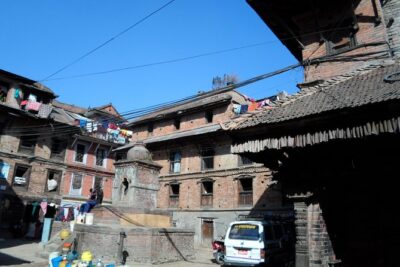 ★ 5.0Bhaktapur & Patan Durbar Square Day ToursFrom $50122 reviews
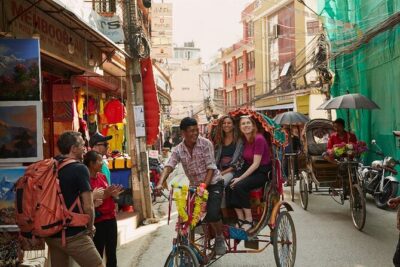 ★ 5.0Kathmandu Sunset Tour by Rickshaw Including Durbar Square VisitFrom $5073 reviews
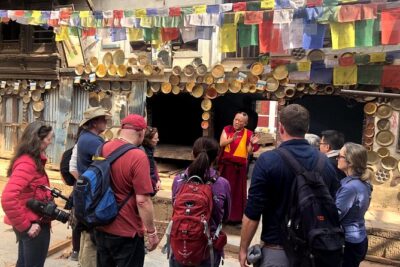 ★ 5.0Old Kathmandu Walking Tour, Historic World Heritage Durbar SquareFrom $2822 reviews
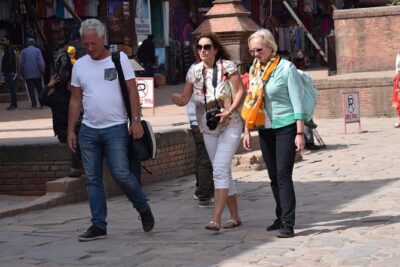 ★ 4.5City tour of Bhaktapur and Patan Durbar SquareFrom $11020 reviews
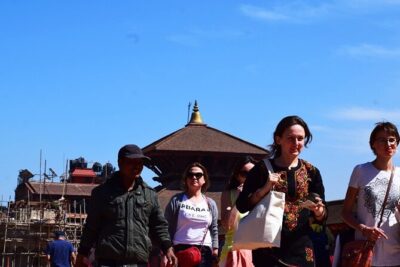 ★ 5.0Bhaktapur Old City and Durbar Square Half-Day TourFrom $6515 reviews
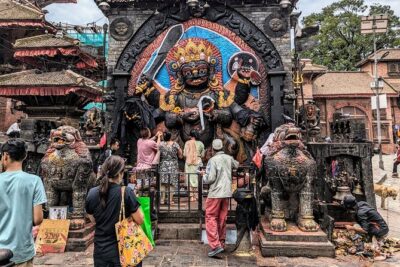 ★ 5.0Kathmandu Durbar Square – Private/Small GroupFrom $1513 reviews
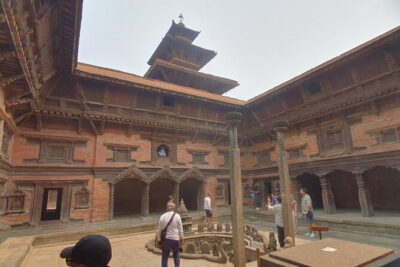 ★ 5.0Kathmandu and Patan Heritage and Living Goddess Experience TourFrom $5012 reviews
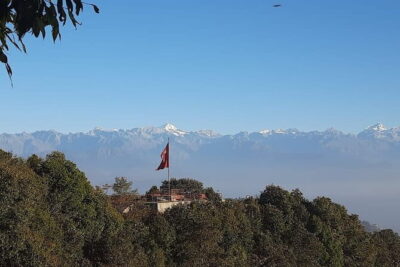 ★ 5.0Nagarkot Sunrise & Bhaktapur Durbar Square UNESCO Heritage TourFrom $5512 reviews
Browse the lists this tour appears in