
REVIEW · KATHMANDU FOOD & MARKET TOURS
Kathmandu Food Crawl & Market Tour
Follow your nose in Kathmandu. This Kathmandu food crawl is a smart 2-hour walk through markets like Ason Bazar, where you get cultural context with every bite. You taste your way through Newari classics and everyday street food, plus you learn how local vendors think about ingredients and daily life.
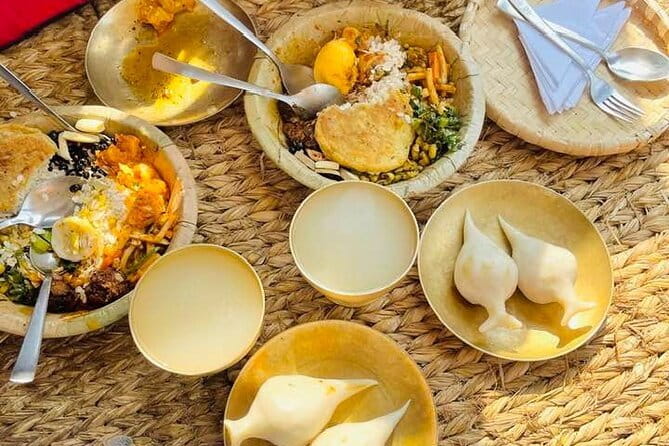
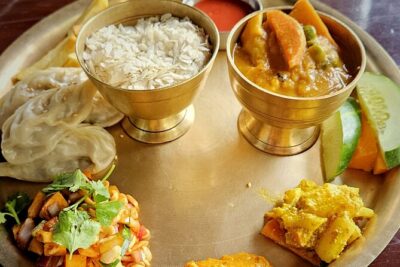
I especially like the focus on Newari cuisine. The tasting includes standout dishes such as Yomari, a sweet steamed dumpling with molasses and sesame seeds, and Samay Baji, a ceremonial platter with beaten rice, spiced buffalo meat, and pickles.
One possible drawback: the food can be spicy, and you will spend the time on your feet in busy market lanes. If you dislike heat or standing walks, you might want a gentler plan.
Key highlights worth knowing
- Ason Bazar on the route, one of Kathmandu’s oldest local markets
- Newari-focused tastings, including Yomari and Samay Baji
- At least five samples plus drinks, so you actually leave full
- Street classics with variety, like momo, chatamari, and laphing
- English-speaking guide with real local context, not just food names
- Good cultural pacing, market walk first, then you connect flavors to tradition
Chhaya Center start, then straight into Kathmandu’s food streets
Most Kathmandu food tours work best when they get you moving fast. This one starts at the main gate of Chhaya Devi Complex, then you head into market areas on foot for a tight, focused 2-hour experience. The format is simple, but it matters because you spend your time with food vendors and shops rather than sitting through introductions.
You end back at Chhaya Center, which is a nice setup if you are doing other sightseeing the same day. It also makes planning easier, especially if you are pairing this with nearby temple visits or a short museum stop before dinner.
One practical tip: come hungry, but also be ready for small delays. Market lanes can slow the group down naturally, and your guide may pause to explain what you are seeing and eating. That is part of the value.
You can also read our reviews of more food & drink experiences in Kathmandu

Ason Bazar: where you learn the market first, then eat
The tour’s anchor is Ason Bazar, famous as one of the oldest local markets in Kathmandu. Markets like this are not just places to buy food. They are social hubs where people come for ingredients, gossip, crafts, and daily supplies.
What I like about starting here is the way it sharpens your tasting. When you understand the market rhythm, food names stop sounding random. You can connect why certain flavors show up often, and why some ingredients feel “standard” to locals.
You will also get a chance to see crafts and traditions connected to Newar culture and other local communities. Even if you only skim the surface, it helps you treat the food as part of a living system, not a collection of items for tourists to snap photos of.
Newari cuisine tastings: why Yomari and Samay Baji hit differently
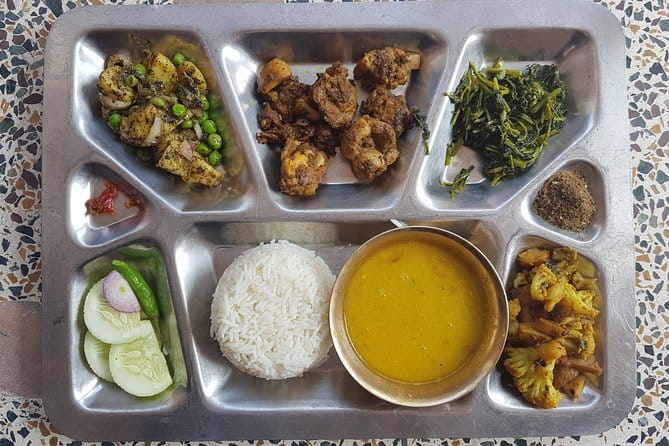
Newari food is a big reason this tour is worth your time. You are not just sampling spice and carbs. You are tasting dishes that carry meaning in how the community eats.
Two dishes stand out in what you should expect:
- Yomari: a sweet steamed dumpling filled with molasses and sesame seeds. It is soft, lightly sweet, and more satisfying than it sounds.
- Samay Baji: a ceremonial platter served with beaten rice, spiced buffalo meat, and a variety of pickles.
That last part matters. Samay Baji is not just a plate of food. It is a balance of textures and tastes, with pickles adding a sharp edge and the beaten rice changing how heavy the meal feels. If you are the type who worries street food will be either too filling or not filling enough, this is a good anchor dish.
Also, the tour approach helps. Instead of dumping a list of dishes on you, the guide ties flavors to local habits and preferences. You end up tasting more thoughtfully, even if you are not a “food expert.”
Street food you can actually follow: momo, chatamari, and laphing
After the market context, you move into the street food side of Kathmandu. This is where the experience can feel like a cheat code for figuring out what to eat without guessing.
Here are the street favorites that fit the tour’s menu style:
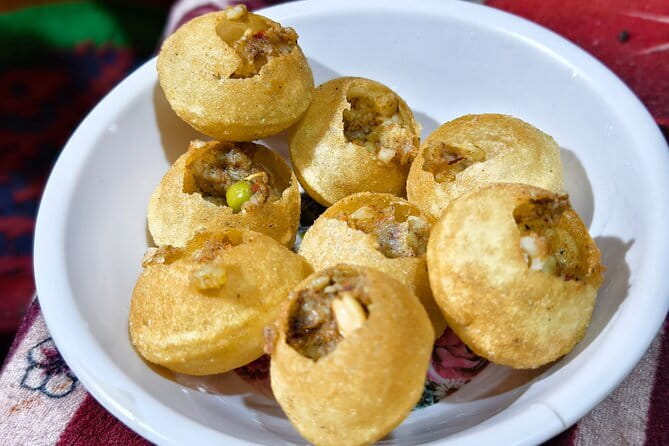
- Momo: dumplings with lots of regional variations. You get a sense of how filling street food can be without it feeling heavy.
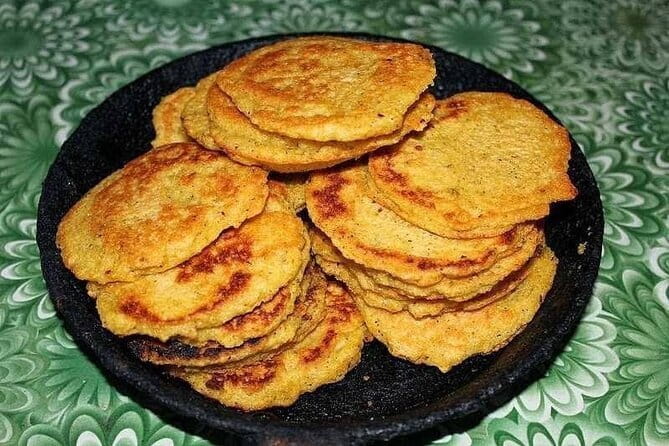
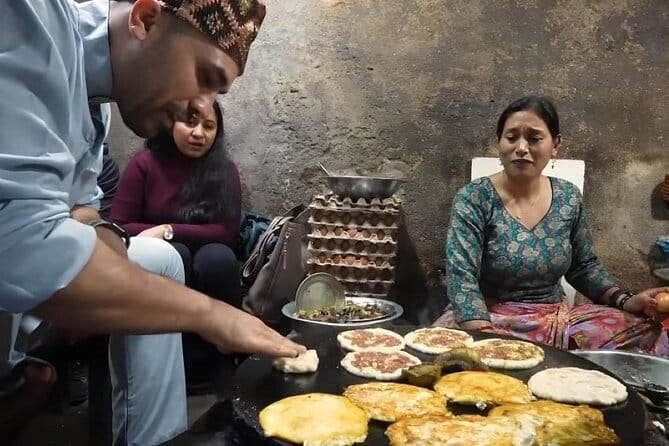
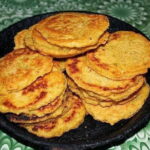
- Chatamari: often described as Newari pizza. It is a savory, flatter dish that helps you understand how Kathmandu blends influences through everyday cooking.
- Laphing: a cold, spicy mung bean noodle dish that locals tend to order often. It is the kind of food that gives you a taste you do not forget.
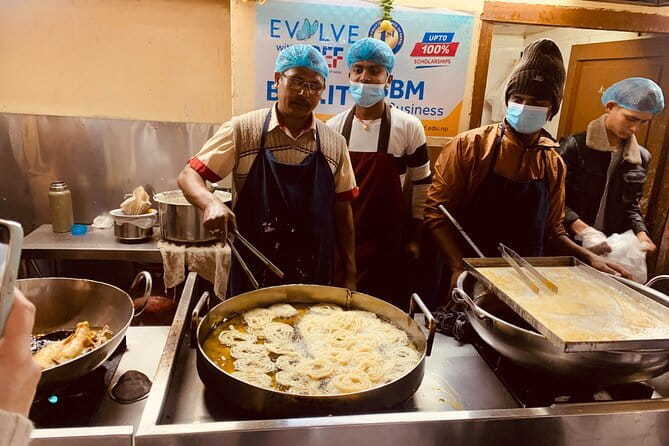
You might also find other snacks and small drinks along the way, since the tour includes at least five food items with beverages. In practice, that is why many people leave feeling like they ate a real meal. Portions can be more generous than you expect from a “tasting” label.
If you are sensitive to spice, you still can enjoy this tour. Just tell your guide your comfort level early, and you will likely get better matches during the stops.
Market walk culture: crafts, traditions, and how locals use food daily
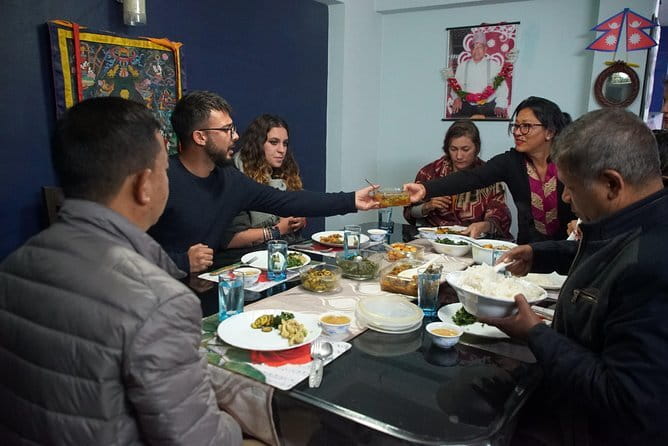
This is not only about eating. Part of the point is watching daily life. The tour includes time to explore crafts and traditions of Newars and other cultures you see around the market.
Even if you do not speak the language, you can learn a lot just by paying attention. How vendors talk, how customers choose ingredients, how pickles and sauces get handled, and what people pick up quickly versus what they linger over. Those small clues make your meal feel more connected.
It also changes your Kathmandu mindset. Instead of thinking of food as a tourist experience, you start treating it as routine maintenance for locals. That shift is what makes a short tour feel longer.
A few more Kathmandu tours and experiences worth a look

Your guide: the difference between eating and understanding
A big factor in the value here is the English-speaking guide, Santosh Pandey. The best part is not just friendliness. It is the way he connects food to daily life, religion, and habits.
When a guide can explain why a dish is made a certain way, you eat differently. You notice ingredients, texture, and heat level more clearly. You also get better at choosing what to look for later, when you are back on your own.
One of the smartest benefits is direction. Santosh helps you notice areas that you might not even think are “traversable” on your own. That matters in Kathmandu, where markets look like a maze until you learn how to move through them.
What “$28 for 2 hours” really buys you in Kathmandu
Price is always a question with food tours, especially in popular cities. Here, the value comes from three things: guide time, multiple stops, and multiple servings.
For $28 per person, you get:
- An experienced English-speaking guide
- All government taxes and official expenses
- Foods and beverages, with a minimum of five items
Two hours is short, but the tasting structure means you are not just nibbling one snack at each place. You are sampling enough to build a full picture of Kathmandu flavors, and in many cases it can feel close to eating a light meal plus snacks. That is why it tends to work well for first-time visitors who want a fast hit of Newari food and street staples.
If you plan to eat on your own, costs can add up quickly too, since you may end up guessing and paying for meals that do not match your expectations. This tour compresses your decision-making into one guided afternoon.
Timing, pacing, and how to prepare
This is a 2-hour experience, starting at Chhaya Center and returning there. The pace is active. You will be walking and standing while you sample food and listen to guidance.
So plan like this:
- Wear comfortable shoes you trust on uneven pavement.
- Bring a small amount of cash just in case you want extras beyond the included tastings.
- If you have spice limits or food preferences, tell the guide early. The whole point is that you should end up satisfied, not stuck chewing food you cannot handle.
Also, be ready for market smells and crowds. That is normal here. You are walking through everyday life, not a curated food hall.
Who this tour is best for
This tour is ideal if you:
- Want a Kathmandu food tour that includes both Newari dishes and street food
- Prefer a guide who explains what you are eating and why
- Are short on time but still want meaningful variety
- Like to learn through practical experiences, not just museum stops
It may be less ideal if you:
- Hate spice and cannot adjust your ordering
- Have mobility issues that make market walking difficult
- Expect a fully seated, restaurant-style meal
Should you book the Kathmandu Food Crawl & Market Tour?
I think it is a solid pick when you want real taste plus real context in a short window. The combination of Ason Bazar market time, Newari staples like Yomari and Samay Baji, and street foods like momo and laphing makes the 2 hours feel efficient. You also get the kind of guidance that helps you eat smarter after the tour, not just during it.
If you are staying near Chhaya Center, this becomes even more convenient since you do not have to plan a long back-and-forth route. And if you like walking, light adventure, and food that feels tied to local life, this is the kind of activity you will remember longer than a typical meal.
FAQ
How long is the Kathmandu Food Crawl & Market Tour?
It lasts 2 hours.
What does the tour cost?
The price is $28 per person.
Where do I meet the guide?
You meet at the main gate of Chhaya Devi Complex (Chhaya Center).
What foods and drinks are included?
Food and beverages are included, with a minimum of 5 items plus drinks. The tour focuses on Newari cuisine and Kathmandu market street food.
Is there an English-speaking guide?
Yes. The tour includes a live English-speaking tour guide.
Which market is a key stop on the tour?
The tour includes exploration of the oldest local market in Kathmandu, Ason Bazar.
Can I cancel or pay later?
You can cancel up to 24 hours in advance for a full refund. You can also reserve now and pay later.
More Food & Drink Experiences in Kathmandu
More Tours in Kathmandu

More Tour Reviews in Kathmandu

Not for you? Here's more nearby things to do in Kathmandu we have reviewed


Kathmandu Food & Market Tours, compared.
 ★ 5.0Kathmandu Food and Drink Walking TourFrom $36266 reviews
★ 4.9Food and Drink Walking TourFrom $28119 reviews
★ 5.0Kathmandu Food and Drink Walking TourFrom $36266 reviews
★ 4.9Food and Drink Walking TourFrom $28119 reviews
 ★ 5.0Walking Street Food Tour in KathmanduFrom $48111 reviews
 ★ 5.0Secret Food Tour – Food Bites and Sights Kathmandu 14+ TestingsFrom $3582 reviews
 ★ 4.7Kathmandu Secret Food Crawl & Local Market TourFrom $2854 reviews
 ★ 5.0Kathmandu Food & Drink and Shopping Rickshaw TourFrom $2548 reviews
 ★ 5.0Walking Food Tour in Hidden Local Eateries of KathmanduFrom $3640 reviews
 ★ 5.0Kathmandu Food Crawl & Market TourFrom $2526 reviews
Browse the lists this tour appears in