
REVIEW · PATAN & LALITPUR TOURS FROM KATHMANDU
Kathmandu and Patan Heritage and Living Goddess Experience Tour
Living Goddess sightings in Kathmandu are not like normal sightseeing. This short tour mixes Kumari, the Living Goddess, with UNESCO Kathmandu Durbar Square, plus a calm Buddhist pause at Shree Gha. My favorite part is how the guide connects what you see to why it matters, not just what it looks like. One possible drawback: some admission tickets are flagged as not included, so bring a little extra cash and confirm what’s covered when you book.
You’ll spend about 2 hours 30 minutes on foot, mostly in a compact area. You start with a meeting at your hotel, then a 30 minute walk that runs past Shree Gha, a local market stop, and into the Durbar Square temple complex.
If you end up with a guide like Badri or Sovit, you’ll get that calm, friendly explanation style that makes the city feel readable fast. The tour is run by Bold Himalaya Treks and Travels Pvt Ltd, and it’s private, so it’s only your group.
Key things that make this tour worth your time

- A Living Goddess stop with Kumari as a central, culturally important moment
- Kathmandu Durbar Square with UNESCO entrance fee included
- Shree Gha Buddhist shrine for a quiet contrast to temple energy
- Basantapur Durbar Square architecture tied to the Malla and Shah dynasties
- Kalvairabh, a 17th-century stone sculpture that adds a specific historical anchor
- Certified guides who turn wandering into understanding, and sometimes help with quick snack breaks like momos and chai if you want
Start at your hotel, then walk straight into Kathmandu’s layers
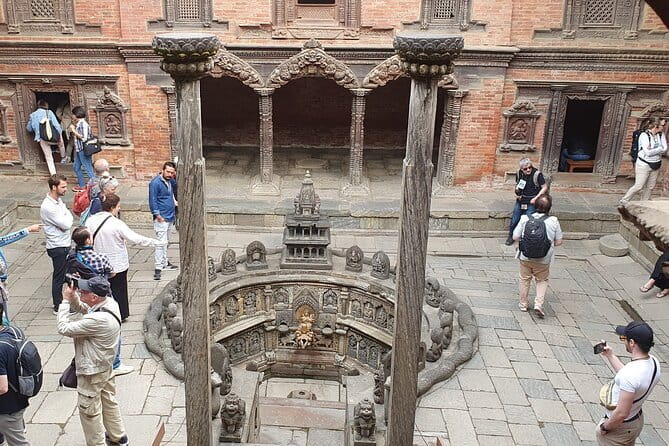
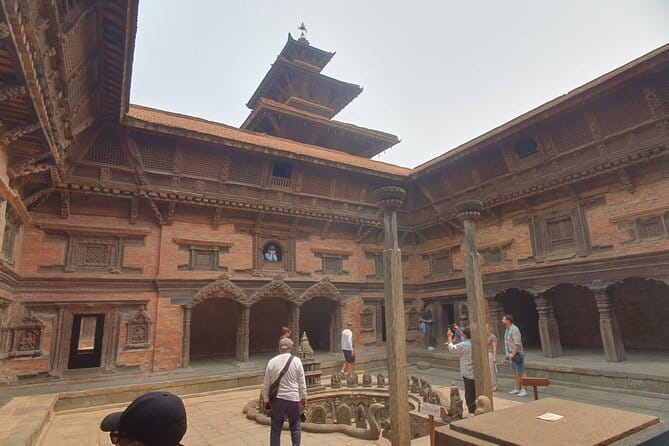
This experience is built like a short, focused city walk. You meet at your hotel and then head out on foot, which is exactly what you want in central Kathmandu. The timing is tight enough to stay energetic, but long enough to get beyond the “photo and move on” mode.
The walk includes a passage by Shree Gha, a Buddhist shrine set up as a calmer counterpoint to the Hindu temple areas you’ll see later. That contrast matters. In cities like this, religion is not “one stop and done.” It’s right next to you, often within the same walking radius.
You also get time for a local market visit. The point isn’t to shop for souvenirs. It’s to see daily life in motion, how people move through their routines, and how the “historic sites” connect to the present.
One practical note: since it’s a walking tour, wear shoes you trust. The route is mostly on foot and includes the same return route after the first main section.
You can also read our reviews of more historical tours in Kathmandu

Shree Gha to the market, a useful pause before the temples
Shree Gha is the kind of stop that makes the whole tour feel more human. Instead of going from street noise directly into temple sights, you get a brief breath of spiritual quiet. You’ll pass through this area before you hit the market, which helps you shift gears.
The local market is where you practice being a slow observer. You’ll notice small details, the rhythm of bargaining, and the variety of everyday goods. Even if you do not buy much, you’ll leave with better context for what you see in and around Durbar Square.
This section is also a smart way to handle timing. Markets can take longer than expected, but here you’re not stuck wandering for hours. You’re moving toward the heritage sites with an actual purpose.
If you’re sensitive to crowds, keep an eye on where you stand. Markets and temple complexes naturally get busy, and your guide’s job is to help you choose good viewing angles while staying respectful to the worship space.
Kathmandu Durbar Square: temples, museums, and a Living Goddess moment
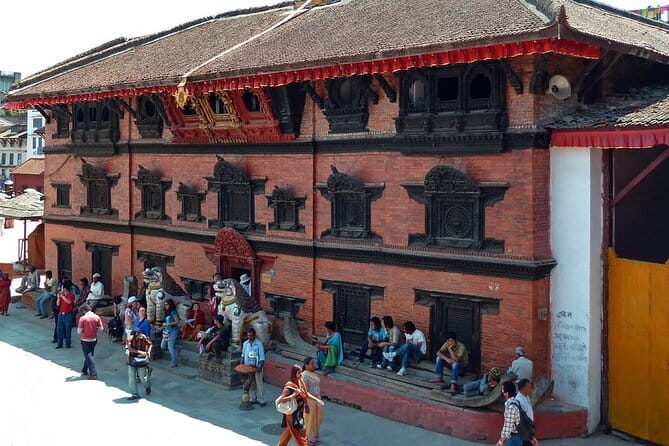
After the market time, you arrive at Kathmandu Durbar Square, a UNESCO World Heritage Site. This is the area where Kathmandu’s ceremonial and architectural story turns visible. You’ll explore temples and museums in the Durbar Square complex, and then you get the special piece of the day: the Living Goddess experience.
The Living Goddess here is Kumari, a living deity worshipped in Nepalese culture. That single element is why people book this tour. It’s not just a monument. It’s a living tradition with real cultural weight.
What I like about this portion is that it is guided. A Durbar Square visit can turn into “look at that roof, look at that gate.” With a good guide, you start to understand how different elements connect to local beliefs and older ruling traditions. You also get help interpreting what you’re seeing before you start guessing.
Your route after this section goes back along the same route you came in. That’s practical. You don’t have to solve navigation while your brain is already overloaded with temple details.
Admission detail to keep in mind: this experience includes the UNESCO Durbar Square entrance fee, but the schedule also indicates admission tickets may not be included for certain parts. Ask what’s covered when you book so you’re not surprised later.
Basantapur Durbar Square: the Malla and Shah story, in stone and detail
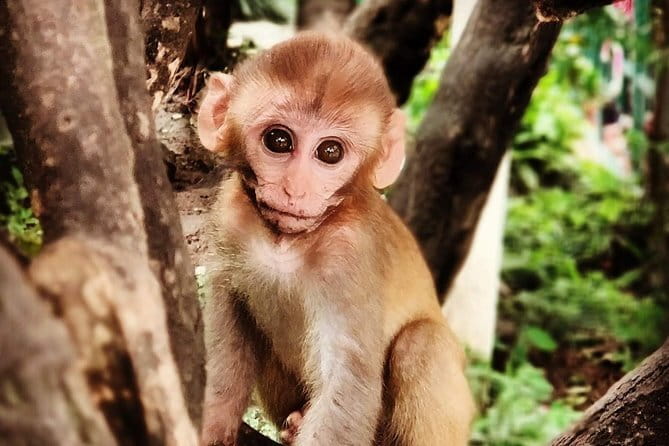
The second main section brings you to Basantapur Durbar Square. You’ll be picked up before the tour time begins, which helps if you want to avoid arriving late or trying to coordinate a meeting point on your own.
Basantapur Durbar Square is also tied to the Living Goddess experience. This is where the architecture from the Malla and Shah dynasty period becomes part of the conversation. The dates given span from the 12th through the 19th centuries, so you’re standing in a place shaped by centuries of power, devotion, and rebuilding.
In this area, you’ll see Kumari’s residence. You’ll also get the chance to view a 17th-century stone sculpture of the god Kalvairabh. That specific detail is helpful. General “old temple” statements are easy to forget, but a named stone sculpture gives your visit a memory hook.
You’ll also explore a local museum tied to the Basantapur area. Even if you only spend a short time inside, it adds context so the carvings, structures, and street patterns start making more sense on your next walk.
Once the tour ends, you can choose a hotel drop-off or keep exploring nearby streets and markets on your own. That flexibility is great if you still have energy for more photos or you want to eat something local right after.
Guides make or break this kind of tour, and the names here matter
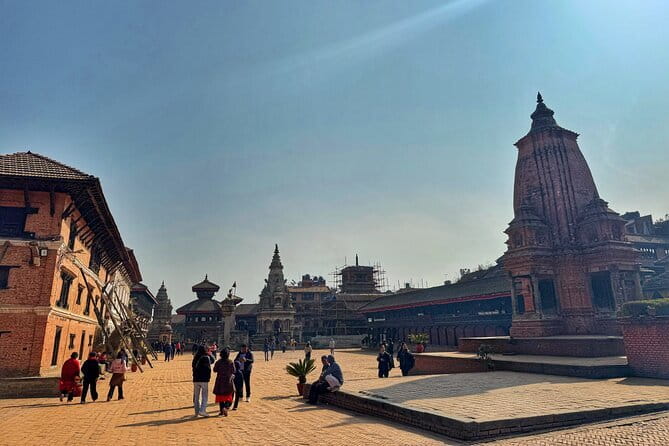
This tour is built around a guided walking format, and the guide is not just “holding a leash.” The guide is translating the city for you.
In the feedback I’ve seen for this operator, guides such as Badri and Sovit are repeatedly praised for staying kind, speaking clearly, and having on-point explanations. People also mention doing a city walk feeling like they had a local friend showing them around, which is exactly what you want when the sights are layered and you might miss the meaning without help.
A guide also helps with timing. Durbar Square and related heritage areas are not quiet museum hallways. They are active religious and cultural spaces. Your guide’s job is to help you observe without getting in the way.
You’ll get more than dates. You’ll get interpretations: why Kumari is treated with such importance, how Newari culture shows up in how the residence and surrounding areas function, and how old dynastic styles are still readable in what you see today.

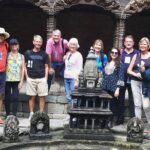


Price and value: $50 for 2.5 hours, plus UNESCO fee coverage

At $50 per person, this tour sits in a “short time, meaningful payoff” category. You get about 2.5 hours of guided walking, private-group operation, and coverage of the UNESCO Durbar Square entrance fee.
That UNESCO fee inclusion helps with value because entry charges can add up quickly when you’re bouncing between multiple heritage areas. The tour’s structure also reduces guesswork. Instead of building your own route and hoping you picked the right entrances, you follow a planned path with a guide.
The only value risk is the admission-ticket note that says admission tickets are not included. Because the tour does include the UNESCO Durbar Square fee, the best approach is to treat the $50 as a solid base value, then confirm any extra tickets for museum areas or specific viewing points at booking time. It’s a small step that can prevent a surprise payment.
Also, tips for the guide are listed as not included. If you appreciate the explanation and pace, budgeting for that is part of being a good guest.
On top of that, there’s free cancellation up to 24 hours before the experience starts. That gives you breathing room if your Kathmandu schedule is still a little messy.
Pacing and what to expect during the walk
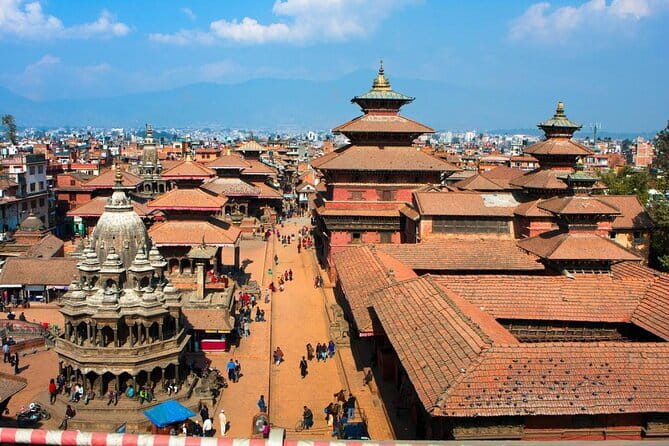
This is not a sit-down tour. It’s a walk-and-watch experience with temple stops and a couple of heritage interiors. Plan for a steady pace, plus brief times when you’ll slow down for views, details, and the Kumari-related moment.
Timing is roughly:
- About 1 hour 30 minutes in the first Durbar Square area section after the hotel meeting and the 30 minute walk
- About 1 hour focused on Basantapur Durbar Square and the Living Goddess residence area
Because you’re on foot, the biggest “consideration” is stamina. If you have mobility limits, you might want to ask for a route that minimizes backtracking. The tour does return along the same route after the first section, so there’s some repetition built in.
Weather can change how hard walking feels. Kathmandu can go from comfortable to hot or cloudy quickly depending on the season. If you’re booking, bring water and plan for sun protection.
What to wear is not specified in the info you provided, so I’ll keep it practical: dress in a way that lets you move comfortably and that helps you feel appropriate in a religious environment. When in doubt, choose modest and respectful.
What this experience teaches you, beyond the sights
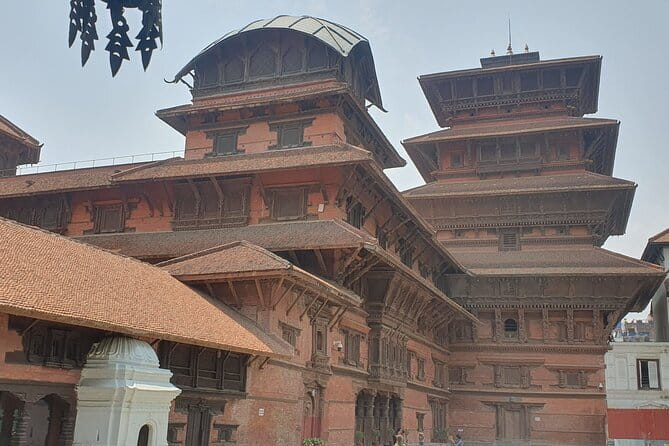
This tour is valuable because it explains how the city functions as a living religious system. You’re not just seeing buildings. You’re seeing how places like Durbar Square and Basantapur are tied to current culture through figures like Kumari.
You also learn how Nepalese culture can carry both Hindu and Buddhist threads side by side in daily life. Shree Gha adds that perspective early, before you go into the more temple-centered zones.
One useful skill you’ll take home is being able to read signs of power and devotion in architecture. The mention of Malla and Shah dynasties matters because it gives you a historical lens. When you see certain architectural patterns, you can now connect them to older periods rather than treating them like random decoration.
And because the tour includes museums, you’re not stuck with only what you can see from the street. Interiors help you slow down and absorb information at a calmer pace.
Who should book this Living Goddess focused walk
This is a great fit if you want:
- A short, guided walk that covers major heritage highlights without exhausting all day
- The rare Living Goddess moment with Kumari as the main draw
- A guide-led explanation of what you’re seeing, especially around Durbar Square and Basantapur
- A private-group experience where your questions actually get time
It’s also a decent choice if this is your first time in Kathmandu and you want to get your bearings fast. In a single half-day, you cover the key heritage zones and the culture behind them.
If you dislike walking tours or you hate religious sites, you may find the focus too spiritual. But for most people who like culture and history in real places, this hits the sweet spot.
Should you book Kathmandu and Patan Heritage with Kumari?
If you’re excited by the Living Goddess experience and want a short, organized way to see UNESCO Durbar Square sites plus a calm Buddhist shrine, this is an easy “yes” to consider. The combination of Kumari, Durbar Square entrances included, and a guide who can explain what you’re looking at makes it better than a generic sightseeing stroll.
Book it if:
- You want a guided, private walk that lasts about 2.5 hours
- You value context, not just photos
- You’re comfortable paying for any extra admissions that might not be covered, after checking
Skip it if:
- You need an entirely low-walking format
- You expect every museum ticket and admission to be included without asking
FAQ
How long is the Kathmandu and Living Goddess experience tour?
It runs about 2 hours 30 minutes in total.
Is pickup included?
Yes, pickup is offered. One part also specifies pickup before the tour begins for the Basantapur section.
What does the tour include?
It includes a walking tour, a well experienced certified guide, a cultural experience, and the UNESCO Durbar Square entrance fee.
What is not included?
Tips for the guide are not included. Also, the schedule lists admission tickets as not included.
Is this tour private or shared?
It is private. Only your group will participate.
Is it suitable for most people?
Most travelers can participate, and service animals are allowed.
More Historical Tours in Kathmandu
More Tours in Kathmandu


More Tour Reviews in Kathmandu


Not for you? Here's more nearby things to do in Kathmandu we have reviewed


Patan & Lalitpur Tours from Kathmandu, compared.
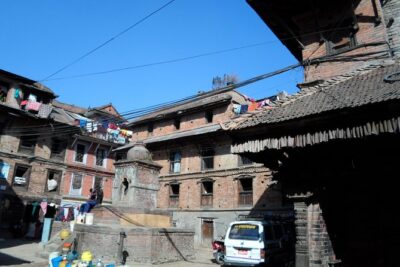 ★ 5.0Bhaktapur & Patan Durbar Square Day ToursFrom $50122 reviews
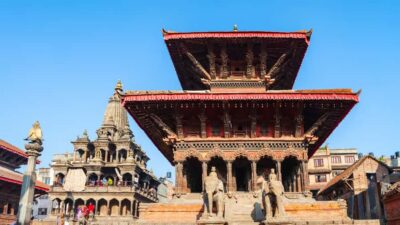 ★ 4.7Private Patan and Bhaktapur Sightseeing TourFrom $4964 reviews
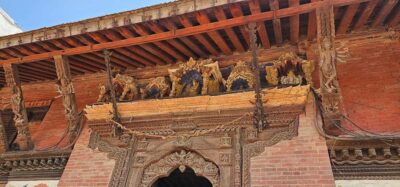 ★ 5.0Patan and Bhaktapur City Full Day TourFrom $5024 reviews
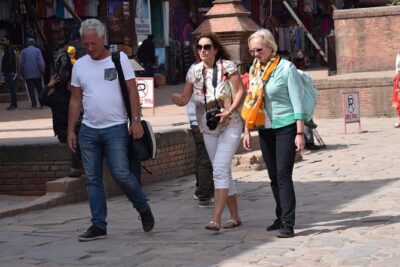 ★ 4.5City tour of Bhaktapur and Patan Durbar SquareFrom $11020 reviews
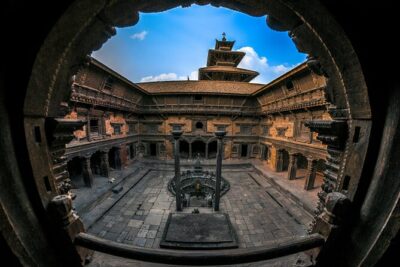 ★ 5.0Patan Heritage Tour – Private/Small GroupFrom $514 reviews
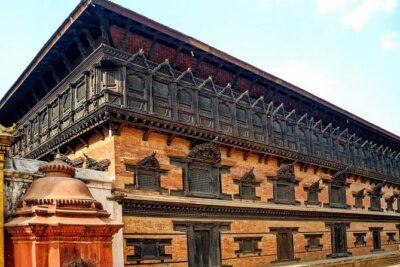 ★ 5.0Patan & Bhaktapur Durbar Square Tour with Lunch – Private/GroupFrom $511 reviews
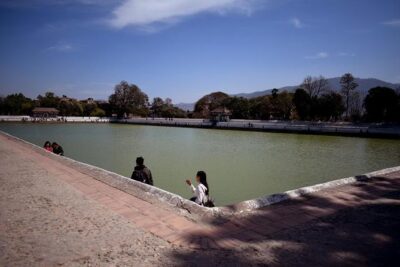 ★ 5.0Nagarkot Sunrise, Bhaktapur and Patan Durbar Square Tour in KathmanduFrom $13010 reviews
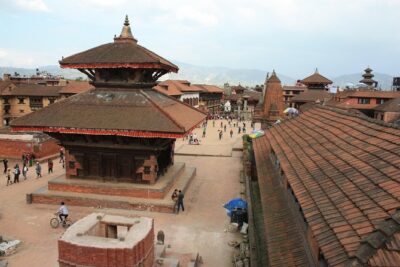 ★ 5.0Bhaktapur darbar, Patan Darbar square & Changu Narayan in 1 dayFrom $5010 reviews
Browse the lists this tour appears in