
REVIEW · KATHMANDU UNESCO HERITAGE TOURS
Nagarkot Sunrise & Bhaktapur Durbar Square UNESCO Heritage Tour
Cold dark morning, then Everest-sized magic. This Nagarkot sunrise and Bhaktapur day trip strings together two of the Kathmandu Valley’s best moments, with panoramic Himalayan views at Nagarkot View Tower and classic Malla-era details like the 55-Window Palace back in Bhaktapur’s UNESCO old city.
I love how practical the plan is: you get a real early start for the best shot at clear mountain sightlines, and you also get a guided walk through Bhaktapur so temples and carved windows make sense instead of just looking cool. The stop choices also balance big-ticket sights with calmer moments, like pottery work and a visit to a thanka painting school.
One caution: sunrise views depend heavily on weather and cloud cover, and the Bhaktapur Durbar Square UNESCO entrance fee is not included in the price, so you should budget extra.
Key highlights that make this tour worth your time
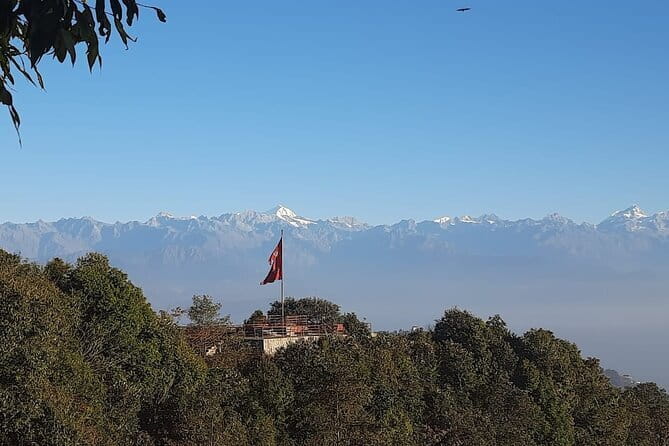
- Before-dawn Nagarkot View Tower start to chase clear light over the Himalayas
- UNESCO-focused Bhaktapur Durbar Square time with guidance that helps you read the architecture
- Nyatapola Temple stop at the five-tier pagoda linked to Goddess Siddhi Laxmi, wealth and prosperity
- 55-Window Palace highlight for a signature piece of Malla Dynasty craftsmanship
- Thanka Painting School visit to see Buddhist mandalas and symbolic art being created
- Juju Dhau tip for local flavor if you want to try king yogurt in Bhaktapur
Nagarkot sunrise at the View Tower, where the weather calls the shots
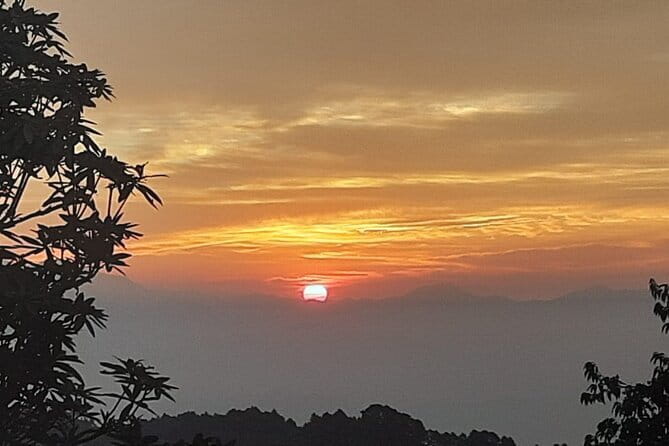
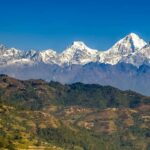
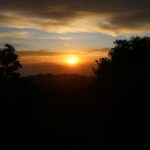
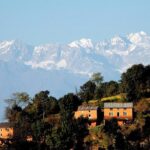
This tour starts with an early drive up to Nagarkot, with the goal of reaching Nagarkot View Tower before dawn. That timing matters because sunrise is when the Himalayan ridgelines often look sharpest. If the sky is clear, you can get a strong chance at seeing peaks like Mount Everest and other surrounding ranges, including Langtang, Ganesh Himal, and Manaslu.
Here is what you can realistically expect: you are buying a chance at views, not a guaranteed Everest postcard. Fog and low clouds can erase the line of mountains fast, even on days when everything else feels perfect. The upside is that even when the tallest peaks hide, Nagarkot still has that morning glow over the hills and valleys, and your guide can point out what to watch for as light spreads.
Dress like it is winter, even if it is not. The tour info calls out cold morning temperatures in Nagarkot, and that lines up with what you will feel once you are waiting outside. I recommend warm layers you can adjust, plus gloves or something for your hands if you get cold easily. A thermos is not listed as included, but you can still plan for warmth, because waiting for light is part of the experience.
The Nagarkot stop is about an hour, with the focus on viewing. That is a good length for a half-day plan, because you do not feel rushed while you wait for the sky to do its thing, but you also move on before the day gets too hot or complicated.
You can also read our reviews of more historical tours in Kathmandu

Getting to and from Kathmandu: private transport and a smooth start
You are not doing this as a stressful DIY scramble. The tour includes private transportation and pickup is offered, which is a big deal for an early-morning departure. It keeps you from juggling taxis while you are half asleep, and it usually means the day stays on track.
You also get a bottle of water per person. That sounds minor, but on cold mornings and long museum-style stretches, water is one less thing you have to think about. If you are sensitive to dehydration from early outdoor time, you will appreciate that small buffer.
This is also described as private for your group. In real terms, that usually means the guide can set the pace for your schedule and not force everyone through the same tight rhythm. It tends to feel calmer than hopping between stops with strangers who each have their own idea of what matters.
Bhaktapur Durbar Square UNESCO: what to look for beyond the postcard
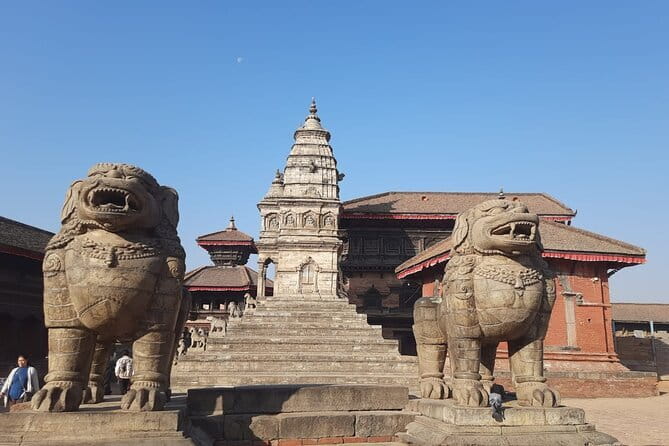
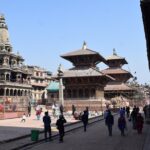
After Nagarkot, the day shifts into Bhaktapur, and the heart of it is Bhaktapur Durbar Square, a UNESCO World Heritage Site. You get about an hour there with a guide. That hour is enough to see the main structures, but it also means you should pay attention to what the guide points out, because the details are easy to miss if you just wander.
The UNESCO core here is not one building. It is the whole royal square feeling, with historic temples, palace structures, and intricate carvings that show how skilled stoneworkers and woodcarvers were. A good guide helps you separate the visually similar surfaces into what is important and what is decorative.
Two things that help you get more out of your hour:
- Look up. Bhaktapur’s craft work shows itself in roofs, windows, and door frames. If you keep your gaze at eye level, you will lose half the story.
- Ask the guide to explain what you are seeing. The tour is built around that type of context, and the result is that Bhaktapur stops being a collection of pretty buildings and becomes a place with meaning.
A highlight is the 55-Window Palace, linked to the Malla Dynasty’s architectural style. Even if you only catch it from certain angles, it is the kind of detail you feel in your brain once you understand it. It is also a great example of why Bhaktapur is worth visiting even if you have seen other Himalayan temple towns. The window pattern is not random. It is part of how power and artistry were displayed.
Important budget note: the UNESCO entrance fee for Bhaktapur Durbar Square is not included. The extra cost listed is 15 USD or 2000 NPR per person. Your day still works perfectly with the guide included, but you will want that cash or card readiness so you do not get stuck at the threshold.
Nyatapola Temple: the five-tier pagoda and Siddhi Laxmi
Next up is Nyatapola Temple, where you get around 30 minutes. This is one of Bhaktapur’s most recognizable structures, a five-tier pagoda style temple that stands out for its height and vertical proportions.
The tour frames it clearly: it is dedicated to Goddess Siddhi Laxmi, associated with wealth. That matters because it gives you a reason to care about the temple’s scale. You are not just looking at stacked roofs. You are looking at a religious symbol expressed through architecture.
With only half an hour, you do not want to get stuck trying to photograph everything from one spot. Instead, take a few minutes to see the whole form first, then circle or change your angle to spot how the tiers relate to each other. If you have a guide, ask which sections are the most significant to observe. That kind of guidance can make the stop feel longer than it is.
If you have mobility limits, be aware that Bhaktapur’s streets can involve uneven surfaces. The tour does not list accessibility details, so go prepared for some walking and stepping around.
Pottery Square and the quiet skill of making things by hand
After the big temple moment, the itinerary shifts to Pottery Square for about 15 minutes. This stop is practical and sensory. You get a look at traditional clay craftsmanship, where artisans shape earthenware using older techniques.
I like this portion because it breaks the temple-and-palace pattern. It gives your eyes a different job: not reading carvings and worship spaces, but watching hands, tools, and process. If you want to do something more than just look, this is often the moment where you might try pottery making, since the tour description notes you can have a go.
The time is short, so treat it as a peek, not a full workshop. If you fall in love with the craft and want more, you can always build a longer pottery visit on a separate day.
A few more Kathmandu tours and experiences worth a look
Lama Thanka Painting School: Buddhist mandalas and symbolic art
The final cultural stop is Lama Thanka Painting School for about 15 minutes. Thanka art is a major part of Buddhist visual tradition, and this is the only stop in the day that focuses on art creation rather than monuments.
The tour description emphasizes the making of intricate Buddhist mandalas and symbolic paintings. That is valuable because it shows you a craft that usually takes a lot of time and precision. Even if your visit is brief, you can still notice how the work is laid out and how the patterns matter.
This stop is included, which helps because art visits can sometimes be the first place where extra entry fees appear. Here, the tour lists the thanka school visit as part of what you pay for.
If you are the type who buys a small art piece when you travel, this is one of the best places in the Kathmandu Valley day-trip style tours to do it, because you are seeing the process and not just a shop shelf.
Price and value: is $55 a fair deal for a 6-7 hour plan?
At $55 per person for a roughly 6 to 7 hour experience, the biggest value drivers are:
- Private transportation plus pickup support for an early schedule
- An English-speaking guide included
- Water included
- A guided UNESCO heritage focus in Bhaktapur
- The thanka painting school visit included
Now, the part to calculate carefully: the Bhaktapur UNESCO entrance fee is extra, listed as 15 USD or 2000 NPR per person. That means your real “all-in” cost can be higher than the starting price, depending on your budget currency and how you pay.
Still, the trip can remain good value because you are paying for coordination plus interpretation. A sunrise drive to Nagarkot is hard to do comfortably on your own at that hour, and Bhaktapur is a place where a guide can meaningfully improve what you notice in your hour at Durbar Square.
If your priority is strictly budget sightseeing, you might spend less by DIYing. But if your priority is getting the early light right, and getting the meaning behind Bhaktapur’s architecture in limited time, this is priced in a way that makes sense for a guided day.
The guide quality you should look for, Prakash and Ramesh stand out
This tour is supported by a government-licensed English speaking tour guide. That matters because Bhaktapur’s symbolism can be hard to untangle alone, and Nyatapola in particular is much more interesting when you understand what you are looking at.
In the feedback you provided, the guide names Prakash and Ramesh appear repeatedly. Prakash is described as friendly and experienced, with good English and a care-focused approach that makes the day feel smooth. Ramesh is also described as excellent for this exact route, combining good information with professional transportation.
Even without knowing which guide you will get on your date, the pattern is clear: the tour is built around guidance, not just moving you between stops.
Who this tour suits best, and who might want a different plan
This tour is a strong match if you:
- Want a single morning to chase the Nagarkot sunrise chances without doing logistics at 5 a.m.
- Appreciate guided context at heritage sites, especially in Bhaktapur
- Like your days to include both big sights and hands-on or process-focused stops (pottery and thanka)
You might consider a different plan if you:
- Need guaranteed mountain views regardless of weather, because sunrise clarity is not controllable
- Want a slower pace with long free time in museums or local neighborhoods, because the itinerary is time-boxed
For food, the tour highlights Juju Dhau, often called king yogurt. Since meals are not listed as included, I would treat that as an add-on you can seek in Bhaktapur, ideally after you finish the main heritage stops.
Should you book Nagarkot Sunrise and Bhaktapur Durbar Square?
I think you should book if you want an efficient, high-impact day that mixes sunrise mountain energy with real UNESCO sightseeing. It is especially worth it when you value a licensed English guide, because Bhaktapur’s carved details and palace features make more sense when someone explains them while you stand in front of them.
Do book with two practical expectations: bring layers for cold early hours, and budget for the Bhaktapur UNESCO entrance fee since it is not included in the base price. If you go in with those two points covered, this day trip has a lot of “wow” per hour.
FAQ
What time does the Nagarkot sunrise start?
The tour is designed to arrive at Nagarkot before dawn to catch sunrise views from the View Tower.
How long is the tour?
It runs about 6 to 7 hours total.
Is pickup from Kathmandu included?
Pickup is offered, and the tour includes private transportation.
Is breakfast included?
No. Breakfast is not included, and tea or coffee is also not included.
Do I need to pay an entrance fee in Bhaktapur?
Yes. The Bhaktapur Durbar Square UNESCO World Heritage Site entrance fee is not included and is listed as 15 USD or 2000 NPR per person.
What’s included besides the guide?
The tour includes a government licensed English speaking guide, private transportation, bottled water (one bottle per person), and a visit to the thanka art school.
More Historical Tours in Kathmandu
More Tours in Kathmandu

More Tour Reviews in Kathmandu
Not for you? Here's more nearby things to do in Kathmandu we have reviewed


Kathmandu UNESCO Heritage Tours, compared.
 ★ 5.0Private Kathmandu Sightseeing Tour | UNESCO World Heritage sitesFrom $17756 reviews
 ★ 5.0Full Day 7 UNESCO Tour with Lunch – Private/GroupFrom $10415 reviews
 ★ 5.0Full Day Top 4 UNESCO Tour with Lunch – Private/GroupFrom $10269 reviews
 ★ 5.0UNESCO Seven World Heritage Tour in KathmanduFrom $180253 reviews
★ 4.9Full-Day 7 UNESCO Tour with Lunch – Private/GroupFrom $5247 reviews
★ 5.0UNESCO Seven World Heritage Tour in KathmanduFrom $180253 reviews
★ 4.9Full-Day 7 UNESCO Tour with Lunch – Private/GroupFrom $5247 reviews
 ★ 4.97 UNESCO Sites Tour in 1 Day (Private Tour)From $4204 reviews
 ★ 4.9Top 4 UNESCO Tour with Lunch – Private/GroupFrom $5181 reviews
 ★ 5.0Kathmandu Private Sightseeing Tour | UNESCO World Heritage SitesFrom $35109 reviews