
REVIEW · KATHMANDU FOOD & MARKET TOURS
Walking Food Tour in Hidden Local Eateries of Kathmandu
If you want Kathmandu street food without guessing, go. This walking tour strings together local eateries in Indrachowk and the Kathmandu Durbar Square area, with a guide who gives context as you eat. I especially love that the tastings include enough variety to feel like a real food experience, and that the group stays small, so you can ask questions. One thing to consider: some snacks are eaten standing up, and you will be walking between stops.
A big part of the appeal is how the tour turns food into a map. You get led through the old market area first, then head toward Kathmandu Durbar Square for more focused local spots, including hole-in-the-wall places locals go regularly. Guides I’ve seen named in this experience, like Shazia, Fahid, and Dhuksang (sometimes spelled Dakhsung), are described as friendly and careful with explanations, which makes the flavors easier to understand. It also helps that the tour is priced as a guided food tasting, not just a stroll with a tip jar.
Because it depends on conditions, plan around weather. This experience requires good weather, and if it is canceled for poor weather, you are offered a different date or a full refund. If you dislike standing snack breaks or prefer a sit-down meal, you might find the format a little less comfortable.
Key Things to Know Before You Go
- Small group size (max 12) keeps the walk personal and question-friendly
- Two central areas cover Indrachowk market vibes and Kathmandu Durbar Square dining pockets
- All food tastings are included, so you can focus on eating instead of budgeting per stop
- Mix of Nepalese and Indian street snacks, often sweet and savory, with a spice level people find workable
- You may eat standing up, so wear shoes that can handle uneven pavement and short stops on the go
- Mobile ticket and group discounts add convenience and make it easy to show up
A Two-Stop Street Food Walk Through Indrachowk and Kathmandu Durbar Square
Kathmandu street food has a way of overwhelming first-timers. Too many choices, too many smells, and no clue what you are actually tasting. This tour gives you structure with a simple plan: start in the Indra Chowk area, then move to the Kathmandu Durbar Square region for more local eating.
The format is very “walk, stop, snack, learn.” That rhythm is exactly why it works. In about two hours, you get several tastings that you likely would not find on your own, especially the tucked-away spots that look like nothing from the outside.
You can also think of it as a cultural orientation, not only a food run. The guide connects what you are eating to local habits and what people buy for quick bites. That context can turn familiar flavors into something more interesting, because you understand why these snacks show up where they do.
You can also read our reviews of more walking tours in Kathmandu

Why I Like This Style of Kathmandu Food Tour for $36
At $36 per person, you are paying for more than food. You are paying for someone to scout the right places, keep the flow moving, and explain what matters while you eat. The listing also notes a group discount option and a mobile ticket, both of which help if you are traveling with friends.
What makes the value feel fair is that the tour includes the food tastings. You are not doing the common “one small sample per stop” thing where you end up spending extra money later to feel satisfied. Many guides and many tours can be hit or miss on portion size, but the feedback around this one consistently points to leaving full.
I also like the pacing for a first day in town. Two hours is long enough to feel like you accomplished something specific, short enough that it does not steal your whole evening. And since it ends back at the starting point, it is easy to plan your next step without retracing your route too much.
Indra Chowk: Your First Hit of Market Energy and Snack Variety
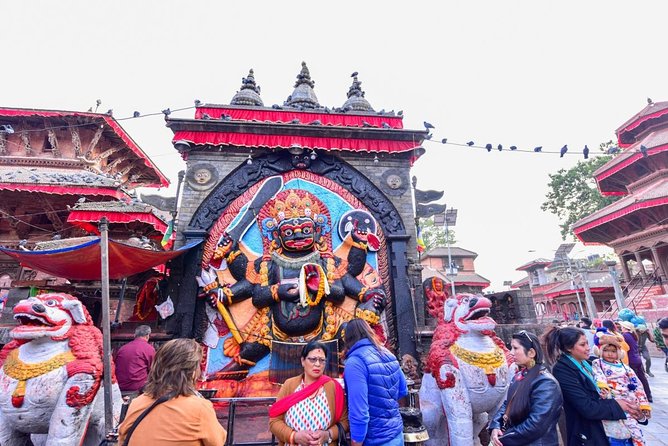
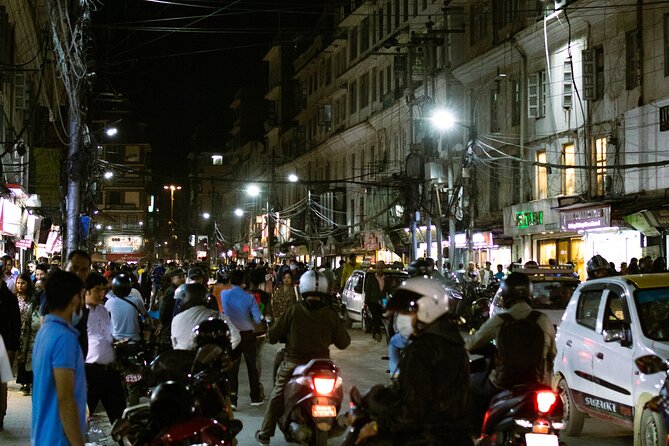
The tour begins at the Akash Bhairab Temple meeting point, in the Indra Chowk area. This matters because you get a real sense of how the market operates before you settle into the “eating mode.” You will start walking right away while collecting several tidbits in the area.
This first stretch is where you build trust in the guide. Street food can be intimidating, not because it is unsafe in your mind, but because you do not know what to expect. Starting with small tastings helps you dial in your spice comfort and your taste preferences before the tour moves on.
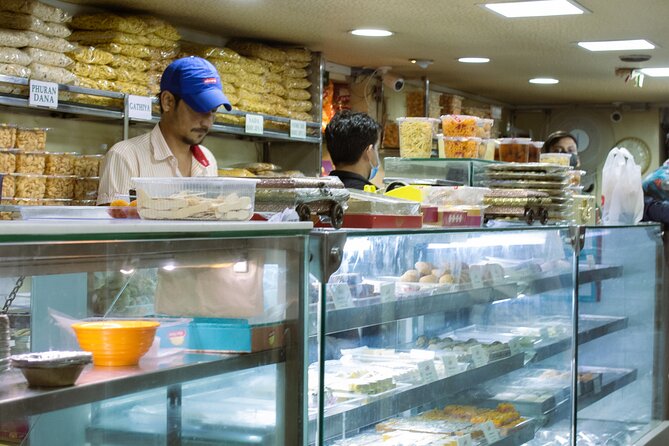
Based on what people say about this experience, you should expect a mix of sweet and savory snacks across stops. That variety keeps the walk from feeling repetitive, and it also helps if you are traveling with someone who has strong preferences. If you are hungry at the start, this part alone can already feel like a meal.
One practical consideration: market areas can be visually busy and physically uneven. You will be moving through an active neighborhood, so keep your phone secured and your pace steady. Bring an empty stomach, because the total food amount adds up during the full walk.
Kathmandu Durbar Square Area: Hole-in-the-Wall Bites With Real Context
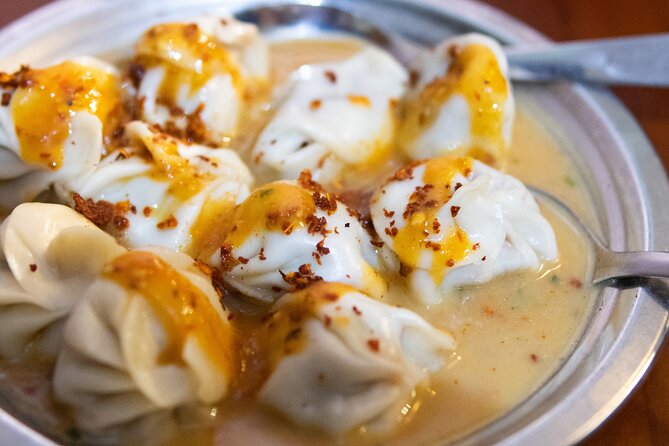
After Indra Chowk, the route shifts toward the Kathmandu Durbar Square area, which is known for its cultural density. The goal here is not sightseeing as a separate activity. The idea is that you are eating in places tied to everyday life around the square.
This is where the tour leans into Nepalese flavor plus Indian influence. People describe the experience as a blend of Nepalese and Indian cuisine, with snacks that go beyond the usual tourist ordering. The guide helps you interpret what you are eating, which can be as simple as explaining ingredients, how it is served, and how locals think about it.
A key phrase you will hear from the guide is basically this: locals eat these foods regularly, not just for special occasions. That framing changes the experience. Instead of treating street snacks like a novelty, you start seeing them as part of daily routines, snacks people grab between errands or after work.
There is also a “standing snack” reality to plan for. Some food is eaten standing up, and the route includes small alleys and doorways where you might not want to sit anyway. If you are fine with that, you will enjoy the authenticity. If you need a chair and utensils for everything, tell yourself in advance, plan for it, and adjust expectations.
Guides Like Shazia, Fahid, and Dhuksang Make the Difference
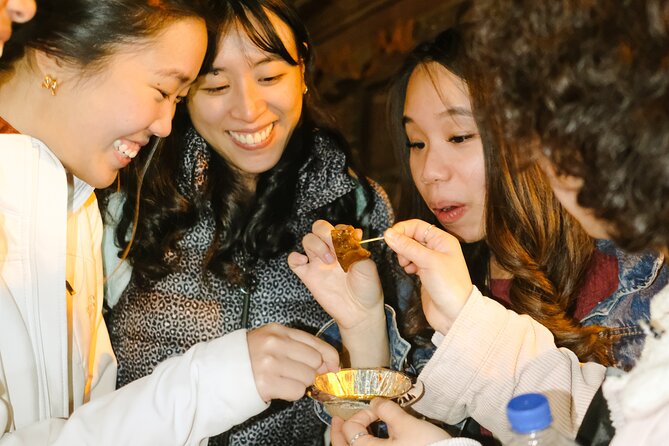
Food tours live or die on the guide. Here, the standout theme is how much people appreciate the explanations. Guides named in connection with this experience, including Shazia, Fahid, and Dhuksang, are described as friendly, polite, and enthusiastic, with a focus on the what and the why behind the snacks.
That matters because street food is not just taste. It is spice preferences, ingredient choices, and local habits around timing and portion sizes. When a guide talks through what you are eating, you can actually remember it later, instead of only remembering that it was tasty.
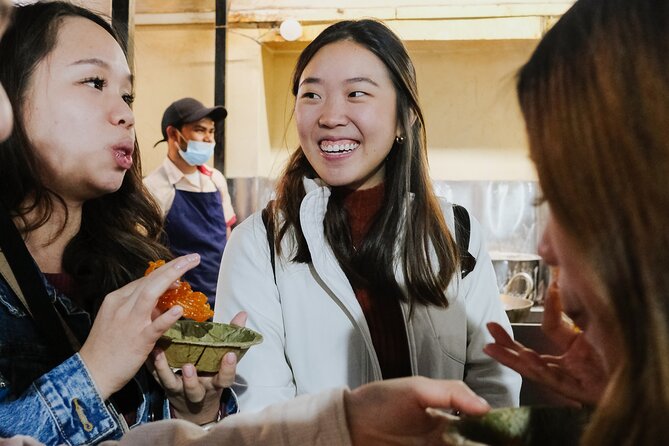
It also helps that the guides manage the group smoothly. With a maximum of 12 travelers, there is room to keep the pace comfortable and to help people at each stop. It is not rushed like a large bus tour, and it is not slow like a private lecture.
If you have dietary needs, this is also the kind of tour where asking questions early helps. One participant specifically noted that vegetarian food was handled without issues. I recommend you mention any dietary restrictions at booking so the guide can plan options as needed.
You can also read our reviews of more food & drink experiences in Kathmandu

Price and Value Breakdown, What You Really Get for $36
Here is the honest way to think about price. You are paying $36 for a guided walk plus included snacks across multiple stops. Transportation is not included, so you cover getting to the meeting point yourself.
The value comes from two places. First, tastings are included, which reduces the risk of getting only a few bites and then craving more. Second, you are buying local sourcing. The “hidden local eateries” promise is meaningful only if the guide is leading you to places you would not find on your own, and the consistent feedback around the tour points to exactly that.
If you compare this to paying à la carte for street food, the guide time and local navigation can justify the cost, especially if you want to try more types without wasting time guessing. For solo travelers, this is a solid way to eat your way across parts of Kathmandu without having to plan each stop like a logistics puzzle.
Timing, Meeting Point, and How the Walk Feels in Real Life
The tour runs about two hours. The structure is straightforward: meet at the Akash Bhairab Temple area, start with Indra Chowk tastings for about an hour, then move to the Kathmandu Durbar Square area for the second hour.
The meeting point is clearly listed, and the tour ends back at the meeting point. That “back to where we started” detail is more important than it sounds. After food, you do not always feel like problem-solving your route, and returning to the start simplifies your next plan.
Also, this tour is near public transportation. That helps if you are staying a bit away from the center or you plan to use local options rather than taxis.
The mobile ticket detail is convenient too. It saves time and reduces friction when you are meeting at a busy location. Still, do not show up casually dressed. The tour involves walking, and you want shoes that stay comfortable for the full two hours.
Eating Like a Local, Cleanliness, Spice, and Standing Snack Comfort
Street food has a tradeoff. You will likely see casual seating, doorways with tight space, and a no-frills vibe. One participant noted that some places are not the cleanest, but also said nobody had upset stomach afterward. That tells me the bigger lesson is to use your judgment and keep perspective.
You do not need to panic about street food, but you should behave like a thoughtful eater. Choose snacks that look fresh from the kitchen side, follow the guide’s lead on what is easiest to eat, and pay attention to how the food is handled at each stop.
Spice level is another practical factor. Feedback mentions a spice level that works well for many people, but everyone’s tolerance is different. If spice is a concern, tell the guide early, and you might be able to steer your choices as you go.
Finally, accept the standing snack reality. Some foods will be eaten standing up, and you will do short stops where the environment is more about grabbing and going than sitting down for a slow meal. This is part of why the tour feels local, so lean into it.
What to Bring and How to Prepare Before the Tour
If you do one thing right, do this: arrive hungry. People repeatedly highlight that you get enough food to feel stuffed, so you do not want to show up full from lunch.
Wear comfortable shoes with good grip. Market streets and alley connections can be uneven, and you will be moving constantly over two hours. Dress for the weather, since this experience requires good weather.
Bring a small amount of cash if you like having options, even though food tastings are included. The data does not list other purchases, so I would not treat this as a shopping trip, but having a little flexibility reduces stress.
If you are traveling with friends, the tour allows group discounts, and the small-group cap helps keep everyone together. If you are solo, this is also a good choice because the group stays small and social without becoming chaotic.
Who This Walking Food Tour Suits Best
This is a strong fit if you want a structured way to taste Nepalese and Indian street snacks without turning it into a DIY scavenger hunt. It is also a good choice if you like learning what you are eating, not only eating it.
I would especially recommend it to:
- First-time visitors who want local guidance across Indra Chowk and Kathmandu Durbar Square
- Food lovers who enjoy walking and can handle short standing snack moments
- Small-group travelers who prefer personal attention over large tours
- Vegetarians who will communicate their needs ahead of time, since there is at least one positive note about vegetarian options being handled smoothly
If you are searching for a sit-down tasting menu, this may not match your style. The point is street-level food and quick bites, with standing moments and alley-side stops.
Should You Book This Walking Food Tour in Kathmandu?
Book it if you want the fastest, most satisfying way to eat like a local in two high-energy areas, with a guide who explains what you are tasting. At $36, the included snacks plus small-group format make it feel like a practical value for an evening in Kathmandu.
Skip it, or at least reconsider, if standing snack breaks will annoy you. Also, if your plans cannot bend around good weather, keep in mind this experience requires good weather and may be rescheduled or refunded if conditions are poor.
If you can arrive hungry, wear comfortable shoes, and go with a curiosity mindset, this tour is exactly the kind of Kathmandu experience that turns the city from a list of attractions into a set of flavors you actually remember.
FAQ
How much does the Walking Food Tour cost?
The price is $36.00 per person.
How long is the tour?
The tour lasts about 2 hours.
Where does the tour start, and what is the meeting point?
It starts at Akash Bhairab Temple, with the meeting point listed as P845+9PQ, Kathmandu 44600, Nepal.
Where does the tour end?
The tour ends back at the meeting point.
What is included in the price?
Snacks are included.
Is private transportation included?
No, private transportation is not included.
How many people are in the group?
The tour has a maximum of 12 travelers.
Do I need to pay for entry tickets to the stops?
The stops listed show admission ticket free.
What should I expect about eating during the tour?
Some foods must be eaten standing up.
What is the cancellation policy?
There is free cancellation. You can cancel up to 24 hours in advance for a full refund, and cancellations less than 24 hours before the start time are not refunded.
More Walking Tours in Kathmandu
More Tours in Kathmandu

More Tour Reviews in Kathmandu
Not for you? Here's more nearby things to do in Kathmandu we have reviewed


Kathmandu Food & Market Tours, compared.
 ★ 5.0Kathmandu Food and Drink Walking TourFrom $36266 reviews
★ 4.9Food and Drink Walking TourFrom $28119 reviews
★ 5.0Kathmandu Food and Drink Walking TourFrom $36266 reviews
★ 4.9Food and Drink Walking TourFrom $28119 reviews
 ★ 5.0Walking Street Food Tour in KathmanduFrom $48111 reviews
 ★ 5.0Secret Food Tour – Food Bites and Sights Kathmandu 14+ TestingsFrom $3582 reviews
 ★ 4.7Kathmandu Secret Food Crawl & Local Market TourFrom $2854 reviews
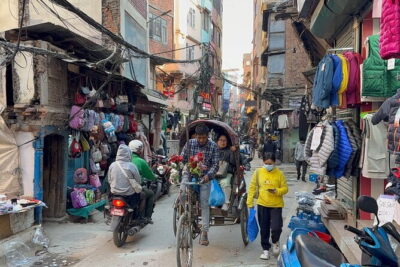 ★ 5.0Kathmandu Food & Drink and Shopping Rickshaw TourFrom $2548 reviews
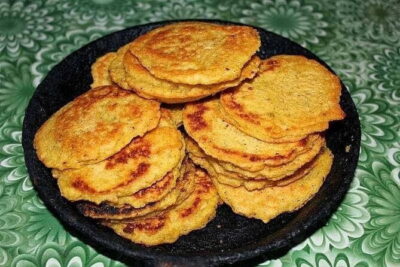 ★ 5.0Kathmandu Food Crawl & Market TourFrom $2526 reviews
★ 5.0Kathmandu Food Crawl & Market TourFrom $288 reviews
★ 5.0Kathmandu Food Crawl & Market TourFrom $2526 reviews
★ 5.0Kathmandu Food Crawl & Market TourFrom $288 reviews
Browse the lists this tour appears in