

REVIEW · EVEREST BASE CAMP TREKS FROM KATHMANDU
Luxury Everest Base Camp Trek – 11 Days
One early flight day turns into a serious Himalayan story. This Luxury Everest Base Camp Trek blends classic Khumbu sights with helicopter jumps and luxury accommodation, so you spend less time grinding and more time enjoying the views. What I like most is the way it pairs comfort on the inside with real altitude work on the outside.
I also like the human side: you travel with a guide and porters who are fully covered for their daily work, and the planning gets praised again and again, including smooth fixes when weather or flight schedules get messy. You even get a helicopter link into and out of the trekking circuit, which changes the whole feel of the journey.
One consideration: this is still an altitude trek, and the listing flags an asthma problem note plus a need for moderate physical fitness. If you have breathing concerns, treat that seriously and discuss it before you book.
Key highlights worth paying attention to

- Kathmandu to Lukla by helicopter, then trekking the classic Khumbu route
- Gorak Shep to Kathmandu by helicopter, so your last travel day is less draining
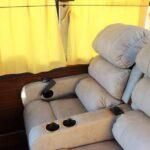
- Luxury accommodation during the trek paired with included meals (multiple breakfasts, lunches, dinners)
- A route built around acclimatization stops like Namche and Dingboche/Chukhung
- A smaller group size with a maximum of 15 travelers, which usually means less chaos
- Guides and organizers named in reviews, including Surya, Prakash, Keshab, and Babu, plus porters such as Govinda, Kumar, and Partap
Luxury comfort meets real altitude: what this 11-day plan is

This is not the usual Everest Base Camp experience where you slog for every kilometer and then hope you get fed on time. The big deal here is that the trek is still the trek, but the transport is smarter. You go Kathmandu to Lukla by helicopter, start trekking right away from the high jump-off point, and later get back by helicopter from the Gorak Shep area. That combination can make the days feel more manageable, especially if you do not want the extra fatigue that comes with long domestic segments.
You also get a lot of the logistics handled: guide and porters are included with their daily wage, insurance, and meals, and your trip includes a set number of meals during the trek. In plain terms, you spend less time worrying and more time adjusting to altitude.
Now, here is what luxury cannot erase: altitude. You will still climb high enough to make breathing feel different. The itinerary builds in acclimatization days and slower pacing when it counts, but you should expect some hard effort on hiking days.
A few more Kathmandu tours and experiences worth a look
Day 1 in Kathmandu and Thamel: your soft landing
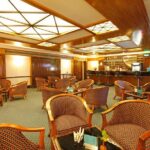
Day 1 is your reset day. A guide meets you at the airport, then you get transferred to your booked hotel in Thamel. That matters more than it sounds. Thamel is convenient for short walks, getting simple supplies if you missed something, and generally getting your bearings before you leave the city.
This day also gives you a buffer. Everest treks often go wrong when people rush straight into altitude. Here, you have a night in Kathmandu to sort out gear, water, and sleep.
Helicopter to Lukla, trek to Phakding: starting high without the scramble
On Day 2, you transfer to Kathmandu Airport, fly by helicopter to Lukla, meet your trekking crew, and then trek to Phakding, typically around 4 hours.
The value of the helicopter jump is psychological as much as physical. You avoid the long lead-up that can leave you tired before the first real trail. Instead, you step into the Khumbu route quickly, with your body already working at altitude-adjacent elevation. For many people, that means less wasted time and a smoother transition.
Phakding is also a practical first night. It is a good early foothold before you head toward the higher villages like Namche.
Monjo to Namche Bazaar: forests, passports, and the first big payoffs

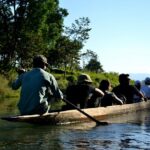
Day 3 takes you toward Namche Bazaar via Monjo. Expect a climb that is challenging, but rewarding. The trail runs through pine forests, and the route is known for that mix of nature noise and early mountain drama, the feeling that you are moving into a different world.
Namche is where the trek starts to feel like a destination, not just exercise. It is a hub for the Sherpa culture and the sort of place where you can slow down and get useful things done: water, snacks, and letting your body catch up.
If you want the practical truth, Namche is also a place to stay alert. Altitude can sneak up on you. You want to keep your effort steady and your rest smart.
Everest View Point and the Namche breather: altitude training, done right

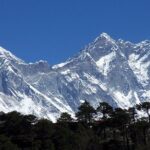
Day 4 includes the Everest View Point, which is one of those moments that makes the whole trip feel real. It is not the final goal, but it is a clear signal: the mountain scenery is now your everyday background.
Day 5 is the recovery day in Namche. The itinerary is explicit about taking it easy here, with no rush and no steep climbs. This is exactly how you want to do acclimatization. You stay active, you explore, but you do not punish your legs.
You will likely walk around Namche’s streets and markets, then spend the afternoon settling into the rhythm. This kind of day can also change how you feel in later climbs, especially when your schedule hits higher elevations like Tengboche, Dingboche, and beyond.
You can also read our reviews of more hiking tours in Kathmandu
Tengboche, Dingboche, Chukhung: monasteries plus altitude discipline
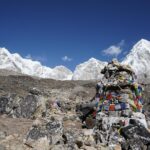
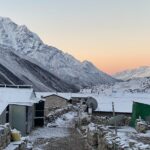
Day 5 leads into trekking toward Tengboche. The route passes through dense rhododendron forests, which can shift the mood of the trek from hard to quietly scenic. Tengboche is also known for its spiritual side, with monasteries that make this stop feel more than just a photo break.
Day 6 centers on Dingboche, listed at 4,410 meters. The trek to Dingboche is typically 5 to 6 hours from Tengboche. Dingboche sits in the Imja Valley, and it is a major altitude checkpoint. This is a day where you pace yourself and pay attention to how you feel at higher elevation.
Day 7 includes an acclimatization focus with Chukhung as a stop. The key idea here is you are getting used to the thinning air while still moving. This is where good guiding makes a difference. Reviews highlight guides like Prakash, Keshab, and Babu as people who keep you comfortable and informed, not just pushing steps.
Acclimatization days also give you something else: time to notice. You will start seeing how weather changes fast, how light behaves differently at altitude, and how the mountains look sharper as you climb.
Lobuche and the Khumbu Glacier terminal moraine approach
As you move onward, the route guides you toward Lobuche. A highlighted detail is that the trail takes you by the terminal moraine of the Khumbu Glacier.
This type of terrain can be mentally intense. Moraines can feel rough, and the high-altitude air can make every movement feel heavier. But the payoff is that the region around Lobuche is where Everest starts to feel less like a distant idea and more like a place you are actually reaching.
This is also a good day to keep hydration and rest consistent. You do not want to arrive at the Everest Base Camp leg already drained.
Everest Base Camp day: reaching the place people talk about

Day 9 is the big target: Everest Base Camp. This is the day most people picture when they book. You will still hike, still feel altitude, but the mission becomes clear and the scenery turns dramatic fast.
Base Camp itself is a strange mix of human effort and monumental nature. You are surrounded by the signs of expedition life, and the views can be powerful even when the weather is not perfect.
Here is what I think matters most for you on this day: stick to pacing and keep your energy for the time you are actually at the goal. Take photos, yes, but also breathe. Do not turn it into a race.
Gorak Shep, then Kala Patthar at dawn: the best views cost early mornings
Day 10 brings you to Gorak Shep, described as a small village in the Khumbu region at 5,164 meters. If Everest Base Camp is the big headline, Gorak Shep is where you set up for the real wow moment: Kala Patthar.
The itinerary lists an early start, with a start time of 5:15 am and an early morning push to Kala Patthar on the next day. Kala Patthar sits on the south ridge of Pumori, and it is a famous vantage point for seeing Everest in a way that can feel almost unreal.
The practical side is that dawn hikes are hard but worth it. You beat some wind and crowd movement, and the light can make the rock faces and ridgelines pop. If you try to sleep in, you may still get views, but they might not hit the same.
After the final viewpoints, the experience includes the helicopter return connection: Gorakshep to Kathmandu by helicopter. That is a big quality-of-life upgrade. It means you are not spending your whole last day fighting transport delays and fatigue.
Price and value for $4,070: what luxury actually buys here
At $4,070 per person for an 11-day trip, this sits firmly in the premium range. But value is not just the price tag. It is what you are paying to avoid.
Here is what is included that can justify the cost:
- Helicopter segments: Kathmandu to Lukla, plus Gorakshep back to Kathmandu
- Luxury accommodation during the trek
- Guide and porters with daily wage, insurance, and meals
- A structured meal plan: multiple breakfasts, lunches, and dinners
- All fees and taxes
What is not included is also important. You will need to arrange travel insurance, handle international flights, and plan for meals in Kathmandu except for breakfast and a farewell dinner. You will also want to budget for personal expenses, plus tips for the crew, since those are not included.
So who is this price for? If you want to experience Everest Base Camp with less time in transit, less uncertainty around food and logistics, and more comfort during the trek nights, this package can make a lot of sense. If you are the kind of traveler who enjoys rougher travel days and wants to minimize costs, you may find a cheaper trek option more appealing. But if comfort and efficient timing matter to you, the helicopter and full support crew are not small extras.
The team effect: what the reviews emphasize
Even without calling it out as a marketing pitch, the strongest repeat theme in reviews is the quality of people behind the scenes.
The organizer gets credited for handling disruptions, including weather issues and cancelled flights, with a calm, efficient approach. That kind of flexibility matters in Nepal in general, and it matters even more with helicopter schedules.
Guides named in reviews include Surya (organizing), Prakash (guiding), and others like Keshab and Babu. Porters credited include Govinda, Kumar, and Partap. That matters because on an Everest trek, your progress is only partly about legs. It is also about knowing when to slow down, how to keep your group stable, and how to make the day feel safe.
One more useful point from the feedback: people often mention feeling well looked after, including solo travelers who still felt safe and supported.
Who should book this, and who should reconsider
This trek is built for travelers with moderate physical fitness who want a supported plan and a comfortable base camp style of lodging. The itinerary is active, but the structure helps you acclimatize and keep days from turning into total survival mode.
It is likely a great fit if you:
- Want to see Everest Base Camp and Kala Patthar without adding extra transport stress
- Like clear planning and a guide who keeps things running
- Care about comfort and included meals during the trek
It may not be a great fit if you:
- Have asthma or significant breathing issues, since the listing flags this as a concern
- Prefer totally independent travel and minimal cost
- Are not ready for altitude effects even with acclimatization days
Should you book this Luxury Everest Base Camp Trek?
I would book this if you want the Everest checklist, plus you value logistics that are handled for you and the comfort perks that make the trek feel human, not punishing. The helicopter flights are the biggest differentiator, and they can genuinely change how you experience the journey.
I would pause and ask careful questions if you have breathing concerns or you are unsure about altitude. Also, set expectations for early starts, high elevations, and days that still require real hiking effort.
If you want Everest Base Camp with support, comfort, and a team that has shown it can handle weather disruptions, this is the kind of premium trek that can be worth the money.
FAQ
How long is the Luxury Everest Base Camp Trek?
It lasts about 11 days.
Where does the trip start and end?
It starts in Kathmandu, Nepal. You return to Kathmandu after the trek.
What is the total cost per person?
The price is $4,070.00 per person.
Is pickup offered?
Pickup is offered.
What transportation is included for the trek?
Kathmandu to Lukla is included by helicopter. Gorakshep to Kathmandu is also included by helicopter.
Are meals included?
Yes. The package includes multiple meals during the trek: breakfast (9), lunch (8), and dinner (8). Meals in Kathmandu are not included except breakfast and a farewell dinner.
What fitness level do I need?
The listing says travelers should have moderate physical fitness.
Is travel insurance included?
No, travel insurance is not included.
Is this suitable if I have asthma?
The additional info includes an asthma-related note. You should check with the provider before booking if asthma is a concern.
What happens if weather affects the plan?
The experience requires good weather. If it is canceled due to poor weather, you will be offered a different date or a full refund.
More Hiking & Trekking Tours in Kathmandu
More VIP Experiences in Kathmandu


More Tour Reviews in Kathmandu
Not for you? Here's more nearby things to do in Kathmandu we have reviewed


Everest Base Camp Treks from Kathmandu, compared.
 ★ 5.0Everest Base Camp Trek – 14 DaysFrom $1,8001,499 reviews
 ★ 5.0Everest Base Camp TrekkingFrom $1,350485 reviews
 ★ 5.0Everest Base Camp Trekking – 13 DayFrom $1,399365 reviews
★ 5.0Everest Base Camp Trek -14 DaysFrom $1,420321 reviews
★ 5.0Everest Base Camp Trekking – 13 DayFrom $1,399365 reviews
★ 5.0Everest Base Camp Trek -14 DaysFrom $1,420321 reviews
 ★ 5.0Everest Base Camp Trekking – 2025/2026From $1,339199 reviews
 ★ 5.0Everest Base Camp TrekFrom $1,408193 reviews
14-Days Private Everest Base Camp TrekFrom $1,600152 reviews
★ 5.0Everest Base Camp TrekkingFrom $1,350146 reviews
★ 5.0Everest Base Camp TrekFrom $1,408193 reviews
14-Days Private Everest Base Camp TrekFrom $1,600152 reviews
★ 5.0Everest Base Camp TrekkingFrom $1,350146 reviews
Browse the lists this tour appears in