

REVIEW · ANNAPURNA TREKS FROM KATHMANDU
Kathmandu: 8-Day Annapurna Circuit Trek via Thorong La Pass
Thorong La is the kind of day you plan for. This 8-day Annapurna Circuit trek delivers big Himalayan panoramas, cozy teahouse nights, and a memorable finish at Muktinath Temple. Two things I especially liked: the way the route threads through classic villages like Pisang and Manang, and how the high-pass crossing is timed early to reduce wind stress. One consideration, altitude and pace are real here, so you need good fitness and you cannot treat acclimatization as optional.
What makes this itinerary feel practical is the handoff between travel days and walking days. You start with a long drive from Kathmandu toward Chame, then settle into steady trekking rhythm, with a true rest and acclimatization day in Manang before the pass. A possible drawback is that the plan is fairly efficient, so if you are slower or newer to altitude, you may feel the schedule, even with the Manang day built in.
Key Things I’d Bet On (Before You Commit)

- Thorong La timing at 4 AM: starting around 4 AM helps you beat strong winds on the pass.
- Upper Pisang mountain views: the itinerary explicitly sets you up for big sightlines around Pisang.
- Manang acclimatization built in: you get a dedicated day to rest, explore, and reduce altitude risk.
- Kali Gandaki Gorge descent: the day after the pass drops you into one of the world’s deepest gorge areas.
- Muktinath for Hindus and Buddhists: you don’t just hike, you also visit a major pilgrimage zone.
- Guides who feel prepared: multiple guides named in the experience feedback, like Chakra, San Bhai, Shishir, and Ghanshyam, were described as attentive and careful.
Annapurna Circuit via Thorong La, What This Trip Gets Right

The Annapurna Circuit is famous because it changes scenery every day. This version does that, and it also stays grounded in logistics that matter to you: clear town-to-town walking steps, planned tea house nights, and a high-altitude day that is handled with timing and guidance. The result is that you spend less energy worrying, and more energy looking up.
I also like that this route includes a cultural anchor, not just summit-chasing. You trek through Nepali village life, then you end at Muktinath, a sacred site for Hindus and Buddhists. That shift from hiking terrain to pilgrimage space makes the final day feel meaningful, not just scenic.
The other big win is the emphasis on altitude safety mechanics. You have a rest and acclimatization day in Manang before going higher. Then, when it is time for Thorong La at 5,416 meters, the itinerary calls for a very early start around 4 AM to avoid the windier conditions. That is not a small detail. It is the difference between a calm crossing and a miserable one.
You can also read our reviews of more hiking tours in Kathmandu
Kathmandu to Chame: The Long Road Start That Shapes Your Trek
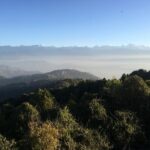
Day 1 is all about travel rhythm. You leave Kathmandu and drive toward Chame via Besisahar. The drive is listed as about 9 to 10 hours total, then you switch to a local jeep for roughly 3 to 4 hours (after reaching Besisahar). Expect a mix of green hills, winding roads, and village scenes, plus river and forest stretches along the way.
This matters because you are arriving at the trek with less energy than you would after a quick hop. I’d treat Day 1 like you are laying track for the rest of the week. If you can, prioritize sleep, keep hydration simple, and don’t plan to do anything heroic on arrival.
One practical note from the setup: you are picking up and dropping off with included services, and you are trekking with a guided group option (private group is available). So even though Day 1 is long, you are not left to figure out connections on your own.
Chame to Pisang: Pine Forests, Suspension Bridges, and Peak-Spotting

On Day 2 you start walking from Chame to Pisang. The trekking time is about 4 to 5 hours, and the route begins with pine forests and apple orchards. That plant mix is one reason this segment feels friendly at the start: it is scenic, but it is not immediately all rock and thin air.
The itinerary includes crossing a suspension bridge early on. If you have never walked one in the Himalayas, you will learn quickly that these bridges make you focus on steps, not drama. Then you ascend toward Dhukur Pokhari for lunch, followed by continuing to Pisang.
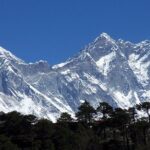
What I like most here is that the itinerary is not shy about views. Pisang is set up for outlooks toward Annapurna II, Annapurna IV, and Pisang Peak. You also get time to explore Upper Pisang and Lower Pisang. Upper Pisang, in particular, is praised for stunning mountain views, so plan your breaks around where you can actually look.
Possible drawback: this is a short-ish day, but you will still want to keep pace steady. If you rush, you might arrive feeling wired and then pay for it later when altitude creeps in.
Pisang to Manang: Braga, Monasteries, and the Feeling of Settling In

Day 3 takes you from Pisang to Manang, a 5 to 6 hour trek. You walk through pine valleys, pass by Braga, and you may be able to visit its hillside monastery if it is open. That “if open” part matters. Do not plan your emotion around it. If it’s available, great. If not, you still have a strong day of scenery and village rhythm.
There are more suspension bridges and slopes along the way before you reach Manang. Manang is where the trek starts to feel different. It is more established for acclimatization and for cultural wandering, so once you settle into your teahouse, the day turns from “move forward” to “make altitude work for you.”
In Manang, the views also broaden. You get sightlines toward Annapurna and Gangapurna. The day ends with a hearty teahouse meal and a chance to get settled properly before your next big step.
Manang Acclimatization Day: Rest That Actually Helps

Day 4 is your acclimatization day in Manang. It is not a free day with a must-do checklist. It is explicitly there to reduce altitude sickness risk, and you should treat it like the most important day of the entire itinerary.
The plan suggests you explore viewpoints, monasteries, and a cultural museum at a relaxed pace. There are also optional short hikes to glacial lakes if conditions and energy allow, with views toward Gangapurna and Tilicho peaks.
This is where I think people benefit the most from a good guide. In the feedback, guides like San Bhai and Ghanshyam were described as attentive and supportive, always ready with answers and clear care. That kind of guidance is useful here because acclimatization is not only about breathing, it is about pacing, hydration habits, and knowing when to stop.
If you are tempted to “make up time” on the acclimatization day, resist it. Thorong La is coming, and your body will either adapt or it will not.
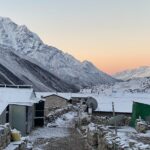
Yak Kharka to Thorong Phedi: Alpine Pastures and Preparation Mode

Day 5 walks from Manang to Yak Kharka, about 4 hours. The route climbs steadily past Tengi and you will meet locals and pack animals along the way. Lunch is in Gunsang, with views toward Annapurna II and IV, before continuing through juniper forests to Yak Kharka.
This segment is practical because it builds you toward the higher camps without being an all-out grind. You also get a real sense of village-to-alpine transition. If you like wildlife encounters, keep your eyes open. Even though the itinerary does not promise it, the region is known for animals along pasture edges.
Day 6 takes you from Yak Kharka to Thorong Phedi, about 4 to 5 hours. This is a shift into alpine pastures. The itinerary notes roaming horses and even mentions Himalayan griffons, plus rocky slopes and a suspension bridge before you arrive at Thorong Phedi.
Thorong Phedi is base-camp territory for the pass. That is why I treat this day as preparation mode. You are not trying to “win the hike.” You are trying to arrive rested, fed, and ready for an early start.
Thorong La Pass Day, 4 AM Start and the Kali Gandaki Drop
Day 7 is the big one: Thorong Phedi to Muktinath via Thorong La, about 7 to 8 hours. You start very early, around 4 AM, specifically to avoid strong winds at the pass. Thorong La reaches 5,416 meters. That is plenty of altitude for even confident hikers to take seriously.
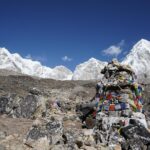
The itinerary describes snow-capped peaks and prayer flags fluttering. Those moments are real and worth paying attention to, but the real reason you start early is weather management. Cold plus wind plus fatigue is a tough combo. Starting before that peak wind window gives you a better chance of steady conditions.
You also descend into the Kali Gandaki Gorge, described as one of the world’s deepest. The canyon feel tends to be dramatic, because the drop is visual and you can feel the terrain change as you go down.
Then you reach Muktinath, a pilgrimage site for Hindus and Buddhists. You explore temples and shrines, and you spend the night at a teahouse.
One note I’d flag: a day like this is physically and mentally demanding. Your comfort depends on your gear and your willingness to move calmly. If you ever feel rushed, slow down. Let your oxygen catch up to your ambition.
Muktinath Temples: Where the Trek Becomes Cultural

Muktinath is not just a convenient stop. It is a major religious landscape, with temples and shrines that serve both Hindus and Buddhists. In other words, the day after a major pass crossing becomes more human and more reflective.
When I think about value here, this is it. You finish a huge physical milestone, then you step into a place where people come for devotion, not sightseeing. You might not speak the prayers, but you can still observe how the space feels and how pilgrims move through it.
If you are traveling with a guide who is comfortable answering questions, this is also where that pays off. In multiple accounts, guides were praised for cultural knowledge and kindness, and Muktinath is exactly the kind of stop where that knowledge matters.
Muktinath to Pokhara: A Long Bus Ride, Then Lakeside Recovery

Day 8 is a return and recovery day. You travel by local bus for about 9 to 10 hours from Muktinath to Pokhara. The itinerary describes a scenic drive through the lower Mustang Valley.
After that kind of drive, you are done. Check into your hotel and rest. The itinerary calls for tourist standard luxury at Hotel Orchid in Pokhara and includes a farewell Nepalese typical dinner in Lakeside Pokhara.
Then you have the fun part: wander the lakeside streets, eat whatever sounds good, and let your body come down from trek mode. This final day is also when you can process what Thorong La felt like and how the route changed from forest to pasture to gorge.
Value and Price: Is $348 a Fair Deal?
At $348 per person for an 8-day Annapurna Circuit trek, the price is about what you’d expect for a guided, permit-included itinerary that covers most essentials. The value comes from what is bundled.
Included items you should care about:
- Permits and paperwork plus the TIMS fee(s)
- 7 nights of tea house or lodge accommodation during the trek
- The Pokhara hotel night at Hotel Orchid
- All meals during the trek only for the Full Package
- A guide with insurance included
- Ground transportation as described in the itinerary, plus a tourist AC bus from Pokhara to Kathmandu
What is not included:
- For Standard Package, food and drinks are not included, and mineral water, tea or coffee beside breakfast, and hot shower are also not included
- Porter service is available for $20 per day
So the “value” depends on which package you are actually choosing. If you are on the Full Package, the cost feels easier to justify because food is often where trekking bills quietly grow. If you are on Standard, you’ll need to budget your meals carefully.
Either way, I’d treat the guide as a big part of the cost. The feedback emphasizes guides who were friendly, prepared, and safety minded. In a trek that includes a 5,416 meter pass, that is not fluff.
Who This Trek Suits Best (And Who Should Rethink It)
This is a solid choice if you:
- Want the classic Annapurna Circuit experience with Pisang, Manang, and Thorong La
- Are comfortable with daily trekking, including a long and high crossing day
- Appreciate both views and culture, especially the Muktinath pilgrimage stop
- Like a route that has built-in altitude thinking, including the Manang acclimatization day
It may not be a good fit if:
- You are pregnant, have altitude sickness, or are over 70 years (the trip is listed as not suitable for these groups)
- You are new to trekking and you are not sure you can maintain a steady pace through several climbing days
- You are traveling in winter months (November to December) and you do not plan for cold nights, because you should bring your own sleeping bag or arrange a rental
Also, bring warm clothing, sunglasses, and sunscreen. The pass day and high-altitude exposure can surprise people, even when skies look clear.
Should You Book This Thorong La Trek?
I’d book it if you want a guided, well-structured Annapurna Circuit that takes altitude seriously and still gives you village time. The Thorong La crossing is the headline, but the real strength is the flow into it: Pisang for strong mountain views, a calm acclimatization day in Manang, then a measured push toward Thorong Phedi so Day 7 does not feel like chaos.
Skip it, or ask for adjustments, if your fitness is uncertain or you expect altitude to behave like a normal hike. This is a big day at 5,416 meters, and the itinerary’s success relies on you pacing and following the guide’s safety approach.
FAQ
How high is Thorong La Pass on this trek?
Thorong La Pass is listed at 5,416 meters.
What time do you start the Thorong La crossing?
You start very early, around 4 AM, to avoid strong winds on Thorong La.
How long is the trek, and where does it end?
The experience lasts 8 days. It ends with a drive from Muktinath to Pokhara on Day 8.
What are the main trekking stops on the route?
The itinerary includes Chame, Pisang (Upper and Lower), Manang, Yak Kharka, Thorong Phedi, Thorong La, and Muktinath, then finishes in Pokhara.
Are permits and paperwork included?
Yes. Trekking permits and all necessary paperwork, including TIMS-related fees, are included.
Is accommodation included during the trek?
Yes. Tea house or lodge accommodation is included for 7 nights during the trek.
Are meals included?
All meals during the trek are included for the Full Package. For the Standard Package, food and drinks are not included.
Do I need a sleeping bag?
For winter treks in November to December, you are asked to bring your own sleeping bag or contact the operator to arrange a rental.
Can I hire a porter?
Yes. Porters are available to hire for $20 per day.
What languages are spoken by the guide?
The guide is listed as English and Hindi.
More Hiking & Trekking Tours in Kathmandu
More Tour Reviews in Kathmandu
Not for you? Here's more nearby things to do in Kathmandu we have reviewed


Annapurna Treks from Kathmandu, compared.
 ★ 5.0Annapurna Circuit Trek with Tilicho LakeFrom $1,093368 reviews
 ★ 5.0Annapurna base camp trek 5 DaysFrom $699252 reviews
 ★ 5.0Annapurna Base Camp TrekFrom $935111 reviews
 ★ 5.0Kathmandu to Annapurna Base Camp (ABC) 5-Day TrekFrom $99102 reviews
 ★ 5.0Annapurna Circuit TrekFrom $1,17594 reviews
 ★ 5.04 Days Poon Hill TrekFrom $40594 reviews
 ★ 5.0Annapurna Base Camp Trek 12 DaysFrom $80085 reviews
 ★ 5.0Ghorepani(Poonhill Trek)From $60081 reviews
Browse the lists this tour appears in