
REVIEW · ANNAPURNA TREKS FROM KATHMANDU
Kathmandu: 10-Day Adventurous Annapurna Circuit Trek
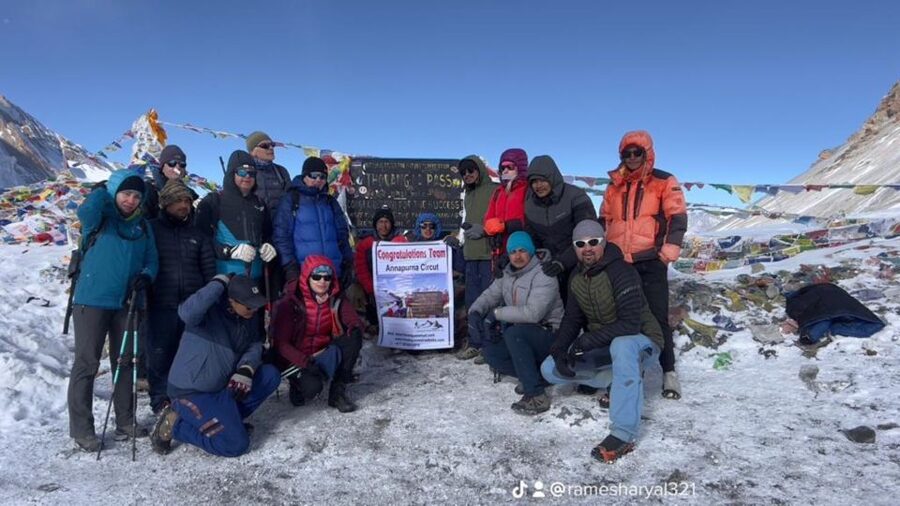
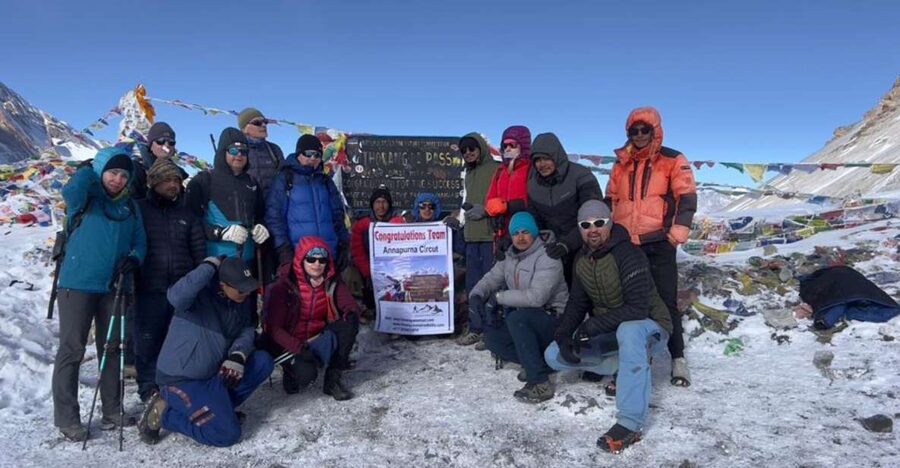
Thorong La Pass is the real draw here. I love how this trek pairs the big altitude moment of Thorong La Pass with quieter village days, and how guides like Keshab and Prakash balance route talk with time to just watch mountains and sky. With an English-speaking guide, you get practical help finding good viewpoints and comfortable sleeping arrangements. One consideration: the pass day is long, cold, and high, so you need real fitness and a calm, altitude-smart pace.
What also appeals to me is the structure around altitude. You get a built-in Manang acclimatization day before heading higher toward Yak Kharka and Thorong Phedi, which is exactly when many first-timers start to feel the effects of thin air. And after days in tea houses, you end with a proper reset in Pokhara, including a farewell Nepalese dinner in Lakeside.
Key highlights worth your attention
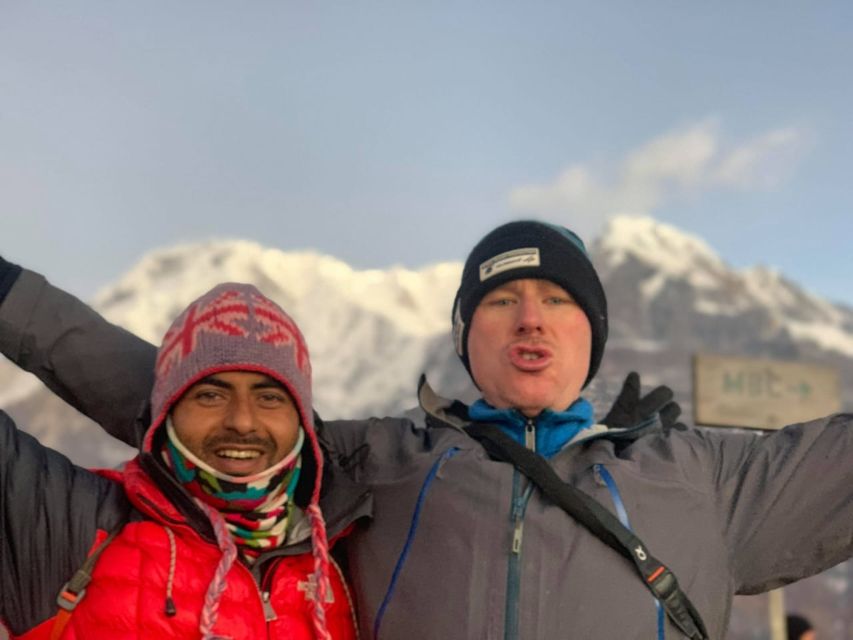
- Thorong La Pass at 5,416m: start early, dress warm, and plan for a long day
- Manang acclimatization day: resting and exploring before you go higher
- Village culture on the way: time in places like Chame, Upper Pisang, and Muktinath
- A team that manages logistics: permits, paperwork, transport, and luggage storage handled for you
- Tea house trekking with basic comforts: simple beds and meals, but a real sense of place
- Pokhara recovery time: unwind after the high pass, with a night in a tourist-standard hotel
Why the Annapurna Circuit feels like two treks in one
The Annapurna Circuit does a funny thing to your brain. For days, you climb through forests, bridges, and village trails, with morning air that feels almost normal. Then you reach the high pass zone, and everything changes fast: thinner air, harsher cold, and huge views that make you forget your phone even exists.
This particular 10-day route leans hard into that contrast. You go from Kathmandu’s bustle to the quieter rhythm of walking between tea houses, then you drop into Muktinath and down again toward Jomsom’s windy, arid feeling. If you like trekking that builds momentum, this works well because each day has a clear “chapter.”
And yes, the main event is Thorong La Pass, but the best part is how the rest of the trek prepares you for it. The slow, steady climbing, the altitude pauses, and the long pass day all feel connected. That makes it a more satisfying adventure than just chasing one summit moment.
You can also read our reviews of more hiking tours in Kathmandu
Kathmandu to Dharapani: long drive, steady start
Your trek starts with a big “get moving” day. You’ll ride from Kathmandu to Besisahar by bus, then continue toward Dharapani in a shared Jeep. It’s a long travel day, about 10 hours in total, but it has a purpose: it gets you into the Annapurna region without wasting your first energy on steep trail right away.
Why this matters: when you begin at altitude later, you’ll already be mentally in trekking mode. Also, you avoid the beginner trap of starting too hard on day one, which is how people end up exhausted before they even reach proper trails.
In practical terms, plan for a rougher ride. This is Nepal by road, not a city highway. Bring something for comfort, keep small essentials easy to reach, and don’t assume the Jeep ride will be smooth. When the road ends and you reach Dharapani, you’ll feel ready for the next day’s walking.
Chame and Upper Pisang: forests, suspension bridges, and first big views
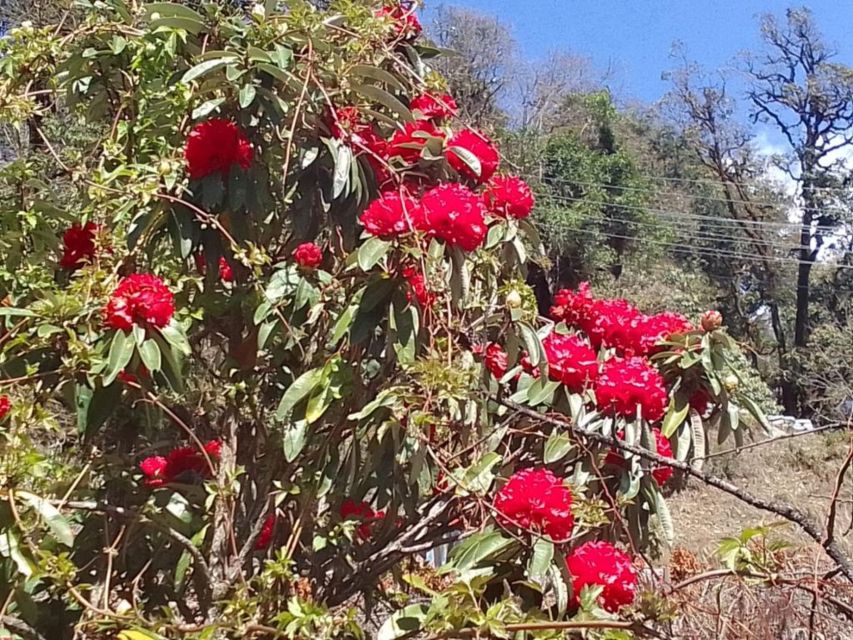
Day two is your first trek day, and it’s a good one. You’ll walk from Dharapani up to Chame (about 2,670m), roughly 6 hours. The trail shifts as you gain elevation, moving through forested sections and crossing suspension bridges.
This is where you learn what your body wants. If you’re smart about pacing, these early climbs teach you how to breathe at a steady rate. If you go too fast, you’ll feel it quickly. The good news is that early days like this let you “dial in” your rhythm while the scenery keeps rewarding you.
Then day three pushes you from Chame to Upper Pisang (about 3,300m), again around 6 hours. Upper Pisang is a classic Annapurna Circuit village, with views that start turning from impressive into unforgettable. You also get time to slow down, look around, and experience daily village life rather than treating every stop as a photo stop.
Day four continues the climb to Manang (about 3,540m) in roughly 6 hours. Along the way, the mountain views can land hard, especially toward peaks like Annapurna II, Annapurna III, and Gangapurna. This is the point where you start thinking about altitude for real, not as a theory.
Manang acclimatization day: why this rest day is more than a break
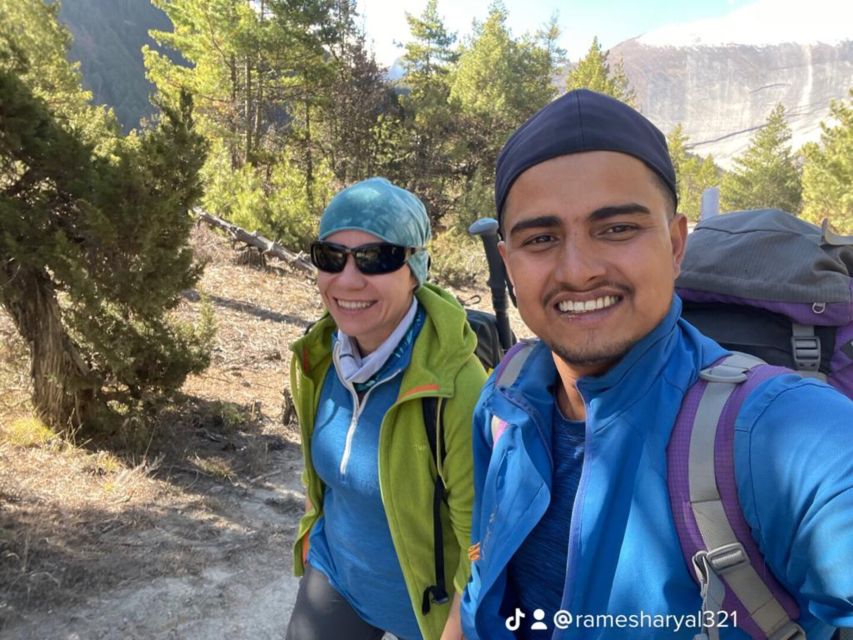
The trek gives you a full acclimatization day in Manang. It’s a big deal, and it’s also where your mindset matters most. You’ll rest and adjust, and you’ll have time to explore the village and take in the panoramic views.
What I like about this structure is that it makes the high pass day less of a shock. Instead of climbing higher every single day until your body protests, you get a planned pause. Even if you feel fine, you should still treat it like an important day, not a wasted one.
What do you do on acclimatization day? The tour plan keeps it simple: relax, explore locally, and keep your breathing calm. In practice, I’d avoid heavy hikes that day. Go for an easy walk, look around, hydrate, and let your body catch up. This is also a great time to ask your guide questions about the upcoming Thorong La Pass crossing, including what time to start and how weather might affect timing.
Based on guide feedback from past trekkers, a big reason this route works well is that the guides pay attention to altitude sickness risk and help you minimize it with pace and smart choices. You want that kind of guidance on hand before day eight.
Yak Kharka to Thorong Phedi: gearing up for cold air and high effort
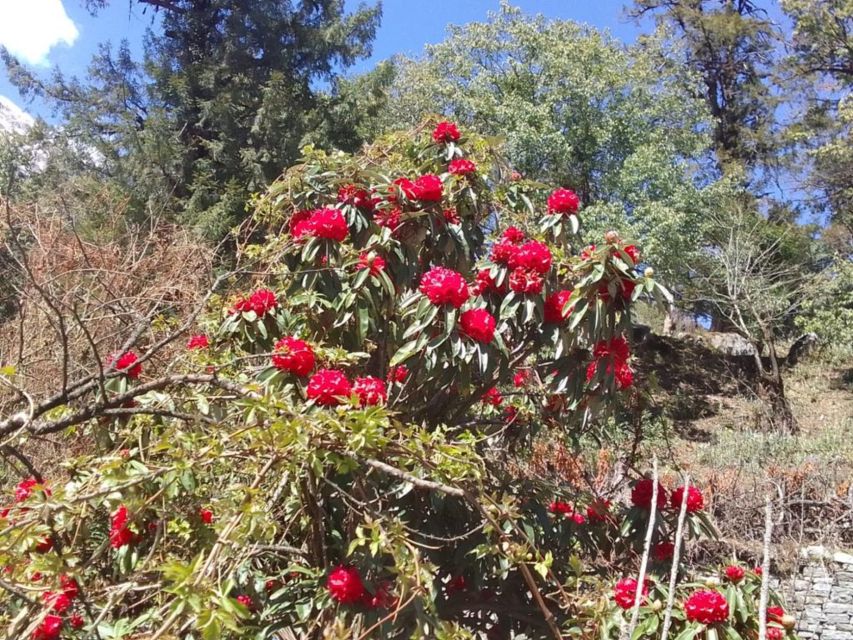
After Manang, the trek continues upward in a way that makes day eight feel possible. Day six takes you from Manang to Yak Kharka (about 4,050m) in around 6 hours. Yak Kharka is a grazing pasture area, and the terrain turns more alpine. Fewer trees, more open air. It can feel quiet up there, and that’s a good sign. Quiet usually means fewer distractions and more focus on your breathing and cadence.
Day seven then moves you to Thorong Phedi (about 4,450m), also around 6 hours. Thorong Phedi is the base area for the pass crossing. The big point here is mental preparation. You’re not just traveling to a place to sleep, you’re positioning yourself for a challenging start the next morning.
What to consider before the night in Thorong Phedi:
- Cold can be real. Even when skies are clear, temperatures at these altitudes can bite.
- Your energy matters. Eat what you can, don’t take on huge risks with your body, and get sleep early.
- Your guide’s plan matters. If your group needs small adjustments based on conditions, this is the time they’ll likely handle it.
If you’ve never done high altitude trekking before, this is where having an organized team is comforting. One of the recurring strengths in guide feedback is attention to keeping people safe and comfortable, not rushed.
Thorong La Pass to Muktinath: the pass day, then sacred calm
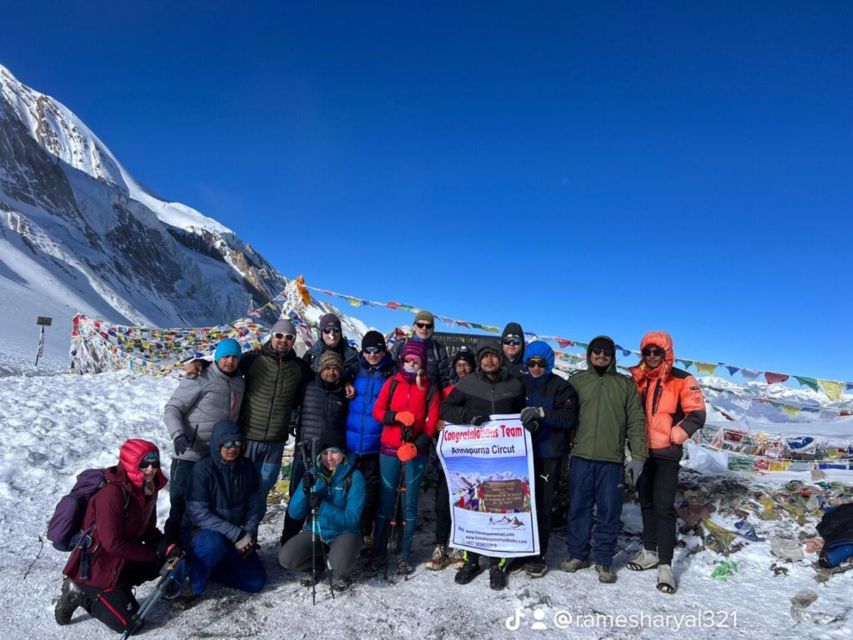
This is the day everyone talks about for a reason. You’ll start early and head from Thorong Phedi to cross Thorong La Pass at 5,416m, then descend to Muktinath (about 3,800m). Plan for about 12 hours.
A long day at altitude is not just a stamina test. It’s a temperature and decision-making test. You’ll want warm layers, sunglasses for glare, and a steady rhythm from the start. Going out too fast early is the easiest way to burn energy you’ll need during the hardest sections.
Why Muktinath feels like a reward: once you finish the pass, the descent brings you into a different emotional zone. Muktinath is a pilgrimage site, sacred for Hindus and Buddhists, and the village atmosphere shifts from mountain survival to something more cultural and spiritual. Instead of chasing views, you can look around, slow down, and absorb a different kind of place.
If the pass day goes smoothly, you’ll finish the day with that special exhausted happiness. If it’s cloudy or cold, you’ll still learn a lot about your own pace. Either way, this day is the heart of the trek.
Muktinath to Jomsom and the ride to Pokhara: arid air and real recovery
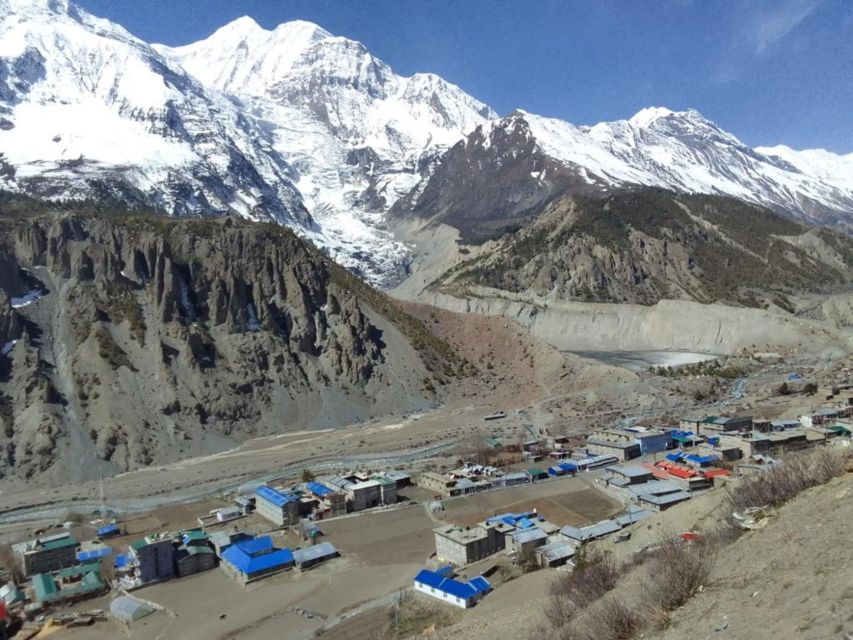
Day nine descends further from Muktinath to Jomsom (about 2,720m) in roughly 5 hours. Jomsom has a windy reputation, and the feel of the region shifts again. You leave behind higher alpine vibes and step into more arid, desert-like terrain.
This contrast helps the trek feel complete. You don’t just climb and then quit. You come down through a changing world, with the scenery turning more stark as you approach Jomsom.
Day ten ends with a bus ride from Jomsom to Pokhara, about 8 hours, followed by time to relax. You’ll also sleep in a tourist-standard luxury hotel in Pokhara (Hotel Orchid is included for the final night in the plan). After ten days of mountain pace, Pokhara feels like someone turned down the volume.
The farewell Nepalese dinner in Lakeside Pokhara is a nice touch. It’s not a gimmick. It gives you a moment to reflect, stretch out your legs, and swap stories with your guide and team.
Transportation, permits, and luggage: where value shows up
On a trek like this, the best value often isn’t the scenery. It’s the friction removed.
In this package, you get permits and the necessary paperwork, plus the Trekkers’ Information Management System fee(s) covered. That matters because paperwork is one of those annoying tasks that can stall your plans if you try to DIY. You also get a luggage storage facility, plus the transport legs are handled: Kathmandu to Besisahar by bus, Besisahar to Dharapani by shared Jeep, and Jomsom to Pokhara by bus. From Pokhara back toward Kathmandu, the plan includes a luxury sofa seater tourist AC bus.
You’ll also travel with an authorized English-speaking guide. Porter costs are extra, so if you want help carrying your daypack and trekking gear, ask your organizer what options fit your comfort level. The guide’s insurance is included, and staff expenses like meals, accommodation, salary, equipment, insurance, and transportation are covered in the package. That’s part of why this trek can run smoothly.
I also appreciate what past trekkers highlighted about problem-solving. When someone had an extra bag that they didn’t need on the trek, the team handled getting it to Pokhara while the trek continued. That kind of practical logistics thinking can save you from carrying extra weight, worrying about where things go, or losing time when plans get complicated.
Price and value: what $467 per person really buys
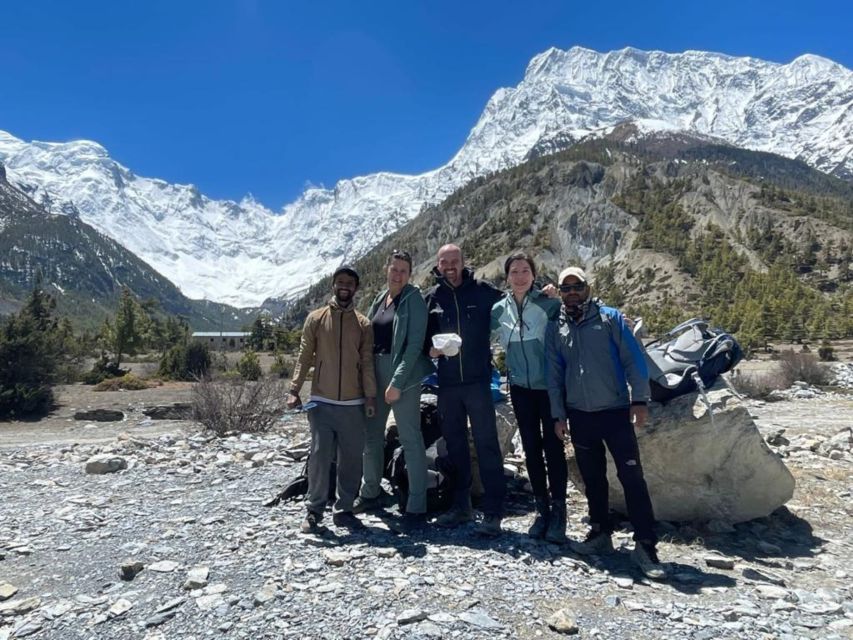
At $467 per person for a 10-day Annapurna Circuit trek, the value is strongest when you look at what’s included, not just the headline cost.
You’re paying for:
- A full trek framework (9 nights of accommodation during the trek, plus one hotel night in Pokhara)
- Permit and paperwork coverage
- An English-speaking guide
- Meals included on the trek for the Full Package option
- Core transportation legs and a planned return bus
- Luggage storage
What’s not included is also clear, and you should budget for it:
- Travel and rescue insurance
- Soft and hard drinks
- Your personal expenses like phone calls, laundry, bar bills, and extra water or snacks
- International flights and Nepalese visa fees
- Extra nights in Pokhara or Kathmandu if you shift timing for reasons not in the planned schedule
Here’s the practical takeaway: this price looks reasonable for a trek that covers a lot of operational work for you. You still need to pay attention to your own health plan, especially altitude insurance. But the core moving parts are handled.
If you’ve ever priced permits, guides, and transport separately in Nepal, you’ll see how quickly the costs add up. This package is designed to bundle that workload so you can focus on walking.
Packing, altitude smarts, and safety basics that actually help
This is a high pass trek. Weather can swing between clear skies and cold, with rain or even snow possible. That means packing matters.
From the essentials list, you should plan to bring:
- A sleeping bag
- Warm jacket, hat, sunglasses, sunscreen
- Hiking shoes and trekking gear
- Socks, daypack, flashlight (a headlamp works great if you have one)
- Water and a first aid kit
- Cash and a camera if you like documenting the trip
Altitude-smart behavior matters as much as gear. The itinerary’s Manang acclimatization day helps, but you still have to follow the biggest rules:
- Keep your pace steady and controlled, especially on climb days
- Don’t treat the pass day like a casual hike. Start early and dress for cold
- Hydrate and eat what you can, even if appetite dips
And remember: the trek is not recommended for pregnant women. That’s straightforward and important for safety planning.
Who should book this trek
This trek is a strong fit if you want:
- A classic Annapurna Circuit experience with a real high pass focus
- A plan that takes altitude seriously with an acclimatization day
- Tea house trekking plus a comfortable recovery night in Pokhara
- An organized team with an English-speaking guide who can handle the “what if” moments
It may feel like a big first step if you have limited hiking experience, but feedback from first-timers suggests it can work well when your guide is focused on pacing and when you take altitude guidance seriously. If your fitness level is solid and you follow the acclimatization rhythm, you’ll likely find it a rewarding, confidence-building trek.
Should you book this Kathmandu to Thorong La Pass trek?
Book it if you want the real Annapurna Circuit story, not just an easy walk. The Thorong La Pass crossing, the Manang acclimatization setup, and the cultural stops at places like Muktinath make this a complete adventure arc.
Skip it or ask for advice first if:
- You are not prepared for a long, cold pass day
- You can’t commit to altitude-friendly pacing
- You need a more relaxed, lower altitude itinerary
If you do decide to go, I’d treat this as a serious trekking vacation with a strong logistics backbone. That’s where the value shows. Then the mountains do what they always do, they put you in the right kind of silence.
FAQ
What is the highest altitude on this trek?
The itinerary includes crossing Thorong La Pass at 5,416m (17,769 ft).
How long is the trek from start to finish?
The full experience is 10 days.
What are the main trekking days and typical hike durations?
Based on the plan, trekking days include about 6 hours from Dharapani to Chame, 6 hours from Chame to Upper Pisang, 6 hours from Upper Pisang to Manang, 6 hours from Manang to Yak Kharka, 6 hours from Yak Kharka to Thorong Phedi, about 12 hours on the Thorong La Pass and descent to Muktinath, and about 5 hours from Muktinath to Jomsom.
Do you get an acclimatization day in Manang?
Yes. There is an acclimatization day in Manang.
What is included in the package price?
The package includes hotel pickup and drop-off, a trekking permits and paperwork package (including TIMS fee(s) and applicable government tax), accommodations for 9 nights during the trek and 1 hotel night in Pokhara, meals during the trek for the Full Package option, an authorized English-speaking guide, transport as specified in the itinerary, luggage storage, and a luxury AC bus from Pokhara to Kathmandu.
Are meals included?
All meals (breakfast, lunch, dinner) during the trek are included for the Full Package option.
Is a porter included?
A porter charge is extra. The guide is included as part of the package.
What transportation is included during the journey?
Included transport follows the route: Kathmandu to Besisahar by bus, Besisahar to Dharapani by shared Jeep, Jomsom to Pokhara by bus, and then Pokhara to Kathmandu on a luxury sofa seater tourist AC bus.
What should I bring for this trek?
The provided essentials list includes passport or ID, sunscreen, sleeping bag, socks, cash, daypack, camera, first aid kit, jacket, hat, water, hiking shoes, trekking gear, flashlight, and sunglasses.
Is this trek suitable for pregnant women?
No, it is not suitable for pregnant women.
More Hiking & Trekking Tours in Kathmandu
More Tour Reviews in Kathmandu
Not for you? Here's more nearby things to do in Kathmandu we have reviewed


Annapurna Treks from Kathmandu, compared.
 ★ 5.0Annapurna Circuit Trek with Tilicho LakeFrom $1,093368 reviews
 ★ 5.0Annapurna base camp trek 5 DaysFrom $699252 reviews
 ★ 5.0Annapurna Base Camp TrekFrom $935111 reviews
 ★ 5.0Kathmandu to Annapurna Base Camp (ABC) 5-Day TrekFrom $99102 reviews
 ★ 5.04 Days Poon Hill TrekFrom $40594 reviews
 ★ 5.0Annapurna Circuit TrekFrom $1,17594 reviews
 ★ 5.0Annapurna Base Camp Trek 12 DaysFrom $80085 reviews
 ★ 5.0Ghorepani(Poonhill Trek)From $60081 reviews
Browse the lists this tour appears in